
Can I Use Air Purifier And Humidifier at the Same Time
Imagine walking into your home and breathing in air that feels both clean and comfortable. Many people want their indoor air to be free from dust, pollen, and odors, while also avoiding dryness that leads to sore throats or cracked skin. This is where air purifiers and humidifiers come into play. But a common question arises: can you use an air purifier and humidifier at the same time? The answer is not only “yes,” but also that using both devices together can improve air quality more than using either one alone—if you do it right.
This article will guide you through how air purifiers and humidifiers work, the benefits and possible issues when using them together, and practical tips to get the most out of both. Whether you live in a dry climate, suffer from allergies, or simply want a healthier home, understanding how these two devices interact can help you breathe easier and live better.
How Air Purifiers And Humidifiers Work
Understanding how each device functions is important before using them together. While they both improve indoor air, they do so in very different ways.
Air Purifier Basics
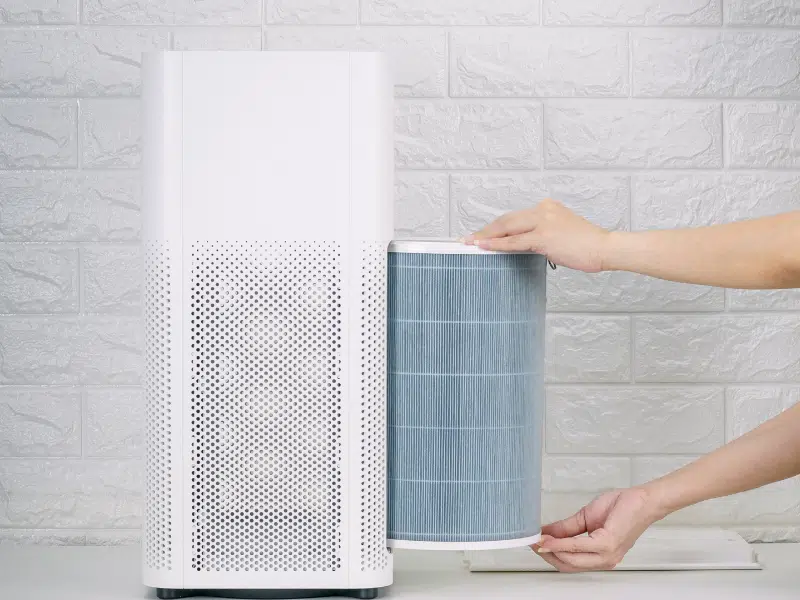
An air purifier pulls air from the room, passes it through filters, and removes particles like dust, pollen, pet dander, and sometimes bacteria or viruses. Many use a HEPA filter (High Efficiency Particulate Air), which can capture 99.97% of particles as small as 0.3 microns. Some air purifiers also include activated carbon filters to trap odors and gases, or ultraviolet (UV) light to kill germs.
Key benefits:
- Reduces allergens (great for allergy or asthma sufferers)
- Removes dust, smoke, and some bacteria or viruses
- Can eliminate unpleasant odors
Humidifier Basics
A humidifier adds moisture to dry indoor air. This is especially helpful during winter or in dry climates, when heating systems make air even drier. There are several types:
- Ultrasonic humidifiers: Create a cool mist using vibrations
- Evaporative humidifiers: Use a fan to blow air through a wet wick or filter
- Steam vaporizers: Boil water to create warm steam
Key benefits:
- Relieves dry skin, eyes, and throat
- Eases symptoms of colds and allergies
- Prevents damage to wood furniture and musical instruments
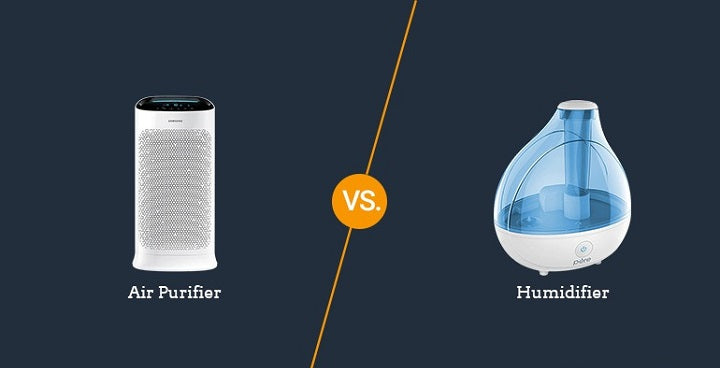
A common mistake is to think these devices do the same thing. In reality, they solve different problems. One removes particles, the other adds moisture.
Why Use Air Purifier And Humidifier Together?
Many people wonder if using both is necessary. The truth is, air purifiers and humidifiers can work together to create the best indoor environment.
Combined Benefits
- Cleaner and More Comfortable Air: The air purifier removes harmful particles, while the humidifier keeps humidity at a healthy level (between 40% and 60%). This means you get air that is both clean and easy to breathe.
- Better Health Protection: Dry air can irritate your throat and nose, making you more likely to get sick. But if the air is too humid, mold and dust mites can grow. Using both devices helps you find the right balance.
- Help for Allergy and Asthma Sufferers: Allergens like dust and pollen are removed by the air purifier, while the humidifier prevents dry air from making symptoms worse.
- Preserves Furniture and Musical Instruments: Dry air can crack wood and damage pianos or guitars. Moist air (but not too moist) keeps everything in good condition, while the air purifier stops dust buildup.
Real-life Example
Imagine a family living in a cold region. In winter, they turn on the heater, which dries the air. Their son has asthma, and dust in the air makes it worse. By using both an air purifier (to remove dust) and a humidifier (to add moisture), his breathing improves and the whole family feels more comfortable.
What Happens If You Use Both Devices At The Same Time?
It is safe to use both devices together, but you need to understand how they interact.
How They Interact
- An air purifier will continue to filter out particles, even if the air is more humid.
- A humidifier will add moisture, but it will not remove pollutants.
But, if you put a humidifier too close to an air purifier, the mist can be sucked directly into the air purifier’s filters. This can make the filter wet, which may reduce its effectiveness or cause mold to grow inside the purifier.
Proper placement is essential. To get the best results, place the devices several feet apart.
Can One Device Make The Other Useless?
No. Since they perform different jobs, using both does not cancel out the other. However, using a humidifier in a very dirty room will not solve the problem—the particles are still in the air unless you use a purifier.
Humidity And Air Purifier Efficiency
Some people think higher humidity levels can block air purifier filters. This is not usually true. Most modern air purifiers are designed to work in normal household humidity levels. Problems only occur if moisture is too high (above 60-70%), which can damage both your home and your devices.
Types Of Air Purifiers And Humidifiers: Compatibility
Not all devices are created equal. The type of air purifier and humidifier you use can affect how well they work together.
Air Purifier Types
- HEPA filter air purifiers: Work well with humidifiers
- Ionic air purifiers: Can create ozone, which may interact with moisture and cause a smell
- UV-C air purifiers: Unaffected by humidity
Humidifier Types
- Ultrasonic humidifiers: Fine mist is safe for air purifiers, but white dust can form if you use hard water. This can clog air purifier filters.
- Evaporative humidifiers: Less likely to create white dust. Work well with all air purifiers.
- Steam vaporizers: Usually safe, but hot steam should never blow directly into an air purifier.
Combination Units
Some products combine both functions in one unit. These are convenient, but often less effective than two separate, high-quality machines. The filter may need to be replaced more often due to the extra moisture.
Example Compatibility Table
Here is a summary showing which humidifier types match best with different air purifiers:
| Humidifier Type | HEPA Purifier | Ionic Purifier | UV Purifier |
|---|---|---|---|
| Ultrasonic | Good (watch for white dust) | Fair (possible ozone smell) | Good |
| Evaporative | Excellent | Excellent | Excellent |
| Steam Vaporizer | Good | Good | Good |
Credit: andersonair.com
Best Practices For Using Air Purifier And Humidifier Together
Getting the most out of both devices requires some planning. Here are the steps to follow for best results.
1. Place Devices Apart
Keep at least a few feet (about 1–2 meters) of space between the air purifier and humidifier. This prevents the air purifier from sucking in too much moisture, which can clog the filter or cause mold.
2. Monitor Humidity Levels
Use a hygrometer (a device that measures humidity) to keep indoor humidity between 40% and 60%. This is the ideal range for comfort and health. Too little moisture dries out your skin; too much can cause mold and dust mites.
3. Clean And Maintain Devices Regularly
- Air purifier: Change filters as recommended. A clogged filter does not clean the air well.
- Humidifier: Clean the tank and replace water daily to prevent bacteria and mold growth.
4. Use Distilled Water In Humidifiers
Tap water can contain minerals that create “white dust” when used in ultrasonic humidifiers. These particles can end up in the air and clog your air purifier’s filter. Using distilled or demineralized water prevents this problem.
5. Do Not Over-humidify
Running a humidifier too long can push humidity above 60%, encouraging mold and bacteria. Many modern humidifiers have built-in humidistats to control moisture levels. If yours does not, check humidity with a separate hygrometer.
6. Position Devices For Best Airflow
- Place the air purifier where it can pull air from the whole room, not behind furniture or in a corner.
- Set the humidifier in a central location, but not too close to electronics or fabrics that might be damaged by moisture.
7. Avoid Direct Mist Toward Air Purifier
Point the mist output away from the air purifier. Direct mist can wet the purifier’s filter, reducing its life and possibly causing bacteria to grow.
8. Adjust For Room Size
Choose devices that are sized for your room. An air purifier or humidifier that is too small will not work well. Most manufacturers list the recommended room size on the box.
9. Use Both Devices Consistently
For best results, run both devices regularly, especially during allergy season or in winter when the air is driest. Turn them off if you open windows for long periods.
10. Track Health And Comfort
Notice how you feel after using both devices. Are you breathing easier? Sleeping better? Adjust settings or placement if you do not see improvements.
Common Mistakes When Using Air Purifier And Humidifier Together
Even with the best intentions, it’s easy to make mistakes that reduce effectiveness or even cause problems.
Placing Devices Too Close Together
A common error is putting the humidifier right next to the air purifier. The air purifier may pull in too much moisture, leading to filter damage.
Ignoring Filter And Tank Cleaning
Dirty air purifier filters and humidifier tanks can become breeding grounds for bacteria and mold. This can actually make your air less healthy.
Using Hard Water In Ultrasonic Humidifiers
If your water is high in minerals (“hard” water), ultrasonic humidifiers may create white dust. This dust can clog air purifier filters and even settle on your furniture.
Over-humidifying The Room
Some people think “more moisture is better. ” In reality, too much humidity can make breathing harder, and encourage mold, dust mites, and even damage to your home.
Not Checking Compatibility
Certain air purifiers (like ozone generators) may interact badly with humidifiers, creating smells or even harmful chemicals. Always check your device types.
When Should You Use Both Devices?
You do not always need both devices running. Here are times when using both makes sense:
- During allergy season: Pollen, dust, and other allergens increase. Air purifiers reduce them, while humidifiers keep airways moist.
- In winter: Heating dries out the air, causing dry skin, sore throats, and static electricity. Both devices help maintain comfort and health.
- If you have respiratory issues: Asthma, allergies, or frequent colds can be helped by both cleaner air and proper humidity.
- For babies or elderly: Young children and older adults are more sensitive to dry or dirty air. Both devices can help keep them healthy.
Who Should Avoid Using Both Devices?
In a few cases, using a humidifier may not be the best idea, even with an air purifier.
- If you have mold allergies: Humidifiers can make mold grow if humidity is too high.
- If you live in a very humid climate: Extra moisture may not be needed, and can make things worse.
- If you cannot clean devices regularly: Both require maintenance to stay safe and effective.
How To Choose The Right Air Purifier And Humidifier
Choosing the right devices matters as much as using them together.
Air Purifier Selection
- Filter type: HEPA filters are best for removing fine particles.
- Room size: Match the device to your room for best performance.
- Noise level: Some air purifiers can be loud on high settings.
- CADR rating: Clean Air Delivery Rate shows how quickly the device cleans air. Higher is better.
Humidifier Selection
- Type: Ultrasonic for quiet operation, evaporative for fewer minerals in the air.
- Water tank size: Larger tanks need refilling less often.
- Humidistat: Allows you to set target humidity.
- Ease of cleaning: Look for models with simple, accessible tanks.
Example Device Comparison
Here is a look at how different features compare in air purifiers and humidifiers:
| Feature | Air Purifier | Humidifier |
|---|---|---|
| Main Function | Removes particles | Adds moisture |
| Maintenance | Change filters every 6-12 months | Clean tank weekly, change water daily |
| Best For | Allergy, asthma, dust, odors | Dry air, sore throat, static |
| Common Problems | Dirty filter, noise | Mold in tank, white dust |
Non-obvious Insights And Tips
Many articles tell you the basics, but here are insights that most beginners miss:
- Humidity affects static electricity: If you notice more shocks or static, your air is probably too dry. A humidifier can help, but an air purifier will not.
- Filter life can be shortened by too much humidity: Even if your air purifier’s manual says it works in humid air, running a humidifier right next to it can make you replace filters more often.
- Place your devices in the right room: If you spend most time in your bedroom, that’s the best place for both devices. You do not need to run them all over the house.
- Watch out for “ozone generators”: Some air purifiers create ozone, which can react with moisture to form unhealthy compounds. These are not recommended for home use.
- Regular monitoring prevents problems: A cheap hygrometer lets you monitor humidity, avoiding most common mistakes.

Credit: getpuroair.com
Health And Safety Considerations
It is important to use both devices safely, especially if you have children, pets, or respiratory conditions.
Air Purifier Safety
- Do not use ozone-generating purifiers in closed rooms.
- Keep out of reach of small children to avoid tampering.
Humidifier Safety
- Clean tanks and parts regularly to prevent bacteria growth.
- Use only recommended water types.
- Keep away from electronics and outlets, as water can cause electrical hazards.
Combined Use Safety
- Make sure your room does not get too humid (check for condensation on windows).
- If you smell musty odors, check both devices for mold.
- If you develop headaches or breathing issues, turn off both devices and consult a doctor.
Maintenance Schedules And Cost
Many people buy devices but forget about the cost and time involved in keeping them running well.
Typical Maintenance
- Air purifier: Replace HEPA filter every 6–12 months ($20–$80 depending on model). Wipe exterior with a damp cloth.
- Humidifier: Clean tank every week with vinegar or mild bleach solution. Change water daily. Replace filters (if any) every 1–3 months.
Cost Overview
Over a year, expect to spend $50–$150 on filters for both devices, plus a few hours a month on cleaning. Skipping maintenance can make your devices less effective and even dangerous.
Credit: ushomefilter.com
Environmental Impact
Air purifiers and humidifiers use electricity and resources. Here’s how to be eco-friendly:
- Choose energy-efficient models with automatic shut-off.
- Use distilled water from a local source to cut down on plastic bottle waste.
- Recycle used filters if possible.
- Only run devices when needed, not 24/7.
Air Quality Improvement: What To Expect
If you use both devices properly, you can expect:
- Less dust and fewer allergens in the air
- Fewer colds and sore throats in winter
- Better sleep and less snoring
- Improved comfort for your skin and eyes
- Longer life for furniture, musical instruments, and electronics
But remember: neither device is a cure-all. Good air quality also depends on cleaning your home, reducing chemical use, and proper ventilation.
For more about indoor air quality standards, see the U.S. Environmental Protection Agency.
Frequently Asked Questions
Can I Run An Air Purifier And Humidifier In The Same Room?
Yes, you can use both in the same room. Just keep them a few feet apart so the humidifier’s mist does not go directly into the air purifier. This keeps both working well and prevents filter problems.
Will A Humidifier Reduce The Effectiveness Of My Air Purifier?
Not if you use them correctly. Normal humidity levels do not hurt air purifiers. Problems only happen if the air gets too humid, or the devices are placed too close together.
What Is The Best Humidity Level For Using Both Devices?
Aim for 40% to 60% humidity. This is comfortable for most people and safe for electronics, furniture, and your devices. Use a hygrometer to check levels regularly.
Can I Use Tap Water In My Humidifier When Running Both Devices?
You can, but it is better to use distilled water, especially with ultrasonic humidifiers. Tap water can create white dust, which the air purifier may then pick up and clog its filter.
Is There A Device That Combines Air Purification And Humidification?
Yes, some products offer both functions in one unit. However, these combo devices are usually less powerful than separate high-quality air purifiers and humidifiers. They can be a good choice for small spaces or light use.
Creating the healthiest indoor air is not about choosing between an air purifier and a humidifier—it’s about using them together wisely. With the right setup, maintenance, and a little attention to room conditions, you can enjoy clean, comfortable air all year round.