
A pool is a place for fun and relaxation, but it needs proper care to stay safe and clean. One key part of many modern pools is the chlorinator—a device that creates chlorine by passing electricity through saltwater. But sometimes, pool owners see the warning: “Chlorinator Off High Salt Amps.” This message can cause confusion and worry. What does it mean? Is your pool in danger? Can you fix it yourself? Understanding this error is important for keeping your pool healthy and avoiding costly repairs.
This article will help you understand everything about the “Chlorinator Off High Salt Amps” issue. You will learn why it happens, what it means for your pool, how to solve it, and how to avoid it in the future. Even if you are not an expert, you will find clear steps, practical tips, and answers to questions that pool owners often have.
Let’s dive in and make your pool care simple and stress-free.
What Is A Pool Chlorinator?
A pool chlorinator is a device that generates chlorine for your pool using salt. This process is called saltwater chlorination. Instead of adding chlorine manually, you add pool-grade salt to the water. The chlorinator then turns this salt into chlorine through a process called electrolysis. The result is water that feels softer and is less harsh on your skin and eyes compared to traditional chlorine pools.
How A Chlorinator Works
The main parts of a chlorinator system are:
- Salt cell (electrolytic cell): Where the conversion happens.
- Power control box: Supplies electricity and lets you set chlorine levels.
- Sensors: Monitor salt levels, water flow, and system status.
Saltwater from your pool passes through the cell. When the system is on, electricity flows across metal plates inside the cell, breaking the salt (sodium chloride) into chlorine gas and other by-products. The chlorine disinfects your pool water, keeping it clear and safe.
Why Pools Use Salt Chlorinators
Salt chlorinators are popular because they:
- Keep chlorine levels more stable
- Reduce the need for handling chemicals
- Make the water gentler on skin, hair, and eyes
- Lower long-term maintenance
However, these systems do need care, and sometimes, errors like “High Salt Amps” can occur.
Understanding The “chlorinator Off High Salt Amps” Message
When your pool control panel shows “Chlorinator Off High Salt Amps,” it means the chlorinator has stopped working because the electrical current (amps) in the salt cell is too high. This is a safety feature. High amps can damage the cell or the entire chlorinator system.
What Are Amps In A Salt Chlorinator?
Amps measure the amount of electrical current flowing through the cell. The right amp range depends on your model, but most residential systems run between 4–8 amps during normal operation. If the amps go much higher than normal, the system will shut off to protect itself.
Common Causes For High Salt Amps
Several things can cause high salt amps, including:
- Too much salt in the pool water
- Dirty or scaled cell (calcium buildup)
- Cell failure (damaged or worn-out plates)
- Incorrect water balance (especially pH or calcium hardness)
- Faulty sensors or wiring
Each cause requires a different solution, so finding the reason is important.
Why High Salt Amps Are A Problem
Ignoring this error can lead to bigger issues. Here’s why high amps matter:
- Damage to salt cell: High amps can overheat or burn out the cell plates.
- Shorter chlorinator life: Running with high amps stresses the system and may void warranties.
- Unsafe pool water: If the chlorinator is off, chlorine is not being produced, which can lead to green water and bacteria growth.
Quick action saves money and keeps your pool safe.
Signs And Symptoms Of High Salt Amps
You might see more than just an error message. Watch for these signs:
- “Chlorinator Off High Salt Amps” message on the control panel
- Flashing or solid warning lights
- No chlorine production
- Cloudy or green water after a few days (if not fixed)
- Unusual sounds from the chlorinator
Sometimes, you may notice the pool tastes very salty or the water feels different.
How To Troubleshoot High Salt Amps
Solving this error is about finding the cause and fixing it. Here’s a step-by-step guide that works for most systems.
Step 1: Check Salt Level
Too much salt is the most common cause. Your pool manual should list the ideal salt range, usually 2700–3400 ppm (parts per million).
- Use test strips or a digital meter to check the salt level.
- If it’s high, you need to dilute the pool: Drain some water and refill with fresh water, then retest.
- Never add more salt before testing.
Example
If your ideal is 3200 ppm but the test shows 4500 ppm, the salt is too high. Removing about 20–30% of the water and refilling should bring it closer to normal.
Step 2: Inspect And Clean The Cell
A dirty or scaled cell makes the system work harder, which can push amps too high.
- Turn off power to the chlorinator.
- Remove the cell according to the manufacturer’s instructions.
- Check for white chalky buildup (calcium scale) on the metal plates.
- If you see buildup, soak the cell in a cleaning solution (usually a mix of water and pool acid, like 1 part acid to 10 parts water).
- Rinse well and reinstall.
Tip: Clean the cell every 3–6 months, or more often if you have hard water.
Step 3: Check Water Balance
Water that is too basic (high pH) or too hard (high calcium) encourages scaling. Test your:
- PH (should be 7.2–7.6)
- Calcium hardness (200–400 ppm)
- Alkalinity (80–120 ppm)
Adjust as needed. Balance helps prevent future problems.
Step 4: Examine The Cell For Damage
If cleaning does not help, inspect the cell for signs of wear:
- Corroded or broken metal plates
- Cracked housing
- Burn marks or discoloration
If the cell is damaged, it may need replacement.
Step 5: Check Power And Sensors
Problems in wiring or sensors can cause false high amp readings. Look for:
- Loose or corroded connections
- Faulty salt or temperature sensors
- Error codes in the manual
If you are not comfortable with electrical work, call a pool technician.
Step 6: Reset The Chlorinator
After fixing the problem, many systems need a reset to clear the error. Refer to your manual for reset steps—usually, this means turning the power off and on or pressing a reset button.
How To Prevent High Salt Amps
Preventing problems is easier than fixing them. Here are the best ways to avoid high salt amps:
- Test water regularly: Weekly tests for salt, pH, and hardness help you catch issues early.
- Clean the cell as recommended: Most manufacturers suggest every 3–6 months.
- Add salt slowly: Always test before adding more salt.
- Balance your water: Keep pH and hardness in the right range to prevent scaling.
- Use quality salt: Only use salt made for pools, not table salt or rock salt.
- Follow manufacturer’s instructions: Each system is a little different—read the manual.
Non-obvious insight: Even small leaks or splash-out can change salt levels over time. Top up with fresh water, not more salt, after heavy use or rain.
Comparing Chlorinator Models: High Salt Amp Tolerance
Some chlorinators handle high salt or amp conditions better than others. Here’s a comparison of popular models and their tolerance:
| Chlorinator Model | Ideal Salt Range (ppm) | High Amp Shutoff (amps) | Known for High Salt Tolerance |
|---|---|---|---|
| Hayward AquaRite | 2700–3400 | 10 | Average |
| Pentair IntelliChlor | 3000–4500 | 12 | High |
| Zodiac LM3 | 4000–7000 | 10 | Above Average |
| Jandy TruClear | 3000–3500 | 8 | Average |
Tip: Choose a model with a salt range that matches your maintenance habits and local water conditions.
Real-world Example: Fixing A High Salt Amps Error
Imagine you have a Hayward AquaRite system. One day, the control panel flashes “Chlorinator Off High Salt Amps.” Here’s what you do:
- Test the salt level: Your kit shows 4200 ppm (over the 3400 max).
- Drain 20% of the pool and refill with fresh water.
- Retest: Now it’s 3300 ppm.
- Remove and inspect the cell: There’s moderate scaling. Clean with acid solution and rinse.
- Check all connections and reset the system.
Now, the error is gone and the chlorinator is making chlorine again.
Non-obvious insight: Many owners skip cleaning the cell if the water “looks clean,” but scaling can still form inside the cell even if you do not see it in the pool.
How High Salt Affects Chlorinator Amps
The more salt in the pool, the more conductive the water becomes. This means electricity flows more easily, which increases amps. However, too much conductivity can overload the cell. Here’s a simple summary:
| Salt Level (ppm) | Expected Amps | Risk Level |
|---|---|---|
| 2000–2700 | Low (4–5) | Low (may not produce enough chlorine) |
| 2700–3400 | Normal (5–8) | Safe |
| 3400–4000 | High (8–10) | Warning (risk of shutoff) |
| 4000+ | Very High (10+) | High (chlorinator may shut off) |
Always aim for the middle of your model’s salt range for best results.
Costs Of Ignoring High Salt Amps
If you ignore the “Chlorinator Off High Salt Amps” warning, you may face:
- Salt cell replacement: $300–$700, depending on the model
- Chlorinator control box repair: $200–$500
- Green pool treatment: $50–$200 in chemicals and time
- Professional technician visit: $100–$200 per call
A little maintenance now prevents much bigger costs later.
When To Call A Professional
Most pool owners can fix high salt amps by adjusting salt and cleaning the cell. But call a pool professional if:
- The error does not clear after basic steps
- You see physical damage to the cell or wires
- The control panel shows multiple or confusing errors
- You are not comfortable working with electricity
Safety tip: Always turn off power before working on your chlorinator.
Advanced Tips For Pool Owners
If you want to go beyond basics, here are advanced suggestions:
- Install a high-quality digital salt meter. These are more accurate than strips and help you spot trends before problems start.
- Log your pool’s chemistry. Keep a notebook or app to track salt, pH, and cell cleanings.
- Upgrade to a “self-cleaning” cell. Some models reverse polarity to remove scale automatically, reducing maintenance.
- Check for software updates. Some newer chlorinators allow firmware updates that can improve error handling.
Salt Management Mistakes To Avoid
Many pool owners make these common mistakes:
- Adding salt without testing: This often leads to high salt.
- Using the wrong type of salt: Only use pool-grade salt, not table salt or water softener salt.
- Ignoring cell cleaning: Even “self-cleaning” cells need manual checks.
- Letting water level drop too low: When you refill, you may add more salt than needed.
- Trusting “eyeball” tests: The water’s taste or feel is not a reliable salt test.
Be patient and precise—pool chemistry rewards careful work.
Choosing The Right Salt For Your Chlorinator
Not all salt is equal. The right salt will:
- Be at least 99% pure sodium chloride
- Be free from anti-caking agents, iodine, or other additives
- Dissolve quickly in water
Pool supply stores sell the best options. Using poor-quality salt can cause extra scaling, false sensor readings, or even damage the cell.

Credit: www.youtube.com
How Often Should You Check Your Chlorinator?
For most pools, follow this schedule:
- Salt level: Test every week, especially after rain or water changes.
- Cell inspection: Every 3–6 months (more in hard water areas).
- Full system check: At the start and end of each pool season.
If your pool sees heavy use or weather changes, test more often.
Troubleshooting Chart: Quick Reference
Here’s a quick lookup guide for common causes and fixes:
| Problem | Possible Cause | Solution |
|---|---|---|
| High Salt Amps Error | Too much salt | Drain and add fresh water |
| High Salt Amps Error | Dirty/Scaled cell | Clean the cell |
| High Salt Amps Error | Damaged cell | Replace cell |
| High Salt Amps Error | Wiring/Sensor fault | Check or call technician |
Keep this table handy for fast troubleshooting.
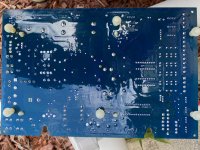
Credit: www.troublefreepool.com
The Role Of Sensors In Chlorinator Operation
Modern chlorinators use sensors to monitor key factors like salt level, temperature, and water flow. If a sensor malfunctions, it might incorrectly report high amps or salt, causing unnecessary shutoff. Cleaning sensor contacts and checking connections can solve many sensor-related errors.
Pro tip: If you replace a sensor, always recalibrate the system following your manual.
Dealing With Recurring High Salt Amps Errors
If the high salt amps warning keeps returning, consider these possibilities:
- Hidden salt sources: Maybe someone added salt without logging it, or you have a leak that concentrates salt.
- Cell nearing end of life: Older cells may struggle to maintain the right current.
- Controller issues: Sometimes the control board or software has a fault.
- Hard water scaling: In areas with hard tap water, scaling can build up quickly.
A pool technician can run advanced diagnostics if simple fixes do not work.
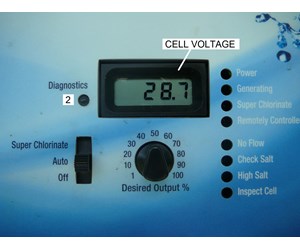
Credit: www.inyopools.com
Chlorinator Off High Salt Amps: Key Takeaways
- The “Chlorinator Off High Salt Amps” message is a protective shutoff to prevent system damage.
- The main causes are too much salt, scaled or dirty cell, or electrical/sensor issues.
- Regular testing and cleaning prevent most problems.
- Address errors quickly to avoid costly repairs or unsafe pool water.
- When in doubt, consult your chlorinator’s manual or call a professional.
For more technical details, you can check reputable resources like the Wikipedia entry on salt water chlorination.
Frequently Asked Questions
What Does “chlorinator Off High Salt Amps” Mean?
This message means your pool’s chlorinator has stopped working because the electrical current in the salt cell is too high, usually due to too much salt or a dirty cell. The system shuts off to protect itself from damage.
How Do I Lower The Salt Level In My Pool?
To lower salt, drain part of the pool water and refill with fresh water. Test the salt level again before adding more salt. Never try to “dilute” by just adding chemicals or waiting for rain.
Can I Use Table Salt In My Pool Chlorinator?
No. Only use pool-grade salt that is at least 99% pure sodium chloride and free from additives. Table salt contains anti-caking agents and sometimes iodine, which can damage your chlorinator.
How Often Should I Clean My Chlorinator Cell?
Most manufacturers recommend cleaning every 3–6 months, or more often if you have hard water or notice scaling. Regular cleaning helps prevent high amp errors and extends the life of your cell.
Is High Salt Dangerous For Swimmers?
High salt levels in pools are usually not dangerous for swimmers, but they can feel unpleasant and may irritate eyes or skin. The bigger risk is to your equipment—high salt can damage the chlorinator and shorten its life.
—
A “Chlorinator Off High Salt Amps” message does not have to ruin your pool season. With regular care, quick action, and the right knowledge, you can solve this issue and keep your pool sparkling clean and safe.