
Most people who cook rice regularly have wondered about this: you put raw rice and water into a rice cooker, press a button, and walk away. After some time, the cooker magically shuts off or switches to ‘keep warm,’ and your rice is perfectly cooked. But how do rice cookers know when to turn off? This small kitchen appliance seems simple, but the science and technology inside are more interesting than you might expect. Whether you use a basic model or a modern smart rice cooker, understanding how it works can make your cooking easier and even improve your results.
The Basic Principle: Cooking Rice With Precision
At the heart of every rice cooker is a simple goal: cook rice until it is ready, then stop heating so the rice does not burn or dry out. To do this, the cooker must detect exactly when the rice has absorbed all the water and is fully cooked. Unlike a stove, where you have to watch the pot, a rice cooker uses automatic controls to sense this moment.
The most common and traditional method involves temperature sensing. This is why rice cookers are so reliable and popular in homes, restaurants, and even offices around the world.
Key Components Of A Rice Cooker
To understand how a rice cooker knows when to turn off, let’s look at its main parts:
- Inner pot: Holds the rice and water.
- Heating plate: Provides the heat to cook the rice.
- Temperature sensor: Sits under the heating plate, touching the bottom of the inner pot.
- Control circuit: The ‘brain’ that makes decisions based on sensor readings.
- Switch or control panel: Lets you start or select programs.
These parts work together to cook rice automatically. The most important piece for timing is the temperature sensor. Let’s see how this process works step by step.
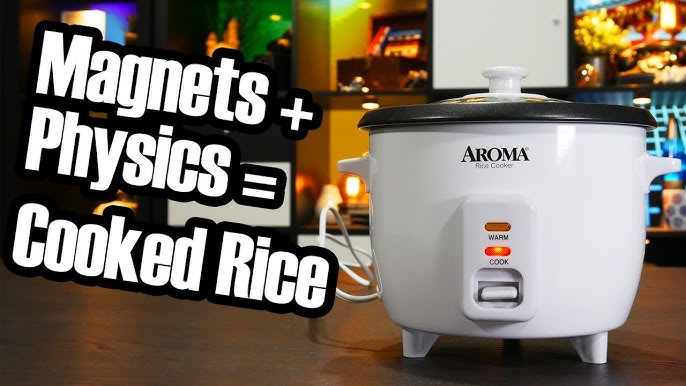
Credit: www.youtube.com
The Science Behind The Magic: Water, Heat, And Temperature
Cooking rice involves a simple but clever process. When you start a rice cooker, both rice and water are cold. The heating plate heats up the bottom of the inner pot. As the pot gets hot, so does the water inside. Water starts to boil at 100°C (212°F). During boiling, the temperature stays at this point, even as the rice absorbs water.
The temperature sensor under the pot is designed to detect this specific point. As long as there is free water in the pot, the temperature will not go above 100°C. But once all the water is absorbed into the rice or has evaporated, the temperature rises quickly above 100°C, because there is no more water to absorb the heat.
This sudden temperature rise tells the rice cooker that cooking is done. The control circuit responds by switching off the cooker or changing to ‘keep warm’ mode. This way, rice never burns and is always cooked just right.
Types Of Rice Cookers And Their Shut-off Mechanisms
Not all rice cookers are created equal. Over the years, many different models have appeared on the market, from simple mechanical cookers to advanced microcomputer (Micom) rice cookers and induction heating rice cookers. Each uses a slightly different method to know when to turn off, but most rely on the same basic principle.
Basic Mechanical Rice Cookers
These are the most common and affordable rice cookers. They use a simple bi-metallic thermostat under the heating plate. When the pot’s temperature rises above 100°C, the thermostat bends and triggers the switch to turn off or go to ‘keep warm.’ This design is reliable and has been used for decades.
Microcomputer-controlled Rice Cookers (micom)
Micom rice cookers use a microchip to control temperature and timing. They can cook different types of rice and grains by adjusting the heat profile. The microchip reads the temperature sensor and decides when to switch off, but the basic principle is still the same: detecting when water is gone by the sudden temperature increase.
Micom cookers may also have fuzzy logic, which means they can adjust cooking times and temperatures for better results if you use more or less rice or water.
Induction Heating (ih) Rice Cookers
These high-end models heat the entire pot using electromagnetic induction. The whole inner pot becomes the heat source, not just the bottom. This gives more even cooking. IH cookers measure the temperature very precisely and can make fine adjustments during cooking. They still use the water-absorption principle, but with more accuracy and often with extra sensors.
Comparison Of Shut-off Mechanisms
Here’s a quick look at the differences:
| Type | How It Detects “Done” | Features |
|---|---|---|
| Mechanical | Bi-metallic thermostat senses temperature rise above 100°C | Simple, durable, affordable |
| Micom | Microchip reads sensor, fuzzy logic adjusts timing | Multiple settings, better for different rice types |
| IH | Precise temperature sensors, induction heating control | Very even cooking, more control, high-end |
The Role Of The Temperature Sensor
The temperature sensor is the unsung hero inside every rice cooker. In basic models, it’s a small metal disc or button, often spring-loaded, that sits directly under the inner pot. In more advanced cookers, there may be several sensors in different locations.
When you start cooking, the sensor records the pot temperature. As the rice cooks, the temperature stays around 100°C because the water is boiling. The sensor keeps the heating plate on until the water is gone. At that moment, the temperature jumps. The sensor detects this, and the control circuit acts—either by turning off the heat or switching to ‘keep warm’.
Key Insight: Sensor Quality Matters
A high-quality sensor can notice even small temperature changes. This means better-cooked rice, fewer burned spots, and less sticking. Cheap sensors may respond slowly, causing overcooked or undercooked rice.
The Importance Of Water-to-rice Ratio
Rice cookers do not actually measure time or how much water you put in—they rely on the physical reaction of water boiling away. If you put too little water, the rice may not cook fully before the sensor detects a temperature rise. Too much water, and the rice will be mushy, or the cooker will take longer to turn off.
What Happens If You Get The Ratio Wrong?
- Too little water: The sensor will still turn off at the right temperature, but your rice will be undercooked.
- Too much water: The sensor waits longer, and you may get sticky or soggy rice.
This is why most rice cooker manuals give clear instructions on how much water to use for each cup of rice. Measuring is important, and some brands even include special cups and water lines inside the pot.
:max_bytes(150000):strip_icc()/sea-pressure-cookers-primary-nsimpson-59-6a0c8fce33fc41cf9cc55710bca76c4a.jpeg)
Credit: www.seriouseats.com
Special Features In Modern Rice Cookers
Today’s rice cookers can do much more than basic models. Many have settings for brown rice, sushi rice, porridge, or even baking cakes. How do these cookers know when to turn off for different foods?
Fuzzy Logic And Cooking Programs
Fuzzy logic is a technology that lets the cooker “think” like a human. The microchip reads the sensor and can adjust cooking time and temperature automatically. For example, it might heat slowly at first, then cook at higher temperatures, then hold at a lower temperature for steaming.
For foods like porridge, which have more water, the sensor expects the cooking process to take longer. The microchip uses a special program and turns off at the right moment for each food type.
Delay Timers And Keep-warm Functions
Some rice cookers let you set a timer to finish cooking at a certain time. The cooker waits, then starts at the right moment to finish on time. The ‘keep warm’ function uses the sensor to maintain a lower temperature so the rice stays ready to eat but does not overcook.
Common Myths About Rice Cookers
Many people think rice cookers are “smart” or can sense the exact doneness of rice. In reality, they do not taste, smell, or directly measure the rice. They rely only on temperature and water. If you put in the correct amount of rice and water, you get good results every time.
Some people believe you can cook any grain or food in a rice cooker. While possible, you must adjust the water ratio and be aware that the sensor only knows when the water is gone—not the food’s texture or doneness.
How Rice Cooker Technology Has Improved
Rice cookers have changed a lot since their invention in the 1950s. Early models were simple and mechanical. Modern cookers have microchips, induction heating, and even smartphone controls.
One big improvement is in sensor accuracy and cooking programs. Today’s cookers can handle a wider range of foods and rice types, thanks to better sensors and smarter software.
Timeline Of Rice Cooker Development
| Decade | Key Advancement | Impact |
|---|---|---|
| 1950s | Mechanical shut-off with thermostat | Automatic cooking, no watching needed |
| 1980s | Microcomputer (Micom) control | Multiple rice types, fuzzy logic |
| 2000s | Induction heating (IH) | Even heat, better results |
| 2010s-2020s | Internet connectivity, app control | Remote start, recipe integration |
What Happens Inside During Cooking
When you press ‘start’ on your rice cooker, a chain of events happens:
- The heating plate warms the inner pot.
- Water heats up and begins to boil.
- As water boils, rice absorbs moisture and cooks.
- The sensor under the pot constantly measures temperature.
- As long as water is present, temperature stays at 100°C (212°F).
- Once water is gone, temperature rises quickly.
- The sensor detects the rise and tells the control circuit.
- The cooker switches off or to ‘keep warm’.
This process is automatic and reliable, which is why rice cookers are used in millions of homes every day.
Practical Tips: Getting The Best Results From Your Rice Cooker
To make the most of your rice cooker and ensure it turns off at the right time:
- Measure rice and water carefully. Use the cup and markings in your cooker.
- Rinse rice before cooking to remove extra starch. This helps prevent sticking.
- Do not open the lid during cooking. This can let out steam and confuse the sensor.
- Let rice rest for 10-15 minutes after cooking. This gives better texture and flavor.
- Clean the sensor and pot bottom after each use. Dirt or residue can affect temperature reading.
Non-obvious Insight: Altitude Affects Cooking
If you live at a high altitude, water boils at a lower temperature. This can cause your rice cooker to turn off too soon, resulting in undercooked rice. If you notice this, add a little more water or let the rice sit longer on ‘keep warm’.
Non-obvious Insight: Different Grains, Different Behaviors
Rice cookers are designed for white rice, but you can cook other grains like quinoa or barley. However, these grains may need more water or different settings, and the sensor may not always detect the perfect moment. Check your manual or experiment in small batches.
How Smart Cookers Are Changing The Game
Some new rice cookers connect to your phone or home network. These models can download recipes or adjust cooking based on the type of rice you select. They still use temperature sensing, but combine it with cooking databases for better results.
For example, a smart rice cooker might suggest adding more water for sushi rice or less for long-grain rice. It can adjust cooking profiles for different humidity or climate conditions.
Rice Cooker Safety: How Shut-off Protects You
A rice cooker’s automatic shut-off is not just for perfect rice—it’s also a safety feature. By turning off or switching to ‘keep warm’ when water is gone, the cooker prevents burning, overheating, and even fire. This is why rice cookers are safe to use in homes, dorms, and offices.
Common Problems And Troubleshooting
Sometimes, rice cookers do not turn off at the right time. This can happen due to:
- Dirty sensor or pot bottom: Always keep them clean.
- Wrong water-to-rice ratio: Too much or too little water confuses the sensor.
- Damaged sensor: If your cooker keeps burning rice or never turns off, the sensor may be faulty.
- Lid not sealed: Steam escapes, causing early shut-off.
If your rice cooker often fails, try cleaning it thoroughly or contacting the manufacturer for repair.
How Other Appliances Compare
Rice cookers are not alone in using temperature sensors. Many other kitchen appliances, like slow cookers and electric kettles, use similar technology. For example, an electric kettle turns off when water boils, using the same temperature sensing method.
Here’s a quick comparison:
| Appliance | How It Knows When to Turn Off | Sensor Used |
|---|---|---|
| Rice Cooker | Temperature rises above boiling after water is absorbed | Thermistor or thermostat |
| Electric Kettle | Temperature reaches boiling point (100°C) | Bi-metallic strip or steam sensor |
| Slow Cooker | Timer or manual control, not automatic shut-off | Thermostat for safety |
Why Rice Cookers Are So Reliable
The secret is simplicity. By using the natural properties of water and temperature, rice cookers avoid complex sensors or guesswork. This makes them long-lasting and easy to use.
A well-maintained rice cooker can last 10 years or more. Many families use the same model for decades.

Credit: recipes.howstuffworks.com
The Future Of Rice Cooker Technology
Looking ahead, expect to see even smarter rice cookers. Some trends include:
- AI-powered cooking: Learning your preferences and adjusting programs.
- Voice control: Integration with smart home systems.
- Automatic rinsing and cleaning: Making the whole process hands-free.
But the basic science—detecting water’s boiling point—will likely remain at the core.
When Manual Control Is Better
While rice cookers are great for most people, some expert chefs prefer manual control. This lets them adjust timing, heat, and water more precisely for special dishes. However, for daily use, a rice cooker offers unbeatable convenience.
Frequently Asked Questions
How Does A Rice Cooker Sense The Rice Is Done?
A rice cooker uses a temperature sensor under the pot. As long as there is water, the temperature stays at boiling (100°C/212°F). Once the water is absorbed or evaporated, the temperature rises above this point. The sensor detects the rise and tells the cooker to turn off or switch to ‘keep warm.’
Can I Cook Other Grains Or Foods In A Rice Cooker?
Yes, but you must adjust the water-to-grain ratio. The sensor only detects when water is gone, not the doneness of the food. For some grains or recipes, you may need to experiment or use special settings if your cooker offers them.
Why Does My Rice Sometimes Come Out Undercooked Or Mushy?
This is usually caused by the wrong water-to-rice ratio. Too little water, the rice is undercooked; too much, it is mushy. Measuring carefully and following your cooker’s instructions will help.
Is It Safe To Leave A Rice Cooker On ‘keep Warm’ For Hours?
Most modern rice cookers are designed to safely keep rice warm for several hours. However, for best taste and texture, it is better to eat the rice within 1-2 hours. After this, rice may dry out or lose flavor.
Where Can I Learn More About Rice Cooker Technology?
For a deep dive into the history and technology of rice cookers, you can visit the Wikipedia Rice Cooker page for more details and resources.
Rice cookers have become an essential part of kitchens worldwide thanks to their simple yet effective way of cooking perfect rice every time. By understanding how they know when to turn off, you can get better results, avoid common mistakes, and even experiment with new recipes.
This small appliance is a blend of basic science and smart engineering—making your cooking life easier, meal after meal.