
Boiling food is one of the oldest and simplest cooking techniques, but when you use an Instant Pot, the process changes in ways that can surprise even experienced cooks. The Instant Pot isn’t just a modern pressure cooker; it’s a smart kitchen tool that makes boiling faster, safer, and more energy-efficient. If you’re new to using this popular appliance, or if you want to get better results, understanding how to boil in an Instant Pot can save you time and help you cook a wide range of foods—everything from eggs and pasta to potatoes and chicken.
Many people think the Instant Pot is only for pressure cooking stews or rice, but it’s also perfect for boiling. However, because it works differently from a stovetop pot, you need to know how to use its settings and features to get the best results.
This guide will take you through everything you need to know about boiling with your Instant Pot. You’ll learn step-by-step instructions, see how boiling in an Instant Pot compares to traditional boiling, and discover tips that even many Instant Pot owners don’t know.
Understanding The Instant Pot’s Boiling Function
The Instant Pot is a multi-cooker, which means it can work as a slow cooker, pressure cooker, rice cooker, and more. But when it comes to boiling, you have two main options:
1. Using The “sauté” Or “boil” Mode
The Sauté mode heats the bottom of the pot directly, just like a pan on the stove. Some Instant Pot models also have a Boil setting, which brings water to a rolling boil.
2. Using The Pressure Cook Mode
The Pressure Cook setting can bring liquid to a boil much faster because of the pressurized environment, but it’s not always the best for foods you want to keep whole, like pasta, or for gentle boiling.
It’s important to know which mode to use for your ingredient, because each works slightly differently. For example, boiling eggs under pressure gives different results from boiling them on Sauté mode.
Why Boil In An Instant Pot?
Boiling in an Instant Pot has several advantages:
- Speed: Water boils faster under pressure, so you can cook food in less time.
- Consistency: The appliance controls temperature and pressure automatically, giving you repeatable results.
- Safety: The lid locks in place, reducing the risk of hot spills and splashes.
- Energy Efficiency: Instant Pots use less energy than boiling on the stove.
For example, boiling potatoes takes about 30 minutes on the stove, but only 8–10 minutes in an Instant Pot. This is a real time-saver, especially if you cook for a family.
Credit: www.eatyourselfskinny.com
What Foods Can You Boil In An Instant Pot?
The Instant Pot is very flexible. You can boil almost anything you would cook in water on the stove, such as:
- Eggs
- Pasta
- Rice
- Potatoes
- Vegetables (corn, carrots, green beans)
- Chicken
- Beans and lentils
- Soup and broth
Each food needs a slightly different approach, so in the sections below, you’ll find specific instructions and tips for each.
Basic Steps: How To Boil In Instant Pot
Boiling in an Instant Pot is straightforward, but there are some key steps to follow for success:
1. Add Water And Food
Place the food you want to boil inside the stainless steel inner pot. Add enough water to cover the food or reach the recommended level.
2. Choose The Right Setting
For quick boiling (like pasta or vegetables), use the Sauté or Boil mode. For hard foods that benefit from high pressure (like beans or potatoes), use Pressure Cook.
3. Set The Time
Use the + and – buttons to set the cooking time. For Sauté or Boil mode, you’ll need to watch the pot since it doesn’t turn off automatically.
4. Cover Or Leave Open
For Sauté or Boil, you can leave the lid off, but for Pressure Cook, always close the lid and set the valve to Sealing.
5. Start Cooking
Press Start and let the Instant Pot do its work.
6. Release Pressure (if Needed)
For Pressure Cook, you must release pressure before opening the lid. You can use Quick Release (turn the valve carefully) or Natural Release (let the pressure drop by itself).
7. Check For Doneness
Always check your food after cooking. Some foods may need a few more minutes.
Example: Boiling Eggs In Instant Pot
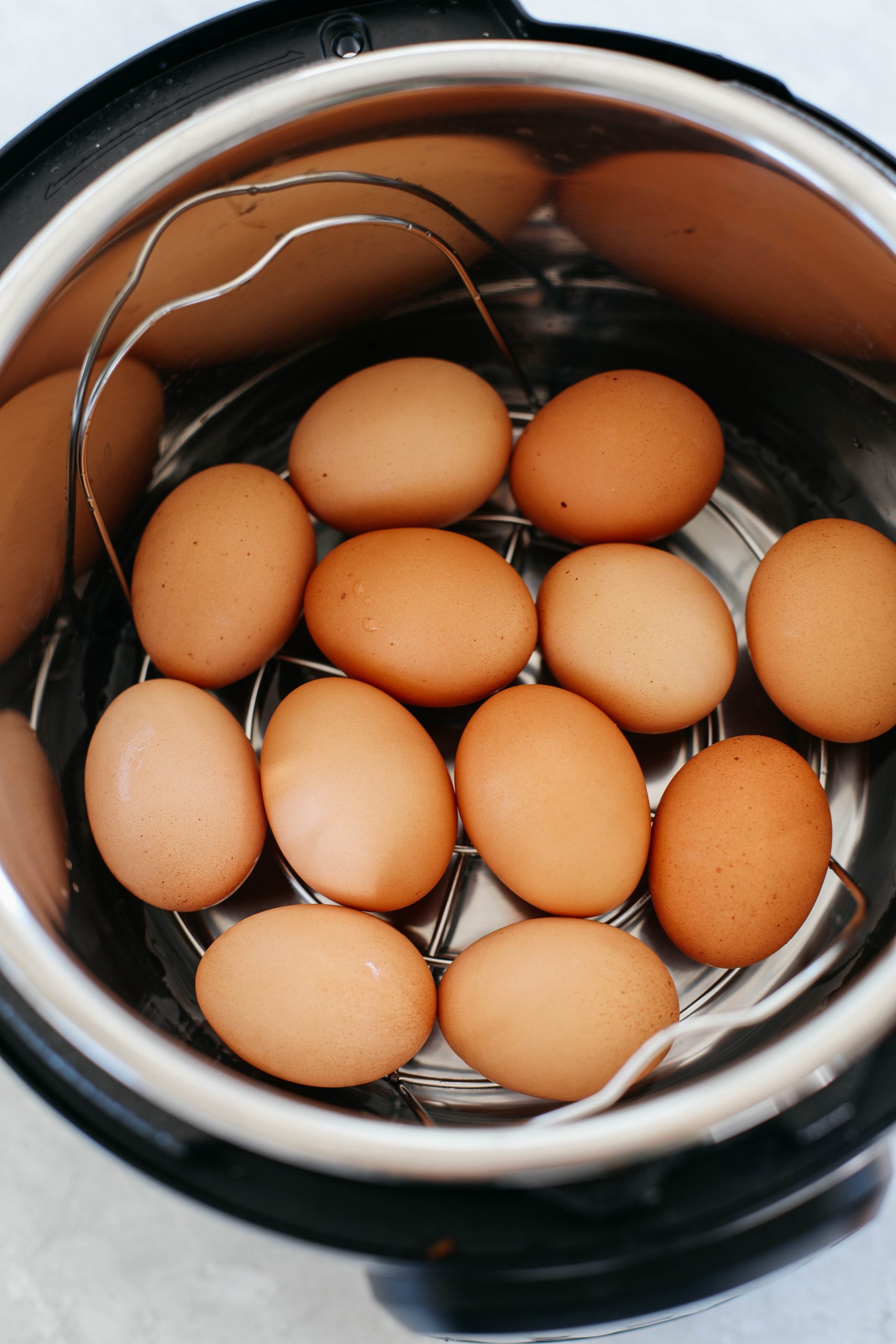
- Place a steamer rack in the inner pot.
- Add 1 cup of water.
- Place eggs on the rack.
- Close the lid and set Pressure Cook for 5 minutes.
- When done, do a Quick Release and place eggs in ice water.
This method gives perfectly cooked, easy-to-peel eggs every time.
How Boiling In Instant Pot Differs From Stovetop Boiling
The main differences are pressure and temperature control. On the stove, water boils at 100°C (212°F), but in an Instant Pot under pressure, it can get much hotter—up to 120°C (248°F). This means food cooks faster.
Here’s a quick comparison:
| Feature | Stovetop Boiling | Instant Pot Boiling |
|---|---|---|
| Boiling Point | 100°C (212°F) | Up to 120°C (248°F) under pressure |
| Cooking Speed | Slower | Faster |
| Energy Use | Higher | Lower |
| Supervision Needed | More (must watch for boil-over) | Less (automatic shut-off) |
This higher temperature is why beans, potatoes, and meats cook so quickly in an Instant Pot.
Detailed Guide For Boiling Common Foods
Let’s look at how to boil different foods in the Instant Pot, with tips, timing, and examples.
Boiling Eggs
Instant Pots make boiled eggs fast and simple.
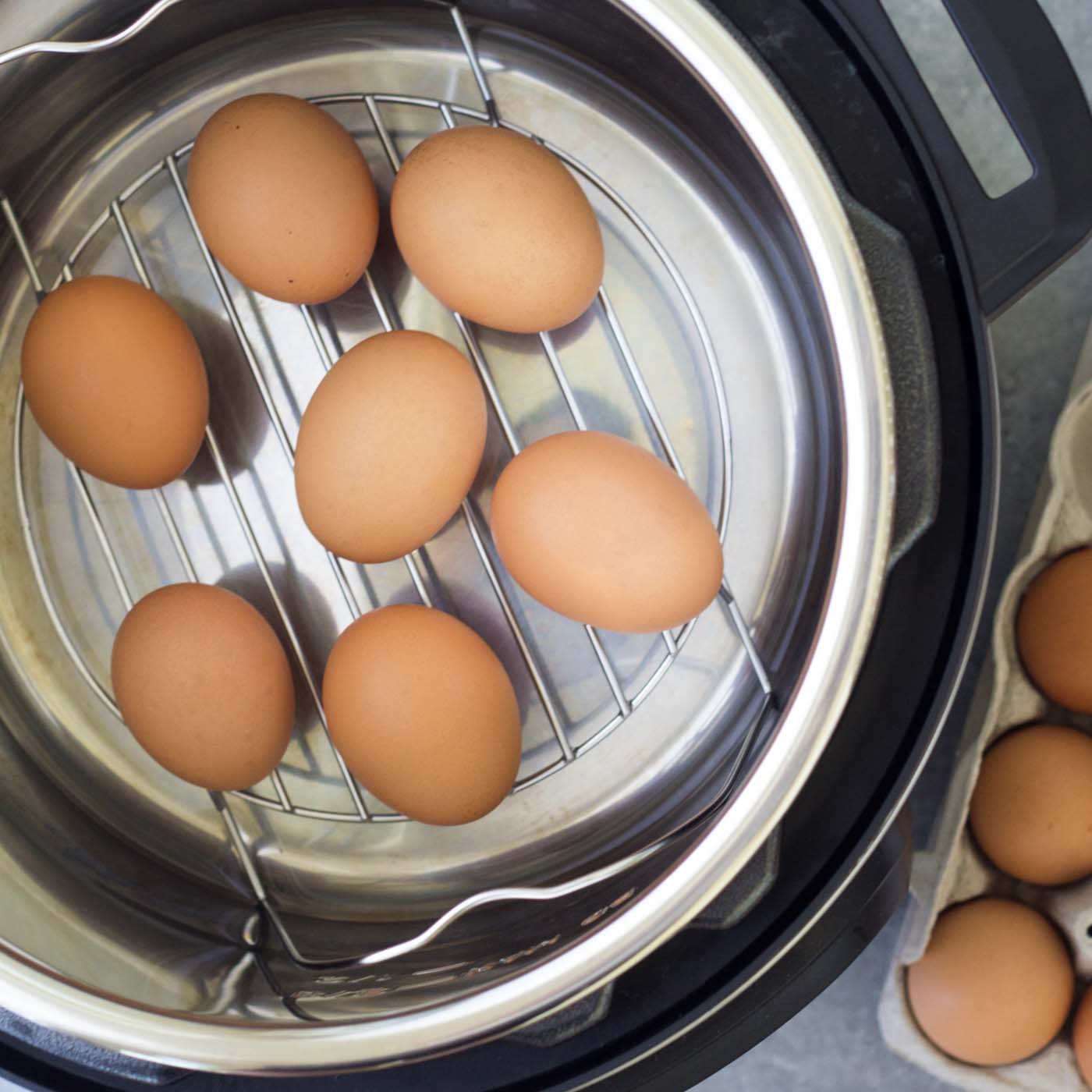
- Add 1 cup water to the pot.
- Place eggs on a trivet or steamer basket.
- Close the lid. Set to Pressure Cook for 5 minutes (medium eggs) or 6 minutes (large eggs).
- Quick Release and move eggs to ice water.
Tip: Older eggs peel easier than fresh eggs. For soft-boiled eggs, try 3 minutes.
Boiling Pasta
Boiling pasta in the Instant Pot is possible, but you need to pay attention to timing.
- Add pasta and enough water to cover by 1 inch.
- Add a pinch of salt and a few drops of oil (to prevent sticking).
- Use Sauté or Pressure Cook (set for half the stovetop time, minus 1 minute).
- Quick Release when done.
Insight: Pasta can foam and clog the vent. Add 1 teaspoon of oil to reduce foam, and do not fill the pot more than halfway with water and pasta.
Boiling Rice
Rice doesn’t technically boil, but cooks in water absorption. The Instant Pot makes this very easy.
- Rinse rice well.
- Use a 1: 1 ratio of rice to water for white rice (1.25:1 for brown rice).
- Set to Rice or Pressure Cook for 4 minutes (white rice) or 20 minutes (brown rice).
- Natural Release for 10 minutes.
Extra tip: For fluffy rice, let the rice sit for 5 minutes after opening the pot before fluffing with a fork.
Boiling Potatoes
For boiled potatoes, Instant Pot is a real time-saver.
- Add 1–2 cups water.
- Place potatoes on trivet or directly in water (peeled or unpeeled).
- Pressure Cook: 8 minutes (small/medium), 12 minutes (large).
- Quick Release.
Practical advice: For potato salad, cut potatoes into chunks and reduce cooking time by 2–3 minutes.
Boiling Vegetables
Vegetables cook quickly and keep more color and nutrients in the Instant Pot.
- Add 1 cup water.
- Use a steamer basket for best results.
- Pressure Cook: 2 minutes (green beans), 3 minutes (carrots), 4 minutes (corn on the cob).
- Quick Release.
Beginner mistake: Overcooking! Use short times, as veggies cook much faster under pressure.
Boiling Chicken
You can make boiled chicken for salads or soups easily.
- Add chicken pieces and enough water to cover.
- Add salt, pepper, and aromatics if desired.
- Pressure Cook: 10 minutes (boneless), 15 minutes (bone-in).
- Quick Release or Natural Release for juicier meat.
Extra insight: For shredded chicken, let it rest in the hot water for 5 minutes after cooking.
Boiling Beans And Lentils
Dried beans cook much faster in an Instant Pot—no soaking needed.
- Rinse beans or lentils.
- Add to pot with 3 cups water per cup of beans.
- Pressure Cook: 25 minutes (beans), 10 minutes (lentils).
- Natural Release.
Pro tip: Add 1 tablespoon of oil to prevent foaming.
Boiling Soup And Broth
For flavorful soup or broth, Instant Pot is ideal.
- Add meat, bones, vegetables, and water (do not overfill).
- Pressure Cook: 30–45 minutes.
- Natural Release.
Secret: Using pressure extracts more flavor and nutrients than stovetop boiling.
Advanced Tips For Boiling In Instant Pot
To get perfect results, keep these advanced techniques in mind:
- Don’t Overfill: Never fill past the “Max” line (usually 2/3 full, or 1/2 for beans/rice).
- Use Natural Release for Starchy Foods: This prevents hot foam from spraying out.
- Add Acid for Beans: Add a splash of vinegar or lemon after cooking; adding acid before can make beans tough.
- Deglaze: After sautéing, add a little water and scrape the pot to prevent the “Burn” warning.
Common Mistakes To Avoid
Many new Instant Pot owners make these errors:
- Forgetting the Seal: If the silicone ring isn’t in place, pressure won’t build.
- Using Too Little Water: Always add at least 1 cup water or the food may burn.
- Quick Release with Foamy Foods: Beans, pasta, and grains can foam up and block the vent.
- Not Checking Doneness: Times can vary by ingredient size and model; check and add a minute if needed.
- Opening the Lid Too Soon: For pressure cook mode, never force the lid; wait for pressure to drop.
How Much Water To Use: Quick Reference
If you’re not sure how much water to use, here’s a helpful guide:
| Food | Water Needed | Notes |
|---|---|---|
| Eggs | 1 cup | Use trivet/steamer |
| Pasta | Cover by 1 inch | Add oil to prevent foam |
| Rice | 1:1 ratio | White rice |
| Potatoes | 1–2 cups | Depends on size |
| Vegetables | 1 cup | Steamer basket recommended |
| Beans | 3 cups per 1 cup beans | No soaking needed |
| Chicken | Cover fully | Boneless or bone-in |
Safety Tips For Boiling In Instant Pot
Safety is one of the best features of the Instant Pot, but you should always:
- Check the Pressure Valve: Make sure it’s set to Sealing before pressure cooking.
- Keep Hands and Face Away: When releasing pressure, stand back from the vent.
- Use Proper Amounts: Never overfill, especially with beans or grains.
- Clean the Silicone Ring: It can hold odors and affect taste.
Credit: kristineskitchenblog.com
Real-life Examples
Making Potato Salad:
Boil whole potatoes for 10 minutes at high pressure, Quick Release, peel and chop. Eggs can be cooked at the same time on a steamer basket above the potatoes—saving time and dishes.
Weeknight Pasta:
Add dry pasta, water, salt, and a little oil. Pressure Cook for 4 minutes, Quick Release, stir in sauce and serve.
Meal Prep Chicken:
Boil several chicken breasts with aromatics, shred after cooking, and use for salads or sandwiches all week.
Cleaning And Maintenance After Boiling
After boiling, clean your Instant Pot to keep it working well:
- Remove the inner pot and wash with warm, soapy water.
- Clean the lid and silicone ring separately. The ring can go in the dishwasher.
- Check the steam release valve for any food bits.
- Wipe the outside with a damp cloth.
Non-obvious tip: If you boiled something with a strong smell (like eggs or beans), steam a lemon slice in 1 cup of water for 2 minutes to freshen the pot.
How To Boil Without Overcooking
It’s easy to overcook in the Instant Pot because of the higher temperature and pressure. Here’s how to prevent that:
- Use the right timing: Check the recommended times for each food.
- Quick Release for most vegetables and pasta: This stops cooking immediately.
- Natural Release for meats and beans: Keeps texture and prevents foam.
- Cut even pieces: For potatoes or carrots, cut to similar size so everything cooks evenly.
Comparing Instant Pot Models For Boiling
Not all Instant Pots are the same. Some have special settings for boiling or soup, while basic models use Sauté and Pressure Cook only.
| Model | Boil Function | Pressure Cook | Soup/Broth Preset |
|---|---|---|---|
| Instant Pot Duo | Sauté | Yes | Yes |
| Instant Pot Lux | Sauté | Yes | No |
| Instant Pot Ultra | Boil Preset | Yes | Yes |
| Instant Pot Duo Evo Plus | Boil Preset | Yes | Yes |
Advice: Choose a model with a Boil or Soup preset if you boil food often.

Credit: www.youtube.com
Boiling For Special Diets
If you follow a special diet (like gluten-free or vegan), the Instant Pot is helpful because you can:
- Avoid cross-contamination (clean easily between uses)
- Cook beans, lentils, and grains quickly for plant-based meals
- Boil gluten-free pasta with perfect consistency
Important tip: Always check ingredient labels for hidden gluten or allergens.
Troubleshooting: If Boiling Goes Wrong
If you have trouble boiling in your Instant Pot, here’s what to do:
- Food not cooked: Add 1/2 cup more water and cook for 1–2 more minutes.
- Food mushy: Reduce cooking time next time, or use Quick Release.
- Water not boiling: Check the lid is closed, valve is set, and enough water is inside.
- Foam leaking from valve: Use Natural Release, add oil, and never overfill.
- Burn warning: Add more water and make sure nothing is stuck to the bottom.
Environmental Benefits Of Boiling In Instant Pot
Boiling with an Instant Pot uses less energy than a gas or electric stove. It also reduces kitchen heat, making it better for hot climates. Because it cooks faster, you use less electricity overall, which is better for the environment.
According to the U.S. Department of Energy, pressure cookers can use up to 70% less energy compared to standard cooking methods. This makes the Instant Pot a good choice for eco-friendly kitchens. For more about energy-efficient cooking, you can visit the Wikipedia page on pressure cooking.
Frequently Asked Questions
How Much Water Do I Need To Boil In The Instant Pot?
Most foods need at least 1 cup of water to create steam and pressure. For pasta, cover by 1 inch. For beans, use 3 cups water per cup of beans. Always check your Instant Pot manual for your specific model.
Can I Boil Without Using The Pressure Cook Setting?
Yes, you can use the Sauté or Boil mode for foods like pasta or vegetables. This works like boiling on the stove. Pressure Cook is better for foods that take longer or need to be very soft.
Why Does My Instant Pot Foam Or Spray When I Release The Pressure?
Foods like pasta, beans, and rice can create foam. To prevent spraying, add a teaspoon of oil, do not overfill, and use Natural Release for starchy foods.
Is It Safe To Boil Milk Or Dairy In The Instant Pot?
Boiling milk directly can cause it to scorch or foam. If you must, use the Sauté setting, stir often, and do not use pressure. For yogurt, always follow your Instant Pot’s specific instructions.
Can I Boil Multiple Foods At Once In The Instant Pot?
Yes, you can use a steamer basket or trivet to separate foods. For example, boil potatoes on the bottom and eggs on the rack above. Just make sure both foods need about the same cooking time.
Boiling in the Instant Pot makes everyday cooking faster, safer, and more reliable. Whether you’re meal-prepping for the week or making dinner in a hurry, mastering these techniques will help you get the most from your appliance. With practice, you’ll find boiling in the Instant Pot is one of the simplest ways to cook healthy, tasty meals—using less time and energy than you ever thought possible.