
Many home cooks and grill fans use meat thermometers to make sure their food is safe and tastes great. But not all thermometers are made to handle the high, dry heat inside an oven. If you use the wrong kind, it can give you wrong readings, break, or even become dangerous.
So, how do you know if your meat thermometer is oven safe? This guide will help you understand the signs, test your device, and use it correctly for the best cooking results.
Why Oven-safe Thermometers Matter
Cooking meat to the right temperature is not just about taste—it’s about safety. Bacteria like Salmonella and E. coli can live in undercooked meat. The USDA recommends cooking poultry to at least 165°F (74°C) and beef steaks to at least 145°F (63°C). To check this, you need a reliable thermometer. If your thermometer is not oven safe, it might melt or give a wrong temperature, risking your health and meal.
Many cooks are surprised to learn that not all meat thermometers can go in the oven. Some are only for quick checks, while others can stay with the meat as it cooks. Using the wrong type can ruin a meal and even your thermometer.
Learning to tell the difference can save you money and stress.
Types Of Meat Thermometers
Understanding the different types of meat thermometers is the first step in knowing if yours is oven safe. Each type has its own design and use.
1. Dial Oven-safe (bimetallic-coil) Thermometers
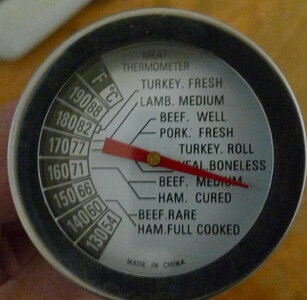
These are often called leave-in thermometers. You insert them into the meat before it goes into the oven, and they stay there during cooking. They use a coil inside that reacts to heat and moves a dial. The dial shows the temperature. These are made to handle oven heat.
2. Digital Probe Thermometers
This type has a metal probe connected to a digital display, often by a heat-resistant wire. The probe goes in the meat, and the display stays outside the oven. Many have alarms that beep when your meat reaches the set temperature. The probe and wire are oven safe, but the display unit is not.
3. Instant-read Thermometers
These can be digital or dial style. You insert them into the meat briefly to check the temperature. They give a quick reading, but are not made to stay in the oven. Leaving them in can damage the thermometer or melt plastic parts.
4. Oven Thermometers
Not for meat, but for checking oven air temperature. They are usually all-metal and sit on or hang from a rack. They are always oven safe but do not measure meat temperature.
5. Wireless Meat Thermometers
These use Bluetooth or Wi-Fi to send readings to your phone or a remote unit. The probe goes in the meat, and electronics are either built into the probe or housed outside the oven.
Non-obvious insight: Some digital wireless thermometers have electronic parts inside the probe. If these are not rated for high heat, they can break, even if they look tough.
How To Identify An Oven-safe Meat Thermometer
So, how do you know if your meat thermometer can go in the oven? Here are ways to check:
Check The Packaging Or Label
Most oven-safe thermometers will clearly say “oven safe” or “leave-in” on the box, label, or instructions. If your thermometer came in packaging, look for these words. If you bought it online, check the product description.
Look For Material And Build
Oven-safe thermometers are usually all metal, with no plastic on the probe or dial. The glass on the dial is made to handle heat. Instant-read thermometers often have plastic near the dial or on the handle, which can melt.
Inspect The Temperature Range
Read the markings on your thermometer. Many oven-safe thermometers will show higher temperature ranges—up to 500°F (260°C) or more. If yours only goes to 220°F (104°C), it is probably not oven safe.
Search For Oven Symbols Or Certifications
Some thermometers have an oven symbol or a certification stamp (like NSF or FDA approved). These show the thermometer is made for oven use.
Check For Removable Parts
If your thermometer has a digital display with a cord, check if the display is meant to stay outside the oven. Only the probe and wire should be inside.
Non-obvious insight: If the stem of your thermometer is very thin and attached to a large plastic handle, it is almost never oven safe.
Testing Your Meat Thermometer For Oven Safety
If you are not sure, there are some ways to test your thermometer. But remember, testing can risk damaging it if it is not oven safe.
The Manufacturer’s Website
The safest way is to check the maker’s website. Search for your model number and see what the company says. Many brands have PDF manuals online.
Heat Test In A Low Oven
- Preheat your oven to a moderate temperature (like 350°F or 175°C).
- Place your thermometer on a baking sheet.
- Leave it for 15-20 minutes.
- Check for melting, fogging, or warping. If the display or handle is damaged, it is not oven safe.
Boiling Water Test
- Boil a pot of water.
- Submerge the thermometer’s probe (not the whole device if it’s digital).
- If the thermometer is damaged or stops working, it is not heat safe.
Practical note: If your thermometer does not survive these tests, it was not oven safe to begin with. Always test with a cheap thermometer first.
Common Signs Your Thermometer Is Not Oven Safe
Spotting a non-oven-safe thermometer can save you from melted tools and wrong temperatures. Watch out for these red flags:
- Plastic parts near the probe or display
- A digital display attached directly to the probe without a heat-resistant cord
- Wording like “instant-read only” or “do not leave in oven”
- Thin, pen-shaped design (common with instant-read types)
- No temperature rating above 220°F (104°C)
- Battery housing near the probe
If your thermometer matches any of these, do not put it in the oven.
How To Use An Oven-safe Meat Thermometer
If you have an oven-safe model, using it the right way gives the best and safest results.
Placement In Meat
Insert the thermometer into the thickest part of the meat, away from bone or fat. This gives the most accurate reading. For whole poultry, aim for the inner thigh.
Leave-in Or Check?
Leave-in thermometers stay in the meat during cooking. Check readings through the oven door if possible to avoid losing heat. Instant-read thermometers should be used at the end of cooking, not left in.
Reading The Temperature
For dial types, allow a few minutes for the needle to stabilize. For digital probe thermometers, watch the display. Many have alarms you can set for your target temperature.
Cleaning After Use
Wash the probe with hot, soapy water. Do not put the entire thermometer in the dishwasher unless the instructions say it is safe.
Avoiding Common Mistakes
- Do not put the display unit of a digital thermometer in the oven.
- Do not expose your thermometer to broiler heat or direct flame.
- Do not force the probe into frozen meat; it can bend or break.
Non-obvious tip: If your oven has a self-clean cycle, never leave any type of thermometer inside—it will be destroyed by the extreme heat.
Comparing Meat Thermometer Types
Knowing the main differences can help you choose the right thermometer for oven use. Here is a simple comparison:
| Type | Oven Safe? | Features | Common Uses |
|---|---|---|---|
| Dial Oven-Safe | Yes | All metal, leave-in | Roasts, whole chickens |
| Digital Probe | Probe only | Heat-proof wire, digital display outside oven | Roasts, BBQ, smoker |
| Instant-Read | No | Quick reading, plastic handle | Steaks, burgers, after cooking |
| Oven Thermometer | Yes | All metal, measures oven air temp | Oven calibration |
| Wireless Meat Thermometer | Probe only (check specs) | Bluetooth/Wi-Fi, some electronics inside probe | Grilling, roasting |
The Dangers Of Using A Non-oven-safe Thermometer
There are real risks if you use the wrong thermometer in the oven:
- Melted parts can drip into food and ruin your meal
- Broken glass can fall into meat
- Wrong temperature readings can cause undercooked or overcooked food
- Battery leaks from non-oven-safe digital models can be hazardous
These risks are easy to avoid by checking your thermometer before use.
What To Do If You Don’t Have An Oven-safe Thermometer
If you only have an instant-read thermometer, you can still check meat safely:
- Take the meat out of the oven near the expected done time.
- Insert the thermometer into the thickest part.
- If it is not done, return the meat to the oven.
- Repeat as needed, but do not leave the thermometer in while cooking.
This method takes more time but keeps your thermometer and food safe.
How To Calibrate Your Meat Thermometer
Even oven-safe thermometers need calibration to ensure accuracy. A thermometer that is off by even a few degrees can mean the difference between juicy and dry meat, or safe and unsafe food.
Ice Water Method
- Fill a glass with ice and water.
- Insert the thermometer probe into the ice water.
- It should read 32°F (0°C).
- If not, adjust the calibration nut (on dial types) or note the difference.
Boiling Water Method
- Boil water in a pot.
- Insert the thermometer probe.
- It should read 212°F (100°C) at sea level.
- Adjust if needed or remember the offset.
Pro tip: Altitude affects boiling point. At higher elevations, water boils at a lower temperature.
Popular Oven-safe Meat Thermometer Brands
Some brands are known for reliable oven-safe thermometers. Here are a few:
- ThermoWorks (Thermapen, DOT)
- Taylor
- Polder
- CDN
- Maverick
- Weber
Always check the model details, as each brand makes both oven-safe and instant-read types.
Reading And Understanding Temperature Ratings
When looking at thermometers, you may see specs like “heat resistant to 500°F” or “oven safe to 400°F”. These numbers are important. Always use a thermometer that can handle at least the highest temperature you plan to cook at.
If you often use the broiler or bake bread at high heat, look for the highest rating possible.
Credit: www.smokingmeatforums.com
Oven-safe Thermometer Use In Different Cooking Methods
How you use an oven-safe thermometer changes with different cooking methods:
Roasting
Insert the thermometer before cooking starts. Check often near the end of cooking.
Smoking
Use a digital probe thermometer with a long cord. Place the probe through the smoke vent or a hole in the smoker.
Grilling
Most oven-safe thermometers can handle covered grilling. Be careful with direct flames, as even metal parts can get too hot.
Sous Vide
Not needed, as the water bath is controlled. Use an instant-read thermometer to check meat after cooking.
Hidden tip: For rotisserie cooking, use a wireless probe thermometer. Wired probes can tangle.
How To Care For Your Oven-safe Meat Thermometer
Proper care keeps your thermometer working and accurate.
- Hand wash the probe after use.
- Avoid soaking the dial or digital display.
- Store in a dry place.
- Check calibration every few months.
If your thermometer starts to fog up, the seal may be broken. Replace it to avoid bacteria buildup.

Credit: chatelaine.com
When To Replace Your Meat Thermometer
All thermometers wear out over time. Replace your thermometer if:
- The readings are inconsistent
- The dial fogs or fills with moisture
- The probe is bent or damaged
- The digital display fails
A faulty thermometer is worse than none at all.
Example: Using An Oven-safe Thermometer For Roast Chicken
Let’s walk through a real example:
- Preheat oven to 375°F (190°C).
- Insert an oven-safe dial thermometer into the thickest part of the chicken thigh, avoiding bone.
- Place chicken in oven with thermometer inside.
- Roast until the thermometer reads 165°F (74°C).
- Remove from oven, rest chicken, then clean thermometer.
This method gives safe, juicy results every time.

Credit: www.youtube.com
Table: Oven-safe Vs Instant-read Thermometer Features
Here’s a quick side-by-side look:
| Feature | Oven-Safe Thermometer | Instant-Read Thermometer |
|---|---|---|
| Leave in meat during cooking | Yes | No |
| Plastic parts near probe | Rare | Common |
| Digital display in oven | Only with heat-proof cord | No |
| Speed of reading | Slower (dial), Fast (digital probe) | Very fast (2-5 sec) |
| Best for | Roasts, whole birds, long cooking | Steaks, burgers, spot checks |
Myths About Oven-safe Thermometers
Many cooks believe these common myths:
- All metal thermometers are oven safe: Some metal parts can still have plastic seals or be damaged by high heat.
- Digital means oven safe: Most digital thermometers are instant-read and not for oven use, unless they have a separate probe and display.
- Oven-safe means broiler-safe: Broiler heat is much higher; even oven-safe thermometers may fail under direct flame.
- Any thermometer can go in a smoker: Some smoker temps are low, but smoke can damage electronics if not rated for it.
Knowing the truth helps you cook safer and smarter.
What To Do If Your Thermometer Breaks In The Oven
If your thermometer melts or breaks while cooking, act quickly:
- Remove the food and broken pieces.
- Discard any food touched by melted plastic, leaking batteries, or broken glass.
- Clean the oven thoroughly.
- Do not use the thermometer again.
Safety comes first—never risk your health over a meal.
Where To Buy Reliable Oven-safe Thermometers
You can find good thermometers at kitchen stores, big retailers, or online. Always read the product specs and reviews. For trusted advice, check resources like the Consumer Reports Buying Guide.
Table: Common Temperature Guidelines For Safe Meat Cooking
Refer to these minimum safe internal temperatures:
| Meat Type | Minimum Safe Temp (°F) | Minimum Safe Temp (°C) |
|---|---|---|
| Poultry (whole or ground) | 165 | 74 |
| Beef, Veal, Lamb (steaks, roasts) | 145 | 63 |
| Pork (all cuts) | 145 | 63 |
| Ground Meats (except poultry) | 160 | 71 |
| Fish | 145 | 63 |
Always use an oven-safe thermometer to verify these temperatures, not just guesswork.
How To Store Your Oven-safe Thermometer
Proper storage prevents damage and keeps your thermometer accurate.
- Store in a protective sleeve if provided.
- Keep away from moisture.
- Do not store near stove or oven to avoid heat damage.
- For digital types, remove batteries if not used often.
Well-kept thermometers last longer and stay accurate.
Frequently Asked Questions
Can I Leave My Digital Meat Thermometer In The Oven?
Most digital thermometers are not oven safe unless they have a detachable probe with a heat-proof cord. Only the probe and cord can go in the oven, not the digital display.
Is It Safe To Use A Meat Thermometer With Plastic Parts In The Oven?
No, thermometers with plastic parts near the probe are not oven safe. The plastic can melt or deform, causing incorrect readings and possibly contaminating your food.
How Do I Know If My Thermometer Is Reading Accurately?
Test your thermometer in ice water (should read 32°F/0°C) and boiling water (should read 212°F/100°C at sea level). Adjust or replace if the readings are off.
What Happens If I Use An Instant-read Thermometer In The Oven?
Instant-read thermometers are not made for oven use. The plastic handle or electronics can melt or break, and the thermometer may stop working or give wrong readings.
Can I Use My Oven-safe Thermometer On The Grill?
Most oven-safe thermometers can be used on covered grills, but avoid direct contact with flames or very high heat, which can damage any thermometer.
Final Thoughts
Choosing and using the right meat thermometer is key to safe, tasty meals. Not all thermometers are oven safe, and using the wrong one can be a costly mistake. Check your thermometer’s label, build, and specs before putting it in the oven.
With the right tools and care, you can cook with confidence, knowing your food is both delicious and safe for everyone at the table.