
Broiling a hamburger in the oven is a smart way to enjoy a tasty burger without needing a grill. Whether the weather outside is bad or you just want a quick meal, your oven’s broiler can give you a delicious, juicy hamburger with that classic charred flavor.
But getting it right takes more than just putting meat under heat—you need to know about meat selection, preparation, timing, and some insider tips to make your burgers unforgettable.
People often think broiling is complicated, but it’s really about understanding a few simple steps. In this guide, you’ll discover how to broil a hamburger in the oven from start to finish. You’ll learn how to choose the best beef, shape your patties, season them for the most flavor, and use your broiler safely.
You’ll also get tips for perfect doneness, ways to avoid common mistakes, and even how to toast your buns for that final touch.
Let’s unlock the secrets to making juicy, flavorful hamburgers in your oven, so you can enjoy great taste any time of year—no grill required.
Why Broil Hamburgers Instead Of Grilling?
Grilling is popular, but broiling offers unique advantages that often go unnoticed. When you broil, the heat comes from above, closely mimicking the effect of an outdoor grill. This method gives the burgers a nicely browned, slightly crispy exterior while keeping the inside juicy.
Broiling is also cleaner. You avoid flare-ups, dripping grease onto coals, or running out of propane. This method is great for apartment dwellers or anyone without access to outdoor space. Plus, you can control the temperature more easily and cook burgers year-round, regardless of the weather.
Choosing The Best Ground Beef For Broiling
The type of ground beef you use dramatically affects your burger’s texture and taste. Not all ground beef is the same. For a classic, juicy burger, look for 80/20 ground beef—this means 80% lean meat and 20% fat. That fat content is important because it keeps your burger moist and flavorful under high heat.
If you want a leaner option, you can try 85/15 or 90/10, but expect a slightly drier texture. Some stores offer ground chuck, ground sirloin, or ground round. Ground chuck is often considered the best for burgers because it has the right balance of flavor and fat.
Here’s a simple comparison of common ground beef types for burgers:
| Type | Fat Content | Texture | Flavor |
|---|---|---|---|
| Ground Chuck | 80/20 | Juicy, tender | Rich, beefy |
| Ground Sirloin | 85/15 | Medium, less juicy | Mild, clean |
| Ground Round | 90/10 | Firm, lean | Light, less flavor |
Remember, using very lean beef increases the risk of a dry burger, especially when broiling, so don’t skip the fat unless you have dietary restrictions.
Preparing Hamburger Patties For Broiling
Shaping and seasoning your patties is just as important as the cooking method. Here’s how to do it right:
- Divide the meat: For standard burgers, use 4-6 ounces of ground beef per patty. Use a kitchen scale for accuracy.
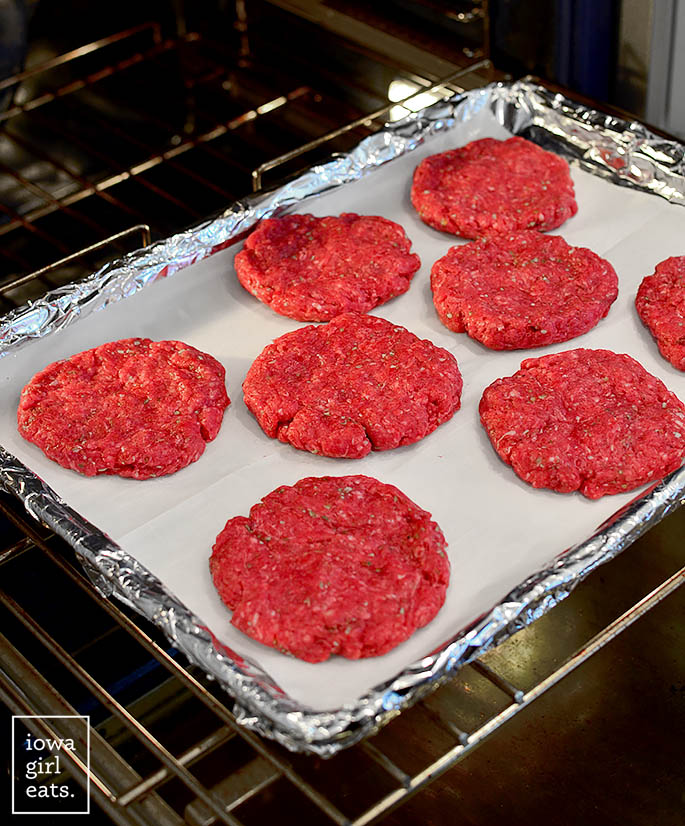
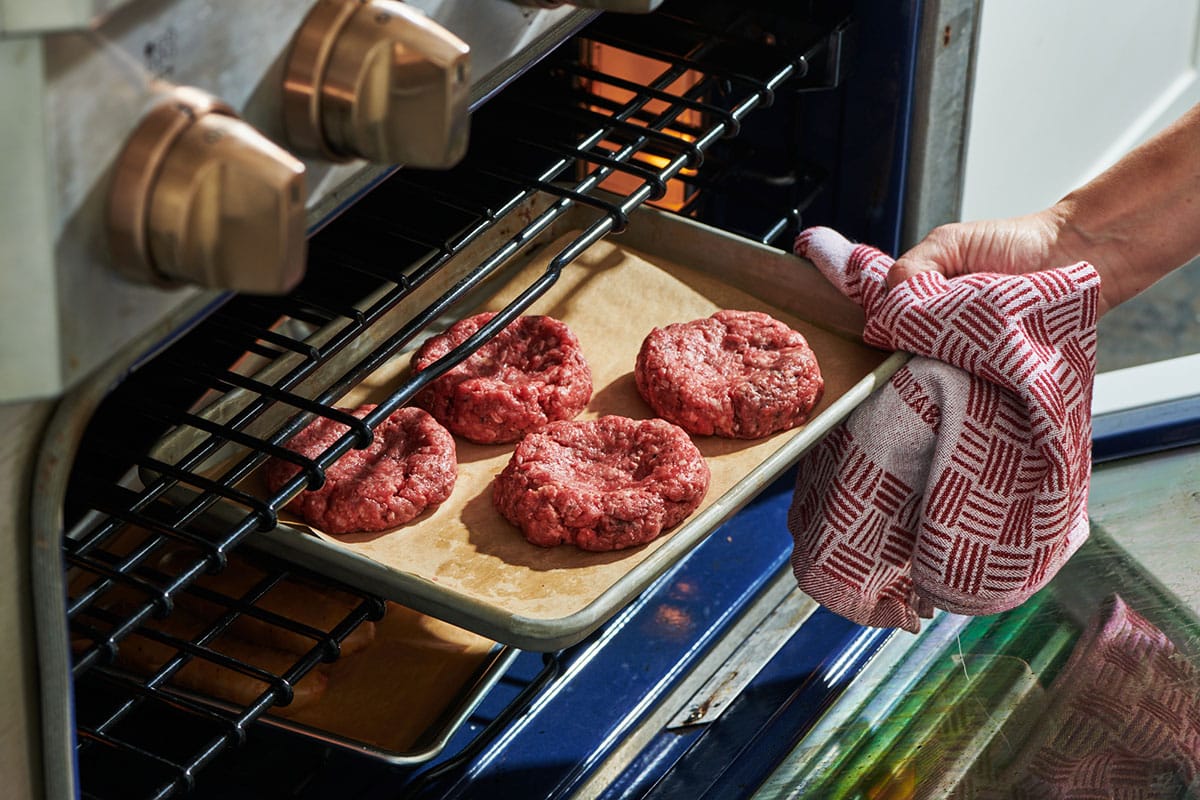
- Shape gently: Form the meat into round, flat patties about 3/4 inch thick. Press the center of each patty with your thumb to make a small indent—this helps them cook evenly and prevents puffing up.
- Season simply: Sprinkle both sides with kosher salt and freshly ground black pepper just before broiling. You can add garlic powder, onion powder, or paprika if you want, but classic seasoning is often best.
- Chill before cooking: Place patties in the refrigerator for 15-20 minutes before broiling. This helps them hold their shape and stay juicy.
Common Patty Mistakes
- Overworking the meat makes burgers tough—handle as little as possible.
- Skipping the thumb indent leads to domed, uneven patties.
- Adding salt too early can dry out the meat. Salt just before cooking.
Setting Up Your Oven Broiler
Every oven is a bit different, but most have a broiler drawer or a broil setting. The goal is to get high, direct heat on your burgers.
- Position the oven rack: Place it 3-4 inches below the broiler element.
- Preheat the broiler: Turn it on high for at least 5 minutes before cooking.
- Prepare your pan: Use a heavy-duty broiler pan or a rimmed baking sheet with a wire rack on top. The rack lets fat drip away, preventing soggy burgers and smoke.
- Line the pan: Place foil under the rack for easy cleanup.
Broiler Pan Vs. Baking Sheet
A broiler pan is designed for high heat and has slots to drain fat. If you don’t have one, a baking sheet with a rack works, but avoid glass pans—they can shatter under the broiler.
Credit: iowagirleats.com
Broiling The Perfect Hamburger: Step-by-step Instructions
Let’s walk through the broiling process from start to finish. This method works for both fresh and thawed ground beef. (For frozen patties, see a later section. )
Step 1: Arrange The Patties
Place the chilled patties evenly on the wire rack, leaving at least 1 inch between each. This spacing allows heat to circulate and helps the burgers cook evenly.
Step 2: Broil The First Side
Slide the tray under the broiler. Cook for about 3-4 minutes, depending on thickness and how well done you want your burgers.
- Rare: 2-3 minutes per side
- Medium: 4 minutes per side
- Well-done: 5+ minutes per side
Step 3: Flip And Finish
Use a spatula to flip the burgers carefully. Broil the other side for another 3-4 minutes. If you want cheese, add a slice in the last minute of broiling and close the oven door to melt it.
Step 4: Check Doneness
The best way to know if your burger is done is to use a meat thermometer. The USDA recommends cooking ground beef to at least 160°F (71°C) for safety. Insert the thermometer into the center of the patty—don’t rely on color alone.
Here’s a quick doneness guide:
| Doneness | Internal Temp | Broil Time (per side) | Juiciness |
|---|---|---|---|
| Rare | 120-125°F | 2-3 min | Very juicy |
| Medium | 140-145°F | 4 min | Juicy |
| Well-done | 160°F+ | 5+ min | Less juicy |
Step 5: Rest Before Serving
Let your burgers rest for 2-3 minutes after broiling. This allows the juices to redistribute, making the burgers more flavorful and less messy.
Broiling Frozen Hamburger Patties
Don’t have time to thaw your burgers? You can broil frozen patties straight from the freezer, but you’ll need to adjust your process:
- Preheat the broiler as usual.
- Place the frozen patties on the rack.
- Broil for about 6-7 minutes on the first side.
- Flip and broil for another 6-7 minutes.
- Check the internal temperature; add more time if needed.
Frozen patties may release more fat and water, so use a pan with sides to avoid spillage. Also, season after the first flip, as seasoning won’t stick to frozen meat.
Adding Cheese And Toppings
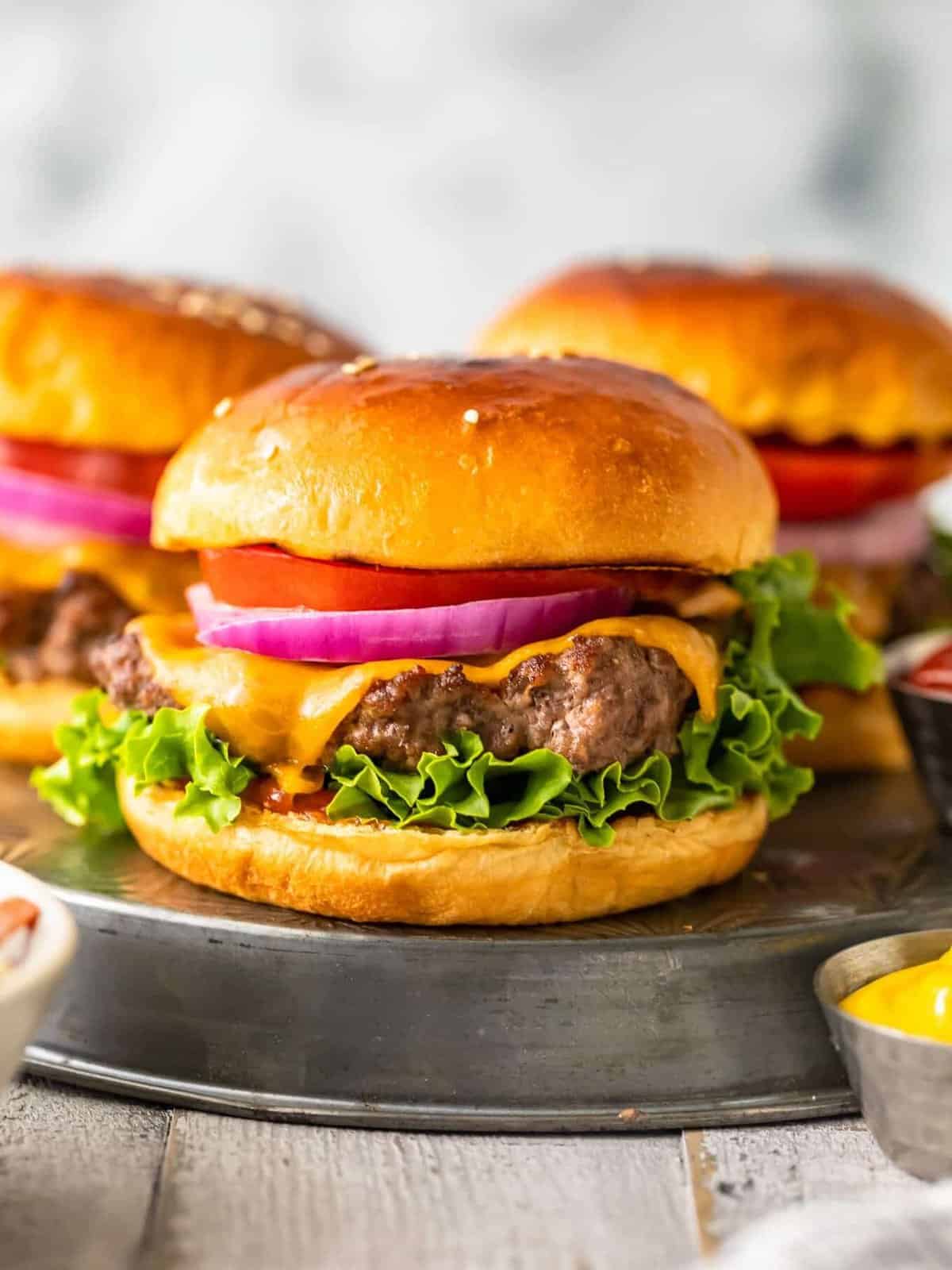
A classic cheeseburger needs the right timing to melt perfectly without overcooking the patty.
- Add cheese (like cheddar, Swiss, or American) during the last 1-2 minutes of broiling.
- Close the oven door to trap heat and help the cheese melt fast.
- For toppings like sautéed onions, mushrooms, or bacon, prepare them separately on the stovetop and add after broiling.
Toasting Buns Under The Broiler
Great hamburgers deserve great buns. Toasting buns makes a big difference in taste and texture.
- Slice your buns and place them cut side up on a baking sheet.
- Put them under the broiler for about 30 seconds to 1 minute. Watch closely—buns can burn fast!
- Remove when golden brown and slightly crisp.
Toasted buns hold up better to juicy burgers and toppings, preventing sogginess.
Choosing And Preparing Burger Toppings
The right toppings take your broiled burger to the next level. Here are some favorites:
- Lettuce: Use crisp iceberg or romaine leaves.
- Tomato: Slice thick for a juicy bite.
- Onion: Try raw red onion, grilled, or caramelized.
- Pickles: Dill slices or bread-and-butter chips for tang.
- Sauces: Ketchup, mustard, mayonnaise, BBQ sauce, or special burger sauce.
Pro Tip
Warm delicate toppings (like sautéed mushrooms) before adding, so they don’t cool down the burger.
Common Broiling Mistakes And How To Avoid Them
Even experienced cooks make errors when broiling burgers. Here’s how to sidestep the most frequent problems:
- Overcooking: High broiler heat can dry out burgers quickly. Use a thermometer and don’t walk away.
- Crowding the pan: Too many patties close together steam instead of brown. Leave space between them.
- Skipping the rack: Burgers sitting in their own juices get soggy. Use a rack or broiler pan.
- Not preheating: A cold broiler makes burgers stick and cook unevenly.
- Burning buns: Buns toast in seconds. Never leave them unattended under the broiler.
Credit: www.thecookierookie.com
How To Make Burgers Healthier
Broiling is already a healthier method than pan-frying since fat drips away. But you can do more:
- Choose leaner ground beef (85/15 or 90/10).
- Use whole-grain buns or lettuce wraps.
- Add fresh veggies as toppings.
- Skip heavy sauces or use low-fat alternatives.
Flavor Variations: Beyond The Classic Burger
Broiling is flexible, letting you experiment with new flavors. Here are some ideas:
- Southwest Burger: Add cumin, chili powder, and pepper jack cheese. Top with guacamole.
- BBQ Burger: Brush with BBQ sauce before broiling and top with cheddar and crispy onions.
- Blue Cheese Burger: Mix crumbled blue cheese into the patty, then broil.
Don’t be afraid to try herbs, spices, or mix-ins—just avoid overstuffing, which can make burgers fall apart.
Tools That Make Broiling Easier
Having the right kitchen tools can make the process smoother and safer:
- Broiler pan or baking rack: For drainage and browning.
- Meat thermometer: For accurate doneness.
- Metal spatula: For flipping burgers safely.
- Oven mitts: Broiler pans get extremely hot.
Investing in a good thermometer is especially useful. Many home cooks guess burger doneness and end up disappointed. A thermometer removes all doubt.
Cleaning Up After Broiling
Broiling can get messy, but a few tricks make cleaning easier:
- Line your pan with aluminum foil for quick cleanup.
- Let the pan cool before washing.
- Soak pans and racks in hot, soapy water to loosen stuck bits.
- Use a brush or sponge for tough spots, not steel wool (which can scratch pans).
Regular cleaning keeps your broiler in top shape and prevents smoke or burning next time.
Comparing Broiling To Other Burger Cooking Methods
How does broiling stack up against other ways of cooking burgers? Here’s a quick look:
| Method | Flavor | Texture | Difficulty | Best For |
|---|---|---|---|---|
| Broiling | Charred, smoky | Crisp outside, juicy inside | Easy | Indoor cooking, year-round |
| Grilling | Smoky, classic | Charred, juicy | Medium | Outdoor, summer |
| Pan-frying | Rich, caramelized | Softer crust | Easy | Quick meals |
| Baking | Mild, even | Softer, less crisp | Very easy | Large batches |
Broiling is a top choice for a great crust and quick results indoors.
Safety Tips When Broiling Hamburgers
Using a broiler means working with high, direct heat. Keep these safety tips in mind:
- Never leave food unattended under the broiler—things can burn or catch fire quickly.
- Use oven mitts and long utensils to protect hands and arms.
- Keep children and pets away from the oven during broiling.
- Always check that the burger’s internal temperature reaches 160°F for safety.
- Open the oven slowly to avoid a blast of hot air.
Credit: themom100.com
The Secret To A Truly Juicy Broiled Burger
Most people focus on the cooking time, but the real secret is a combination of fat content, gentle patty shaping, and not pressing on the burgers while they cook. Pressing releases juices that keep the burger moist. Let the heat do the work.
Another tip: let burgers rest briefly before serving. This step is easy to skip but makes a noticeable difference in juiciness and flavor.
Serving Suggestions And Sides
A good burger deserves great sides. Here are some ideas:
- Oven fries: Toss potato wedges with oil and bake while the burgers cook.
- Coleslaw: Adds crunch and freshness.
- Pickle spears: Classic and easy.
- Salad: For a lighter option.
Serve with cold drinks and a simple dessert for a complete meal.
Troubleshooting: What To Do If Your Burgers Go Wrong
Even with the best plan, things can sometimes go off track. Here’s how to fix common problems:
- Dry burgers: Next time, use beef with more fat or reduce broil time.
- Burgers fall apart: Don’t over-handle the meat and make sure patties are cold before cooking.
- Undercooked center: Broil a bit longer and check with a thermometer.
- Cheese won’t melt: Place cheese on and close oven door for the last 1-2 minutes.
If burgers stick to the rack, don’t force them—wait 30 seconds, then try again. As the crust forms, they’ll release more easily.
Storing And Reheating Broiled Burgers
Leftover burgers can be just as tasty if stored and reheated properly:
- Store cooked burgers in an airtight container in the fridge for up to 3 days.
- For reheating, wrap in foil and place in a 350°F oven for 8-10 minutes. This keeps them moist.
- Avoid microwaving if possible—it dries out meat and makes buns soggy.
Why Your Broiled Burger Might Taste Different From A Grilled One
Broiling uses radiant heat from above, while grilling uses heat from below. Broiling doesn’t add smoke from dripping fat like a grill, so the flavor is a bit cleaner and less smoky. However, you can add smoky flavor with toppings like smoked cheese, bacon, or a dash of smoked paprika in your seasoning.
When To Use A Broiler For Hamburgers
Broiling is perfect when:
- You want a fast, hands-off method.
- The weather is bad for grilling.
- You don’t want extra kitchen mess from pan-frying.
- Cooking for a crowd—just double your batch and use two racks.
Broiling is also a great way to prepare burgers for meal prep, since you can cook several at once with little fuss.
Two Non-obvious Tips For Broiling Burgers
- Season after shaping, not before: Salt can toughen ground beef if added too early. Always season patties just before broiling.
- Let the broiler pan preheat: Placing patties on a hot rack helps form a flavorful crust and prevents sticking.
Many home cooks overlook these steps, but they make a big difference in the final burger.
Resources For Broiling And Burger Safety
For more on safe meat handling and broiling tips, check the USDA’s guidelines at USDA Hamburger and Food Safety.
Frequently Asked Questions
How Long Does It Take To Broil A Hamburger In The Oven?
Most standard-sized patties (about 3/4 inch thick) take 3-4 minutes per side under the broiler for medium doneness. Adjust by a minute or two for rare or well-done. Use a meat thermometer for accuracy.
Can I Broil Hamburgers Without A Broiler Pan?
Yes, you can use a baking sheet with a wire rack on top. This setup lets fat drain away and helps the burgers brown. Avoid glass pans and make sure the rack fits securely.
What Temperature Should Hamburgers Reach For Safety?
The USDA recommends 160°F (71°C) for ground beef to ensure all bacteria are killed. Insert the thermometer into the center of the thickest part of the burger.
Do I Need To Flip Burgers When Broiling?
Yes, flipping ensures both sides cook evenly and get a good crust. Flip carefully after the first 3-4 minutes, depending on thickness and desired doneness.
How Do I Keep Broiled Burgers Juicy?
Use ground beef with enough fat content (80/20), shape patties gently, and avoid pressing down while cooking. Let burgers rest for a few minutes before serving to retain juices.
Broiling hamburgers in your oven is a quick, flavorful, and convenient way to enjoy a classic meal at home. With the right meat, preparation, and a few expert tips, you can make burgers that rival your favorite restaurant—no grill required.
Enjoy experimenting with toppings, sides, and flavors, and you’ll discover how easy and satisfying broiled burgers can be.