
Keeping your gas stove working well means more than just wiping the burners and knobs. The gas stove pipe—the tube that brings gas from the supply to your burners—is often forgotten. Yet, it’s one of the most important parts for safety and efficient cooking. A dirty or blocked gas pipe can cause low flame, strange smells, or even dangerous gas leaks. Luckily, cleaning your gas stove pipe isn’t as hard as you might think. With the right steps, tools, and a bit of care, you can keep your kitchen safe and your stove performing like new.
This guide will show you everything you need to know about cleaning a gas stove pipe. You’ll find out how to spot problems, choose the right cleaning method, and follow safe, step-by-step instructions. You’ll also learn some tips that beginners often miss, plus answers to common questions about gas stove pipe maintenance.
Why Clean Your Gas Stove Pipe?
The gas stove pipe is the lifeline of your appliance. Over time, dust, grease, and even small insects can get inside the pipe. This can block gas flow and make cooking difficult or unsafe. Many people only clean the surface of their stoves and forget about the pipe underneath. But neglecting this part can lead to:
- Weak or uneven flames: Blockages stop enough gas from reaching the burners.
- Gas leaks: Cracks or loose connections build up grime, which can hide leaks.
- Higher gas bills: Less efficient burning wastes gas.
- Cooking delays: Slow or failing flames make meal prep longer and more frustrating.
Cleaning your gas stove pipe means fewer repairs, better cooking, and more safety for your family.
Signs Your Gas Stove Pipe Needs Cleaning
It’s not always obvious when your gas pipe needs attention. Here are clear signs:
- Burner flames are yellow or red instead of bright blue.
- Gas smell when the stove is off or on low flame.
- Popping or hissing noises from the pipe or connection.
- Food takes longer to cook than usual.
- Visible dirt, grease, or rust on or near the pipe.
- Burners don’t light easily or go out suddenly.
- You haven’t cleaned the pipe in over a year.
If you notice one or more of these, it’s time to clean the pipe.
Safety First: Preparing To Clean
Before you start, always put safety at the front. Gas is highly flammable. A careless move can cause fire or injury. Here’s how to prepare:
- Turn off the gas supply: Find the main valve and shut it off completely.
- Unplug electric ignition: If your stove has an electric starter, unplug it from the wall.
- Ventilate the kitchen: Open windows and doors for fresh air.
- Gather cleaning tools: You’ll need:
- Adjustable wrench or spanner
- Pipe brush or long flexible brush
- Mild dish soap
- Warm water
- Small bucket or bowl
- Old toothbrush
- Soft cloth or towel
- Safety gloves
- Flashlight
- Keep kids and pets away.
Extra tip: Place a paper or plastic sheet under the stove area to catch drips or dirt.
Understanding Your Gas Stove Pipe System
Not all gas stoves have the same pipe setup. Some connect directly to a LPG cylinder, others use piped natural gas (PNG) from the wall. The pipe material also matters: most use rubber hoses, flexible metal pipes, or rigid metal tubes.
Here’s a quick comparison to help you identify your type:
| Pipe Type | Common Material | Cleaning Difficulty | Replacement Frequency |
|---|---|---|---|
| Flexible Rubber Hose | Rubber, synthetic | Easy | 2-3 years |
| Flexible Metal Hose | Stainless steel | Medium | 5-8 years |
| Rigid Metal Tube | Copper, steel | Hard | 10+ years |
Knowing your pipe type helps you choose the right cleaning method and tools.
How Often Should You Clean Your Gas Stove Pipe?
Most experts suggest cleaning your gas stove pipe at least twice a year. If you use your stove heavily, or your kitchen is prone to grease and dust, every 3-4 months is better. For outdoor kitchens or humid climates, check and clean even more often. If you ever smell gas or see dirt, clean immediately—don’t wait for a schedule.
Step-by-step: How To Clean A Gas Stove Pipe
Let’s get into the process. Follow these steps in order:
1. Shut Off Gas Supply
Safety is always first. Turn the main gas valve to the OFF position. For a cylinder, close the regulator. For piped gas, use the wall valve.
2. Disconnect The Pipe
Use an adjustable wrench to loosen the pipe connectors. If you have a rubber hose with clips, squeeze and slide them off. Gently pull the pipe from both the stove end and the gas supply end.
Pro tip: Take a quick photo of the connections before you remove anything. This helps you reconnect later.
3. Inspect The Pipe
Look inside both ends of the pipe with a flashlight. Check for:
- Dust, cobwebs, or insect nests
- Oil or grease buildup
- Rust or cracks (especially on metal pipes)
- Moisture or water droplets (a sign of leaks)
If the pipe is cracked or too dirty to clean, replace it immediately.
4. Clean The Pipe Interior
How you clean depends on your pipe type:
- For rubber hoses: Push a long, flexible pipe brush through the hose. Rotate and pull it out, removing dirt and debris.
- For metal pipes: Use a smaller brush or a rolled-up piece of cloth on a stick.
- For stubborn gunk, pour a little warm soapy water into the pipe, plug one end, and shake gently. Then rinse with clean water and let it dry completely.
Never use sharp metal tools inside, as they can scratch or puncture the pipe.
5. Clean Pipe Ends And Connectors
Use an old toothbrush dipped in soapy water to scrub the connectors and pipe ends. Remove any grease or corrosion. Dry with a towel.
6. Clean The Burner Inlet And Valve
Wipe the area where the pipe connects to the stove. Dirt here can block gas flow. A cotton swab or toothbrush helps reach tight spaces.
7. Dry Everything Thoroughly
Let the pipe and connectors air dry for at least 15 minutes. Even a drop of water inside can cause rust or blockages over time.
8. Reconnect The Pipe
Slide the pipe back onto the stove and gas supply connections. Tighten clips or nuts securely. Make sure the pipe isn’t twisted or kinked.
9. Test For Leaks
Before turning the gas on, mix a little dish soap with water. Brush or spray this mixture on all connections. Open the gas valve slowly. Watch for bubbles—if you see any, it means a leak. Tighten the connector and test again.
10. Light The Burner
If there are no leaks, turn on the burner. The flame should be steady and blue. If it’s weak, yellow, or flickers, repeat the cleaning process or consult a technician.
Cleaning Tips For Different Pipe Materials
Not all gas stove pipes are the same. Here’s how to handle each:
Flexible Rubber Hoses
- Avoid harsh chemicals—they can damage the rubber.
- Replace every 2-3 years, even if they look fine.
- Keep away from direct sunlight and sharp objects.
- Check for cracks or stiffness; these are signs it’s time to change.
Flexible Metal Hoses
- Use only soft brushes to prevent scratches.
- Check for rust or loose braids.
- Never bend too sharply—this can kink the pipe and block gas.
Rigid Metal Pipes
- Harder to remove and clean—call a professional if you’re unsure.
- Look for signs of rust, especially at joints.
- Use a soft cloth and mild soap only.
Common Mistakes To Avoid
Many people make small errors that can put their kitchen at risk. Avoid these:
- Skipping leak tests after cleaning.
- Using sharp or hard brushes that damage the pipe.
- Forgetting to dry the pipe fully before reconnecting.
- Reusing old or damaged pipes.
- Ignoring minor gas smells—always investigate immediately.
- Over-tightening connectors, which can crush or crack soft pipes.
- Letting grease build up around pipe ends, which attracts insects and dust.
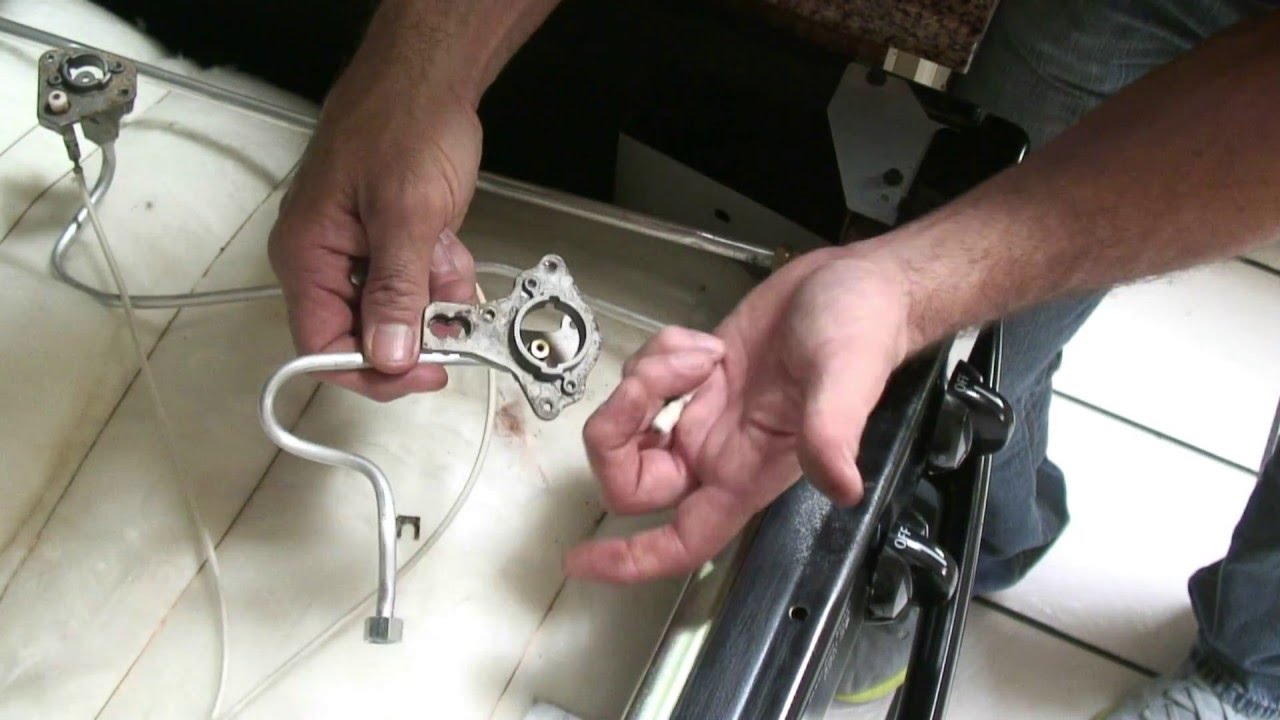
Credit: www.youtube.com
When Should You Replace A Gas Stove Pipe?
Cleaning helps, but sometimes replacement is safer. Replace your pipe if:
- You see cracks, bubbles, or stiffness in rubber hoses.
- The metal pipe is rusted, bent, or leaking.
- The pipe is older than the recommended lifespan.
- You notice repeated blockages even after cleaning.
Here’s a quick reference:
| Pipe Condition | Action | Reason |
|---|---|---|
| Small dirt or grease | Clean | Safe for reuse |
| Cracks or holes | Replace | Risk of leaks |
| Stiff or sticky rubber | Replace | May break under pressure |
| Rusty metal | Replace | Can leak or break |
| Over 5 years old (rubber) | Replace | Old age risk |
Extra Tips For Long-term Gas Stove Pipe Care
Taking a few extra steps can keep your gas stove pipe clean for longer.
- Wipe the pipe monthly: Use a dry cloth to remove dust and check for cracks.
- Keep the area under your stove clean: Grease under the stove attracts pests and dust.
- Don’t stack heavy items on the pipe: This can cause bends or small cracks.
- Use a pipe cover or sleeve: These are available at hardware stores and protect from accidental cuts or heat.
- Check after any kitchen renovation: Construction dust and moving appliances can stress the pipe.
Professional Cleaning Vs. Diy
Most home users can clean a gas stove pipe themselves with some care. However, call a professional if:
- The pipe is rigid and hard to remove.
- You suspect a major gas leak.
- The stove is built into the countertop and access is limited.
- You’re not confident with gas safety.
Professional cleaning usually costs more but includes pipe checks, leak tests, and sometimes replacement.
What If The Problem Isn’t In The Pipe?
Sometimes, cleaning the pipe doesn’t fix gas flow problems. Here’s what else to check:
- Burner jets: These small holes can clog with food or soot.
- Regulator: If faulty, gas pressure drops.
- Main gas valve: Sometimes wears out or gets stuck.
- Gas cylinder: For LPG users, an almost empty cylinder lowers pressure.
- Stove assembly: If you smell gas but the pipe is clean, the leak might be inside the stove.
If these steps don’t solve your issue, get help from a certified technician.
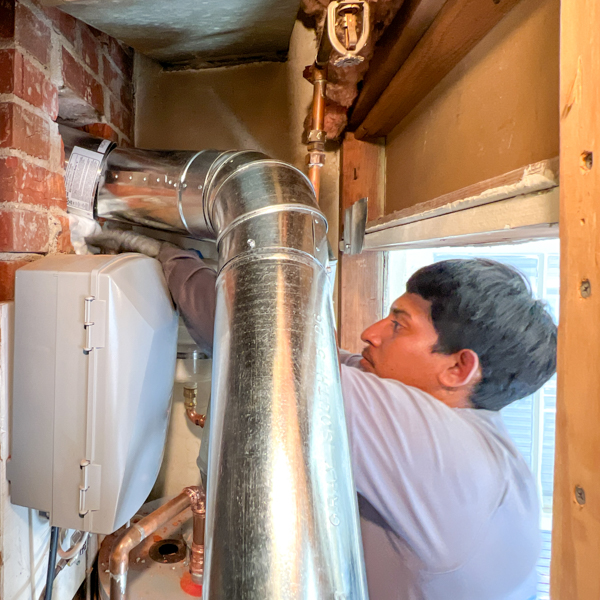
Credit: www.bethesdachimney.com
Dealing With Stubborn Blockages
Some blockages won’t clear with basic cleaning. Try this:
- Fill the pipe with warm soapy water.
- Plug both ends and let it soak for 10-15 minutes.
- Use a long brush to scrub inside.
- Rinse with clean water and dry well.
Never use wire or coat hangers inside the pipe—they can scratch or break it.
If the blockage still won’t clear, replace the pipe.
Gas Stove Pipe Cleaning And Home Safety
A clean gas stove pipe isn’t just about cooking well. It’s about keeping your home safe. According to the National Fire Protection Association, cooking equipment is the leading cause of home fires in many countries. Gas leaks are a common reason.
Regular pipe cleaning, proper installation, and leak checks can cut your risk by more than 50%.
One non-obvious insight: If you move your stove even slightly, always check the pipe for bends or cracks afterward. Even a small shift can loosen a connector.
Another tip: If your kitchen is humid, dry the pipe with a hairdryer (on cool setting) after cleaning to stop rust.
Environmental Impact Of A Clean Gas Stove Pipe
A dirty gas pipe not only risks your safety but also wastes fuel. Blocked pipes make your stove burn gas poorly, which means more emissions and higher bills. Keeping the pipe clean ensures you use less gas for the same cooking.
Over a year, this can save up to 5-10% on your gas usage—a small but real way to help the planet.
What To Do If You Smell Gas
If you ever smell gas during or after cleaning, act fast:
- Turn off the gas supply.
- Open windows and doors.
- Do not use matches or switch on electrical devices.
- Move out of the kitchen.
- Call your gas supplier or emergency number.
Never ignore a gas smell. Even a small leak can be deadly.

Credit: diy.stackexchange.com
Useful Resources
For more safety advice and detailed guides, check official sources like the National Fire Protection Association.
Frequently Asked Questions
How Often Should I Clean My Gas Stove Pipe?
It’s best to clean your gas stove pipe every 6 months. If you use your stove a lot or see signs of dirt or blockage, clean every 3-4 months.
What’s The Best Way To Check For Gas Leaks After Cleaning?
Mix dish soap with water and brush it on the pipe connections. If you see bubbles after turning on the gas, there’s a leak. Turn off the gas and tighten the connections.
Can I Use Any Brush To Clean Inside The Pipe?
Use a soft, flexible pipe brush. Hard or sharp brushes can damage the pipe, especially rubber hoses. Never use metal wire or coat hangers.
Is It Safe To Clean A Gas Stove Pipe Myself?
Yes, if you follow safety steps: turn off the gas, work in a ventilated area, and test for leaks after reconnecting. If you’re unsure, ask a professional for help.
When Should I Replace My Gas Stove Pipe Instead Of Cleaning It?
Replace the pipe if you see cracks, rust, stiffness, or leaks, or if it’s older than the recommended lifespan (2-3 years for rubber, 5-8 for metal).
Keeping your gas stove pipe clean is one of the simplest ways to make your kitchen safer, more efficient, and ready for daily cooking. Take a few minutes every few months for this small but important task, and you’ll avoid bigger headaches later.