
Owning an Igloo Countertop Ice Maker makes life easier, especially during hot days or family gatherings. However, many people forget that regular cleaning is just as important as using the machine. A clean ice maker means fresh ice cubes, better taste, and a longer-lasting appliance. If you notice a strange taste in your ice, or see some build-up inside, it’s a clear sign your ice maker needs some attention. Cleaning may look tricky, but with the right steps, you can do it easily at home. Let’s explore everything you need to know about cleaning your Igloo Countertop Ice Maker, ensuring it stays in great shape and produces fresh ice every time.
Why Cleaning Your Igloo Countertop Ice Maker Matters
You may wonder why cleaning is so important. The answer is simple: ice makers can develop mold, mildew, and mineral deposits over time. These problems don’t just make your ice taste odd, they can also damage your machine. If you use tap water, minerals like calcium and magnesium can build up inside the unit. This is called scaling. Scaling reduces efficiency and can block water flow. Even if you use filtered water, tiny particles and bacteria can still grow if the machine is not cleaned.
A regular cleaning routine does more than keep ice tasting fresh. It also:
- Keeps your ice maker working efficiently
- Reduces the risk of breakdowns
- Prevents bacteria and mold growth
- Extends the life of your machine
Skipping this chore may lead to expensive repairs, or worse, having to buy a new ice maker sooner than expected.
How Often Should You Clean Your Igloo Countertop Ice Maker?
There’s no universal rule, but most experts recommend cleaning your countertop ice maker every three to six weeks. If you use it daily, or if your home has hard water, clean it more often. If the ice tastes funny, smells odd, or looks cloudy, don’t wait—clean it right away.
Some owners clean only when they see visible dirt or scale. This is a mistake. Many germs and minerals are invisible. Sticking to a schedule is the best way to keep your ice fresh and your machine healthy.
What You Need: Essential Cleaning Supplies
Before you start, gather all needed items. This will help you clean efficiently without stopping to look for tools.
- Soft cloth or sponge – For wiping surfaces
- Mild dish soap – Avoid strong chemicals
- White vinegar or lemon juice – For removing hard water deposits and killing bacteria
- Measuring cup – To mix solutions
- Clean water – For rinsing
- Small brush or old toothbrush – For tight spots
- Microfiber towel – For drying the machine
- Bowl or container – To catch water from draining
- Q-tips or cotton swabs – For corners and crevices
Never use bleach or abrasive cleaners. These can damage parts and affect ice taste.
Step-by-step Guide: How To Clean Your Igloo Countertop Ice Maker
Let’s break down the cleaning process into simple, clear steps. Each stage matters, so don’t rush. Most cleaning takes about 45 minutes, plus drying time.
1. Unplug And Empty The Ice Maker
Safety comes first. Always unplug your machine before cleaning. Remove any leftover ice from the basket and discard it. Then, take out the ice basket and any loose parts for cleaning.
2. Drain Old Water
Most Igloo Countertop Ice Makers have a small drain plug at the bottom or side. Place your bowl or container under the drain, open the plug, and let the water flow out. This removes stale water that can cause odors.
3. Wash Removable Parts
Take the ice basket and scoop to your sink. Wash them with warm water and mild dish soap. Rinse well to remove all soap. Dry with a clean towel or let them air dry.
4. Clean The Interior
Mix a solution of one part white vinegar to one part water. (For example, 1 cup vinegar + 1 cup water.) Dip your soft cloth or sponge into the solution, and wipe all inside surfaces. Pay special attention to corners and edges, where slime can hide.
Use your small brush or toothbrush for tough spots, like the ice-making rods. Gently scrub away any mineral build-up. For very tight spots, use a Q-tip dipped in the vinegar solution.
5. Run A Cleaning Cycle
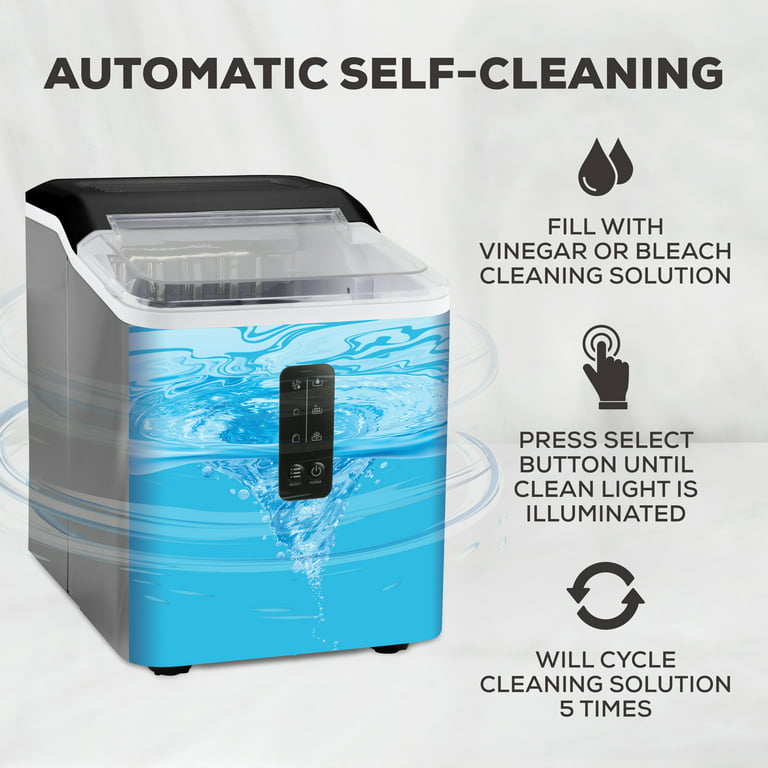
Pour the vinegar solution into the water reservoir, up to the fill line. Plug in the machine and run a full ice-making cycle. This helps clean inside the water lines and ice-making parts.
When the cycle finishes, discard the ice that was made. It will taste of vinegar, so don’t use it.
6. Rinse The Machine
After the cleaning cycle, drain any leftover vinegar solution. Fill the reservoir with fresh water and run another full ice-making cycle. This rinses out any remaining vinegar taste or smell. Again, throw away this batch of ice.
Repeat the rinse if you still smell vinegar.
7. Wipe Down The Exterior
Use a damp cloth and mild soap to wipe the outside of your ice maker. Dry with a microfiber towel to avoid water spots.
8. Dry And Reassemble
Leave the lid open for at least one hour to let the inside air dry completely. This prevents mold or mildew from forming. Once dry, put back the ice basket and scoop.
9. Plug In And Test
Plug in your ice maker, fill with clean water, and run a final cycle. Check that the ice looks and tastes fresh. Now your machine is ready for use.
Deep Cleaning Vs. Regular Cleaning: What’s The Difference?
Sometimes, your Igloo Ice Maker needs more than a basic wipe-down. Deep cleaning goes further, tackling mineral build-up and hidden grime.
| Regular Cleaning | Deep Cleaning |
|---|---|
| Every 3-6 weeks | Every 3-6 months (or as needed) |
| Wiping surfaces | Disassembling more parts |
| Basic vinegar rinse | Soaking parts in vinegar/water mix |
| Cleaning visible areas | Scrubbing hidden places and water lines |
Deep cleaning is important if:
- Your ice maker has not been cleaned in a long time
- The ice is cloudy, smelly, or melts too fast
- You see heavy scaling or slime
For deep cleaning, let removable parts soak in vinegar water for 15-20 minutes. Scrub all surfaces, including the water reservoir, with a brush. Take extra care with any hard-to-reach spots.
Tackling Hard Water And Mineral Buildup
Hard water is water with high amounts of minerals, mainly calcium and magnesium. If you live in an area with hard water, you’ll notice white or chalky build-up inside your ice maker. This is called scale.
Why is this a problem? Scale can:
- Block water flow
- Lower ice output
- Change the taste of ice
- Cause machine breakdown
How to fight scale:
- Clean your ice maker more often—every 2 to 4 weeks.
- Use a stronger vinegar solution (2 parts vinegar to 1 part water).
- Let the solution soak inside the reservoir and on metal parts for 30 minutes before scrubbing.
If scaling is very heavy, you can find special ice maker cleaning products. These are safe for food appliances and remove tough mineral deposits. Always follow the instructions on the cleaner.
Switching to filtered or distilled water can also reduce future scale.

Credit: www.amazon.com
How To Keep Your Igloo Ice Maker Cleaner For Longer
Regular cleaning is key, but you can do more to prevent problems.
- Always use clean, fresh water. Filtered water is best.
- Empty the ice basket and drain water if you won’t use the machine for a few days.
- Dry the inside with a towel before storage.
- Keep the lid closed when not in use to block dust.
- Store in a cool, dry place.
If you see mold or slime, clean immediately. Do not eat ice that looks or smells off.
Common Mistakes To Avoid
Even careful owners sometimes make errors. Here are some common mistakes:
- Using harsh chemicals like bleach. These can damage your machine and are unsafe for food contact.
- Skipping the rinse cycle. Vinegar left inside can make ice taste bad.
- Not drying the inside before storage. This creates a perfect spot for mold.
- Ignoring the cleaning schedule. Waiting until problems appear is too late.
- Forgetting to clean the ice scoop and basket.
Avoiding these mistakes keeps your ice safe and your machine working well.
Signs Your Igloo Countertop Ice Maker Needs Cleaning
Don’t wait for a problem to clean your ice maker. Watch for these signs:
- Ice has a bad taste or smell
- Ice is cloudy or soft
- Less ice is produced
- Machine makes strange noises
- You see white, brown, or green build-up inside
If you notice any of these, clean your machine right away.
How To Clean The Water Lines And Pump
Most people forget about the water lines and pump. These hidden parts can collect dirt and bacteria over time.
To clean:
- Run a vinegar and water solution through a full ice-making cycle (as described earlier).
- If your machine allows, use a small flexible brush to gently clean the lines.
- Rinse well with fresh water by running another cycle.
If your ice maker has a filter, check the manual for cleaning or replacement steps.
Credit: nostalgiaproducts.com
Cleaning The Exterior And Control Panel
Dust and spills can build up on the outside, especially around buttons and screens. Use a soft, damp cloth with a little dish soap to gently wipe these areas. Never spray water directly onto the control panel. Dry with a microfiber towel.
Storing Your Igloo Ice Maker
If you won’t use the ice maker for more than a week, store it properly:
- Clean and dry the machine completely.
- Leave the lid open for a few hours to ensure no moisture remains.
- Store in a dry, cool place.
- Cover with a towel or cloth to keep out dust.
When you use it again, clean and rinse before making ice.
How To Troubleshoot Common Cleaning Problems
Sometimes, even after cleaning, issues remain. Here’s how to handle them:
- Ice still tastes bad: Rinse again with fresh water. Check for build-up you may have missed.
- Machine won’t make ice: Make sure all parts are dry and reassembled correctly. Check the water level.
- Vinegar smell lingers: Run more rinse cycles or let the machine air out longer.
- Visible scaling: Use a stronger vinegar solution or a commercial ice maker cleaner.
If your ice maker still doesn’t work right, check the manual or contact Igloo support.
Comparing Igloo Countertop Ice Makers: Cleaning Features
Not all Igloo models are the same. Some have features that make cleaning easier.
| Model | Removable Parts | Self-Clean Function | Drain Plug |
|---|---|---|---|
| Igloo ICEB26 | Yes | No | Yes |
| Igloo ICEB33 | Yes | Yes | Yes |
| Igloo ICEB28 | Yes | No | Yes |
| Igloo ICEB26SS | Yes | No | Yes |
If you’re buying a new machine, look for:
- Removable ice basket and scoop (easier cleaning)
- Self-cleaning function (saves time)
- Easy-to-access drain plug (faster draining)
Can You Use Commercial Ice Machine Cleaners?
Yes, but only if the product is food-safe and made for home ice makers. Some cleaners are stronger than vinegar and remove tough mineral build-up. Always check the label and follow directions. Rinse well after using any cleaner.
Natural Cleaning Alternatives
Don’t have vinegar? Lemon juice works too. It fights odors and kills bacteria, but you’ll need more lemon juice to match vinegar’s strength.
Mix equal parts lemon juice and water, and use just like vinegar. The fresh smell is a bonus, but rinse well to avoid sour-tasting ice.
Safety Tips When Cleaning
- Unplug the machine before cleaning inside.
- Never immerse the main unit in water.
- Don’t use sharp tools or metal brushes.
- Rinse thoroughly to remove any cleaning solution.
- Let all parts dry completely before use.
These steps protect both you and your machine.
Practical Tips For Consistently Fresh Ice
Want great ice every time? Try these extra tips:
- Use filtered or distilled water to reduce mineral deposits.
- Keep your ice maker away from heat sources.
- Don’t overfill the water reservoir.
- Clean the ice scoop after each use.
- Store ice in a clean, closed container if you transfer it to your freezer.
Even small habits make a big difference over time.
When To Call For Professional Help
If your ice maker still has problems after deep cleaning, it may need professional service. Signs you should get help:
- Machine leaks water
- Motor is very noisy or not running
- Ice maker won’t turn on
- Bad smells remain after many cleanings
Most issues can be fixed at home, but don’t risk damaging your machine further. Check your warranty and contact Igloo support if needed.
What To Do With Old Or Unused Ice Makers
If you’re replacing your ice maker, don’t just throw it away. Many parts can be recycled. Check with your local recycling center or appliance store. Some retailers even offer trade-in programs for old appliances.
Environmental Impact: Why Proper Cleaning Matters
A dirty ice maker works harder, uses more electricity, and may break down sooner. That means more waste and higher energy bills. Keeping your machine clean is better for the planet and your wallet. Plus, you avoid buying extra cleaning products or replacement parts.
Frequently Asked Questions
How Often Should I Clean My Igloo Countertop Ice Maker?
Clean your ice maker every three to six weeks, or more often if you use it daily, live in a hard water area, or notice any strange tastes or odors. Sticking to a schedule prevents problems before they start.
Can I Use Bleach To Clean My Ice Maker?
No, never use bleach. It can damage the inside of your machine and is not safe for food appliances. Stick with vinegar or lemon juice, or use a cleaner made for ice makers.
What Should I Do If My Ice Still Tastes Bad After Cleaning?
Run several rinse cycles with fresh water. Check for any remaining build-up inside the machine. Make sure all cleaning solution is fully rinsed out. If the problem continues, deep clean again or contact support.
Is There A Self-cleaning Button On All Igloo Ice Makers?
No, not all models have this feature. Check your user manual. If your model has a self-clean function, follow the instructions. Otherwise, use the manual cleaning steps described above.
Where Can I Find More Tips On Maintaining My Appliance?
For more advice and official guidance, visit the Igloo official FAQ page. They provide model-specific tips and troubleshooting steps.
Keeping your Igloo Countertop Ice Maker clean doesn’t have to be complicated. With regular care, simple cleaning supplies, and a little attention to detail, you’ll always have fresh, clear ice ready for any occasion. Your ice will taste better, and your machine will last longer—making every cold drink a little bit better.
Credit: www.walmart.com