
Cleaning the backsplash behind your stove may seem like a simple job, but anyone who cooks regularly knows it can be one of the toughest spots in the kitchen. Grease splatters, food spills, and even smoke can leave stubborn stains on your backsplash.
Over time, these stains can build up, making your kitchen look dirty even if you clean it regularly. Whether your backsplash is tile, glass, stainless steel, or another material, knowing the right techniques and products can save you time and effort.
Let’s explore exactly how to clean the backsplash behind your stove, tackle different materials, and prevent future messes.
Why The Backsplash Behind The Stove Gets So Dirty
When you cook, especially with oil or on high heat, grease and food particles escape from pots and pans. They fly through the air and land on the surface behind your stove. Even if you use a lid, steam and oil can still find their way out. Over time, these layers of oil, food, and smoke build up. Unlike other areas, the backsplash behind the stove is often forgotten until the stains become obvious.
Some foods, like tomato sauce or curries, can leave colored stains. Others, like fried food, create sticky, greasy spots. If you don’t wipe them quickly, they harden and become harder to remove. That’s why regular cleaning is so important.
Understanding Your Backsplash Material
Before you start cleaning, you need to know what your backsplash is made of. Different materials need different cleaning methods. Using the wrong cleaner can cause damage, like scratches or discoloration. Here are the most common types:
| Material | Main Features | Special Care Needed? |
|---|---|---|
| Ceramic or Porcelain Tile | Durable, easy to clean, usually glazed | No harsh abrasives |
| Glass Tile | Glossy, reflects light, stain-resistant | No scratching pads |
| Natural Stone (Granite, Marble, Slate) | Porous, unique look | No acids, seal regularly |
| Stainless Steel | Modern, stain-resistant, shows fingerprints | No steel wool, wipe along grain |
| Peel-and-Stick Vinyl | Affordable, easy to install | No harsh chemicals |
| Painted Drywall | Simple, cheap | No soaking, gentle cleaners |
Knowing your material is the first step to a clean, damage-free backsplash.
Essential Tools And Cleaners
Cleaning the backsplash behind your stove doesn’t require expensive products. However, using the right tools makes the job faster and more effective. Here’s what you need for most jobs:
- Soft sponges or microfiber cloths: For wiping and scrubbing.
- Old toothbrush: For grout or tight corners.
- Bucket of warm water: Helps dissolve grease.
- Mild dish soap: Cuts through most grease.
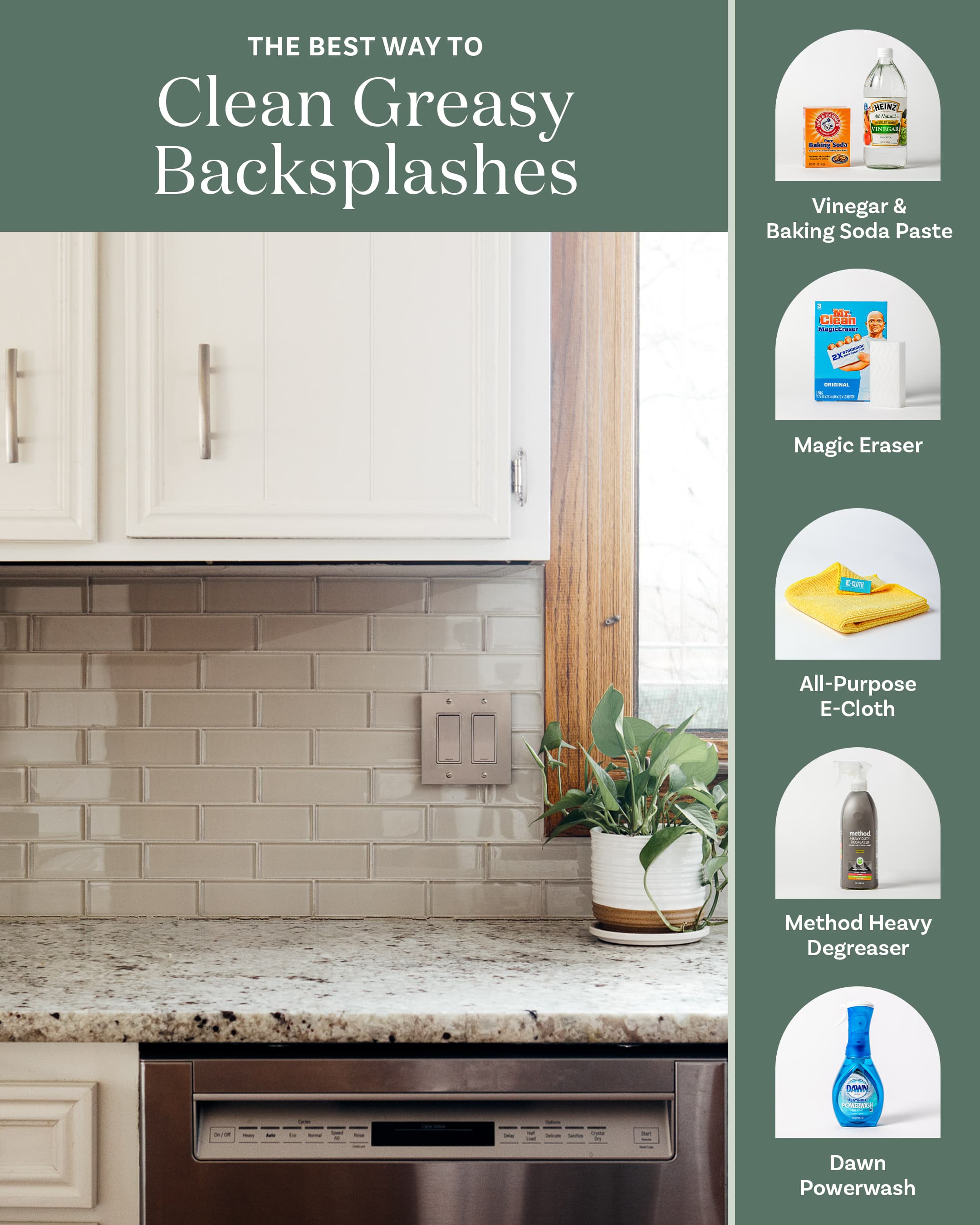
- Baking soda: For tough stains.
- White vinegar: For shine and mild disinfecting.
- Spray bottle: To apply homemade cleaners.
- Rubber gloves: Protect your hands.
- Plastic scraper: To remove hardened gunk.
For special materials, you may also need:
- PH-neutral stone cleaner: For natural stone.
- Glass cleaner: For glass tiles or panels.
- Stainless steel polish: For metal surfaces.
A common beginner mistake is using abrasive pads or strong chemicals without checking if they are safe for your backsplash. This can scratch or dull the surface. Always start with the gentlest option first.
Preparing To Clean
Before you jump in, take a few simple steps to make cleaning easier and safer:
- Turn off burners and let surfaces cool. Cleaning a hot surface can be dangerous.
- Move the stove if possible. If your stove slides out, carefully move it forward. This helps you reach spots that are usually hidden.
- Remove objects from the area. Take away spice racks, utensils, or anything else near the backsplash.
- Lay a towel or old sheet on the stove to catch drips or debris.
These steps save time and prevent accidental burns or spills.

Credit: www.fireclaytile.com
General Cleaning Steps For All Backsplashes
No matter what your backsplash is made of, there is a basic cleaning process that works for most surfaces:
- Wipe off loose debris. Use a dry cloth or paper towel to remove crumbs and loose dirt.
- Mix a cleaning solution. Combine a few drops of dish soap with warm water in a bucket or spray bottle.
- Apply the solution. Dampen your sponge or cloth and wipe the backsplash. For tougher grease, spray and let it sit for a few minutes.
- Scrub gently. Use a soft sponge or cloth. For grout or corners, use an old toothbrush.
- Rinse and wipe dry. Use clean water to remove soap residue, then dry with a fresh cloth.
For most daily stains, this process is enough. For more stubborn messes, you’ll need to go deeper.
Cleaning Ceramic Or Porcelain Tile Backsplash
Tile is one of the easiest backsplashes to keep clean, but grout lines can trap dirt and grease. Here’s how to get them sparkling:
- Mix a soapy solution. Warm water and dish soap work well. For extra cleaning, add a teaspoon of baking soda.
- Wipe the tiles. Use a sponge or cloth to clean the surface.
- Focus on grout. Dip an old toothbrush in your solution and scrub grout lines.
- Use baking soda paste. For stained grout, mix baking soda with a little water to make a paste. Apply, let sit for 10 minutes, then scrub.
- Rinse and dry. Use clean water and a soft towel.
Pro tip: Seal grout once a year. This prevents stains from sinking in and makes cleaning much easier.
Cleaning Glass Tile Backsplash
Glass tiles are beautiful but show every smudge. Here’s how to keep them crystal clear:
- Spray with glass cleaner or a mix of water and vinegar (equal parts).
- Wipe with a microfiber cloth. This removes streaks and fingerprints.
- Tackle stuck-on spots. Use a plastic scraper or fingernail to gently lift off food.
- Polish for shine. Buff with a dry microfiber cloth.
Non-obvious insight: Avoid paper towels, which can leave lint and streaks on glass. Always use microfiber for best results.
Cleaning Natural Stone Backsplash
Stone backsplashes like marble, granite, or slate need special care. They are porous and can stain easily.
- Use a pH-neutral cleaner. Avoid vinegar, lemon, or anything acidic—they can etch the surface.
- Wipe with a soft cloth. Never use abrasive pads.
- For tough stains, make a paste of baking soda and water. Apply, let sit, and gently wipe.
- Rinse with clean water. Dry with a towel.
- Reseal the stone regularly (every 6–12 months) to protect against stains.
Beginner mistake: Many people use vinegar or lemon on stone, thinking it’s natural. These can cause permanent marks.
Cleaning Stainless Steel Backsplash
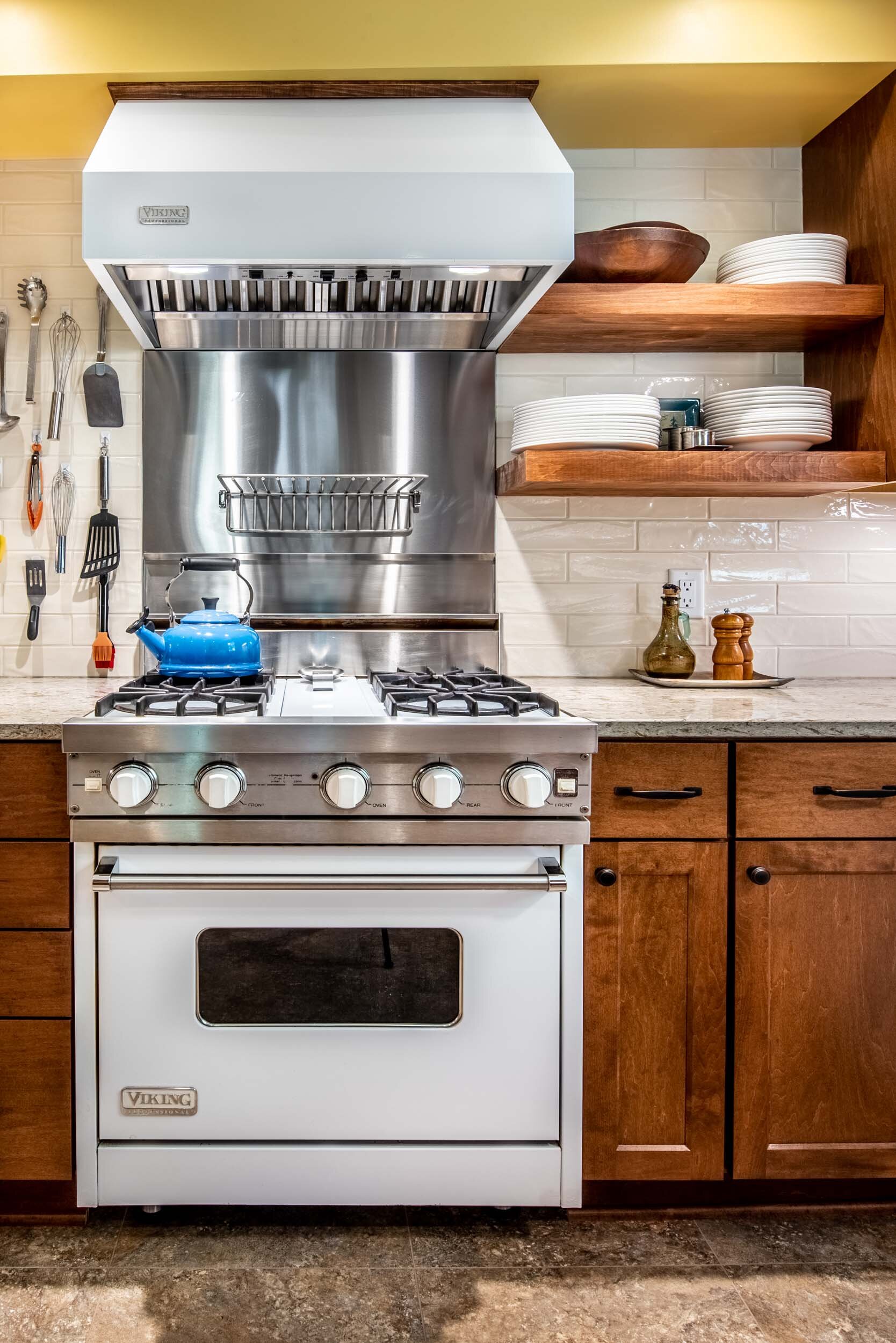
Stainless steel gives a modern look, but it shows grease and fingerprints easily. Here’s how to get a streak-free finish:
- Wipe with soapy water using a soft cloth. Always go along the grain, not against it.
- Rinse and dry. Use a clean cloth to avoid water spots.
- Polish with a few drops of olive oil or a stainless steel cleaner. Buff in the same direction as the grain.
- Remove stubborn spots with a paste of baking soda and water, but avoid scrubbing too hard.
Practical tip: Never use steel wool or abrasive pads—they will scratch and dull the finish.
Cleaning Peel-and-stick Vinyl Backsplash
These are common in rental homes and apartments. They’re easy to clean, but harsh chemicals can damage them.
- Wipe with a damp cloth and mild dish soap.
- For sticky spots, use a bit of diluted white vinegar.
- Rinse and dry. Use a soft, dry towel.
Non-obvious insight: Avoid too much water. Moisture can get under the edges and cause the vinyl to peel.
Cleaning Painted Drywall Backsplash
Painted walls are the most delicate. Use the gentlest method to avoid removing paint.
- Dust first. Wipe gently with a dry cloth.
- Use a very diluted soapy water (just a few drops of dish soap in a spray bottle of water).
- Spray lightly and wipe. Do not soak the wall.
- Blot dry with a soft towel.
If the paint comes off, you may need to touch up with matching paint.
Removing Stubborn Grease And Stains
Sometimes, regular cleaning isn’t enough. Here’s what to do for deep-set stains:
Baking Soda Paste
Mix baking soda and water into a thick paste. Apply to the stain, let sit for 15–20 minutes, then wipe clean. This works for many surfaces except natural stone (check for compatibility).
Vinegar Spray
For tiles, glass, or stainless steel, spray a 50/50 mix of vinegar and water. Let sit, then wipe away. Avoid this method on natural stone.
Commercial Degreasers
If home remedies fail, try a store-bought degreaser. Read labels to make sure it’s safe for your backsplash material. Use sparingly and rinse well.
Scraping
For burnt-on gunk, carefully use a plastic scraper. Never use metal, which can scratch.
Steam Cleaner
A handheld steam cleaner can loosen old grease. Aim the steam at the stained spot, then wipe away the loosened mess. Always check if your material can handle steam.
How Often Should You Clean The Backsplash?
A common question is how often you should clean behind your stove. The answer depends on how much you cook and what you cook.
- Light cooking (once or twice a week): Wipe backsplash weekly.
- Heavy cooking (daily, frying, sauces): Wipe after each cooking session.
- Deep cleaning: At least once a month.
Non-obvious insight: Even if your backsplash looks clean, invisible grease can attract dust and cause yellowing over time. Regular cleaning prevents this.
How To Prevent Backsplash Stains
Cleaning is easier if you can prevent stains in the first place. Here are some practical tips:
- Use a splatter screen when frying or cooking sauces.
- Wipe up spills immediately after cooking.
- Seal grout and stone regularly to block stains.
- Install a stove shelf or ledge to catch drips.
- Choose easy-to-clean materials when renovating.
Small habits, like wiping every time you cook, save you hours of scrubbing later.
Comparing Cleaning Methods For Different Materials
Choosing the right cleaning method saves time and protects your backsplash. Here’s a comparison to help you pick the best for your kitchen.
| Material | Best Cleaning Method | What to Avoid | Difficulty |
|---|---|---|---|
| Tile | Soapy water + baking soda for grout | Harsh abrasives | Easy |
| Glass | Glass cleaner or vinegar + microfiber | Abrasive pads, paper towels | Easy |
| Natural Stone | pH-neutral stone cleaner | Acids, vinegar, lemon, abrasives | Medium |
| Stainless Steel | Soapy water + polish | Steel wool, scouring pads | Medium |
| Vinyl | Mild soap, damp cloth | Harsh chemicals, soaking | Easy |
| Painted Drywall | Light soapy water, gentle wiping | Excess water, scrubbing | Medium |
Special Situations: Dealing With Mold Or Mildew
Sometimes, you may find mold or mildew behind the stove, especially if your kitchen is humid. Here’s how to handle it:
- Wear gloves and a mask. Mold can be harmful if inhaled.
- Make a cleaning solution: Mix one part bleach with three parts water (never mix bleach with vinegar or ammonia).
- Apply to the affected area. Use a sponge or cloth. Let it sit for a few minutes.
- Scrub gently. For grout, use an old toothbrush.
- Rinse and dry completely. Mold grows in moisture, so keep the area dry.
If mold keeps coming back, check for leaks or ventilation problems.
Cleaning Backsplash After A Major Spill
After a big cooking disaster—like a pot boiling over or a sauce explosion—quick action prevents permanent stains:
- Turn off heat and let surfaces cool.
- Blot up as much as possible. Use paper towels or a cloth.
- Apply soapy water or cleaner. Let sit for a few minutes.
- Wipe and repeat as needed. For sticky or colored spills, use baking soda paste or vinegar solution (if safe for your surface).
- Dry thoroughly.
Pro tip: For tomato-based stains, act fast. The longer they sit, the more they set.
Diy Cleaning Solutions: Safe And Effective Recipes
You don’t need fancy products to get your backsplash clean. Here are some simple recipes:
All-purpose Grease Cutter
- 2 cups warm water
- 1 teaspoon dish soap
- 2 tablespoons baking soda
Mix in a spray bottle. Good for tile, glass, vinyl, and stainless steel.
Vinegar Shine Spray
- 1 cup white vinegar
- 1 cup water
Mix in a spray bottle. Use on glass and tiles (not for natural stone).
Baking Soda Scrub
- 3 tablespoons baking soda
- Enough water to make a thick paste
Apply to tough stains, let sit, then scrub gently.
Stone-safe Cleaner
- 2 cups warm water
- 1 teaspoon pH-neutral soap (like castile soap)
Mix and use on natural stone surfaces.
When To Call A Professional
Most backsplash cleaning is a DIY job. However, you may need professional help if:
- Mold keeps returning even after cleaning.
- Grout is crumbling or stained beyond cleaning.
- Severe discoloration on stone or metal that you can’t fix.
- Deep scratches or damage from wrong cleaning methods.
A professional can deep-clean, reseal, or repair your backsplash. This is rare but worth considering for expensive materials.
Safety Tips For Cleaning Behind The Stove
Safety should never be overlooked. Here are some important reminders:
- Always turn off burners and unplug electric stoves before cleaning.
- Ventilate the area by opening windows or turning on the exhaust fan.
- Wear gloves to protect your skin from cleaners.
- Avoid mixing chemicals, especially bleach and vinegar or ammonia.
Taking a few safety steps protects both you and your kitchen.
Maintaining A Clean Backsplash: Daily, Weekly, And Monthly Tasks
A clean backsplash is easier to keep than to restore. Here’s a simple maintenance schedule:
- Daily: Wipe after cooking with a damp cloth.
- Weekly: Clean with soapy water or your favorite cleaner.
- Monthly: Deep clean grout, polish metal or glass, and check for stains.
- Annually: Reseal grout or stone if needed.
Non-obvious insight: Set a reminder on your phone or calendar for monthly and yearly tasks. Consistency is key for an always-clean kitchen.
Real-world Example: Transforming A Greasy Backsplash
Maria, a home cook in Chicago, used to dread cleaning her backsplash. After a year of daily frying and cooking, her white grout was yellow, and the tiles were sticky. She followed these steps:
- Mixed baking soda and water to clean the grout.
- Used soapy water for the tiles.
- Sprayed vinegar (not on the grout) for extra shine.
- Sealed the grout after cleaning.
It took her two hours, but the results were dramatic. Now, she wipes her backsplash every time she cooks, and it never gets out of control.
Eco-friendly And Budget-friendly Cleaning
If you want to avoid chemicals or save money, homemade cleaners are just as effective for most jobs. Vinegar, baking soda, and dish soap handle almost any mess. For tougher stains, a little elbow grease goes a long way. If you want more natural cleaning tips, the EPA’s Safer Choice program lists safe options.
Frequently Asked Questions
Credit: www.thekitchn.com
What Is The Easiest Way To Clean Grease Off A Backsplash?
Mix warm water and dish soap, apply with a sponge, and let it sit for a few minutes. For tough grease, add baking soda. Wipe clean and dry. For glass or stainless steel, finish with a microfiber cloth for shine.
How Do I Remove Stains From Grout Behind The Stove?
Make a paste of baking soda and water, apply to stained grout, and let it sit for 10–15 minutes. Scrub with an old toothbrush, then rinse with clean water. For stubborn stains, repeat or use a grout cleaner.
Can I Use Vinegar On All Types Of Backsplash?
No, vinegar is safe for tile, glass, and stainless steel, but not for natural stone like marble or granite. Vinegar can etch and damage natural stone surfaces. Always check your backsplash material before using vinegar.
How Can I Prevent Future Stains On My Kitchen Backsplash?
Wipe up splatters and spills as soon as they happen. Use a splatter screen when frying. Seal grout and stone regularly, and clean lightly after each cooking session. Quick, regular cleaning prevents tough buildup.
Credit: degnandesignbuildremodel.com
Is It Safe To Use A Steam Cleaner On Backsplash Tiles?
Yes, steam cleaners are safe for most tiles and grout. However, avoid using them on painted drywall or peel-and-stick vinyl, as the heat and moisture can damage these surfaces. Always check manufacturer guidelines for your backsplash.
Keeping the backsplash behind your stove clean isn’t just about appearance—it makes your kitchen healthier and easier to use. With the right tools and habits, even the toughest grease and stains become manageable. Regular cleaning, using gentle methods suited to your specific backsplash material, keeps your kitchen shining and saves you time in the long run.
Whether you’re dealing with tile, glass, metal, or stone, a little care each day prevents big headaches later. Now, you can face that greasy backsplash with confidence and enjoy a fresher, cleaner kitchen every day.