
Keeping the glass on your log burning stove clean is not just about looks. Clear glass lets you watch the flames, check the fire, and enjoy the cozy feeling of a real fire. But if you use your stove often, you know how quickly the glass can become dirty with soot, ash, and sticky stains.
Many people find it hard to clean, worry about scratching the glass, or are confused about which products to use. Some even think that black, clouded glass is normal. But with the right approach, you can keep your stove glass shining and clear for years.
In this article, you’ll learn step-by-step methods to clean log burning stove glass, simple tips to prevent future stains, and solutions for tricky situations. We’ll explore what causes the glass to get dirty, common mistakes to avoid, and how to use both home and commercial cleaning products safely.
By the end, you’ll have all the knowledge you need to keep your stove glass spotless, even if you’ve struggled before.
Why Stove Glass Gets Dirty
Understanding why your log burning stove glass gets dirty helps you clean it better and prevent future problems. Several things can cause a build-up on the glass, making it hard to see the fire.
First, the type of wood you burn makes a big difference. If you use wood that is not fully dry (called “green” wood), it produces more smoke and sticky tar-like substances called creosote. These stick to the glass quickly. Burning softwoods, such as pine or fir, also results in more sap and residue than hardwoods like oak or beech.
Second, poor airflow inside the stove can lead to incomplete burning. This means more particles escape and settle on the glass. If the air vents are closed too much, or the stove is not used correctly, soot builds up faster.
Third, starting fires with newspaper or cardboard can cause ashes and ink to coat the glass. Even using painted or treated wood creates extra residue. Overfilling the stove or letting logs touch the glass also speeds up the process.
Finally, if you don’t clean the glass often, the build-up becomes hard and stubborn. Regular cleaning is much easier than trying to remove months of burnt-on stains.
Tools And Materials Needed
Having the right tools makes cleaning your stove glass safer, faster, and more effective. Not all cleaning products are suitable, and some can even damage your glass or stove. Here’s what you should have ready:
- Heat-resistant gloves: Protect your hands from sharp edges or hot surfaces.
- Soft cloths or paper towels: For wiping and polishing the glass without scratching.
- Stove glass cleaner: Special sprays or gels designed for wood stove glass.
- Old newspaper: For home cleaning methods and extra polish.
- Ceramic hob scraper or razor blade: For stubborn, burnt-on stains (use gently).
- Spray bottle with water: To dampen cloths or newspaper.
- Ash from your stove: A surprisingly effective, natural cleaner.
- Bucket and sponge: For soaking and wiping.
- Soft brush or vacuum: To remove loose ash before cleaning.
- Plastic sheet or old towel: To protect your floor from drips.
Never use abrasive pads, steel wool, or strong chemicals like oven cleaner. These can scratch the glass or damage seals.
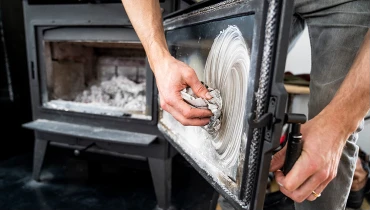
Credit: www.mrhandyman.com
Preparing To Clean
Before you start cleaning, it’s important to prepare your stove and workspace. Cleaning at the wrong time or rushing can make things harder or even dangerous.
1. Wait Until The Glass Is Cool
Never try to clean hot stove glass. Not only can you burn yourself, but spraying cold water or cleaner on hot glass can cause it to crack. Wait until the stove is completely cool—usually, this means several hours after the fire goes out.
2. Clear Away Loose Ash
Open the stove door gently. Use a soft brush or a small vacuum to remove any loose ash from the glass and door frame. This prevents extra mess and stops grit from scratching the glass during cleaning.
3. Protect The Area
Lay down a plastic sheet or old towel under the stove door to catch drips and dirt. This makes cleanup much easier.
4. Check The Seals
While the stove is open, look at the rubber seals around the glass. If they are cracked or loose, avoid getting them wet or spraying chemicals directly on them. Damaged seals should be replaced to keep the stove working safely.
Many beginners skip these steps and end up with streaks, scratches, or a bigger mess. Taking five minutes to prepare will save you time and stress later.
Basic Cleaning Methods
You don’t always need expensive products to clean log burning stove glass. Several simple methods work well for light to moderate dirt. Let’s look at the most popular and effective options.
1. Using Stove Glass Cleaner
Special cleaners are made for the high-heat stains found on wood stove glass. They are safe, fast, and easy to use.
- Spray or apply the cleaner to the cool glass.
- Wait 1–2 minutes to let it dissolve the soot.
- Wipe with a soft cloth or paper towel.
- Repeat if needed for heavy stains.
- Polish with a dry cloth for a streak-free finish.
Most stove glass cleaners are available in hardware stores. Always read the instructions, as some are stronger than others. Avoid letting the cleaner drip onto painted or rubber parts.
2. Cleaning With Ash And Newspaper
This classic method uses only things you already have. Wood ash is a gentle abrasive and works surprisingly well for soot and tar.
- Dampen a piece of newspaper or a soft cloth.
- Dip it into cold, fine wood ash from your stove.
- Rub the ash in circles on the glass.
- Wipe away the loosened dirt with a clean, damp cloth.
- Buff the glass dry with a fresh newspaper.
This method is cheap, eco-friendly, and safe for the glass. Just be sure to use ash from untreated, clean wood. If the glass is very dirty, you may need to repeat the process.
3. Vinegar And Water Solution
If you prefer natural cleaning, mix equal parts vinegar and water in a spray bottle. Vinegar helps cut through grease and smoke stains.
- Spray the solution onto the glass.
- Let it sit for 1–2 minutes.
- Wipe off with a cloth or paper towel.
- Rinse with water and polish dry.
Vinegar is gentle but may not remove heavy tar or creosote. Still, it’s a good choice for regular cleaning.
4. Commercial Cleaning Wipes
Some brands offer special cleaning wipes for stove glass. These are handy for quick cleanups and light soot. Simply wipe the glass and throw away the used wipe. This method is best for maintenance, not deep cleaning.
5. Ceramic Hob Scraper
For stubborn, baked-on spots, a ceramic hob scraper or razor blade can help. Hold the blade flat against the glass and gently scrape off the stains. Never use the corner or apply too much pressure, as this can scratch the glass.
Always finish with a wipe using a damp cloth.

Credit: lektowoodfuels.co.uk
Advanced Cleaning For Tough Stains
Sometimes, stove glass gets a thick layer of black, sticky tar that basic cleaning can’t remove. This is usually creosote, and it needs a stronger approach.
1. Specialist Creosote Removers
These are sprays or gels made to break down tar and creosote. Apply as directed, usually letting the product sit for up to 10 minutes. Wipe away with a damp cloth. Wear gloves and ventilate the room, as these products can have strong fumes.
2. Paste Cleaners
Some stores sell paste cleaners for oven doors or stove glass. These contain gentle abrasives that help scrub away stubborn stains. Apply with a soft cloth, rub gently, then rinse well.
3. Baking Soda Paste
A homemade paste of baking soda and water can help with medium stains. Spread on the glass, wait 10 minutes, then scrub gently. Wipe clean with a damp cloth.
4. Avoiding Abrasive Products
It’s tempting to use steel wool or harsh powders, but these can scratch the glass. Once scratched, the glass will trap more soot and look cloudy. Stick to soft cloths and gentle cleaners.
5. When To Replace Glass
If the glass is pitted, cracked, or permanently stained, it may need replacing. Old or damaged glass is harder to clean and can be unsafe.
Preventing Future Build-up
It’s much easier to keep the glass clean than to restore it once it’s blackened. Simple habits can make a big difference.
1. Burn Only Dry, Seasoned Wood
Well-seasoned wood has less than 20% moisture. Wet wood causes more smoke and sticky residue. Use a moisture meter or buy from trusted suppliers.
2. Use Proper Airflow
Keep stove vents open enough for a hot, clean burn. Good airflow burns off more particles before they reach the glass.
3. Don’t Overfill The Stove
Too many logs reduce airflow and cause more soot. Leave space for air to move around the fire.
4. Don’t Let Wood Touch The Glass
Logs resting against the glass create hot spots and burn marks. Arrange logs so they don’t touch the door.
5. Avoid Burning Trash Or Painted Wood
These create extra residue and can damage your stove.
6. Clean Regularly
Wipe the glass every few days, even if it doesn’t look dirty. Light soot is easy to remove; heavy build-up is not.
7. Check Door Seals
Worn-out seals allow smoke to leak onto the glass. Replace them if needed.
Comparison Of Wood Types For Stove Glass Cleanliness
Here is a helpful comparison of common wood types and their effect on stove glass:
| Wood Type | Residue Level | Effect on Glass |
|---|---|---|
| Oak | Low | Stays cleaner longer |
| Birch | Medium | Some soot, easy to clean |
| Pine | High | Sticky resin, more cleaning needed |
| Unseasoned Wood | Very High | Heavy creosote build-up |
Choosing the right fuel is one of the easiest ways to keep your glass clear.

Credit: www.youtube.com
Common Cleaning Mistakes To Avoid
Even with the best intentions, many people make mistakes that damage their stove glass or make cleaning harder. Here are the most common errors and how to avoid them:
1. Cleaning When Hot
As mentioned earlier, cleaning hot glass can cause cracks and burns. Patience is safer.
2. Using Abrasive Tools
Steel wool, scouring pads, or sandpaper scratch the glass, making future stains worse.
3. Spraying Cleaner On Hot Glass
This can cause the glass to shatter from rapid temperature changes.
4. Letting Cleaner Sit Too Long
Some chemicals can damage seals, paint, or even the glass if left too long.
5. Skipping Regular Maintenance
Letting soot build up over months makes cleaning much harder.
6. Using The Wrong Products
Oven cleaner, bleach, and strong household cleaners are not suitable for stove glass.
7. Not Wearing Gloves
Some cleaning products can irritate your skin. Gloves also protect from sharp edges.
8. Forgetting To Ventilate
Some fumes are strong or harmful. Open a window when using chemical cleaners.
Step-by-step Cleaning Routine
To make things simple, here’s a routine you can follow every week or as needed:
- Make sure the stove and glass are completely cool.
- Lay a towel or plastic sheet under the door.
- Gently brush or vacuum loose ash from the glass and door frame.
- Choose your cleaning method: Stove glass cleaner, ash and newspaper, or vinegar solution.
- Apply the cleaner and wait as directed.
- Wipe with a soft, damp cloth. For stubborn spots, use a ceramic scraper carefully.
- Rinse with water and polish with a dry cloth or newspaper.
- Inspect the glass and seals for damage.
- Dispose of used cloths or newspaper in a safe bin.
- Wash your hands and store cleaning products out of reach of children.
When To Call A Professional
Most stove glass cleaning can be done at home. But if you notice these signs, it’s best to call an expert:
- Cracks, chips, or deep scratches in the glass
- Glass that stays cloudy or stained after cleaning
- Loose or damaged seals around the door
- Smoke leaking from the stove door
- Unusual smells or noises from the stove
A professional can replace glass, fix seals, and check for other problems. Regular servicing keeps your stove safe and efficient.
How Often Should You Clean?
How often you clean your log burning stove glass depends on how much you use it and the type of wood you burn. If you use the stove daily, a quick wipe every two or three days is ideal. For weekend use, cleaning once a week is usually enough. At a minimum, clean the glass at the start and end of the burning season.
Cleaning Frequency Comparison
Here’s a quick comparison for different usage levels:
| Stove Usage | Recommended Cleaning | Notes |
|---|---|---|
| Daily | Every 2–3 days | Prevents heavy build-up |
| Weekly | Once per week | Easy to maintain |
| Occasional | Monthly or as needed | Check after each use |
If you notice soot or haze after a single use, check your wood and airflow.
Safety Tips When Cleaning Stove Glass
Safety should always come first. Here are some essential tips:
- Always let the stove cool completely before cleaning.
- Wear gloves to protect your hands from chemicals and sharp edges.
- Avoid breathing in dust or fumes from cleaning products.
- Keep children and pets away from the stove and cleaning area.
- Store cleaning products in a safe place after use.
- Dispose of used wipes, cloths, or ash safely—never in a fire.
- Open windows if using strong cleaners.
Following these steps prevents accidents and keeps your home safe.
Non-obvious Insights For Beginners
Many beginners don’t realize that using only dry, seasoned wood can reduce cleaning by up to 70%. Investing in a simple moisture meter helps you check wood before burning. Another tip is to check the stove’s airwash system—many modern stoves have a feature that blows air across the glass to keep it clean. Make sure air vents are not blocked, and read your stove’s manual for best results.
Also, remember that dark stains that won’t come off may be on the outside of the glass, not the inside. Clean both sides if possible. Finally, if you see white marks after cleaning, it may be due to hard water or leftover cleaner—use distilled water for the final wipe to prevent these spots.
Environmental Impact Of Cleaning Methods
Choosing the right cleaning method also affects the environment. Using wood ash and newspaper is a zero-waste option. Commercial cleaners often contain chemicals that need careful disposal. Vinegar and water are safe for pets and children, with no harsh fumes.
Whenever possible, choose eco-friendly products and avoid disposable wipes.
Some stove glass cleaners are certified as environmentally safe. Check the label and look for eco-seals if this is important to you. Disposing of ash in the garden (after it is completely cool) can even help some plants.
For more information about wood burning stoves and their maintenance, you can check the official Health and Safety Executive website.
Frequently Asked Questions
How Do I Stop My Log Burning Stove Glass From Turning Black?
The main reasons are burning wet wood, poor airflow, or letting logs touch the glass. Use only seasoned wood, keep air vents open, and arrange logs so they don’t touch the door. Clean the glass regularly to prevent thick build-up.
Can I Use Oven Cleaner On Stove Glass?
No, oven cleaner is too strong and can damage the glass or rubber seals. Use only products made for stove glass, or try natural methods like ash and newspaper.
Is It Safe To Use A Razor Blade On Stove Glass?
Yes, but only for small, stubborn spots and with great care. Hold the blade flat and scrape gently to avoid scratching. Never use the blade on hot or cracked glass.
Why Does My Stove Glass Get Dirty So Quickly?
This usually means the wood is too wet or the stove isn’t getting enough air. Check your fuel and adjust the vents. Burning trash or using poor-quality wood also speeds up dirt build-up.
How Often Should I Clean The Glass On My Stove?
For daily use, clean every 2–3 days. For less frequent use, once a week or after every few fires is enough. Regular cleaning is much easier than removing thick, baked-on stains.
Keeping your log burning stove glass clean is easier than you might think. With the right methods, a little care, and attention to detail, you can enjoy a clear view of your fire all winter long. Your stove will look better, work better, and last longer.