
If you’ve ever noticed cloudy glasses or spotted dishes after running your dishwasher, you’re not alone. Many people face this issue, and often the solution is simple: using rinse aid. Rinse aid helps water slide off dishes, leaving them sparkling clean and dry. But knowing how to fill rinse aid in a dishwasher isn’t always obvious, especially with different dishwasher models and confusing symbols. If you want to improve your dishwashing results, save time drying, and make your dishwasher last longer, understanding rinse aid is essential.
This guide will show you everything you need to know about filling rinse aid—from what it is, how it works, and why it matters, to step-by-step instructions, common mistakes, and troubleshooting. Whether you’re new to dishwashers or just want to get the best performance, you’ll find clear answers and practical tips here.
What Is Rinse Aid And Why Does It Matter?
Rinse aid is a liquid added to your dishwasher to help water spread evenly and drain off dishes. It reduces water spots and speeds up drying. But how does it actually help?
The Science Behind Rinse Aid
When your dishwasher rinses dishes, small droplets can stick to surfaces, especially glass and plastic. These droplets dry and leave behind minerals, causing spots and streaks. Rinse aid contains surfactants—special chemicals that reduce the surface tension of water. This makes water flow off plates and glasses in sheets, so less water remains to cause marks.
Benefits Of Using Rinse Aid
- Spotless Dishes: Rinse aid prevents dried-on water spots, especially on glassware.
- Faster Drying: Dishes come out drier, reducing the need to towel dry.
- Shinier Surfaces: Plates and cutlery look polished and clean.
- Less Residue: Reduces detergent and food residue.
- Protects Dishwasher: Helps stop limescale buildup in hard water areas.
Many dishwasher detergents now include some rinse aid, but most experts agree that using a separate rinse aid delivers the best results—especially if you live in a hard water area.
Recognizing When Your Dishwasher Needs Rinse Aid
Not all dishwashers are the same, and not all homes need rinse aid all the time. Here are some signs that your machine could benefit:
- Cloudy glassware after washing
- Water spots on plates and cutlery
- Dishes not drying properly or still wet after the cycle
- Filmy coating on plastics
Some modern dishwashers have a rinse aid indicator light. If this light comes on, it’s time to refill.
Where Is The Rinse Aid Compartment?
Before you can fill rinse aid, you need to know where to find the compartment. While every dishwasher is a bit different, most models have a similar design.
Common Locations
- On the inside of the door: Usually beside or near the detergent dispenser.
- Round or oval cap: Marked with a symbol (often a star, droplet, or sunburst).
- Under a flip-top cover: Sometimes under a small lid next to the detergent slot.
Check your user manual if you’re unsure, or look for a small cap labeled “Rinse Aid” or a droplet symbol.
How To Fill Rinse Aid In Dishwasher: Step-by-step
Filling rinse aid is quick and easy, but there are a few details to get right. Here’s how to do it safely and effectively.
Step 1: Open The Dishwasher Door
Start with the machine completely off and cool. Open the door fully so you can access the inside.
Step 2: Locate The Rinse Aid Compartment
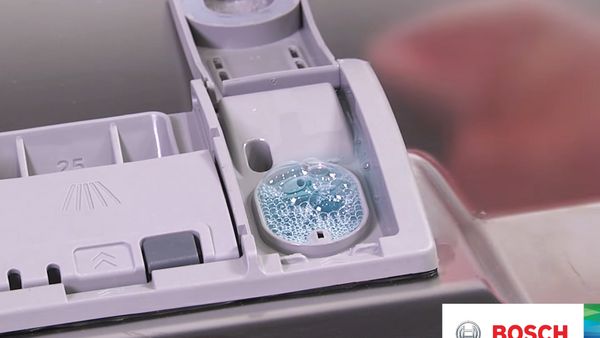
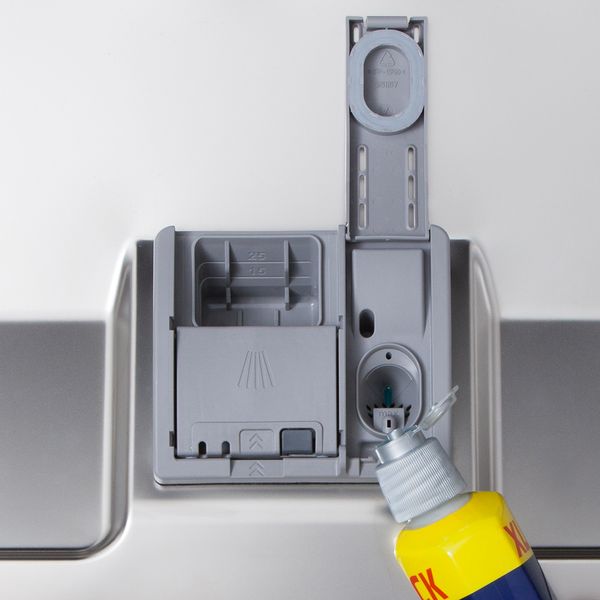
Find the compartment, usually on the inside of the door, next to the detergent dispenser. It will have a cap or cover.
Step 3: Open The Rinse Aid Dispenser Cap
Twist the cap counterclockwise (left) or flip open the cover, depending on the design. Set the cap aside.
Step 4: Pour In Rinse Aid
Slowly pour rinse aid into the compartment. Most compartments have a clear window or indicator showing the fill level. Stop when it reaches the “max” or “full” line. Don’t overfill—it can cause leaks or foaming.
Step 5: Clean Up Any Spills
Wipe up any rinse aid that drips onto the dishwasher door or seal. Rinse aid can foam during the wash cycle if it’s spilled.
Step 6: Close The Cap Firmly
Replace the cap or cover, making sure it’s tight. This keeps the liquid from leaking out during the wash.
Step 7: Close The Dishwasher And Run A Cycle
You’re done! The machine will automatically release the right amount of rinse aid during each cycle.
How Often Should You Refill Rinse Aid?
Most rinse aid compartments last for about a month, depending on how often you run your dishwasher. If you wash dishes daily, check the compartment every 3-4 weeks. If you use it less, refill every 6-8 weeks.
Many dishwashers have a rinse aid indicator—a small clear window or a light on the control panel. When it turns red or shows “low,” it’s time to refill.
Types Of Rinse Aid: Which Should You Choose?
You might see several types of rinse aid at the store. Here’s how to decide which is best for you:
Liquid Rinse Aid
- Most common type
- Easy to pour and measure
- Works with almost all dishwashers
Solid Or Tablet Rinse Aid
- Less common, but good for some older models
- Lasts longer, but can be harder to find
Eco-friendly And Fragrance-free Rinse Aid
- Made from plant-based ingredients
- No added scents—good for sensitive users
Homemade Rinse Aid
Some people use vinegar as a substitute. While it can help, most manufacturers warn against this, as vinegar may damage rubber parts over time.
Comparing Rinse Aid Types
Here’s a quick comparison:
| Type | Pros | Cons |
|---|---|---|
| Liquid | Easy to use, widely available | Needs regular refilling |
| Tablet/Solid | Lasts longer, less mess | Less common, not for all models |
| Eco/Fragrance-Free | Better for allergies, environment | Usually more expensive |
| Homemade (Vinegar) | Cheap, easy to find | May harm dishwasher seals |
Tip: Always check your dishwasher’s manual before using anything other than standard rinse aid.
Setting The Rinse Aid Dosage
Most dishwashers let you adjust how much rinse aid is used per wash. This is important because too much can cause streaks, while too little leads to spots.
How To Adjust The Setting
- Open the rinse aid compartment.
- Look for a small dial or slider—usually numbered 1 to 6.
- The higher the number, the more rinse aid is released each cycle.
- For hard water, use a higher setting; for soft water, use a lower one.
Example Dosage Table
| Water Hardness | Recommended Setting |
|---|---|
| Soft | 1-2 |
| Medium | 3-4 |
| Hard | 5-6 |
If you’re unsure of your water hardness, ask your water supplier or use a test strip.
Common Mistakes When Filling Rinse Aid
Even experienced users can make simple errors that reduce dishwasher performance. Here’s what to avoid:
- Overfilling the compartment: This can cause leaks or foaming.
- Spilling rinse aid inside the dishwasher: Clean up spills, or you may get too many suds.
- Using the wrong product: Only use products labeled as dishwasher rinse aid.
- Ignoring dosage settings: Adjust the amount based on your water hardness for best results.
- Not checking regularly: An empty rinse aid compartment means poor drying and more spots.
- Using vinegar without checking the manual: This can damage seals and void your warranty.
Credit: www.home-connect.com
What If Your Dishwasher Doesn’t Have A Rinse Aid Dispenser?
Some older or budget dishwashers don’t include a built-in rinse aid compartment. What can you do?
- Use an external rinse aid basket: Some brands sell clip-on baskets you can add.
- Switch to an all-in-one detergent: Many modern tablets contain rinse aid.
- Upgrade your machine: If you want spotless dishes and better drying, consider a newer model.
If you’re not sure, check your manual or the manufacturer’s website for your model.
How Much Rinse Aid Should You Use?
Most compartments hold about 100-150 ml (3-5 oz) of rinse aid. This is enough for 15-30 cycles. You don’t need to add rinse aid for every wash—just refill when the compartment is empty.
If your dishes are still wet or have spots, increase the dosage. If you see streaks or a rainbow film, reduce it.
Troubleshooting: When Rinse Aid Isn’t Working
Sometimes, even after filling rinse aid, you may not see better results. Here’s what to check:
- Compartment is clogged: Rinse with warm water and a soft brush.
- Cap is loose: Make sure it’s tightly closed.
- Wrong dosage setting: Adjust the dial up or down.
- Low-quality rinse aid: Try a different brand.
- Hard water: You may need a dishwasher salt or water softener.
- Broken indicator light: Some lights fail—check manually.
- Blocked spray arms: Clean them to ensure water reaches all dishes.
If you’ve tried everything and still have problems, contact a service technician.
Rinse Aid And Water Hardness
Water quality affects how well rinse aid works. Hard water (high in minerals) causes more spots and limescale. Soft water may need less rinse aid.
How To Test Your Water Hardness
- Use a test strip (available at hardware stores).
- Ask your water supplier.
- Hard water needs more rinse aid and possibly dishwasher salt.
Example: Adjusting For Hard Water
If you live in an area with hard water, set your rinse aid dial to the highest setting. You may also see a residue on the inside of your dishwasher—another sign you need more rinse aid.
Real-world Example: Improving Results With Rinse Aid
Let’s say you notice your glasses are cloudy and your plastic containers are always wet after washing. You check your dishwasher and see the rinse aid compartment is empty. After refilling with a good-quality liquid rinse aid and adjusting the dosage to “4” (medium-hard water), you run a cycle.
The next time, your glasses are clear, and most dishes are dry—saving you time and giving you better results.
Rinse Aid And Dishwasher Maintenance
Using rinse aid isn’t just about clean dishes—it also helps your dishwasher last longer.
- Prevents limescale buildup in spray arms and heating elements
- Reduces detergent residue, which can block filters
- Keeps seals from drying out
A well-maintained dishwasher uses less energy and water, saving you money.
Credit: www.bosch-home.com
Comparing Rinse Aid And Multi-action Detergents
Many detergents now claim to include rinse aid. Are they enough?
| Product | Benefits | Drawbacks |
|---|---|---|
| Separate Rinse Aid + Detergent | Best drying, less spotting, adjustable dosage | Extra step to refill |
| All-in-One Detergent Tablets | Convenient, some rinse aid effect | Less effective in hard water, not adjustable |
Expert tip: For best results, use a separate rinse aid, especially with hard water or sensitive glassware.
Environmental Impact And Safety Of Rinse Aid
Some people worry about chemicals in rinse aid. Modern products are tested for safety, but you can choose eco-friendly brands with fewer additives if you prefer.
- Biodegradable options are available.
- Avoid using vinegar unless the manufacturer recommends it.
- Do not mix products (never put hand soap or laundry softener in the dispenser).
Signs You’re Using Too Much Or Too Little Rinse Aid
How Do You Know If Your Dosage Is Correct?
Too Much
- Rainbow streaks on glassware
- Blue tint on clear items
- Unpleasant taste on dishes
Too Little
- Cloudy or spotted glasses
- Wet plastics after drying
- White film on plates
Adjust the setting until you find the right balance.
How Rinse Aid Works With Different Dishwasher Cycles
Most dishwashers automatically release rinse aid during the final rinse. If you use quick or eco cycles, the effect may be reduced. For best results, use a regular or “auto” program.
- Quick cycles: May not heat water enough for good drying.
- Eco cycles: Use less water, can leave more spots.

Credit: www.youtube.com
How To Store Rinse Aid
Keep your bottle of rinse aid:
- In a cool, dry place
- Out of direct sunlight
- Away from children and pets
Check the expiry date—old rinse aid may separate and not work as well.
Frequently Asked Questions
How Do I Know If My Dishwasher Needs More Rinse Aid?
Most modern machines have a rinse aid indicator light or a small window on the dispenser. If the light is on or the window is clear, it’s time to refill. If your dishes have more spots or take longer to dry, that’s also a sign you need more rinse aid.
Can I Use Vinegar Instead Of Commercial Rinse Aid?
While vinegar can help reduce spots, most dishwasher manufacturers warn against using it regularly. Vinegar can damage rubber seals and hoses over time. It’s best to use a proper dishwasher rinse aid, or check your machine’s manual before using any substitute.
Is Rinse Aid Safe For People With Allergies Or Sensitivities?
Most rinse aids are safe when used as directed, but some contain fragrances or dyes. If you have sensitive skin or allergies, look for fragrance-free or eco-friendly rinse aids. These are widely available and clearly labeled.
Do I Need Rinse Aid If I Use All-in-one Dishwasher Tablets?
All-in-one tablets contain some rinse aid, but a separate rinse aid usually gives better results—especially in hard water areas or with lots of glassware. If you notice spots or wet dishes, try adding a dedicated rinse aid.
Where Can I Find More Information About Dishwasher Maintenance?
For more detailed guidance on dishwashers and care tips, you can visit the official Wikipedia Dishwasher page.
Final Thoughts
Filling rinse aid in your dishwasher is a small but important step for sparkling dishes and trouble-free washing. By choosing the right product, adjusting the dosage, and following simple steps, you can avoid spots, save drying time, and keep your machine in top shape.
Don’t wait for problems—check your rinse aid compartment regularly, and enjoy the clean, shiny results every time you open your dishwasher.