
Descaling your Keurig K Slim is not just a simple cleaning task—it’s a key part of keeping your coffee maker running smoothly and your coffee tasting fresh. Over time, minerals from water build up inside your machine. This buildup, called scale, can block water flow, slow down brewing, and even make your coffee taste odd or weak.
Many owners ignore descaling until problems start, but regular maintenance prevents breakdowns and expensive repairs. If you want your Keurig K Slim to last for years and always deliver a great cup, learning how to descale it the right way is essential.
This guide will walk you through every step of descaling your Keurig K Slim, explain why it matters, and share tips to make the process easier. Whether you are new to Keurig or have used one for years, you’ll discover practical advice, common mistakes to avoid, and answers to questions that often confuse users.
Let’s dive in and give your Keurig K Slim the care it deserves.
Why Descaling Matters For Keurig K Slim
Many people think cleaning is enough, but descaling and cleaning are not the same. Cleaning removes dirt and old coffee, but descaling targets minerals like calcium and magnesium that build up inside, especially if you use tap water. These minerals are not harmful to health in small amounts, but they can harm your machine.
A Keurig with scale buildup will:
- Brew more slowly
- Make less hot coffee
- Sometimes stop brewing at all
- Change the taste of your coffee
Keurig recommends descaling every 3-6 months, but if you have hard water, you might need to descale more often. Ignoring this task can shorten the life of your machine and even void the warranty.
What You Need Before You Start
Gathering everything you need before starting saves time and prevents mistakes. Here’s what you’ll need:
- Descaling Solution or White Vinegar: Keurig sells its own descaling solution, but white vinegar works well and costs less. Both are safe, but the official solution is less likely to leave a smell.
- Fresh Water: For rinsing your machine after descaling.
- Large Mug or Container: At least 10-12 ounces to catch water from the brewing process.
- Access to a Sink: For emptying and refilling the reservoir.
- Soft Cloth or Sponge: For wiping the outside and drip tray.
Keurig Solution Vs. Vinegar
Some people wonder which is better. Here’s a quick comparison:
| Feature | Keurig Descaling Solution | White Vinegar |
|---|---|---|
| Effectiveness | Very effective, designed for Keurig | Also effective, especially for light scale |
| Odor After Use | Little to none | Strong vinegar smell, may need extra rinsing |
| Cost | More expensive (about $7–$10 per bottle) | Very cheap (about $2 per bottle) |
| Time Required | Standard (about 45 minutes) | May need more rinse cycles (about 60 minutes) |

Credit: www.youtube.com
Step-by-step Guide: How To Descale Keurig K Slim
1. Prepare The Machine
Start by turning off your Keurig K Slim and unplugging it for safety. Make sure there is no K-Cup pod inside the brewer. Remove the water reservoir, empty any leftover water, and take off the mug stand and drip tray.
Check for any visible dirt or coffee grounds. If you see any, wipe them with a damp cloth. This helps ensure nothing blocks the water flow when you begin descaling.
2. Add Descaling Solution Or Vinegar
Pour the entire bottle of Keurig descaling solution into the empty water reservoir. If you are using white vinegar, fill the reservoir about halfway (usually 10 ounces). Then add fresh water to the MAX line.
For the Keurig solution, fill the empty bottle with water and pour that in as well. Mix gently by swirling the reservoir.
3. Start The Descale Mode
Plug the machine back in. Place your large mug or container on the drip tray. Some Keurig K Slim models have a descale mode:
- Hold the 8oz and 12oz buttons together for 3 seconds until the descale light turns on.
- Press the brew button to start.
If your model does not have a descale mode, just brew as usual without a K-Cup pod.
4. Run The Descaling Cycle
Brew the largest cup size (12oz) and let the machine run until the reservoir is empty. You may need to repeat the brew process several times to use all the solution.
After each cycle, empty the mug into the sink and place it back under the spout.
Important: When the reservoir is almost empty, the machine may pause or make noise. This is normal. When all liquid is gone, turn off the machine and let it sit for 30 minutes. This resting time allows the solution or vinegar to break down any leftover scale.
5. Rinse The Machine
After 30 minutes, remove and rinse the water reservoir with fresh water. Fill it with clean water to the MAX line.
Now, run at least 3 full cycles of fresh water through the machine (with no K-Cup pod) to rinse out any remaining solution or vinegar. Use the largest cup setting each time.
Taste and smell the water. If you notice a vinegar or chemical smell, repeat the rinse until it’s gone. This step often takes longer with vinegar.
6. Clean External Parts
While the machine is rinsing, wipe the outside with a damp cloth. Wash the drip tray, mug stand, and reservoir with warm, soapy water. Let all parts dry before reassembling.
7. Reset The Descale Light
On most Keurig K Slim models, the descale light should turn off automatically after a full cycle. If it stays on:
- Unplug the machine for a few minutes, then plug it in again.
- Make sure you completed all steps, including the rinse cycles.
If the light still does not turn off, check your user manual. Some models require holding certain buttons to reset.
How Often Should You Descale Your Keurig K Slim?
Keurig recommends descaling every 3-6 months. However, your local water’s hardness affects how often you need to descale. If you use well water or live in an area with hard water, minerals build up faster.
Consider these signs that your machine needs descaling sooner:
- Coffee brews more slowly than before
- Coffee tastes weak, sour, or metallic
- The machine makes more noise than usual
- The descale light turns on
To be safe, set a reminder in your phone every 3 months. If you brew several cups per day, you may need to descale more often.
Common Mistakes And How To Avoid Them
Many Keurig owners make simple mistakes when descaling, which can lead to poor results or even damage. Here are common errors and how to avoid them:
1. Forgetting To Remove The K-cup Pod
Always check the pod holder is empty before starting. Running descaling solution through a pod can clog it and cause bad taste.
2. Using Too Little Solution Or Vinegar
Diluting the solution too much makes it less effective. Always follow the correct ratio for the reservoir size.
3. Not Letting The Solution Sit
The 30-minute wait after running the solution is critical. It gives time for the chemicals to dissolve stubborn scale.
4. Skipping Rinse Cycles
If you rush the rinse, your next cup may taste of vinegar or chemicals. Rinse until the smell is gone.
5. Ignoring The Descale Light
Don’t just unplug your machine to “reset” the descale light. This can cause future problems. Always complete a full descale cycle.
6. Not Cleaning Removable Parts
The drip tray, reservoir, and mug stand collect dirt and germs. Wash them with soap every time you descale.
How Descaling Extends Machine Life
Many users notice their Keurig K Slim lasts longer and works better with regular descaling. Scale buildup can clog water lines, damage the pump, and wear out heating elements. A Keurig that is not descaled may break after just a year or two, while well-maintained machines can last 5 years or more.
Here’s a quick look at the impact of regular descaling:
| Descaling Frequency | Average Machine Lifespan | Coffee Quality |
|---|---|---|
| Every 3 months | 5+ years | Excellent, consistent taste |
| Once a year | 2–3 years | Variable, sometimes weak or bitter |
| Never | 1–2 years | Poor, frequent problems |

Credit: www.woolyyarn.com
What To Do If Descale Light Stays On
Sometimes, the descale light will not turn off after you finish all the steps. This is a common frustration. Before you panic, try these steps:
- Make sure you completed the full descale process, including all rinse cycles.
- Unplug the machine for 5 minutes.
- Plug it back in, and try running one more plain water brew cycle.
- On some models, you must hold the 8oz and 12oz buttons together for several seconds to reset the light.
If the light is still on, check the user manual for your specific model. Some units are more sensitive and need a few extra rinse cycles. Don’t ignore the light, as it means the machine senses buildup.
Using Filtered Water: Does It Reduce Descaling?
Many Keurig users wonder if filtered or bottled water means less descaling. While filtered water has fewer minerals, it does not remove all. Over time, some minerals will still collect and form scale. If you use distilled water, your machine may not detect water properly because it needs a small amount of minerals to sense water levels.
Practical advice: Using filtered water may let you stretch descaling to every 4–6 months instead of 3, but never skip this maintenance.
Signs You Need To Descale Now
If you are not sure when you last descaled your Keurig K Slim, watch for these warning signs:
- Brewing slows down or stops mid-cycle
- Coffee is not as hot as before
- Water sputters or sprays instead of flowing smoothly
- The machine makes strange noises or vibrates
These are signals that scale is building up inside. Don’t wait for the descale light; act as soon as you notice these changes.
Can You Use Other Descaling Products?
Keurig recommends using only their official solution or white vinegar. Some stores sell other limescale removers, but these are not designed for coffee makers and may damage plastic or rubber parts. Never use harsh chemicals, bleach, or abrasive cleaners.
If you want to try a different descaler, make sure it is labeled safe for use in single-serve coffee machines. Always rinse the machine thoroughly after use.
Troubleshooting: What If Your Machine Still Has Problems?
If you completed descaling but your Keurig K Slim still brews slowly, leaks, or makes noise, try these steps:
1. Check For Clogs
Remove the pod holder and rinse it. Use a paperclip or Keurig tool to gently clear the needle that pierces the pod.
2. Repeat The Descale
Heavy buildup may need a second round. Run the descaling process again, especially if you have never done it before.
3. Clean The Reservoir Valve
Sometimes, the valve at the bottom of the water reservoir gets blocked. Rinse it under running water and check for debris.
4. Contact Keurig Support
If the problem remains, contact customer service. You can find support at the official Keurig Help Center.
Extra Tips For Keurig K Slim Owners
- Always use fresh, cold water in your reservoir. Never reuse old water.
- Run a plain water brew (no pod) once a week to keep the system clean.
- Store your Keurig with the reservoir empty if you will not use it for a few days.
- If you brew flavored or oily coffees, clean and descale more often. Oils can mix with scale and clog parts faster.
- Write the last descale date on a sticker and put it under the machine.
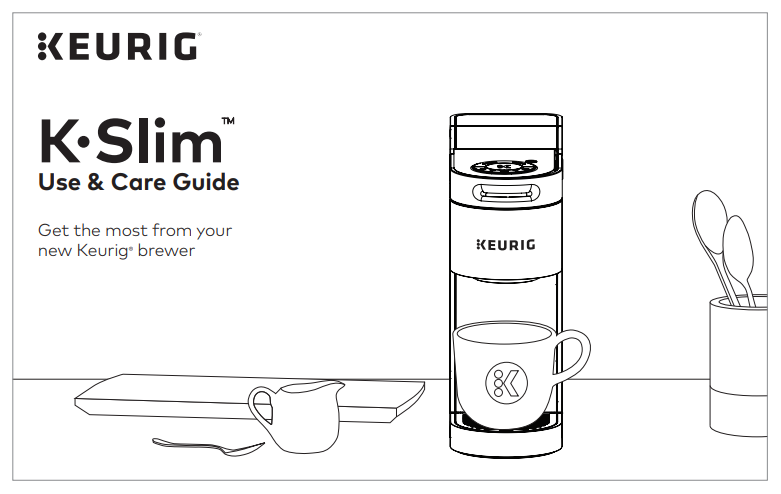
Credit: support.keurig.com
How To Keep Your Keurig K Slim Cleaner For Longer
Descaling is vital, but daily habits also matter. Here are some habits that help:
- Wipe the outside of the machine every few days.
- Wash the removable water reservoir and drip tray weekly.
- Do not leave water sitting in the machine for days. Stale water breeds bacteria and leaves mineral deposits.
- Consider a water filter for your Keurig (some models support a filter you insert in the reservoir).
These habits make your next descale easier and your coffee fresher.
Frequently Asked Questions
How Do I Know If My Keurig K Slim Needs Descaling?
Watch for the descale light turning on, but also look for slower brewing, less hot coffee, or a change in taste. If you live in a hard water area, descale more often, even if the light is off.
Can I Use Lemon Juice To Descale My Keurig K Slim?
Lemon juice is acidic and can break down scale, but it is not recommended for Keurig machines. Lemon juice leaves residue and a strong taste, and may damage parts. Stick with Keurig’s solution or white vinegar.
What Happens If I Never Descale My Keurig K Slim?
Over time, mineral buildup will clog water lines, reduce water flow, and damage the pump and heating system. Your coffee will taste bad, and the machine may stop working. Regular descaling prevents these problems.
How Long Does The Descaling Process Take?
The full process, including resting time and rinsing, usually takes 45–60 minutes. Most of this is waiting for the solution to work and running rinse cycles. Plan to be nearby, but you do not need to watch every step.
Is Descaling The Same As Cleaning My Keurig K Slim?
No. Cleaning removes coffee oils and dirt from visible parts, while descaling removes invisible mineral buildup from inside. Both are important. Clean weekly, descale every 3–6 months.
Taking care of your Keurig K Slim is simple, but it makes a big difference. With regular descaling and smart habits, you’ll enjoy better coffee and a longer-lasting machine. Don’t wait until there’s a problem—keep your Keurig in top shape with these easy steps.