
Drying herbs at home is a smart way to keep their taste and smell for months. If you’ve ever used fresh oregano in your kitchen, you know how strong and wonderful its flavor is. But fresh oregano does not last long in the fridge.
That’s why learning how to dry oregano in the oven is a great skill for any home cook. This method is quick, safe, and works even if you don’t have much space or special equipment.
Oven drying is not just about removing moisture; it’s about keeping the essential oils that give oregano its unique flavor. Many people think sun drying is easier, but it’s not always safe or practical. The oven gives you control over time and temperature, which means you get the best dried oregano every time.
In this guide, you’ll learn everything you need to know about drying oregano in the oven. You’ll get clear steps, tips to avoid common mistakes, and advice on how to use and store your dried oregano. Whether you’re an experienced cook or just starting out, you’ll be able to keep that garden-fresh taste all year round.
Why Dry Oregano?
Drying oregano is more than just a way to save it from spoiling. When you dry oregano, you:
- Make it last for up to a year without losing much flavor
- Save money, since store-bought dried herbs are expensive
- Control the quality and purity (no additives or old leaves)
- Have fresh-tasting herbs ready for pizza, soups, and sauces anytime
Fresh oregano has a strong, spicy smell. When you dry it the right way, most of that flavor stays in the leaves. If you use oregano often, drying your own makes a big difference in your cooking.
Some people believe dried oregano is actually stronger than fresh. This is because the drying process makes the flavors more concentrated. You can use less dried oregano to get the same punch as a handful of fresh leaves.
Choosing Oregano For Drying
Not all oregano is the same. The most common types are Greek oregano (Origanum vulgare) and Italian oregano. Both are great for drying, but Greek oregano is famous for its bold taste.
For the best results, pick oregano that:
- Is healthy, green, and free from spots or bugs
- Was harvested in the morning (after dew dries but before the sun is strong)
- Has not started to flower, as leaves are most flavorful before blooms
If you grow your own oregano, cut the stems above a set of leaves. This helps the plant grow back quickly. If you buy fresh oregano, use it as soon as possible for drying.
A common mistake is drying oregano that is too old or already wilting. Old leaves lose oils and won’t taste as strong after drying. Always use the freshest oregano you can find.
Preparing Oregano Before Drying
Before you start drying, you need to clean and prep your oregano. This step is important for food safety and for the best flavor.
- Wash the oregano under cool running water. Gently rub the leaves with your fingers to remove dirt and tiny bugs.
- Shake off excess water. Do not twist or squeeze the stems, as this can bruise the leaves.
- Dry with paper towels or a clean kitchen towel. Lay the oregano flat and press softly.
- Let it air dry for 15–30 minutes. Spread the stems on a tray or rack so air can reach all sides.
Make sure the oregano is not wet when it goes into the oven. Wet leaves take longer to dry and may lose more flavor. If you’re in a hurry, you can use a salad spinner after washing, but be gentle.
Another important tip: remove any yellow or damaged leaves before drying. They can taste bitter and affect the final quality.
How Oven Drying Works
Oven drying uses gentle heat and airflow to remove moisture from oregano. The key is to use a low temperature, so the essential oils that give oregano its flavor do not burn off.
When drying oregano in the oven, you want:
- Low temperature (ideally 170–200°F or 75–95°C)
- Good air circulation
- Even spacing of leaves
If your oven does not go as low as 170°F (75°C), you can prop the oven door open slightly to reduce the heat. This also lets moisture escape, which helps the oregano dry faster and more evenly.

Credit: brooklynfarmgirl.com
Step-by-step: How To Dry Oregano In The Oven
Oven drying is easy, but small details make a big difference. Follow these steps for the best results.
1. Preheat Your Oven
- Set your oven to the lowest possible temperature (170–200°F or 75–95°C).
- If your oven has a fan (convection mode), use it for better airflow.
- Let the oven heat up for 10–15 minutes before you put the oregano in.
2. Prepare The Oregano
- Remove the leaves from thick stems. Small, thin stems can be left on.
- If you want, keep whole sprigs for a more rustic look.
- Arrange the oregano in a single layer on a baking sheet lined with parchment paper or a wire rack.
Do not pile the leaves on top of each other. Overlapping leaves dry unevenly.
3. Place The Oregano In The Oven
- Put the tray on the middle rack.
- If you are drying a lot, use multiple trays, but don’t let them touch.
If your oven runs hot, crack the door open with a wooden spoon. This keeps the temperature gentle and lets steam escape.
4. Drying Time
- Let the oregano dry for 60–90 minutes.
- Check after 30 minutes. Rotate the tray if needed for even drying.
- Oregano is done when the leaves are crisp and crumble easily.
Some ovens dry herbs faster, others slower. Always check early to avoid burning.
5. Cool And Store
- Remove the tray from the oven and let the oregano cool completely.
- Gently rub the leaves off the stems (if you left them on).
- Store dried oregano in airtight containers, away from light and heat.
Use glass jars, metal tins, or dark plastic containers. Label with the date so you know when to use them by.
Below is a simple table comparing drying times and temperatures for different ovens:
| Oven Type | Temperature | Approx. Drying Time | Notes |
|---|---|---|---|
| Conventional | 170°F (75°C) | 70–90 min | Rotate tray halfway |
| Convection | 180°F (82°C) | 50–70 min | Use fan for airflow |
| Gas | Lowest setting | 80–100 min | Crack door for airflow |
Tips For Best Results
Drying oregano seems simple, but a few tricks make your results even better.
- Use parchment paper to prevent sticking and to keep small leaves from falling through racks.
- Keep the oven door slightly open to let out moisture.
- Check often during the last 20 minutes. Oregano can burn quickly at the end.
- Cool before storing. Warm leaves can create condensation in containers.
- Label your jars. Write the drying date so you know how old your oregano is.
A non-obvious tip: if your oven has hot spots, move the tray around every 20 minutes. Even small differences in heat can cause uneven drying.
Another insight: do not crush oregano until you are ready to use it. Whole dried leaves keep their flavor much longer than crushed or ground oregano.
Common Mistakes When Drying Oregano
Even experienced cooks can make mistakes when drying herbs in the oven. Here are some common errors and how to avoid them:
1. Setting The Oven Too High
Oregano leaves are thin and full of essential oils. High heat destroys both flavor and color. Always use the lowest setting.
2. Not Cleaning The Oregano Well
Dirt and insects can hide in the leaves. Wash gently but thoroughly.
3. Drying Wet Leaves
Moisture slows the process and can lead to mold. Pat oregano dry before oven drying.
4. Overcrowding The Tray
Leaves need space for air to circulate. Piling them up leads to uneven drying.
5. Forgetting To Check For Doneness
Ovens vary. Check regularly; oregano is ready when it is crisp and breaks easily.
6. Storing Before Fully Cooled
Warm oregano in a jar can sweat and spoil. Always let it cool to room temperature.
7. Storing Near Heat Or Light
Both fade color and flavor. Use dark, cool cupboards and containers.
Many beginners think faster is better and turn up the heat. This ruins the oregano. Patience pays off with strong, green, tasty dried herbs.
How Oven-dried Oregano Compares To Other Methods
Oven drying is one of several ways to dry oregano. Here’s how it compares to other common methods:
| Drying Method | Time Needed | Flavor Retained | Risk of Mold | Best For |
|---|---|---|---|---|
| Oven Drying | 1–1.5 hours | Good | Low | Quick results |
| Air Drying | 5–10 days | Excellent | Medium–High | Large batches, dry climates |
| Microwave Drying | 2–4 minutes | Fair | Low | Very small amounts |
| Dehydrator | 2–4 hours | Excellent | Low | Herb enthusiasts |
Oven drying is a great balance between speed and flavor. Air drying gives the best taste but takes days and needs dry air. Microwaves are fast but easy to overdo, which can burn the leaves. Dehydrators are excellent but not everyone owns one.
Storage: Keeping Dried Oregano Fresh
How you store dried oregano is almost as important as how you dry it. Proper storage keeps the flavor strong and the leaves green.
- Use airtight containers. Glass jars with tight lids are best.
- Keep containers away from light. Sunlight fades color and flavor.
- Store in a cool, dry place. Heat and moisture are the main enemies.
- Do not crush until needed. Whole leaves keep oils inside longer.
If you see any signs of mold or smell musty, throw the oregano away. Properly dried and stored oregano should last 6–12 months.
One non-obvious tip: add a small pack of silica gel (the kind used in food storage) to your jar. This absorbs any extra moisture and keeps oregano crisp.
How To Use Oven-dried Oregano
Dried oregano is a must-have in many kitchens. It adds a classic flavor to:
- Pizza and pasta sauces
- Roasted meats and vegetables
- Salad dressings and marinades
- Soups and stews
Because dried oregano is stronger than fresh, use less. As a rule, use one-third the amount of dried oregano compared to fresh in recipes. For example, if a recipe calls for 1 tablespoon fresh, use 1 teaspoon dried.
For the best flavor, crush the dried leaves between your fingers just before adding to food. This releases the oils and boosts aroma.
A tip: sprinkle dried oregano over hot food right before serving. The heat wakes up the oils for the strongest taste.

Credit: brooklynfarmgirl.com
How Much Oregano To Dry
A big bunch of fresh oregano shrinks a lot after drying. Here’s a rough guide:
- 1 cup fresh oregano leaves = about 1/3 cup dried leaves
- 3–4 fresh sprigs = 1 tablespoon dried leaves
If you cook often, dry more than you think you’ll need. Oregano keeps well if stored correctly, and you can always share extra with friends or family.
Troubleshooting: If Things Go Wrong
Drying oregano in the oven is simple, but sometimes problems come up.
Leaves Turn Brown Or Black
- The oven was too hot, or the leaves were too close to the heating element. Try a lower temperature next time.
Oregano Is Not Crisp After Drying
- It may still be a little wet. Put it back in the oven for 10–15 more minutes, checking often.
Flavor Seems Weak
- Old or wilted oregano loses oils before drying. Always start with the freshest herbs possible.
Mold Forms In The Jar
- Oregano was not fully dried or cooled before storage, or the container was not airtight. Throw out and dry a new batch.
Remember: practice makes perfect. Each oven is a little different, so don’t be afraid to adjust the process.
Safety Tips For Oven Drying
Food safety matters, even with herbs. Here’s how to make sure your dried oregano is safe to use:
- Wash oregano before drying to remove dirt and bugs.
- Use clean, dry trays and containers.
- Dry at a temperature above 140°F (60°C) to kill bacteria.
- Never dry oregano that smells “off” or has mold spots.
- If in doubt, throw it out. It’s not worth getting sick.
Oven drying is safer than air drying in humid climates, where mold is a bigger risk.
Is Oven-dried Oregano As Good As Store-bought?
Many people wonder if homemade dried oregano can match what’s sold in stores. The answer is yes—and often, it’s better.
- Homemade oregano is usually fresher than store-bought, which may be months old.
- You control the drying and storage, so there are no added preservatives.
- The flavor is often stronger and more natural.
The only downside is that color may not be as bright green as commercial oregano, which is sometimes treated to look fresh. But in taste tests, most cooks prefer home-dried oregano.
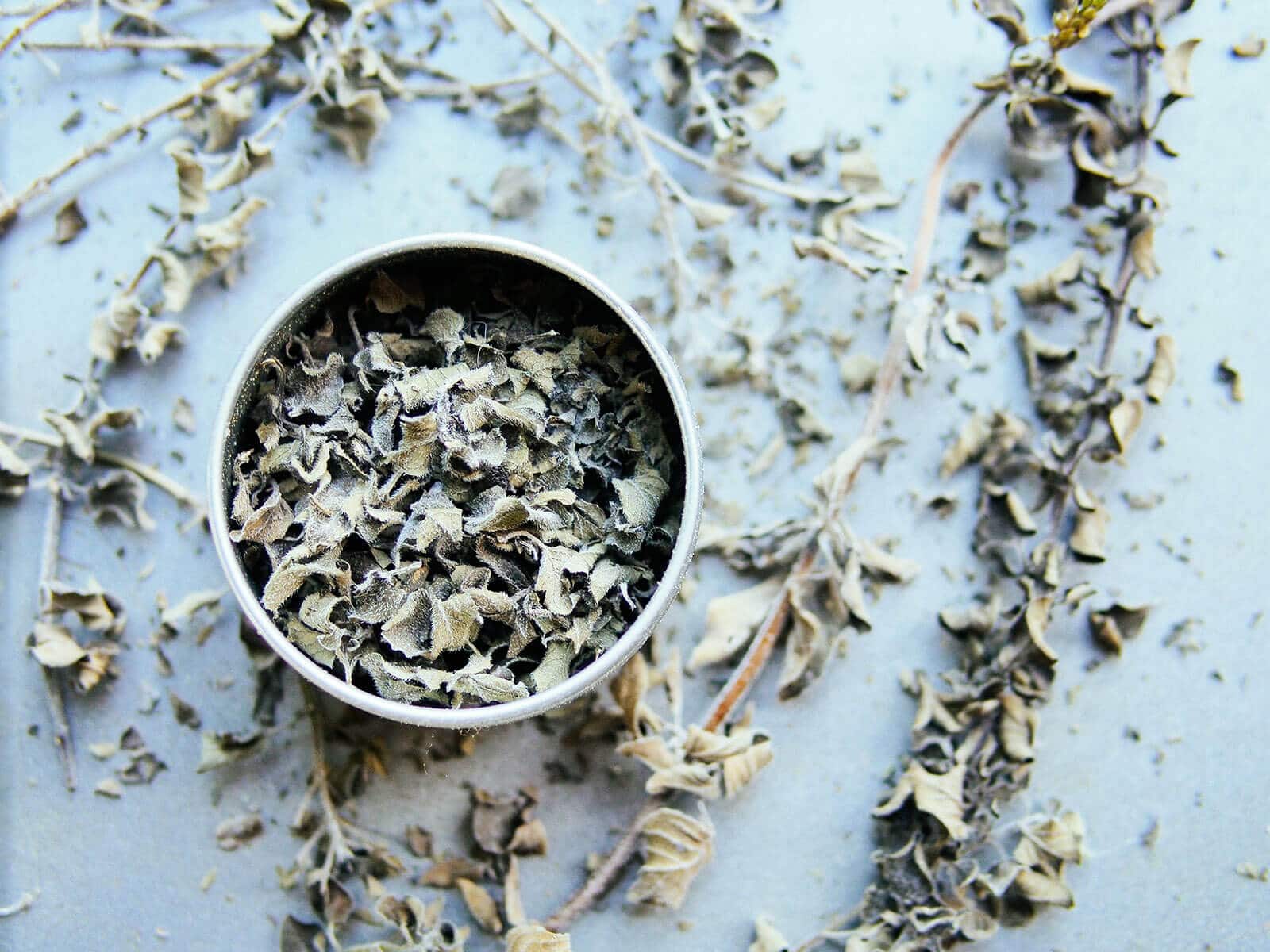
Credit: gardenbetty.com
Oregano Varieties: Which Is Best For Drying?
Oregano comes in many types, but the most popular for drying are:
- Greek oregano (Origanum vulgare): Very strong, peppery flavor. Great for pizza and Italian dishes.
- Italian oregano: Milder, with a hint of sweetness.
- Syrian oregano: Used in Middle Eastern cooking, slightly citrusy.
- Mexican oregano: Not true oregano, but a related plant. Has a lemony, earthy taste.
For oven drying, Greek and Italian types work best. Their leaves are thick and hold flavor well.
If you want to learn more about the differences, check out the detailed guide at Wikipedia.
Saving Time: Drying Other Herbs With Oregano
You can dry other herbs (like thyme, sage, or marjoram) at the same time as oregano. They have similar drying times and temperatures. Just don’t mix herbs with very different drying needs (like basil, which dries faster and at lower heat).
Group herbs by their texture and moisture level. Always label containers so you don’t mix up flavors.
Environmental Impact: Is Oven Drying Sustainable?
Oven drying uses more energy than air drying but less than running a dehydrator for many hours. If you dry herbs often, try to:
- Dry larger batches at once to use energy efficiently.
- Use the oven after cooking something else, while it cools down.
- Consider air drying during hot, dry weather to save electricity.
For most home cooks, the energy use for small batches is not very high. The main benefit is less food waste and fewer plastic herb jars.
Scaling Up: Drying Large Batches
If you grow a lot of oregano, you may want to dry several trays at a time. Here are tips for bigger batches:
- Use multiple baking sheets, but make sure air can move between them.
- Rotate trays from top to bottom every 20–30 minutes.
- Don’t overload the oven, or herbs may steam instead of dry.
- If you have a convection oven, use it. The fan helps with even drying.
For very large amounts, you may want to use a dehydrator or combine oven drying with air drying for efficiency.
Creative Uses For Dried Oregano
Dried oregano is not just for cooking. Try these ideas:
- Mix with olive oil for a homemade salad dressing.
- Add to homemade bread or crackers for flavor.
- Blend with salt and garlic for a spice rub.
- Use in herbal teas for a mild, earthy taste.
A fun project: make your own Italian seasoning by mixing dried oregano with basil, thyme, rosemary, and marjoram.
Testing The Quality Of Dried Oregano
Good dried oregano should be:
- Crisp, not soft or rubbery
- Green (not brown or yellow)
- Strong-smelling, with a spicy aroma
If your oregano is dull in color or smells weak, it may be too old or was dried at too high a temperature.
A simple test: crush a leaf between your fingers. It should break easily and release a cloud of scent.
Cost Savings: Homemade Vs. Store-bought
Drying your own oregano saves money, especially if you grow it yourself. Here’s a rough comparison:
| Source | Cost per Ounce (28g) | Flavor Quality | Packaging |
|---|---|---|---|
| Homemade (garden) | Less than $0.50 | Excellent | Reusable jars |
| Store-bought jar | $2–$7 | Good | Plastic or glass |
| Farmer’s market | $1–$3 | Very good | Paper or bulk |
If you use a lot of herbs, oven drying at home is a smart investment.
Frequently Asked Questions
How Do I Know When Oregano Is Fully Dried In The Oven?
Oregano is done when the leaves are crisp and crumble easily between your fingers. If they bend or feel soft, they need more time. Check every 10–15 minutes near the end, as herbs can go from perfect to burnt quickly.
Can I Dry Oregano In The Oven With Other Herbs?
Yes, you can dry similar herbs (like thyme, marjoram, or sage) together. Make sure they are in single layers and do not mix herbs with different drying times, such as basil or parsley.
How Long Does Oven-dried Oregano Last?
Properly stored oven-dried oregano can last 6 to 12 months. Keep it in an airtight container, away from light and heat, for the best flavor.
Is Oven Drying Better Than Using A Dehydrator?
Oven drying is faster and doesn’t need extra equipment. Dehydrators keep more flavor and color, but for most home cooks, the oven is easier and gives great results if you use a low temperature.
What Can I Do If My Dried Oregano Tastes Weak?
Weak flavor usually means old oregano or drying at too high a heat. Next time, use the freshest herbs and dry at a lower temperature. Store whole leaves and crush only before use to keep the taste strong.
Drying oregano in the oven is easy and rewarding. With a little care, you can enjoy garden-fresh flavor all year—and never buy expensive jars again.