
Warming a towel in the microwave might sound simple, but doing it safely and effectively takes a bit more knowledge than most people realize. Whether you want a cozy towel after a shower, need a warm compress for sore muscles, or want to pamper guests, a perfectly heated towel can make a big difference. Many people have questions: Can all towels go in the microwave? How long should you heat them? What mistakes should you avoid? This guide will answer these questions and more, helping you make towel warming a safe, easy, and enjoyable experience.
Microwaving a towel is not just about comfort—it’s also about hygiene and convenience. For example, spas use this technique for facial treatments and massage therapy. At home, a warm towel can turn a regular bathroom routine into a small luxury.
But without the right steps, you could end up with a burnt towel, a broken microwave, or even a fire hazard. Let’s look at how to heat a towel in the microwave the right way, with practical steps, safety tips, and insider advice that even experienced users sometimes miss.
Why Heat A Towel In The Microwave?
Heated towels are not just for luxury hotels or spas. There are several practical reasons to warm towels at home:
- Comfort after bathing: A warm towel feels soothing on your skin, especially in cold weather.
- Muscle relief: Heat helps relax sore muscles and joints. A warm towel can act as a simple compress.
- Skincare routines: Many facial treatments work better with a warm, moist towel to open pores.
- Soothing children or pets: A warm towel can calm babies or nervous animals.
- Quick cleaning or stain removal: Warm, damp towels help clean surfaces or remove stains more effectively.
Microwaving a towel is fast, energy-efficient, and doesn’t require special equipment. It’s a simple way to add comfort and care to daily routines.
What Towels Can You Heat In The Microwave?
Not all towels are suitable for microwaving. Choosing the right towel is the first step to safe and effective heating.
Material Matters
The safest options are 100% cotton towels. Cotton absorbs moisture well and handles heat without melting or releasing dangerous fumes. Avoid towels with:
- Synthetic fibers (like polyester, nylon, or acrylic): These can melt, burn, or give off harmful chemicals.
- Decorative threads or prints: Metallic threads, sequins, or glitter can spark and damage your microwave.
- Rubberized grips: Some towels have non-slip backing, which is not microwave-safe.
Size And Thickness
A small to medium-sized hand towel or washcloth is best. Oversized bath towels might not heat evenly and can become too hot to handle. Thicker towels hold heat longer, but they also take more time to warm up.
Condition
Use clean, damp towels. Dirty towels can smell bad when heated, and dry towels can become a fire hazard.
Special Cases
Some towels come with labels indicating if they are microwave-safe. Always check these before using.
Step-by-step: How To Heat A Towel In The Microwave
Warming a towel in the microwave is simple if you follow these steps:
- Wet the Towel: Run the towel under cold or lukewarm water until it is fully soaked.
- Wring Out Excess Water: The towel should be damp, not dripping. Too much water can make the towel heavy and create steam.
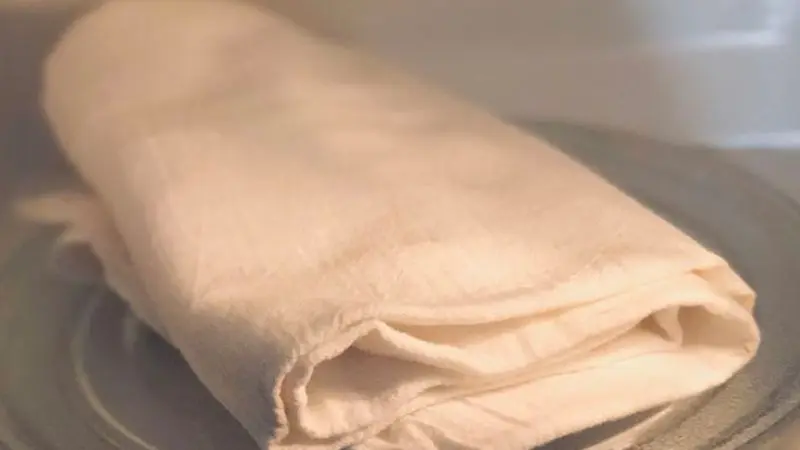
- Roll or Fold the Towel: Rolling keeps heat inside and ensures even warming. Folded towels also work for compresses.
- Place in a Microwave-Safe Dish: Use a ceramic or glass plate. Avoid plastic or metal.
- Microwave on High for 30 Seconds: Start with 30 seconds on high power. Add more time (10–20 seconds at a time) if needed.
- Check the Temperature: Carefully unroll or open the towel (use tongs if it’s hot). Test the heat with your hand before using.
- Apply the Warm Towel: Use immediately for the best effect. If it cools too fast, you can reheat it as needed.
Example
Suppose you want a towel for your face. Wet a small washcloth, wring it out, roll it up, and place it on a microwave-safe plate. Heat for 30 seconds, check the temperature, and if it’s not warm enough, microwave for another 10 seconds.
Common Mistakes And How To Avoid Them
Microwaving a towel seems easy, but several common mistakes can cause problems:
- Heating a Dry Towel: Dry towels can catch fire in the microwave. Always make sure your towel is damp.
- Using Synthetic Towels: Polyester or nylon towels may melt or burn. Stick to cotton.
- Microwaving Metal or Decorative Elements: Towels with metallic decorations can spark and damage your microwave.
- Overheating: Heating for too long can burn the towel or make it dangerously hot. Short bursts are safer.
- Not Checking Temperature: Towels can get much hotter than expected. Always check before applying to skin, especially for children or sensitive areas.
Credit: www.vevor.com
Safety Tips For Heating Towels In The Microwave
Warming towels in the microwave is safe if you follow these guidelines:
- Never leave the microwave unattended while heating a towel.
- Use microwave-safe dishes only; avoid plastic and metal.
- Check the towel temperature before use to prevent burns.
- Do not reheat the same towel multiple times without re-wetting it.
- Keep children away from hot towels to avoid accidental burns.
- Watch for steam burns when unrolling a hot towel.
How Long Should You Microwave A Towel?
Heating time depends on towel size, thickness, and microwave power. Here is a basic guideline:
| Towel Size | Microwave Power (Watts) | Heating Time (Seconds) |
|---|---|---|
| Washcloth | 700 | 20–30 |
| Hand Towel | 1000 | 30–40 |
| Bath Towel (Folded) | 1200 | 45–60 |
Always start with the lowest time in your range. Add 10-second intervals if more heat is needed. Microwaves vary, so adjust as needed.

Credit: www.wikihow.com
When To Use A Warm Towel
Heated towels are useful in many situations:
- After a shower: Wrap yourself for a cozy, spa-like feeling.
- Facial treatments: Open pores for better cleansing or mask absorption.
- Muscle or joint relief: Soothe aches or stiffness with a warm compress.
- Cold weather: Warm up quickly after coming indoors.
- Soothing pets or babies: Calm them during stressful times or after a bath.
Comparing Microwave Heating With Other Methods
There are several ways to heat a towel, each with pros and cons.
| Method | Speed | Ease | Heat Control | Best For |
|---|---|---|---|---|
| Microwave | Very Fast | Easy | Medium | Quick comfort |
| Towel Warmer | Slow | Easy | High | Multiple towels |
| Oven | Medium | Medium | Low | Large towels |
| Hot Water | Medium | Messy | High | Compresses |
Microwave heating is fastest and most convenient for one or two towels, but dedicated towel warmers give more precise heat for larger groups or frequent use.
Advanced Tips For Perfectly Heated Towels
Even experienced users can improve their results with these lesser-known tips:
- Add a few drops of essential oil to your damp towel before microwaving. This creates a spa-like scent and boosts relaxation.
- Use two towels: Wrap a thinner, hot towel inside a dry towel. The dry towel holds the heat longer and prevents the hot one from cooling too fast.
- Preheat your plate: Heat the plate for 30 seconds before adding the towel. This helps maintain even heat.
- Fold for compresses: For muscle relief, fold the towel into a thick square before heating. It stays hot longer and is easier to place on sore spots.
- Use a microwave cover: Placing a microwave-safe cover or lid (with vents) over the towel helps trap steam and heat evenly.
Cleaning And Caring For Towels Used In The Microwave
Heated towels absorb sweat, oils, and skincare products. Keeping them clean is important for hygiene and performance.
- Wash after every use if used for skincare or cleaning.
- Use fragrance-free detergent to avoid skin irritation.
- Avoid fabric softeners: These can coat fibers and make towels less absorbent.
- Check for wear: Torn or fraying towels can get worse in the microwave.
If your towel smells after heating, it’s time for a wash or a replacement.
Can You Reuse The Same Towel?
You can reheat the same towel several times in a day as long as it stays clean and damp. But after a few uses, bacteria can grow, or the towel may develop odors. For skincare or wounds, always use a fresh, clean towel.
Practical Uses For Heated Towels
Heated towels are more versatile than most people think. Here are some practical uses:
- Facial steam: Open pores before applying masks or treatments.
- Hand or foot wraps: Soothe cold, sore hands or feet during winter.
- Post-workout relief: Ease muscle tension after exercise.
- Pet care: Calm anxious pets after a bath or during storms.
- Home spa: Add luxury to home treatments like manicures, pedicures, or massages.
- First aid: Use as a moist heat pack for sprains, cramps, or headaches.
What To Avoid When Heating Towels
Some materials and practices should never be used:
- No dry towels: Fire risk is real.
- No synthetic blends: They melt or burn.
- No decorative elements: Sequins, metallic threads, or beads can spark.
- No plastic or rubber: Handles, grips, or tags can release fumes.
- No overheated towels: Burns are a real risk, especially for kids or sensitive skin.
How To Store Heated Towels
If you want to keep towels warm for a longer time (such as for guests or spa treatments), follow these steps:
- Heat the towel as usual.
- Place in an insulated container: Use a clean thermos, heat-proof bag, or covered dish.
- Wrap in foil: Aluminum foil helps keep towels warmer for longer.
- Store in a warm place: Avoid cold surfaces.
Towels will stay warm for about 15–30 minutes, depending on thickness and insulation.
Environmental And Energy Considerations
Microwaving a towel is energy-efficient for small batches. It uses less electricity than towel warmers or ovens for one or two towels. To minimize waste:
- Use only as much water as needed.
- Choose reusable cotton towels.
- Avoid single-use wipes or disposable cloths.
Cotton towels last for years and can be composted at the end of their life.
The Science Behind Heating Towels In The Microwave
Microwaves work by exciting water molecules inside the towel. This produces friction, which creates heat. That’s why a damp towel warms quickly, while a dry towel stays cold (or burns). Cotton is best because it holds water evenly and releases heat slowly.
Some towels may heat unevenly if they are too thick or folded tightly. Spreading the towel out or rearranging halfway through heating can help.
Special Considerations For Children, Elderly, And Sensitive Skin
Hot towels can burn delicate skin. For safety:
- Test the towel on your own wrist before applying to children or elderly people.
- Use shorter heating times.
- Never leave a hot towel unattended with children or pets.
- Avoid essential oils if there is any allergy risk.
If you see redness or discomfort, remove the towel right away.
Troubleshooting: Problems And Solutions
Even with care, you might face some issues.
- Towel is too hot: Let it cool for a few seconds, or wave it in the air before using.
- Towel dries out: Re-wet before reheating.
- Uneven heating: Shake out and refold the towel, then microwave again for 10 seconds.
- Burnt smell: Stop immediately and check for burn marks. Use less time and more water next time.
Credit: www.vevor.com
Alternatives To Microwaving Towels
If you don’t have a microwave, try these options:
- Towel warmer: Designed for this purpose, but slower and more expensive.
- Oven: Place a damp towel in a covered dish at low heat (150°F/65°C) for 5–10 minutes.
- Hot water: Soak the towel in hot water, wring out, and use immediately.
These methods work, but microwaving is usually fastest and most convenient for one or two towels.
Comparing Towel Types For Microwave Use
Not all towels perform the same in the microwave. Here is a comparison of popular towel materials:
| Material | Microwave Safety | Heat Retention | Feel on Skin |
|---|---|---|---|
| 100% Cotton | Excellent | Good | Soft |
| Bamboo Cotton Blend | Good | Excellent | Very Soft |
| Microfiber | Poor | Fair | Slick |
| Polyester | Unsafe | Poor | Rough |
For best results, always choose 100% cotton or bamboo blends.
Real-world Data: How People Use Microwave-heated Towels
A recent survey of home spa users found:
- 65% use microwave-heated towels for skincare
- 45% use them for muscle relief
- 40% use them after showers
- 15% use them for pet care
These numbers show that heated towels are popular for many needs, not just one.
When Not To Use A Microwave To Heat Towels
There are times when microwaving a towel is not the best choice:
- Large groups: For many towels, use a towel warmer or oven.
- Delicate towels: Very thin or old towels may fall apart.
- Uncertain materials: If you’re not sure about fibers, don’t risk it.
- Broken or old microwaves: Malfunctioning appliances can be a fire hazard.
If in doubt, choose a different method.
Where To Learn More
If you want to dive deeper into towel safety, microwave care, and home spa tips, check out the guidance from the Wikipedia page on microwave ovens for more background on microwave safety.
Frequently Asked Questions
Can I Microwave A Completely Dry Towel?
No. Never microwave a dry towel. It can easily catch fire because there’s no water to absorb microwave energy. Always make sure the towel is damp before microwaving.
How Do I Know If My Towel Is Microwave Safe?
Check the care label for fiber content. 100% cotton towels are safe. Avoid towels with synthetic fibers, metallic threads, or rubber grips. If you are unsure, test with a small, damp section for 10 seconds.
What Should I Do If The Towel Starts To Smoke In The Microwave?
Stop the microwave immediately and remove the towel (using tongs or oven mitts). Let it cool outside. Check your microwave for damage before using it again. Next time, use less time and more water.
How Long Will A Heated Towel Stay Warm?
A typical microwave-heated towel will stay warm for 5–15 minutes, depending on thickness and insulation. For longer warmth, wrap it in another towel or store in an insulated container.
Is It Safe To Add Essential Oils To A Microwave-heated Towel?
Yes, you can add a few drops of essential oil to a damp towel before microwaving. Make sure the oil is safe for skin contact. Avoid using too much, and do not use oils for children or people with sensitive skin.
Heating towels in the microwave is simple, fast, and rewarding when done safely. With these steps, tips, and insights, you can enjoy the comfort of a warm towel any time—whether for relaxation, relief, or a touch of luxury in daily life.