
If you love seafood, you know that crab legs are a special treat. They are sweet, tender, and full of flavor. But what happens when you have leftovers or buy pre-cooked crab legs? Many people worry about reheating crab legs. Will they become dry or lose their taste? If you reheat them the wrong way, the meat can turn rubbery or bland. The oven is one of the best tools for reheating crab legs, but only if you use the right method.
In this guide, you’ll learn everything about reheating crab legs in the oven. You’ll discover step-by-step instructions, tips for keeping crab juicy, common mistakes to avoid, and practical advice from seafood lovers. Whether you bought king crab, snow crab, or Dungeness, you’ll find the answers you need. By the end, you’ll know exactly how to get delicious crab legs every time—without wasting food or flavor.
Why The Oven Is Great For Reheating Crab Legs
Many people use the microwave or stovetop to reheat crab legs. But these methods can dry the meat or make it chewy. The oven has several advantages:
- Even heating: The oven warms crab legs slowly and evenly, so the meat doesn’t dry out.
- Moisture control: You can use foil and water to keep the meat juicy.
- Flavor preservation: The oven lets you add butter, garlic, and herbs for extra taste.
Compared to boiling or microwaving, the oven gives you more control. You can reheat large batches, and the crab stays tender. This is why restaurants and seafood experts often use the oven.
Comparison: Oven Vs. Other Methods
Here’s a quick look at how the oven compares to other reheating methods:
| Method | Texture | Flavor | Ease | Best For |
|---|---|---|---|---|
| Oven | Juicy, tender | Excellent | Moderate | Large portions |
| Microwave | Can be rubbery | May lose flavor | Easy | Quick meals |
| Boiling | Soft, sometimes watery | Good | Easy | Whole crab |
| Steaming | Moist, delicate | Very good | Moderate | Fresh crab |
Choosing The Right Crab Legs
Before you start, check the type and quality of your crab legs. Different crabs have different flavors and textures.
- King crab: Large legs, sweet meat, easy to eat.
- Snow crab: Smaller, delicate meat, mild flavor.
- Dungeness crab: Thicker legs, rich taste.
Look for crab legs that are:
- Pre-cooked (most are)
- Frozen or refrigerated
- Not damaged or freezer-burned
If your crab legs are frozen, thaw them first. This helps them reheat evenly. To thaw, place them in the fridge for 8–12 hours. Never thaw at room temperature; bacteria can grow.
:max_bytes(150000):strip_icc()/GettyImages-157532566-2000-53a5bf46145b4ae2bc9bc600ad1d9372.jpg)
Credit: www.southernliving.com
Preparing Crab Legs For The Oven
Proper preparation is essential for tasty crab legs. Here’s what you need:
Ingredients
- 1–2 pounds of crab legs
- 2–4 tablespoons butter
- 1–2 tablespoons water
- Optional: Garlic, lemon juice, herbs, salt
These amounts work for two to four servings. Adjust based on your needs.
Tools
- Baking sheet or oven-safe dish
- Aluminum foil
- Oven mitts
- Basting brush (optional)
Step-by-step Preparation
- Thaw crab legs if frozen. Place in the fridge overnight.
- Preheat oven to 375°F (190°C).
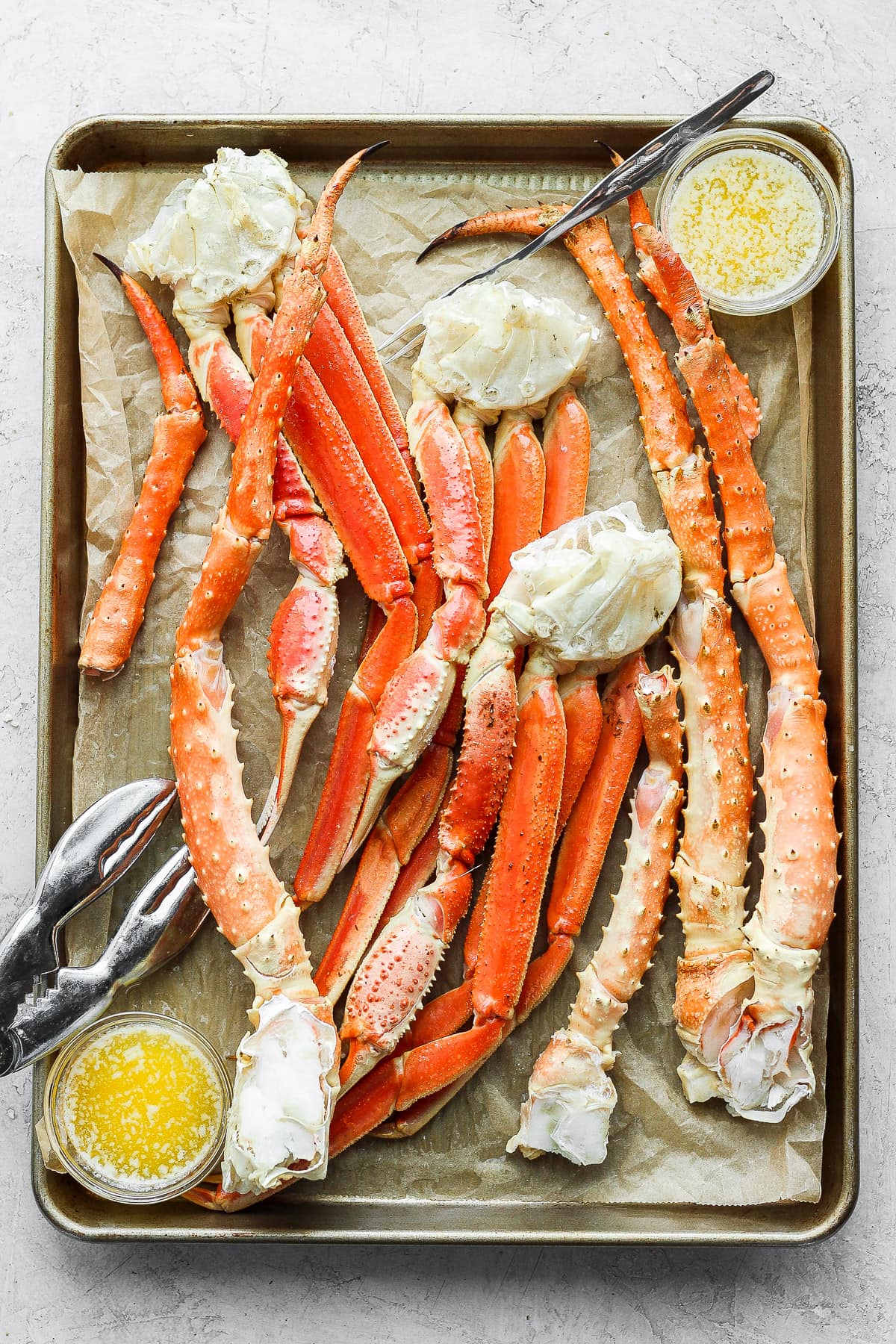
- Arrange crab legs on a baking sheet.
- Add butter and water. Dot butter over legs and sprinkle water.
- Season if desired. Add garlic, lemon, or herbs.
- Cover with foil. Seal edges to trap steam.
Covering with foil keeps the crab moist. Butter adds richness and prevents dryness.
Example Preparation
Imagine you have snow crab legs from the market. You thaw them overnight. You place them on a tray, add melted butter and a splash of lemon juice, and cover with foil. You’re ready to reheat.
Oven Reheating Methods Explained
There are two main ways to reheat crab legs in the oven: with steam and without steam. Both work well, but the steam method is best for juicy meat.
Steam Method
This method uses water to create steam under the foil.
- Place crab legs on the baking sheet.
- Add 1–2 tablespoons of water.
- Dot with butter and season.
- Cover tightly with foil.
- Bake at 375°F (190°C) for 15–20 minutes.
The steam keeps the crab moist. The butter melts and flavors the meat.
Dry Heat Method
If you prefer a roasted flavor, try this:
- Arrange crab legs on a sheet.
- Brush with melted butter.
- Sprinkle herbs and spices.
- Cover loosely with foil.
- Bake at 375°F for 12–15 minutes.
This method gives the crab a firmer texture. The meat can brown slightly. Watch carefully so it doesn’t dry out.
Step-by-step Guide: Reheating Crab Legs In Oven
Let’s break down the process so you don’t miss any details.
1. Thaw Crab Legs
If your crab legs are frozen, thaw in the fridge overnight. This prevents uneven heating. If you need to thaw quickly, place crab legs in a sealed bag and submerge in cold water for 30–40 minutes.
2. Preheat Oven
Set your oven to 375°F (190°C). Preheating is important. If you put crab in a cold oven, it cooks unevenly.
3. Prepare Crab Legs
Arrange the legs in a single layer. Don’t stack; this helps them heat evenly. For extra flavor, add butter, garlic, or lemon.
4. Cover With Foil
Cover the tray tightly. The foil traps moisture and prevents the meat from drying.
5. Bake
Place the tray in the oven. Bake for 15–20 minutes if using steam. For dry heat, bake for 12–15 minutes. Check after 12 minutes. The crab should be hot but not overcooked.
6. Serve
Remove from oven and let cool for 2–3 minutes. Serve with melted butter or lemon wedges.
Tips For Perfect Crab Legs Every Time
Even experienced cooks can make mistakes. Here are insider tips for success:
- Don’t overcook. Crab legs are already cooked. Overheating makes them tough.
- Add moisture. Use water or broth under the foil.
- Use real butter. Margarine doesn’t taste the same.
- Season lightly. Crab is delicate; too much spice hides the flavor.
- Let rest. After baking, let crab legs sit for 2 minutes. This helps juices settle.
Common Mistakes And How To Avoid Them
Mistakes can ruin your crab. Here’s what beginners often do wrong:
- Using high heat: Baking above 375°F dries the meat. Stick to the recommended temperature.
- Skipping foil: Without foil, crab dries out. Always cover.
- Not thawing: Frozen crab takes longer and may cook unevenly. Always thaw first.
- Over-seasoning: Crab is sweet and mild. Use simple flavors.
Variations: Adding Flavor And Style
Crab legs taste great plain. But you can add extra flavor:
Butter Garlic Crab
Mix melted butter and minced garlic. Brush over crab before baking.
Lemon Herb Crab
Add lemon zest and chopped parsley. Sprinkle over crab.
Cajun Crab
Mix Cajun seasoning with butter. Brush on crab for a spicy kick.
Asian Style Crab
Mix soy sauce, sesame oil, and ginger. Brush before baking.
You can create your own flavors. The oven lets you experiment without losing moisture.
Serving Suggestions For Reheated Crab Legs
Crab legs are delicious on their own, but you can serve them with sides:
- Corn on the cob
- Steamed potatoes
- Garlic bread
- Fresh salad
- Coleslaw
For dipping, offer:
- Melted butter
- Lemon wedges
- Cocktail sauce
- Aioli
If you want a full meal, pair crab legs with rice or pasta.

Credit: www.youtube.com
How Long To Reheat Crab Legs In Oven
Timing is important. Overcooking ruins the texture.
- Steam method: 15–20 minutes at 375°F.
- Dry heat: 12–15 minutes at 375°F.
If crab legs are very thick (like king crab), add 2–3 minutes. If you have thin snow crab legs, check early.
Signs Crab Legs Are Ready
- Meat is hot to the touch
- Shell is warm
- Butter is melted
- No cold spots
Don’t bake longer than needed. If you see bubbling butter, it’s ready.
Safety: Keeping Crab Legs Safe To Eat
Seafood can spoil quickly. Follow these safety rules:
- Thaw in fridge, not at room temperature.
- Don’t leave crab legs out for more than 2 hours.
- Refrigerate leftovers after reheating.
- Don’t reheat crab legs more than once. Multiple reheating lowers quality and increases risk.
If crab smells sour or feels slimy, don’t eat it.
Credit: thewoodenskillet.com
How To Store Leftover Crab Legs
If you have leftovers, store them properly:
- Cool crab legs for 10–15 minutes.
- Place in airtight container.
- Refrigerate up to 2 days.
- For longer storage, freeze for up to 3 months.
When freezing, wrap crab legs in plastic and place in freezer bag. Label with date.
Storage Comparison Table
Here’s a quick look at storage methods:
| Method | Temperature | Duration | Notes |
|---|---|---|---|
| Refrigerator | 0–4°C (32–40°F) | 2 days | Best for fresh leftovers |
| Freezer | -18°C (0°F) | 3 months | Wrap tightly for freshness |
| Room Temp | 20–22°C (68–72°F) | 2 hours | Not recommended |
Expert Advice For Beginners
Many people think reheating seafood is easy, but crab legs need special care. Here are two insights most beginners miss:
- Steam is your friend. The steam method with foil keeps crab legs tender. Dry heat can make them tough.
- Don’t crowd the tray. Crab legs need space. If you pile them up, they heat unevenly. Always place in a single layer.
Experienced chefs also suggest using a meat thermometer if you’re unsure. Crab legs should reach 145°F (63°C) for safe eating.
How To Reheat Crab Legs For Large Groups
If you’re cooking for a party or family, use these tips:
- Use a large baking sheet. Arrange crab legs in one layer.
- Prepare extra butter and seasoning.
- Bake in batches if needed.
- Serve with multiple dipping sauces.
For large events, you can reheat up to 4–5 pounds at once. Make sure to cover tightly and check doneness.
Reheating Frozen Crab Legs Without Thawing
Sometimes you forget to thaw. Can you reheat straight from the freezer? Yes, but adjust your method.
- Preheat oven to 375°F.
- Add water and butter.
- Cover tightly.
- Bake for 25–30 minutes.
- Check for hot spots.
Frozen crab legs take longer. They can be a bit watery, but still tasty.
Nutritional Facts About Crab Legs
Crab legs are rich in protein and low in fat. Here are some nutritional stats:
- Protein: 18–20 grams per 100g serving
- Fat: 1–2 grams per 100g
- Calories: 90–100 per 100g
- Vitamins: B12, zinc, copper
- Low in carbs
Crab is a healthy choice for most diets. It’s gluten-free and low in calories.
Reheating Crab Legs With Special Diets
If you follow a special diet, crab legs fit easily. For keto or low-carb diets, use butter for dipping. For dairy-free, use olive oil instead of butter.
Gluten-free Option
Crab legs are naturally gluten-free. Avoid sauces with wheat or flour.
Low-sodium Option
Skip added salt. Use herbs and lemon for flavor.
Dairy-free Option
Use olive oil or coconut oil instead of butter.
Making Crab Legs Taste Fresh Again
Sometimes reheated crab legs lose their flavor. Here’s how to boost freshness:
- Add a splash of lemon juice before baking.
- Use fresh herbs like parsley or dill.
- Serve with cold lemon wedges.
- Offer flavored butters (garlic, chili, herb).
If crab legs smell or taste stale, don’t eat them. Freshness is key.
Alternatives: What If You Don’t Have An Oven?
If you don’t have an oven, try these methods:
- Steaming: Place crab legs in a steamer basket over boiling water for 6–8 minutes.
- Boiling: Drop crab legs in boiling water for 5–6 minutes.
- Microwave: Place crab legs in a microwave-safe dish with a splash of water, cover, and heat for 2–3 minutes.
These methods work, but the oven gives the best flavor and texture.
Popular Crab Leg Recipes For The Oven
You can use the oven to make more than just reheated crab legs. Try these ideas:
Crab Leg Bake
Arrange crab legs in a dish. Add butter, garlic, and breadcrumbs. Bake at 375°F for 20 minutes.
Herb Roasted Crab
Mix olive oil, rosemary, and thyme. Brush on crab legs and roast.
Spicy Crab Legs
Use chili flakes and paprika mixed with butter. Brush and bake.
These recipes add new flavors and keep crab juicy.
Sustainability And Crab Sourcing
Crab fishing affects the environment. Choose crab legs from sustainable sources. Look for labels like MSC-certified. This means the crab was caught responsibly.
Buying from local markets supports small fishermen. Avoid crab from overfished areas.
For more about sustainable seafood, visit Marine Stewardship Council.
Frequently Asked Questions
How Do I Know If Crab Legs Are Fully Reheated?
Check the meat. It should be hot to the touch and opaque, not translucent. Use a food thermometer—145°F (63°C) is safe.
Can I Reheat Crab Legs More Than Once?
It’s not recommended. Multiple reheating lowers quality and increases risk of spoilage. If you have leftovers, eat them within two days.
What’s The Best Way To Add Extra Flavor?
Use melted butter mixed with garlic or lemon. Brush before baking. You can also add herbs or spices for a unique taste.
Are Crab Legs Safe For People With Allergies?
Crab is a shellfish. People with shellfish allergies should avoid crab legs. Always check ingredients in sauces for hidden allergens.
Can I Use The Oven For Whole Crabs?
Yes, but adjust the time. Whole crabs need 20–25 minutes at 375°F. Use the same steam method to keep them moist.
Crab legs are a luxury food, but reheating them doesn’t have to be difficult. With the right oven method, you can enjoy juicy, flavorful crab anytime. Use foil, butter, and gentle heat to get restaurant-quality results at home. Avoid common mistakes, and experiment with flavors.
Whether you’re cooking for yourself or a crowd, reheated crab legs can taste fresh and delicious. Keep safety in mind, and enjoy your seafood with confidence.