
Cooking at home brings joy, but it also brings mess—especially around the stove. Oil splashes, sauce spills, and steam can quickly turn the wall behind your stove into a stained, sticky area. Many people ignore this until it becomes a bigger problem: paint peels, grease builds up, and cleaning becomes harder. If you want your kitchen to stay beautiful and hygienic, protecting the wall behind your stove is essential.
This guide explains practical ways to protect your wall, compares popular solutions, and gives tips that are often missed by beginners. Whether you’re renting, remodeling, or just want a simple fix, you’ll find clear, actionable advice here. Let’s make your cooking space safer, easier to clean, and longer lasting.
Why Protect The Wall Behind Your Stove?
The wall behind your stove faces more trouble than any other kitchen spot. During cooking, grease, steam, and food particles hit this area almost every day. Over time, these can:
- Cause stains that are hard to remove
- Lead to mold and mildew from moisture
- Damage paint or wallpaper
- Create a breeding ground for bacteria
According to the National Kitchen and Bath Association, about 65% of kitchen renovations include new wall protection behind the stove. This is not just about looks—it’s about health and maintenance.
Beginners often miss: Even if you cook rarely, the wall can still get sticky. Steam travels farther than you think, and small splashes add up fast.
Types Of Wall Protection
There are several ways to shield your wall, each with its own pros and cons. Let’s break down the most common options.
Tile Backsplashes
Ceramic tiles are the classic choice. They’re durable, easy to clean, and come in many styles.
- Pros: Heat-resistant, stain-proof, lasts decades
- Cons: Installation is expensive and permanent
Tiles need grout, which can absorb grease if not sealed. Choose glossy tiles for easier cleaning.
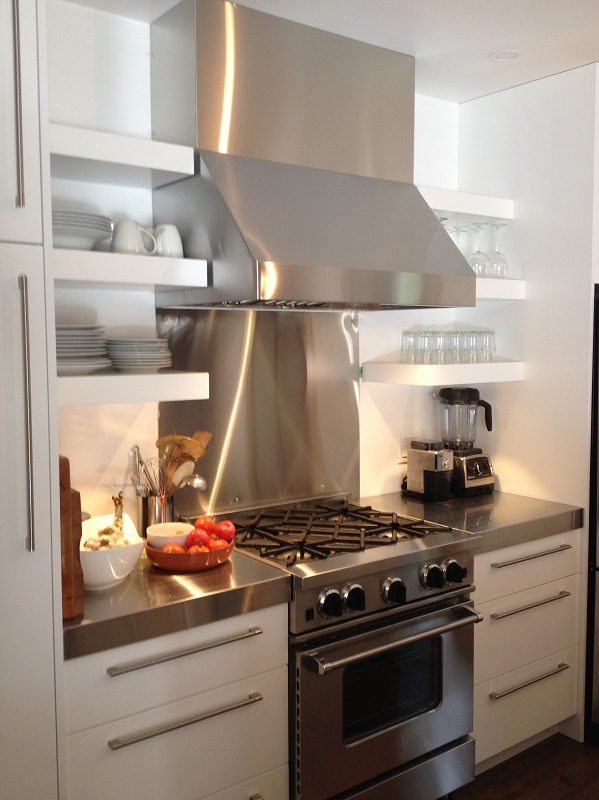
Stainless Steel Panels
Professional kitchens use stainless steel for a reason. It’s tough, won’t burn, and is simple to wipe.
- Pros: High heat resistance, modern look, easy to clean
- Cons: Shows fingerprints, scratches
Stainless steel works well for gas stoves, where heat is stronger.
Glass Backsplashes
Tempered glass offers a sleek, shiny finish and can be custom-painted.
- Pros: Easy to clean, stylish, reflects light
- Cons: May chip if hit hard, expensive
Glass backsplashes are popular in contemporary kitchens.
Peel-and-stick Panels
For renters or budget-conscious homeowners, peel-and-stick panels are quick and affordable.
- Pros: Easy to install, cheap, removable
- Cons: Less durable, can peel off from steam
Choose panels rated for high temperatures near stoves.
Acrylic Sheets
Acrylic is lightweight and transparent, letting your wall color show through.
- Pros: Affordable, easy to cut, protects well against splashes
- Cons: Not as heat-resistant as glass or steel
Acrylic is best for electric stoves with lower heat.
Paint With Protective Coating
Using washable or oil-resistant paint is a simple way to protect your wall.
- Pros: Cheap, easy to apply, many colors
- Cons: Needs regular touch-ups, not as strong as panels
Choose enamel or semi-gloss paint for best results.
Wallpaper With Vinyl Coating
Some wallpapers are made with a vinyl layer that resists moisture and stains.
- Pros: Decorative, easy to clean, affordable
- Cons: Can peel from heat, not suitable for gas stoves
Use only in areas with lower heat exposure.
Magnetic Backsplash Covers
These are flexible panels that attach to metal surfaces with magnets.
- Pros: Removable, easy to clean, reusable
- Cons: Only works if wall is metal or with metal strips
Magnetic covers are good for frequent cleaning.
Custom Wood Panels With Sealant
Wood can look warm and natural, but needs a strong sealant.
- Pros: Unique style, durable with proper coating
- Cons: Needs maintenance, not for high heat
Use a polyurethane sealant to make wood water- and stain-resistant.
Aluminum Foil Sheets
Some people use aluminum foil as a temporary shield.
- Pros: Cheap, easy to replace
- Cons: Looks unattractive, tears easily
Aluminum foil is best for short-term or rental solutions.
Comparing Popular Wall Protection Options
To help you choose, here’s a comparison of the most common methods:
| Type | Cost | Installation | Cleaning | Heat Resistance | Durability |
|---|---|---|---|---|---|
| Tile | High | Professional | Easy | Excellent | Decades |
| Stainless Steel | Medium-High | Professional | Very Easy | Excellent | Decades |
| Glass | High | Professional | Easy | Good | 10+ Years |
| Peel & Stick | Low | DIY | Easy | Fair | 1-2 Years |
| Acrylic | Low-Medium | DIY | Easy | Fair | 5-8 Years |
| Paint | Low | DIY | Moderate | Low | 3-5 Years |
Choosing The Best Solution For Your Kitchen
Picking the right protection depends on your kitchen, budget, and lifestyle. Here’s what to consider:
Heat And Moisture
If you have a gas stove, choose materials that handle high heat—like tile, stainless steel, or tempered glass. Electric stoves are less intense, so acrylic or peel-and-stick panels work better.
Cleaning Needs
If you cook often, pick a surface that’s easy to wipe. Stainless steel and glass are fastest to clean, while tile grout needs more care.
Budget
For quick fixes, paint or peel-and-stick panels cost less. For long-term protection, invest in tile or stainless steel.
Style
Want a modern look? Glass or steel shine. For cozy kitchens, wood panels with sealant or decorative wallpaper add warmth.
Durability
If you don’t want to redo the wall every few years, choose materials that last—tile and steel are top choices.
Non-obvious insight: Many people forget to check if the wall is flat. Uneven walls make panel installation harder and can leave gaps for grease to slip through.

Credit: www.reddit.com
Step-by-step Installation: Most Common Methods
Let’s walk through installing the top protection options. Clear steps help you avoid mistakes and get a neat result.
Installing A Tile Backsplash
- Measure the Area: Find the space behind your stove, add a few inches for coverage.
- Prepare the Wall: Clean well, remove old paint or grease.
- Apply Tile Adhesive: Use a trowel to spread adhesive on the wall.
- Place Tiles: Start from the bottom, press tiles firmly into adhesive.
- Add Spacers: Keep gaps even for grout.
- Let Dry: Wait 24 hours before grouting.
- Apply Grout: Fill gaps, wipe excess with a sponge.
- Seal Grout: Prevents grease from soaking in.
Tip: Use glossy tiles—they repel stains better than matte ones.
Installing Stainless Steel Panels
- Measure and Cut: Buy a panel to fit your stove area.
- Clean Wall: Remove dust, grease, and old paint.
- Apply Adhesive: Use construction glue or screws.
- Attach Panel: Press firmly, check for air bubbles.
- Seal Edges: Use silicone to stop moisture.
Tip: Protect corners with steel trim for extra durability.
Using Peel-and-stick Panels
- Clean Wall: Wipe away grease and dust.
- Mark Placement: Use a pencil to mark panel edges.
- Peel Backing: Remove a small section at first.
- Stick and Smooth: Press panel onto wall, smooth out air bubbles.
- Trim Edges: Use a sharp knife for corners.
Tip: Don’t stick over uneven surfaces—panels may peel.
Painting With Protective Coating
- Choose Paint: Get enamel or semi-gloss, oil-resistant paint.
- Clean and Sand: Make wall smooth and free of grease.
- Prime Wall: Use primer for better paint grip.
- Paint: Apply two coats, let dry fully.
- Add Clear Sealant: Protects against stains.
Tip: Reapply sealant every year for best protection.
Maintenance: Keeping Your Wall Clean
Protecting the wall is just the start. Regular cleaning keeps it looking new and stops bacteria.
- Wipe after each meal: Use a damp cloth with mild soap.
- Deep clean monthly: Scrub grout, polish glass or steel.
- Check for damage: Look for cracks, peeling, or mold.
- Re-seal grout and wood: Every 6-12 months.
Data point: Kitchens with regular cleaning see 40% fewer stains and mold issues, according to a 2023 home hygiene study.
:strip_icc()/gray-white-kitchen-herringbone-b5228e30-c3ce430d1c9a4bfe8b26c4e8ab2676a1.jpg)
Credit: www.bhg.com
Common Mistakes And How To Avoid Them
Beginners often make simple errors that cost time and money. Here are the main mistakes:
- Ignoring wall prep: Installing panels over dirty or greasy walls leads to peeling.
- Choosing wrong material: Using wallpaper or acrylic for gas stoves can cause damage from heat.
- Skipping sealant: Unsealed grout or wood absorbs grease and stains fast.
- Not measuring accurately: Panels that are too small leave exposed spots.
- Overlooking edge protection: Gaps let moisture in, causing mold.
Practical tip: Always check the manufacturer’s heat rating for panels or paint.
Extra Protection: Simple Tricks For Everyday Use
Besides permanent solutions, some quick tricks help reduce splashes and stains.
- Use splatter screens: Place over pans when frying.
- Move stove slightly forward: Creates a gap that catches spills.
- Install a shelf above stove: Stops steam from hitting the wall.
- Wipe wall immediately after cooking: Reduces buildup.
Non-obvious insight: Even boiling water can splash tiny droplets onto the wall—so don’t ignore non-oily cooking.
Diy Or Professional Installation?
You can install many protection options yourself, but sometimes it’s worth calling a pro.
| Method | DIY Difficulty | Professional Needed? | Estimated Cost (USD) |
|---|---|---|---|
| Tile | Hard | Yes | 400-1500 |
| Stainless Steel | Moderate | Optional | 200-800 |
| Glass | Hard | Yes | 500-1500 |
| Peel & Stick | Easy | No | 20-100 |
| Acrylic | Easy | No | 40-200 |
| Paint | Easy | No | 30-80 |
If you’re unsure, ask a local contractor for advice. Mistakes in installation can lead to costly repairs.
How To Protect Walls In Rental Kitchens
Renters face unique challenges. You can’t make permanent changes, but you still need protection.
- Peel-and-stick panels: Removable and won’t damage walls.
- Magnetic covers: Easy to put up and take down.
- Temporary acrylic sheets: Stand against the wall, no glue needed.
- Aluminum foil: Cheap and disposable.
Tip: Always check your lease before making changes.
Creative Styles: Making Wall Protection Beautiful
Protection doesn’t mean boring. You can add personality to your kitchen with creative styles.
- Patterned tiles: Bright colors or geometric designs.
- Custom glass art: Painted or printed glass panels.
- Wood look peel-and-stick: Adds warmth without real wood.
- Mosaic panels: Mix colors for a unique look.
Some brands offer custom prints for glass or acrylic, letting you match your kitchen theme.
Eco-friendly Wall Protection
If you care about the environment, look for sustainable options.
- Recycled glass tiles: Made from old bottles, strong and stylish.
- Bamboo panels: Renewable, natural, and sealed for moisture.
- Low-VOC paint: Safer for air quality.
- Natural stone tiles: Durable and chemical-free.
Eco-friendly options may cost more, but they last longer and look great.
Protecting Walls In Small Kitchens
Small kitchens often have less space between stove and wall. This makes splashes more likely.
- Use slim panels: Fit tight spaces, easy to clean.
- Extend protection to side walls: Not just behind the stove.
- Install corner guards: Stops grease from spreading.
Non-obvious insight: In small kitchens, even the ceiling near the stove can get stained—consider extending backsplash higher.
When To Replace Wall Protection
No material lasts forever. Here’s how to know when to replace:
- Tiles: If grout is cracked or tiles are chipped.
- Stainless steel: Deep scratches or rust spots.
- Glass: Chips or cracks.
- Peel-and-stick: Peeling or bubbling panels.
- Paint: If stains don’t come out, or paint peels.
On average, most panels last 5-10 years with good care.
Real-life Examples
Many homeowners share their stories online. Here are two:
- Sarah from Boston: Used peel-and-stick panels for her rental. “It took 30 minutes and saved my wall from spaghetti sauce splatters. When I moved out, I just peeled it off—no marks.”
- Mike from Houston: Installed stainless steel panels himself. “It’s easy to clean after barbecuing. I wish I’d added silicone sealant to the edges sooner—grease got behind the panel before I did.”
Advanced Protection: Combining Methods
For best results, combine two approaches.
- Tile with clear acrylic panel: Tile for style, acrylic for easy cleaning.
- Paint plus peel-and-stick: Paint wall, then add panels over high-splash areas.
- Glass over wallpaper: Keeps design visible but protects from stains.
Combination methods cost more, but offer stronger defense.
Credit: www.ridalco.com
Safety Considerations
Always check safety ratings. Some panels melt or release fumes if exposed to high heat.
- Look for “heat-resistant” labels.
- Avoid flammable materials near gas stoves.
- Don’t use regular wallpaper behind stoves.
Tip: If you’re unsure, ask the manufacturer for safety data.
Where To Buy Wall Protection
You can find wall protection materials at:
- Home improvement stores: Lowe’s, Home Depot, local shops
- Online retailers: Amazon, Wayfair, specialty kitchen sites
- Tile stores: For custom designs
- Hardware stores: For paint and panels
Compare prices and reviews before buying. For more information on kitchen safety, visit the National Kitchen and Bath Association.
Frequently Asked Questions
What Is The Best Material To Protect The Wall Behind The Stove?
The best material depends on your kitchen and budget. Tile and stainless steel are most durable and heat-resistant. For rentals or quick fixes, peel-and-stick panels are popular.
Can I Use Regular Wallpaper Behind My Stove?
No. Regular wallpaper can peel or catch fire. Only use vinyl-coated wallpaper rated for kitchens, and avoid near gas stoves.
How Often Should I Clean The Wall Behind My Stove?
Wipe the wall after each meal and deep clean once a month. This prevents stains and bacteria.
Is It Safe To Install Wall Panels Myself?
Most panels are safe for DIY if you follow instructions. For tile or glass, professional installation is best to avoid mistakes.
What Can I Do If My Wall Is Already Stained Or Damaged?
If stains are minor, clean with soap and water or a degreaser. For deep damage, repaint or install panels. Always repair cracks before adding new protection.
Protecting the wall behind your stove is about more than looks—it keeps your kitchen healthy and easier to maintain. With the right materials, installation, and care, your wall will stay clean for years. Choose what fits your kitchen, and start enjoying a safer, brighter cooking space today.