
Owning a carbon steel knife can be both a joy and a challenge. These knives are loved for their sharpness and easy sharpening, but they have one weakness: they rust easily. If you’ve found brown spots or orange stains on your favorite chef’s knife, you’re not alone. Rust not only makes a knife look old, but it can also damage the edge and affect food safety. Luckily, you can remove rust from a carbon steel knife and restore its shine. Let’s explore step-by-step methods, practical tips, and expert advice to help you keep your knife in top condition.
Why Carbon Steel Knives Rust
Carbon steel is iron mixed with a small amount of carbon. This blend makes the knife very sharp and strong, but it also means the blade reacts quickly with water and air. When iron meets moisture and oxygen, it forms rust (iron oxide). Even a few drops of water or a humid kitchen can start the rusting process. Unlike stainless steel, carbon steel does not have enough chromium to stop rust. This is why carbon steel knives need extra care.
Some people think a little patina (a grayish layer) is normal and even helpful—it protects the knife from deeper rust. But orange or brown rust is a problem and should be removed quickly.
Common Mistakes When Cleaning Rust
Many beginners make the same errors when trying to clean their knives:
- Using very rough tools that scratch or damage the blade
- Leaving cleaning products on the knife for too long
- Forgetting to dry and oil the knife after cleaning
- Using kitchen acids (like vinegar or lemon) without monitoring
By avoiding these mistakes, you can keep your knife sharp and beautiful for years.
Tools And Materials You’ll Need
Before you start, gather these items:
- Soft sponge or cloth
- Baking soda
- White vinegar
- Lemon juice
- Table salt
- Potato (yes, really!)
- Fine steel wool (#0000 grade)
- Non-abrasive scrub pad
- Toothbrush or soft brush
- Food-safe mineral oil or camellia oil
- Dish soap
- Gloves (optional)
- Towel
Having everything ready will make the cleaning process smoother and safer.
Quick Comparison: Cleaning Methods
Here’s a simple table comparing popular rust removal methods for carbon steel knives:
| Method | Effectiveness | Time Needed | Risk of Blade Damage | Special Notes |
|---|---|---|---|---|
| Baking Soda Paste | High for light rust | 10-20 min | Low | Gentle, food-safe |
| White Vinegar Soak | Medium to high | 15-30 min | Medium | Monitor closely to avoid pitting |
| Lemon & Salt | Medium | 10-30 min | Low | Good for moderate rust |
| Potato Method | Low to medium | 1-2 hrs | None | Very gentle |
| Steel Wool | High for heavy rust | 10-15 min | High if not careful | Use fine grade only |
Step-by-step Methods To Remove Rust
Let’s look at five proven ways to clean your carbon steel knife. You can start with the gentlest method and move to stronger ones if needed.
1. Baking Soda Paste
This is a safe and effective way to remove light rust.
Steps:
- Mix baking soda with water until you have a thick paste.
- Spread the paste over the rusty spots.
- Let it sit for 10-15 minutes.
- Use a soft brush or sponge to scrub gently.
- Rinse with warm water.
- Dry the knife fully with a towel.
Tip: For stubborn spots, use a fine non-abrasive scrub pad. Don’t use harsh pads; they can scratch the blade.
2. White Vinegar Soak
Vinegar is acidic and dissolves rust. Be careful—don’t soak for too long.
Steps:
- Pour white vinegar into a shallow dish.
- Place the knife blade (not the handle) in the vinegar.
- Let it soak for 10-20 minutes.
- Remove the knife and gently scrub with a soft brush or sponge.
- Rinse well and dry completely.
Warning: Do not leave the knife in vinegar for more than 30 minutes. Over-soaking can cause “pitting,” which is small holes in the blade.
3. Lemon And Salt
Lemon’s acid and salt’s abrasiveness can clean moderate rust.
Steps:
- Sprinkle table salt on the rusty area.
- Cut a lemon in half and squeeze juice over the salt.
- Use the lemon half as a scrubber, rubbing the salt and juice into the rust.
- Let it sit for 5-10 minutes.
- Scrub with a soft brush or pad.
- Rinse and dry thoroughly.
Practical Insight: This method is gentle enough for daily use and works well for stains near the edge.
4. Potato Method
Potatoes contain oxalic acid, which removes rust naturally. This method is very gentle but slower.
Steps:
- Cut a potato in half.
- Push the knife blade into the potato and leave it for 1-2 hours.
- Pull out the knife and wipe with a sponge.
- Rinse and dry.
Surprising Fact: The potato’s acid is strong enough to fight rust but safe for the knife and your hands.
5. Fine Steel Wool (0000 Grade)
For heavy rust, use ultra-fine steel wool. Never use coarse steel wool—it scratches the blade.
Steps:
- Wet the rusty area with a few drops of oil or water.
- Rub gently with fine steel wool in the direction of the blade.
- Wipe with a cloth.
- Repeat if needed.
- Wash and dry the knife.
Expert Advice: Always move the steel wool along the blade, not across, to avoid scratching.
Extra Tips For Safe Rust Removal
- Always wear gloves if you have sensitive skin or cuts.
- Never soak a knife handle in water, vinegar, or lemon—it can loosen and damage the handle, especially if it’s wood.
- After cleaning, immediately dry the knife. Even a few minutes of wetness can start new rust.
- Oil the blade after cleaning to protect against future rust.

Credit: nobliecustomknives.com
What Not To Do When Removing Rust
Some cleaning tricks can make things worse. Avoid these:
- Do not use sandpaper or coarse scrubbing pads.
- Never use bleach or strong chemical cleaners.
- Do not put your carbon steel knife in the dishwasher.
- Avoid cleaning with power tools, as they can heat and damage the steel.
How To Restore Knife Appearance After Rust Removal
Removing rust can sometimes leave the blade looking dull or with minor scratches. Here’s how to bring back its shine:
- Polish with Flitz or Metal Polish: Use a small amount on a cloth and rub gently in the direction of the blade. Wipe off any extra polish.
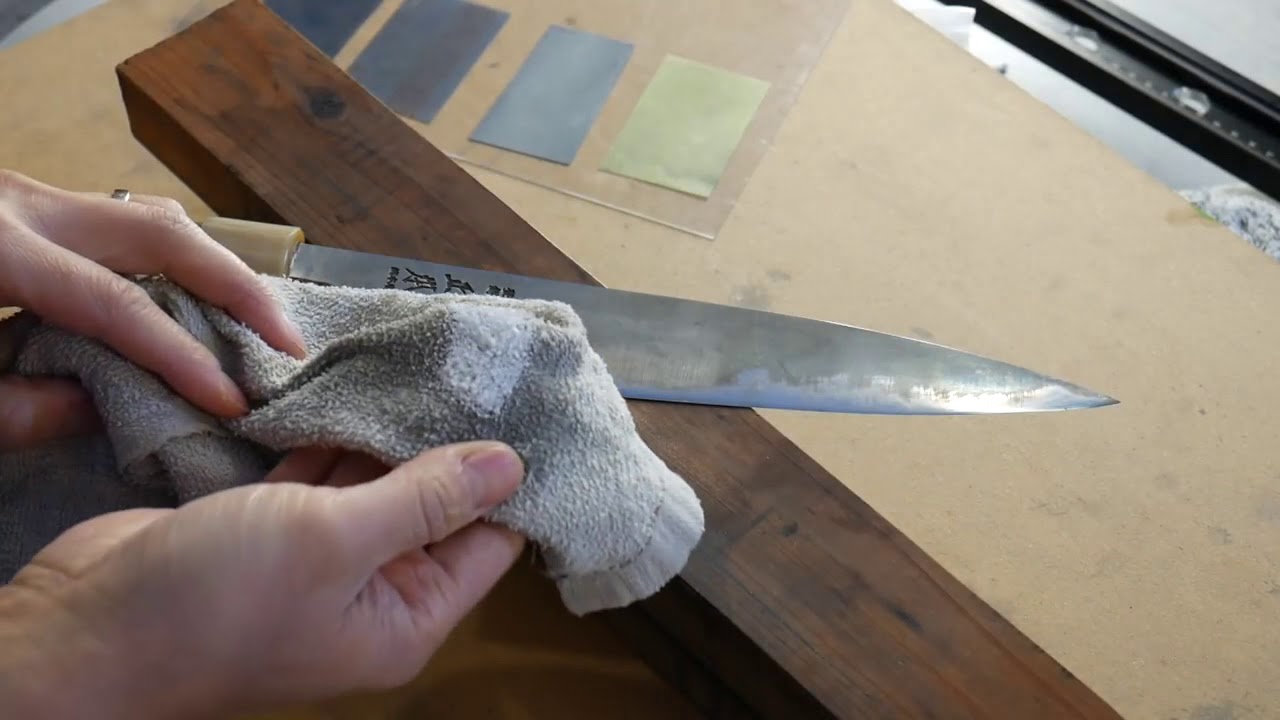
- Buff with a Clean Cloth: This gives a nice shine and removes fingerprints.
- Apply Food-Safe Oil: Mineral oil or camellia oil prevents new rust and keeps the surface looking smooth.
Pro Insight: Do not use olive oil—it can become sticky and attract dirt.
Preventing Rust In The Future
Prevention is easier than cleaning. Here’s how to protect your carbon steel knife:
- Dry Immediately: Always dry your knife with a towel after washing.
- Oil Regularly: Wipe a thin layer of mineral oil on the blade after each use, especially in humid climates.
- Store in a Dry Place: Use a knife block or magnetic strip, not a drawer. Keep knives away from damp air.
- Avoid Acidic Foods: After cutting lemons, tomatoes, or onions, wash and dry the knife right away.
- Build a Patina: Allowing a natural gray patina to form helps protect against deeper rust.
Comparing Rust Removal Products
Many products claim to clean rust, but which ones are safe for carbon steel knives? Here’s a comparison of popular options:
| Product | Type | Food-Safe? | Works On Heavy Rust? | Ease of Use |
|---|---|---|---|---|
| Baking Soda | Powder | Yes | No | Easy |
| White Vinegar | Liquid | Yes | Yes | Moderate |
| Flitz Metal Polish | Cream | No (rinse after) | Yes | Easy |
| WD-40 | Spray | No | Yes | Easy |
| Lemon & Salt | Natural | Yes | No | Easy |
Non-obvious Insight: Some commercial rust removers are not safe for food knives—always read the label and wash the knife well after use.
Credit: www.koiknives.com
How Often Should You Remove Rust?
If you use your carbon steel knife daily, check for rust spots every week. For knives you use less often, inspect them monthly. Removing rust as soon as it appears is much easier than dealing with heavy build-up.
Real-world Example: Restoring An Old Chef’s Knife
Let’s look at a practical story. A home cook finds an old carbon steel chef’s knife in a family drawer. The blade has dark stains and orange rust. Here’s how they restore it:
- Assessment: Most rust is light, but there are some deeper spots.
- Baking Soda Paste: They start with baking soda, scrubbing gently.
- Vinegar Soak: For stubborn rust, they soak the blade in vinegar for 15 minutes.
- Fine Steel Wool: For the darkest spots, they use #0000 steel wool with a little oil, rubbing carefully.
- Wash and Dry: The knife is washed and dried completely.
- Oil Application: A thin layer of mineral oil is applied.
- Result: The blade is shiny, with a protective patina and no more orange rust.
Key Learning: Combining methods gives the best results, and patience is important.
When To Seek Professional Help
If your knife has deep pitting, a bent blade, or a loose handle, consider professional restoration. Knife makers or professional sharpeners have special tools to repair serious damage. This is especially important for valuable or antique knives.
Special Considerations For Japanese Carbon Steel Knives
Japanese knives often use high-carbon steels like White Steel (Shirogami) or Blue Steel (Aogami). These are very reactive and can rust even faster than Western knives. Always dry and oil these knives immediately after use, and avoid soaking in vinegar for more than a few minutes.
Non-obvious Insight: Some Japanese knives are “clad” with stainless steel on the sides but have a carbon steel core. Only the edge is carbon steel—clean this part most carefully.
How To Store Your Knife After Cleaning
Proper storage makes a big difference:
- Knife Block or Magnetic Strip: Keeps knives dry and safe.
- Blade Guard or Saya (Wooden Sheath): Protects the edge and stops moisture.
- Silica Gel Packets: Put these in your knife drawer or box—they absorb moisture.
Never store a knife wet, wrapped in a towel, or in a leather sheath for long periods. Leather can trap moisture and cause rust.
The Science Behind Rust
Rust is more than just a stain. It’s a chemical reaction: iron + water + oxygen = iron oxide (rust). Even fingerprints can leave enough moisture and salt to start rust, especially in humid climates. That’s why handling your knife with clean, dry hands is important.
Knife Maintenance Schedule
A simple routine keeps rust away:
- After Each Use: Wash, dry, and oil the blade.
- Weekly: Check for rust spots and polish if needed.
- Monthly: Deep clean and re-oil the handle if it’s wood.
If you follow this schedule, your knife can last for decades.
Common Myths About Rust Removal
Let’s clear up some myths:
- “Rust means the knife is ruined.” Not true—most rust can be removed without harm.
- “Stainless steel knives never rust.” Stainless can rust, but less easily than carbon steel.
- “You should soak a rusty knife overnight.” This can cause more harm than good.
Environmental Factors That Speed Up Rust
Some kitchens are more prone to rust due to:
- High humidity (above 60%)
- Poor ventilation
- Cooking with acidic foods often
- Storing knives near the sink
If you live in a humid area, oil your knife more often and consider using a dehumidifier.
Is A Patina Good Or Bad?
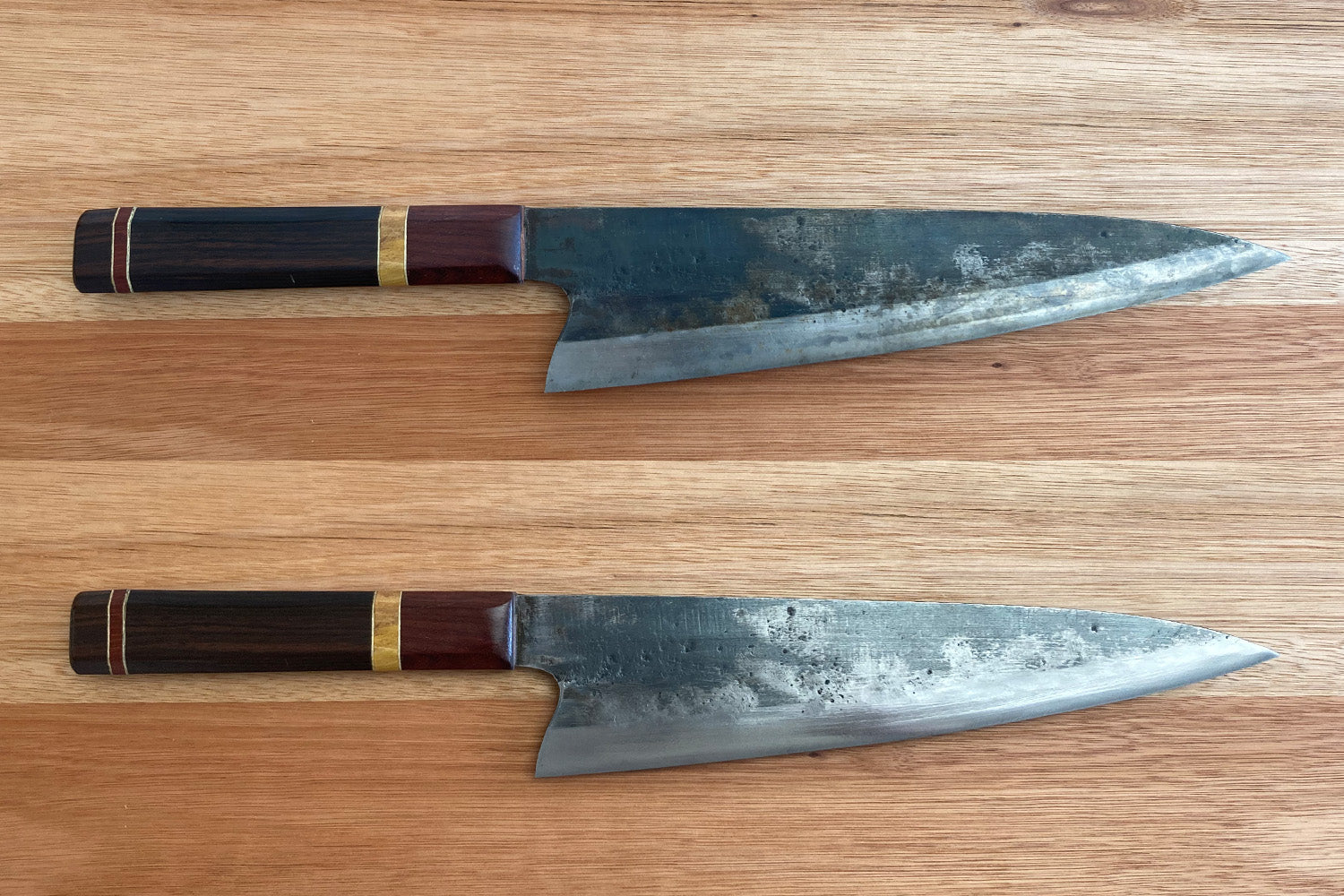
A patina is a thin, dark gray layer that forms naturally on carbon steel. It’s different from rust. While rust is flaky and orange, patina is stable and protective. Many chefs encourage building a patina—it helps stop new rust. But orange or red rust should always be removed.
Credit: www.youtube.com
When To Replace Your Knife
If rust has caused deep pitting or the blade is very thin and weak, it might be time to replace your knife. But with regular care, most carbon steel knives will last for many years.
Summary Of Key Steps
Here’s a quick recap:
- Remove rust as soon as you see it.
- Start with gentle methods (baking soda, lemon) and move to stronger ones if needed.
- Always dry and oil your knife after cleaning.
- Store knives in a dry, safe place.
- Build a natural patina for extra protection.
By following these steps, you’ll enjoy the sharpness and beauty of your carbon steel knife for a long time.
Frequently Asked Questions
How Do I Know If My Knife Is Carbon Steel?
Carbon steel knives often develop a gray patina or rust spots, unlike stainless steel. They are usually sharper and easier to sharpen. If a magnet sticks strongly and the blade rusts quickly, it’s likely carbon steel. You can also check with the maker or look for markings.
Can I Use Wd-40 To Remove Rust From My Knife?
WD-40 can remove rust but is not food-safe. If you use it, clean the knife with soap and hot water afterward. For knives used on food, it’s safer to use baking soda, vinegar, or lemon.
Is It Safe To Use A Rusty Knife For Food?
No, you should not use a knife with orange or red rust on food. Rust can make the knife less sharp and may be harmful if eaten. Always clean rust before using the knife.
What Oil Is Best For Protecting A Carbon Steel Knife?
Use food-safe mineral oil or camellia oil. These oils do not go rancid and are safe for food contact. Do not use cooking oils like olive or vegetable oil—they can become sticky over time.
How Can I Prevent Rust If I Live In A Humid Area?
Wipe your knife dry immediately after washing, oil it after each use, and store it in a dry place. Use silica gel packs in your knife drawer or box to reduce moisture.
For more on the chemistry of rust, see this detailed explanation on Wikipedia.
Taking care of your carbon steel knife is an investment that pays off every time you cook. With the right knowledge and simple habits, you’ll keep your knife sharp, beautiful, and rust-free for many years.