
Using a dishwasher can make kitchen cleanup much easier, but every brand has its own process. Many people buy a Kenmore dishwasher because of its durability and features, but figuring out all the steps can be confusing at first. If you’ve just installed a Kenmore or want to get the best results from your current machine, this guide explains everything in clear language. You’ll learn not only how to use it, but also how to load dishes correctly, choose the right cycles, fix common problems, and keep your dishwasher running for years. Even if you’ve never used a dishwasher before, you’ll feel confident by the end.
Understanding Your Kenmore Dishwasher
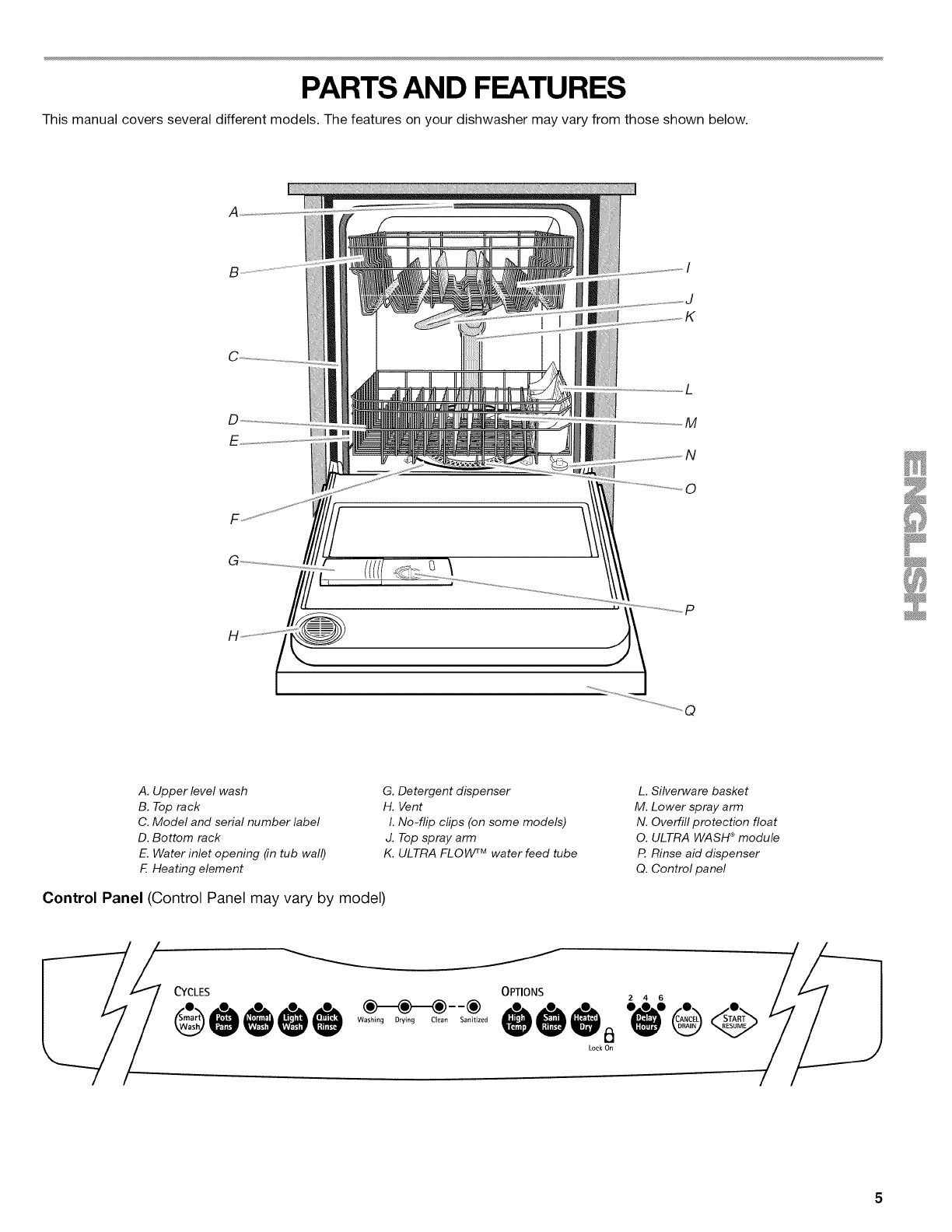
Kenmore dishwashers come in a variety of models, but most share similar controls and features. Knowing your machine’s basic parts makes using it much easier. Inside, you’ll see racks, spray arms, a detergent dispenser, and a filter. The control panel is usually on the front or top edge of the door.
This panel might have buttons, a digital display, or even a dial. Most models include several wash cycles, options for heated drying, and sometimes sensors to adjust water and energy use.
Some Kenmore dishwashers have smart technology, letting you monitor or start a load from your phone. But whether you have a simple or advanced model, the steps for daily use are quite similar. Always check your user manual for specific instructions for your dishwasher model. If you don’t have the manual, you can often find a PDF version on the Kenmore website.
Preparing To Use Your Kenmore Dishwasher
Check Installation And Water Supply
Before using your dishwasher, make sure it’s installed correctly. The water supply should be connected, and the drain hose should be secure. If you’ve moved recently or your dishwasher is new, run a short cycle without dishes to clear out dust or debris.
Gather The Right Detergent
Kenmore recommends using automatic dishwasher detergent—not regular dish soap. You can use powder, liquid, or pods. Choose a detergent designed for hard water if you notice spots on your glasses. Avoid using too much detergent; more is not always better and can leave residue.
Inspect The Filter
Most Kenmore models have a filter at the bottom. A clogged filter reduces cleaning power. Remove and rinse the filter every week if you use your dishwasher daily, or once a month for lighter use.
Scrape, Don’t Rinse
One beginner mistake is rinsing all food off before loading. You only need to scrape off large bits of food. Kenmore dishwashers are designed to handle small particles. If you rinse everything, you might get cloudy glasses—detergent needs something to work on.
Loading Dishes Properly
How you load the dishwasher has a huge effect on cleaning results. Even top models can leave dishes dirty if loaded incorrectly.
Lower Rack
The lower rack is for plates, bowls, pots, and pans. Place larger items like pots and casserole dishes at the sides, not blocking the spray arm. Plates should face the center, and don’t let them nest together. Leave space for water to reach all surfaces.
Upper Rack
Use the upper rack for glasses, cups, and smaller bowls. Position glasses upside down and angle them slightly so water runs off. Plastic items go on the top rack—heat from the lower spray arm can warp them if placed below.
Silverware Basket
Mix forks, knives, and spoons in the basket, handles up and down to avoid nesting. For safety, always put sharp knives with the handles up. Don’t overload the basket; water needs to reach all sides.
Avoid Blocking The Spray Arms
One common beginner mistake is placing a large pan or tray in a way that blocks the spray arm. This prevents water from reaching the top rack. Always give the spray arms a spin by hand before running the cycle to check clearance.
Special Items
Some items need extra care:
- Nonstick pans: Wash by hand, as dishwasher detergent can damage the coating.
- Wooden utensils: These can crack or warp in the dishwasher.
- Insulated mugs: Hand-wash to avoid ruining their insulation.
If in doubt, check the item’s label for dishwasher safety.
Choosing The Right Wash Cycle
Kenmore dishwashers offer several cycles. Picking the right one saves time, water, and energy.
Normal Cycle
Use the Normal cycle for everyday loads of plates, glasses, and lightly soiled pots. This is the most energy-efficient setting for most households.
Heavy Duty
The Heavy Duty or Pots & Pans cycle uses hotter water and a longer wash. Choose this for cookware with dried-on food, baking dishes, or heavily soiled items.
Light/china Cycle
The Light or China cycle is gentle, with lower water pressure and temperature. It’s ideal for delicate glassware or lightly soiled items.
Quick Wash
A Quick Wash cycle cleans lightly soiled dishes in about 30-45 minutes. It’s good for small loads or when you need dishes in a hurry. Note that it may use more water.
Energy Saver
Some models have an Energy Saver or Eco cycle. This uses less water and energy, but may take longer to finish. It works well if you aren’t in a rush.
Rinse Only
If you aren’t ready to run a full load, the Rinse Only cycle quickly sprays water to prevent food from drying on your dishes.
Sanitize Option
Many Kenmore dishwashers offer a Sanitize option. This raises the final rinse temperature to kill bacteria—useful for baby bottles or cutting boards. Note that this uses more energy.
Here is a comparison of common cycles and their typical times:
| Cycle | Cleaning Power | Water/Energy Use | Typical Time |
|---|---|---|---|
| Normal | Medium | Average | 90-120 min |
| Heavy Duty | High | High | 120-150 min |
| Light/China | Low | Low | 60-90 min |
| Quick Wash | Medium | Higher | 30-45 min |
| Rinse Only | Very Low | Very Low | 10-15 min |
Credit: www.manualslib.com
Using Dishwasher Detergent And Rinse Aid
Detergent Compartment
Open the detergent compartment, usually located inside the door. For powder or liquid, fill up to the marked line. If using a pod, place it in the main compartment, not loose in the tub.
How Much Detergent To Use
Using too much detergent can leave a chalky film, while too little leaves dishes dirty. For soft water, use less detergent. For hard water, use the full amount. If you aren’t sure, look for white spots on glasses—this means you might need more rinse aid.
Rinse Aid
Rinse aid helps water slide off dishes and prevents spots, especially on glassware. There’s a small compartment next to the detergent cup. Fill as needed—usually once a month. Some models have a light to tell you when it’s empty.
Here’s a quick reference for detergent and rinse aid use:
| Water Type | Detergent Amount | Rinse Aid Needed? |
|---|---|---|
| Soft Water | Half fill | Optional |
| Medium Water | Full fill | Recommended |
| Hard Water | Full fill | Essential |
Common Mistakes With Detergent
Many first-time users think more detergent means cleaner dishes, but the opposite is true. Overusing detergent can cause cloudy films or even damage the dishwasher. Always follow the guidelines for your model.
Starting The Dishwasher
Once loaded and filled with detergent, close the door firmly. Most Kenmore models won’t start unless the door is latched. Select your desired cycle on the control panel. If your dishwasher has a delay start feature, you can set it to run during off-peak electricity hours.
Press Start and listen for the sound of water entering the machine. If you hear loud banging or no water at all, stop the cycle and check the water supply.
Some models have a child lock or control lock. Hold the lock button for 3-5 seconds to unlock if needed.
During The Wash Cycle
You can open the dishwasher during the cycle if you forgot an item. Wait for the spray arms to stop, add the dish, and close the door. The cycle will resume after a short pause.
If you see water or steam when opening, this is normal. If water leaks from the door, check the seal for debris and always close the door tightly.
Drying Dishes After Washing
Kenmore dishwashers usually offer several drying options:
- Heated Dry: Uses a heating element to dry dishes quickly. This uses more energy but prevents water spots.
- Air Dry: Uses only air circulation. Saves energy but may leave water on plastic items.
- No Dry: Some users prefer to open the door slightly after the cycle ends to let dishes air dry. This works well for energy savings.
Plastic items often stay wet no matter which drying option you use. For best results, leave the door open for 10-20 minutes after the cycle ends.
Unloading The Dishwasher
Unload the lower rack first. Water can collect on the bottom of mugs or bowls on the top rack, so unloading the top rack first can drip on clean dishes below. Remove silverware next, then the upper rack. Check the filter area for leftover food debris.
If you notice dishes aren’t clean, check these things before re-washing:
- Was the spray arm blocked?
- Was the filter clogged?
- Was the detergent compartment empty or blocked?
- Were items nested together?
Cleaning And Maintaining Your Kenmore Dishwasher
Regular Cleaning
A clean dishwasher gives better results and lasts longer. Every few weeks, wipe the door seal with a damp cloth. Remove and rinse the filter. If you see a white film inside, run an empty cycle with a cup of white vinegar on the top rack.
Deep Cleaning
For a deeper clean, sprinkle baking soda on the bottom and run a short hot cycle. This removes odors and helps with stubborn stains. Never use bleach unless your manual says it’s safe—bleach can damage stainless steel interiors.
Spray Arm Care
Check the spray arms for clogs. Toothpicks or a small brush can clear any holes. A blocked spray arm means poor cleaning, especially on the top rack.
Check For Leaks
Inspect the door seal for cracks or debris. If you see water on the floor, the seal may need cleaning or replacement.
Long-term Storage
If you’re not using the dishwasher for a long time, leave the door slightly open to prevent mold. Run a rinse cycle before storing.
Credit: kitchen.manualsonline.com
Troubleshooting Common Problems
Most issues with Kenmore dishwashers are easy to fix at home.
Dishes Not Clean
- Make sure you’re not overloading or blocking spray arms.
- Use the right amount of detergent.
- Clean the filter.
- Check water temperature—hotter water cleans better (120°F/49°C is ideal).
Dishwasher Won’t Start
- Check if the door is fully closed and latched.
- Make sure the control lock is off.
- Check your home’s circuit breaker.
Water Not Draining
- Inspect the filter and drain hose for clogs.
- Remove food debris from the bottom.
- Try running a rinse cycle.
Cloudy Glasses
- Use less detergent if you have soft water.
- Add rinse aid.
- Avoid pre-rinsing dishes too much.
Dishwasher Smells Bad
- Clean the filter and run a vinegar cycle.
- Leave the door open between uses for air flow.
Error Codes
If your model has a digital display, an error code may appear. Check your manual or visit the Kenmore support site for code explanations. Some codes signal simple problems like a stuck button or blocked drain.
Saving Water And Energy
Dishwashers use less water than hand washing if you run full loads and use eco cycles. Avoid running half-full loads. Delay start features let you run cycles at night, taking advantage of lower electricity rates.
According to the U.S. Department of Energy, modern dishwashers use as little as 3 gallons (11 liters) of water per cycle, compared to up to 27 gallons (102 liters) when washing by hand. Choosing shorter or eco cycles saves both water and money.

Credit: www.youtube.com
Advanced Features On Newer Kenmore Models
Some Kenmore dishwashers include advanced features:
- Smart Connectivity: Connect your dishwasher to Wi-Fi and control it from your smartphone.
- Sensor Wash: Automatically adjusts water and time based on how dirty the dishes are.
- Third Rack: An extra rack at the top for utensils or small items.
- Soil Sensors: Detect how dirty the wash water is and change the cycle as needed.
If your model offers these features, read the manual for setup. For example, smart models often require the Kenmore app and a Wi-Fi connection.
Here’s a comparison of standard vs. advanced models:
| Feature | Standard Model | Advanced Model |
|---|---|---|
| Basic Cycles | Yes | Yes |
| Wi-Fi | No | Yes |
| Sensor Wash | No | Yes |
| Third Rack | No | Yes |
| Energy Star | Yes | Yes |
Safety Tips For Using Your Kenmore Dishwasher
- Always keep the detergent and rinse aid out of children’s reach.
- Never open the dishwasher door during the dry cycle; hot steam can burn.
- Don’t wash items labeled “hand wash only” or “not dishwasher safe.”
- Unplug or turn off the power before doing maintenance or cleaning the filter.
Non-obvious Insights
Most beginners don’t realize that running the hot water tap at your kitchen sink before starting the dishwasher helps the first fill be as hot as possible. This small step can greatly improve cleaning, especially for greasy pans.
Another tip: Dishes with baked-on cheese or eggs often need a soak. Place these items face-down above the spray arm for the best results. If you have hard water, install a water softener or use special detergent to prevent cloudiness.
Getting Help And Finding Spare Parts
If you need repairs, always use genuine Kenmore parts. Generic parts can void your warranty or cause poor performance. For manuals, troubleshooting, and spare parts, visit the official Kenmore Dishwasher Support page.
Frequently Asked Questions
How Do I Reset My Kenmore Dishwasher?
To reset most Kenmore dishwashers, press and hold the Heated Dry or Start/Reset button for 3-5 seconds. Wait for the lights to blink or the machine to beep, then restart your cycle. If your model has a different reset process, check your manual.
What Can I Do If My Kenmore Dishwasher Smells Bad?
A smelly dishwasher usually means food is trapped in the filter or drain. Clean the filter, run a hot cycle with a cup of white vinegar, and leave the door open between uses. Avoid leaving dirty dishes for more than a day.
Can I Wash Pots And Pans In My Kenmore Dishwasher?
Yes, but put them on the lower rack and use the Heavy Duty cycle. Avoid nonstick, cast iron, or wooden-handled pans, as the dishwasher can damage them. Make sure they don’t block the spray arms.
Why Are My Glasses Cloudy After Washing?
Cloudy glasses are often caused by too much detergent, hard water, or not enough rinse aid. Use less detergent, add rinse aid, and avoid over-rinsing dishes before loading. If your water is hard, consider a water softener.
What Should I Do If My Dishwasher Won’t Drain?
First, check for clogs in the filter or drain hose. Make sure the cycle is finished. If the problem continues, look for error codes on the display and check your manual. Sometimes, running a rinse cycle clears minor blockages.
Using your Kenmore dishwasher doesn’t have to be complicated. By following these steps and tips, you’ll get sparkling clean dishes every time, protect your appliance, and avoid most common problems. With a little practice and regular maintenance, your Kenmore will serve you well for years.