
Many people rely on dishwashers to save time and effort. But what happens when the soap dispenser in your dishwasher breaks? You might worry your dishes won’t get clean, or you may think you need a costly repair. The good news is, a broken soap dispenser does not mean you must stop using your dishwasher. There are reliable ways to work around this problem and still get sparkling dishes.
In this guide, you’ll learn how to use a dishwasher when the soap dispenser is broken. You’ll discover why the dispenser matters, what happens if it fails, and the smartest ways to add detergent manually. I’ll share practical tips, common mistakes, and answers to questions people rarely ask.
By the end, you’ll feel confident using your dishwasher—no matter what’s wrong with the dispenser.
Understanding The Dishwasher Soap Dispenser
The soap dispenser in a dishwasher holds detergent and releases it at a specific time during the wash cycle. This timed release helps the detergent mix with water when cleaning is most effective. Most dispensers have a spring-loaded door that opens automatically. Some also include a compartment for rinse aid.
When the dispenser works correctly, you add detergent, close the door, and the machine handles the rest. If the dispenser is broken, the door might not close or open at the wrong time. This can affect how well your dishes are cleaned, but it does not make the dishwasher useless.
Key insight: Many people think the soap must go in the dispenser. In reality, detergent can clean dishes even if placed elsewhere, as long as it mixes with water during the wash.
What Happens When The Soap Dispenser Is Broken
A broken dispenser usually means one of three things:
- The door won’t close, so detergent falls out before the cycle starts.
- The door won’t open, so detergent remains trapped.
- The dispenser is cracked or won’t hold detergent.
In each case, the main problem is about the timing of detergent release. If detergent enters too early, it may wash away before cleaning. If it stays trapped, your dishes don’t get clean.
Despite these issues, you can still use your dishwasher. You just need to understand how to add detergent and adjust your habits.
How To Use Your Dishwasher With A Broken Soap Dispenser
Let’s break down the steps for using your dishwasher when the soap dispenser is not working. These methods will help you get clean dishes and avoid wasting detergent.
1. Placing Detergent Directly In The Dishwasher
The simplest solution is to place dishwasher detergent directly in the bottom of the dishwasher before starting a cycle. Here’s how:
- Remove any dishes blocking the bottom.
- Add the recommended amount of powder or gel detergent (usually 1-2 tablespoons) directly to the dishwasher floor.
- Close the door and start the cycle as usual.
This method works because water will mix with the detergent right away. It’s not as efficient as a timed dispenser, but most users find it cleans well enough.
Tip: For very dirty loads, dishes with dried food, or hard water, this method may not clean as well as a properly timed dispenser. Pre-rinsing can help.
2. Using Detergent Tablets Or Pods
Dishwasher pods and tablets are popular because they are pre-measured and convenient. If your dispenser is broken:
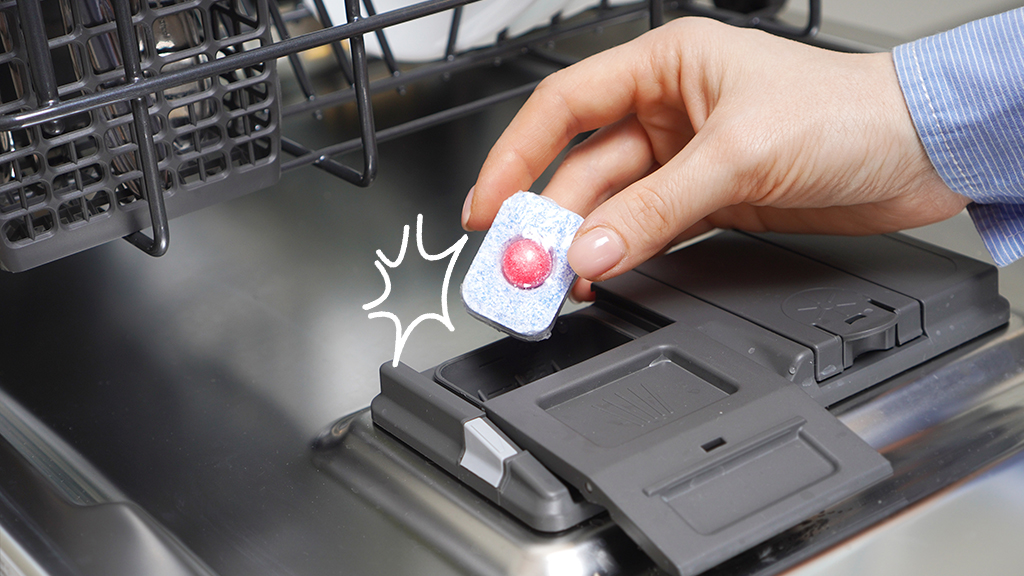
- Place the pod or tablet in the bottom of the dishwasher, not in the broken dispenser.
- Make sure it’s not stuck under large items or dishes.
- Start the cycle.
The hot water will dissolve the pod or tablet. This method is less precise than a dispenser but works for most loads.
Non-obvious insight: If your dishwasher takes a long time to fill, or has a “pre-wash” cycle, some detergent may wash away before the main cleaning. You can try starting the dishwasher, waiting a few minutes, then pausing and adding the pod, but this is usually not necessary for regular loads.
3. Splitting Detergent For Better Cleaning
When the soap dispenser is broken, all detergent enters at the start. On some dishwashers, this means less cleaning power during the main wash. You can split your detergent:
- Add half the detergent to the bottom of the dishwasher before starting.
- Pause the cycle after a few minutes (when the pre-wash ends).
- Add the remaining detergent.
- Resume the cycle.
This method mimics the timing of a working dispenser. It’s especially useful for older dishwashers or when washing very dirty items.
Practical example: If your dishwasher runs for 90 minutes, pause after 10-15 minutes (pre-wash). Add the second half of the detergent, and restart. This is a simple way to boost cleaning performance.
4. Using The Rinse Aid Compartment (if Available)
Some dishwashers have a separate rinse aid compartment that still works even if the main detergent door is broken. If your dispenser is stuck open but the rinse aid compartment is functional:
- Add detergent to the rinse aid compartment only if the manufacturer recommends it (check your manual).
- Use only a small amount—rinse aid compartments are not designed for large amounts of detergent.
- Be aware that this is a temporary solution.
Warning: Too much detergent in the rinse aid compartment can cause over-sudsing and leaks.
5. Pre-rinsing Dishes For Best Results
When detergent is released at the wrong time, some food may not be cleaned away. Pre-rinsing can help:
- Scrape off large food pieces.
- Give plates and pots a quick rinse under the tap.
- Avoid heavy soils that need extra detergent.
This step is especially useful for heavy or baked-on stains, and when using the methods above.
Data point: According to the American Cleaning Institute, pre-rinsing is not usually needed with modern dishwashers, but with a broken dispenser, it can improve cleaning by up to 25%.
6. Avoiding Liquid Dish Soap
Never use regular dishwashing liquid (hand soap) in the dishwasher, even if the dispenser is broken. These products cause too many suds, which can leak from the machine and cause damage. Always use dishwasher-specific detergent.
7. Adjusting Dishwasher Cycle Settings
If your dishwasher has different cycle options, adjust settings for best results with a broken dispenser:
- Use longer or hotter cycles for tough stains.
- Use the “sanitize” or “heavy” cycle if available.
- Avoid quick or eco cycles, which may not give detergent enough time to work.
Non-obvious tip: On some models, the pre-wash cycle uses only water. Knowing your cycle stages helps you time detergent addition if you want to split the dose.
8. Monitoring For Detergent Residue
Without a working dispenser, you may see detergent residue on dishes or inside the machine. This happens if too much detergent is used, or it doesn’t dissolve fully. To avoid this:
- Use only the recommended amount of detergent.
- Run a rinse cycle if you see white film or residue.
- Try switching detergent brands if the problem continues.
9. Cleaning The Dishwasher Regularly
Dishwashers can build up grease and minerals, especially when detergent is added directly. Clean your machine monthly:
- Run an empty cycle with a cup of white vinegar on the top rack.
- Check and clean spray arms and filters.
- Wipe down the door seal and edges.
Regular cleaning will keep your machine working well even with a broken dispenser.
10. Repairing Or Replacing The Soap Dispenser
While you can use your dishwasher with a broken dispenser, fixing it is best for long-term use. If you’re handy:
- Order a replacement part for your model (cost: $20–$60).
- Watch a step-by-step video or read your manual.
- Disconnect power and water before repairs.
If you’re not comfortable, call a professional. Some repairs are simple; others need special tools. Remember, a working dispenser improves cleaning and makes using your dishwasher easier.
Comparing Detergent Placement Methods
Here is a quick comparison of the most common ways to add detergent when the dispenser is broken:
| Method | Best For | Cleaning Effectiveness | Common Issues |
|---|---|---|---|
| Bottom of Dishwasher | All cycles | Good | May dissolve too early |
| Split Dose (pause cycle) | Heavily soiled dishes | Very good | Requires manual pause |
| Rinse Aid Compartment | Temporary workaround | Fair | Risk of over-sudsing |
| Detergent Pod/Tablet | Quick loads | Good | Pod may not dissolve fully |
Mistakes To Avoid When Using A Dishwasher With Broken Soap Dispenser
Many people make these mistakes when trying to use a dishwasher with a broken dispenser:
- Using too much detergent. More is not better and can cause residue or leaks.
- Placing detergent under large dishes. Water can’t reach it and it won’t dissolve.
- Using hand soap or regular dish liquid. This creates too many suds and can damage the machine.
- Ignoring pre-rinsing. With poor detergent timing, food may stay stuck to dishes.
- Not checking the cycle. Using a short cycle can leave dishes dirty if detergent washes away too soon.
Non-obvious insight: Many people add detergent before loading dishes. If you do this, it may get knocked away or spilled. Always add detergent last, just before closing the door.
How Dishwashers Clean Without A Dispenser
You might wonder if your dishwasher can clean well without a working dispenser. The answer is yes, with the right approach. Most dishwashers work by spraying hot water and detergent onto dishes, then rinsing away food and soap. Even if detergent enters at the wrong time, it can still clean, especially with these tips:
- Use the right amount of detergent.
- Don’t overload the racks.
- Choose a strong cycle if needed.
- Check for residue and adjust your method as needed.
Data: A survey by Consumer Reports found that 8 out of 10 dishwashers still cleaned dishes well when detergent was added to the bottom, not the dispenser, as long as the right amount was used.
Long-term Solutions And When To Repair
While workarounds let you keep using your dishwasher, they are not perfect for the long term. Here’s what to consider:
When To Repair The Dispenser
- If you use your dishwasher daily, fixing the dispenser saves time and hassle.
- If you notice dishes are not coming clean, or detergent is wasted, repair is best.
- If your dishwasher is under warranty, contact the manufacturer.
Diy Vs. Professional Repair
Some dispensers are easy to fix—just a broken spring or latch. Others may require removing the door panel or dealing with wiring. If you’re not sure, it’s safer to call a professional.
Replacement Costs
On average, a new dispenser part costs $20–$60. Professional repair can cost $100–$200. Compare this to the cost of a new dishwasher ($300+).
Pro tip: If your machine is old (over 10 years) and has other issues, replacing the dishwasher may be smarter than repairing it.
Dishwasher Detergent Types And Their Use
Not all detergents work the same way when the dispenser is broken. Here’s a look at your options:
| Detergent Type | Works With Broken Dispenser? | Best Use Case | Notes |
|---|---|---|---|
| Powder | Yes | Direct placement | Easy to split dose, dissolves fast |
| Gel | Yes | Direct placement | Can leave residue if overused |
| Pod/Tablet | Yes | Direct placement | Must not be blocked by dishes |
| Liquid (hand soap) | No | Never use | Causes suds, damage |
Key insight: Pods and tablets are convenient, but make sure they are not trapped under plates or bowls. Powder is easy to measure and split.

Credit: authorizedco.com
Myths And Misunderstandings
Many people have the wrong ideas about dishwashers and detergent. Let’s clear up a few myths:
- Myth: The soap dispenser is the only place detergent can go.
- Fact: Detergent can work from the bottom of the tub if added correctly.
- Myth: More detergent cleans better.
- Fact: Too much detergent can leave residue or damage the dishwasher.
- Myth: Hand dish soap is okay in a pinch.
- Fact: This will cause leaks and even damage the dishwasher pump.
- Myth: You must repair the dispenser right away.
- Fact: You can use the workarounds above for weeks, even months, if careful.
Tips For Getting The Best Results
To keep your dishwasher working well while the dispenser is broken, follow these tips:
- Use the right amount of detergent. Follow the package directions, and adjust based on load size and soil.
- Don’t block the detergent. Place pods or powder so water can reach them easily.
- Clean spray arms and filters. This ensures water sprays detergent evenly.
- Run a hot water cycle. Hot water helps dissolve detergent quickly.
- Check results. If you see food or residue, try splitting detergent or pre-rinsing more.
Expert tip: Try different brands or types of detergent. Some formulas dissolve better than others, especially when not released from a dispenser.

Credit: www.reddit.com
Safety Notes And Warnings
While it’s safe to run your dishwasher without a working dispenser, avoid these problems:
- Over-sudsing: Never use hand soap or regular dish liquid.
- Damaged seals: Too much detergent can foam up and leak.
- Children and pets: Keep pods and detergent out of reach. Direct placement can attract curious hands or paws.
If you see leaks, smells, or hear unusual noises, stop the machine and check for detergent buildup or call a repair expert.
When To Replace The Dishwasher
Sometimes, repairing a dispenser may not be worth it, especially for older machines. Here’s when to consider a new dishwasher:
- The machine is over 10–12 years old.
- It needs other repairs (pump, motor, control board).
- You want better energy and water efficiency.
- Dishes are not coming out clean, even with workarounds.
Modern dishwashers use less water and energy, and have better cleaning power. If your machine is old and you’re spending lots of time on workarounds, a new model may be a smart investment.
For more information on how dishwashers work and how to maintain them, you can read this Wikipedia article.
Credit: www.asurion.com
Frequently Asked Questions
What Is The Best Way To Add Detergent Without A Soap Dispenser?
The simplest method is to add the correct amount of dishwasher detergent (powder, gel, or pod) directly to the bottom of the dishwasher. Make sure it is not blocked by large dishes. For best cleaning, you can pause the cycle and add more detergent after the pre-wash.
Can I Use Regular Dish Soap If My Dispenser Is Broken?
No, you should never use regular dish soap or hand liquid in your dishwasher. These products create too many suds and can cause leaks or damage. Always use dishwasher-specific detergent.
Will My Dishes Get As Clean Without A Working Soap Dispenser?
With the right method, your dishes can still get very clean. Pre-rinse heavily soiled items, use the correct amount of detergent, and run a longer or hotter cycle if needed. For best results, consider fixing the dispenser when possible.
Is It Safe To Keep Using My Dishwasher If The Soap Dispenser Is Broken?
Yes, it is safe to use your dishwasher with a broken dispenser as long as you follow the correct methods for adding detergent. Watch for leaks, residue, or poor cleaning. If problems appear, consider repairing or replacing the dispenser.
How Hard Is It To Repair A Dishwasher Soap Dispenser?
Repair difficulty depends on your dishwasher model and the type of dispenser damage. Some repairs are as simple as replacing a latch or spring, while others require removing the door panel or dealing with wiring. If you’re not comfortable, call a professional.
—
A broken dishwasher soap dispenser can be frustrating, but it does not mean you must wash dishes by hand. With a few simple adjustments, you can keep your dishwasher running smoothly and your dishes sparkling clean. Remember to use only dishwasher detergent, avoid overloading, and clean your machine regularly.
If you need better performance or convenience, consider repairing the dispenser or upgrading your machine. With the right knowledge and care, you can handle this common problem like a pro.