
Lighting a coal stove may seem simple, but doing it right takes a bit of skill and knowledge. Whether you’re new to coal heating or switching from wood, learning how to start a coal stove safely and efficiently can make your home warmer and your heating bills lower. Coal stoves burn hotter and longer than wood, but they need special attention when starting and maintaining the fire. In this guide, you’ll learn every step in detail, from preparing your stove and choosing the right coal to keeping your fire healthy and troubleshooting common problems. If you’ve ever struggled with smoky rooms, stubborn fires, or just want to heat your home more efficiently, you’re in the right place.
Understanding Coal Stoves
A coal stove is a heating appliance designed to burn coal efficiently. Unlike wood stoves, coal stoves have grates and air controls built for the special properties of coal. They come in two main types: hand-fired (or manual) and stoker (automatic feed). Hand-fired stoves need you to add coal and manage the fire manually. Stoker stoves use a mechanical system to feed coal automatically.
Coal stoves are popular in colder regions because they offer steady, long-lasting heat. Some models heat only a room, while others connect to home heating systems. Coal burns hotter and longer than wood, but it needs more air from beneath the fire.
This is why coal stoves have special grates and ash pans.
Why Choose A Coal Stove?
People choose coal stoves for different reasons:
- Cost-efficient heating: Coal is often cheaper per BTU (heat unit) than oil, gas, or electricity.
- Long burn time: A coal fire can burn 12–24 hours with little attention.
- Reliable in power outages: Most hand-fired stoves work without electricity.
- Consistent warmth: Coal stoves provide even heat, reducing temperature swings.
However, coal stoves need regular cleaning, proper ventilation, and high-quality fuel for safe operation.
Types Of Coal For Stoves
Not all coal is the same. The two main types used in home stoves are anthracite and bituminous.
| Type of Coal | Key Features | Best Use |
|---|---|---|
| Anthracite | High carbon, burns clean, low smoke | Home heating stoves |
| Bituminous | Lower carbon, more smoke, sticky ash | Industrial boilers |
Anthracite coal is the top choice for home stoves. It burns with a blue flame, makes little smoke, and leaves less ash. It’s also harder to light than bituminous, but once burning, it lasts longer.
Bituminous coal is softer, has more impurities, and makes more smoke and soot. Some stoves can burn bituminous, but you’ll need to clean them more often. Always check your stove manual for the recommended coal type.

Credit: www.youtube.com
Safety First: Preparing To Start A Coal Stove
Before you light your coal stove, safety must come first. Coal stoves get extremely hot and create gases like carbon monoxide, which can be deadly if not vented properly.
Key Safety Steps
- Read the manual: Every stove is different. The manual tells you about air controls, grates, and maintenance.
- Check the chimney: Make sure it’s clean and free of blockages. A blocked chimney can cause smoke and dangerous gases to leak indoors.
- Install a carbon monoxide detector: Place one near the stove and in sleeping areas.
- Have a fire extinguisher handy: Keep it close, but not so near it gets too hot.
- Inspect the stove: Look for cracks, loose parts, or missing seals. Fix problems before lighting.
- Clear the area: Remove flammable items (rugs, curtains, papers) from around the stove.
- Ventilate: Open a window slightly when starting the stove, especially in airtight homes.
Pro tip: Never use gasoline, lighter fluid, or other flammable liquids to start a coal stove. These can cause explosions.
Essential Tools And Materials
Having the right tools will make starting and maintaining your coal stove safer and easier. Here’s what you’ll need:
- Shovel or scoop: For adding coal.
- Ash pan: Collects ashes under the grate.
- Poker or fire rake: For spreading and stirring the fire.
- Matches or long lighter: To start your kindling or fire starter.
- Fire starters: Use paraffin cubes, fatwood sticks, or dry kindling.
- Gloves: Protect your hands from heat and coal dust.
- Metal bucket: For removing hot ashes.
Some stoves have built-in tools. Always use tools recommended by your stove manufacturer.
Step-by-step: How To Start A Coal Stove
Now let’s walk through the process of starting your coal stove. These steps focus on hand-fired stoves, as they are the most common for home use.
1. Clean Out Old Ashes
Begin with a clean firebox. Ashes left from previous burns can block air flow and make it hard to start a new fire. Pull out the ash pan, dump the ashes in a metal bucket, and check that the grates can move freely.
If ashes are still hot, wear gloves and use care.
2. Open Air Controls
Coal needs oxygen from below to burn well. Open the primary air controls (usually below the firebox) all the way. Some stoves have a damper or secondary air control above the fire; set these as the manual directs, usually partly open.
3. Build A Strong Wood Fire
Coal doesn’t light easily with just a match. Start with a base of dry kindling and small pieces of wood. Stack them in a crisscross pattern for good air flow. Add a few fire starters or fatwood sticks for extra heat.
Light the kindling and let it burn until you have a strong, hot wood fire with a bed of glowing embers. This usually takes 15–20 minutes.
4. Add Small Amounts Of Coal
Once the wood fire is hot, add a thin layer of coal (about 1–2 inches thick) across the embers. Don’t add too much, or you’ll smother the fire. Let the coal catch fire—it will start to glow and may show a blue flame.
Wait until this first layer is burning well before adding more coal.
5. Gradually Build Up The Fire
Once the first layer is burning, add another layer of coal (1–2 inches). Repeat this process, letting each layer catch before adding more, until the firebox is full to the recommended level (usually 4–6 inches deep).
This process usually takes 30–60 minutes. Rushing can smother the fire, so be patient.
6. Adjust The Air Controls
After the coal fire is established, you can begin to close the primary air control slightly to slow the burn. The exact setting depends on your stove and how much heat you want. Never close the air completely or the fire may go out.
Some stoves have a secondary air control above the fire. This helps burn off gases and keeps your chimney cleaner. Adjust as needed for your stove model.
7. Monitor And Maintain The Fire
Check the fire every few hours. Shake the grates gently to drop ash into the pan (once or twice a day is enough). Add coal as needed to keep the fire burning at the desired level.
If you’re leaving the stove overnight, fill the firebox with coal before bed and set the air control for a slower burn.
8. Remove Ashes Regularly
Ashes build up quickly in coal stoves. Remove them daily or as needed, but always use a metal container. Hot ashes can stay live for hours and may cause fires if left in plastic or cardboard.
Non-obvious insight: If you notice the fire getting weak, check for ash buildup blocking the grate before adding more coal. Many beginners add more coal, but the real issue is often poor airflow due to ash.
Troubleshooting Common Problems
Even with good technique, you may face issues starting or maintaining your coal stove. Here’s how to solve the most common problems:
Fire Smokes Or Won’t Light
This usually means poor draft or damp kindling. Check your chimney for blockages. Make sure the air controls are fully open. Use dry wood and kindling. If the weather is warm, you may need to “prime” the chimney by burning a piece of newspaper near the flue to start the draft.
Fire Goes Out After Adding Coal
Adding too much coal at once can smother the fire. Always add coal in small layers and let each one catch before adding more. Also, check for ash buildup under the grate.
Fire Burns Too Fast
Too much air can cause the fire to burn too quickly and waste coal. Adjust the primary air control to reduce airflow. Check that doors and seals are tight so air isn’t leaking into the stove.
Smoke In The Room
This can be dangerous. Shut the air controls and open windows to vent the room. Check for a blocked chimney or poor draft. Never use the stove until the cause is fixed.
Hard Clinker Formation
Clinkers are hard lumps of fused ash. They block airflow and reduce heat. Remove them with a poker and clean the grates regularly. Using high-quality anthracite reduces clinker problems.
Non-obvious insight: Many people try to fix a weak fire by opening the stove door. This lets in air above the fire but not through the coal bed, which does not help coal burning and can cause smoke. Always use the air controls below the grate for coal fires.

Credit: legacystoves.com
Tips For Efficient And Clean Burning
To get the most heat and least mess from your coal stove, follow these expert tips:
- Use only high-quality anthracite coal. Cheaper coal makes more ash, clinkers, and smoke.
- Keep your chimney clean. Creosote and soot buildup can cause chimney fires and block airflow.
- Don’t overfill the firebox. Leave some space above the coal for air to circulate.
- Don’t let ash build up. Ash blocks air and cools the fire.
- Watch the weather. Draft is weaker on warm or windy days; you may need to adjust air controls.
- Don’t mix wood and coal. Once the coal fire is established, burn only coal for best results.
- Shake the grate gently. Too much shaking can dump burning coal into the ash pan.
- Never burn trash or treated wood. These can release toxins and damage your stove.
Comparing Coal Vs. Wood Stoves
If you’re switching from wood to coal, here’s a quick side-by-side comparison:
| Feature | Coal Stove | Wood Stove |
|---|---|---|
| Burn Time | 12–24 hours | 4–8 hours |
| Heat Consistency | Very steady | Varies as wood burns down |
| Fuel Storage | Requires dry, covered bin | Needs dry wood, larger space |
| Start-up Difficulty | Harder to light | Easier to light |
| Cleanup | More ash, daily cleaning | Less ash, weekly cleaning |
As you can see, coal stoves need a bit more work at the start but reward you with long, even heat.
Advanced Tips For Seasoned Users
Once you’re comfortable with the basics, you can fine-tune your technique for even better results.
- Try banking the fire at night. Push the burning coals to one side, add fresh coal to the other, and adjust the air for a slow, overnight burn. In the morning, open the air, shake the grate, and the fire should revive quickly.
- Test your chimney draft. Hold a lit match near the open stove door. If the flame pulls in, your draft is good. If it stays still or blows out, check for blockages.
- Use a stovepipe thermometer. Keep the flue temperature in the recommended range (often 250–400°F) for best efficiency.
- Check for air leaks. Use a flashlight at night to spot light around doors or seals. Replace gaskets as needed.
- Plan your coal deliveries. Buy coal before winter. It’s often cheaper and ensures you have dry, high-quality fuel.
Maintenance: Keeping Your Coal Stove In Top Shape
Good maintenance keeps your stove working safely and efficiently.
Daily And Weekly Tasks
- Empty ashes: At least once a day during steady use.
- Check air controls: Make sure they open and close smoothly.
- Inspect the firebox: Look for cracks or warping.
Monthly And Seasonal Tasks
- Clean the chimney: At least once a season, or more if you burn bituminous coal.
- Check door gaskets: Replace if worn or cracked.
- Oil moving parts: Use high-temperature oil on grates and levers.
- Inspect the flue pipe: Look for rust, soot, or signs of leaks.
End-of-season Care
- Let the stove cool completely.
- Clean all ashes and soot.
- Wipe down the stove with a dry cloth.
- Close all air vents to keep out moisture.
- Store unused coal in a dry place.
Proper maintenance can add years to your stove’s life and keep your home safe.
Coal Storage And Handling
Storing coal properly is important for both safety and efficiency.
- Keep coal dry. Wet coal is hard to light and burns poorly.
- Use a covered bin or shed. This protects coal from rain and snow.
- Store coal away from the house. Coal dust can be messy and flammable.
- Wear a mask when handling coal. Coal dust is not healthy to breathe.
- Never store large amounts indoors. This reduces fire risk.
Non-obvious insight: Some people try to burn “old” or damp coal left over from previous winters. While it’s possible, you’ll get better results with fresh, dry coal. Old coal can absorb moisture and even mold, making it harder to light and less efficient.
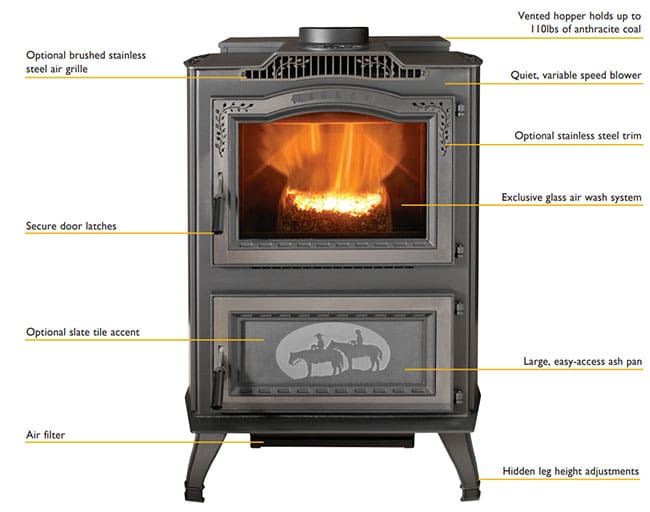
Credit: legacystoves.com
Environmental And Legal Considerations
Burning coal has environmental impacts. Anthracite coal is cleaner than other types, but all coal releases carbon dioxide and other emissions.
- Check local laws. Some areas limit coal burning or require certain types of stoves.
- Dispose of ashes properly. Coal ash can contain heavy metals—never use it in gardens or on food crops.
- Vent gases safely. Make sure your chimney meets code and is inspected regularly.
If you’re concerned about air quality or regulations, contact your local building or health department before installing or using a coal stove. For more information on coal and its environmental effects, see the Wikipedia page on coal.
Cost And Efficiency
Many people choose coal stoves for cost savings. Here’s a simple comparison:
| Fuel Type | Average Cost per Million BTU | Notes |
|---|---|---|
| Coal (Anthracite) | $12–$15 | Varies by region and quality |
| Wood (Seasoned) | $16–$20 | Requires more storage |
| Oil | $25–$30 | Price changes often |
| Natural Gas | $10–$15 | Not available everywhere |
Coal is often cheaper than oil or electric heat, especially in areas near coal mines. However, the price can change based on demand and delivery costs.
Health And Air Quality
While coal stoves are safe when used properly, you should still be aware of health issues:
- Carbon monoxide: Always use a detector. CO is odorless and deadly.
- Coal dust: Wear a mask when adding coal or cleaning ashes.
- Ventilation: Open a window slightly in very tight homes.
- Ash disposal: Cool ashes completely before disposing outdoors, away from buildings.
If you or your family have breathing issues, talk to your doctor before installing a coal stove.
Frequently Asked Questions
How Long Does It Take To Start A Coal Stove?
Starting a coal stove takes about 45–90 minutes. Building a wood fire and gradually adding coal takes time, but once burning, coal stoves offer long-lasting heat with little attention.
Can I Burn Wood In A Coal Stove?
Most coal stoves can burn wood for starting the fire, but not for long-term heating. Once the coal fire is established, switch to burning only coal for best results and efficiency.
How Often Should I Remove Ashes From A Coal Stove?
Ashes should be removed at least once a day during regular use. Too much ash blocks airflow and makes it hard to keep the fire burning efficiently.
Is Coal Heat Safe For Homes With Children And Pets?
Coal stoves are safe if installed and used correctly. Keep children and pets away from the stove, use safety gates if needed, and always monitor carbon monoxide levels.
What Should I Do If My Coal Stove Fills The Room With Smoke?
Turn off the air controls, open windows, and evacuate if needed. Check for a blocked chimney or poor draft. Never use the stove until the problem is found and fixed.
Lighting and managing a coal stove is a skill that gets easier with practice. By following these steps, using the right tools, and paying attention to safety, you can enjoy warm, steady heat all winter long. With care and knowledge, your coal stove will serve your home well for many years.