
Sharpening your electric fillet knife blades is one of the smartest things you can do if you want clean cuts, less effort, and longer life from your knife. Many people don’t realize that a dull blade not only makes filleting fish or meat harder but also increases the risk of accidents.
Keeping your electric fillet knife sharp gives you more control, saves time, and helps you enjoy the whole experience, whether you’re prepping a big catch at the lake or slicing chicken in your home kitchen.
But sharpening electric fillet knife blades is a bit different from sharpening regular knives. The blade design, the motorized movement, and the thin flexible metal all require a careful approach. Many new users are unsure where to start, what tools to use, or how to avoid damaging their expensive equipment.
If you’ve ever wondered how to sharpen electric fillet knife blades without ruining them, this guide is for you.
You’ll learn everything you need to know about safe sharpening, the right tools, and how to maintain your blade’s edge for months to come. Let’s break down the process step by step so you can get back to smooth, easy filleting.
Understanding Electric Fillet Knife Blades
Before you sharpen, it’s important to understand what makes electric fillet knife blades unique. These blades are usually made from high-carbon stainless steel, which helps them stay sharp longer and resist rusting. Most electric fillet knives have a serrated edge, which means the blade has small teeth, rather than a smooth edge like a chef’s knife.
Another key point is the flexibility of these blades. They’re designed to bend and move easily, so you can follow the shape of fish bones and get every last piece of meat. The thin metal makes them great for precise cuts, but it also means they can be damaged easily if you use the wrong sharpening method.
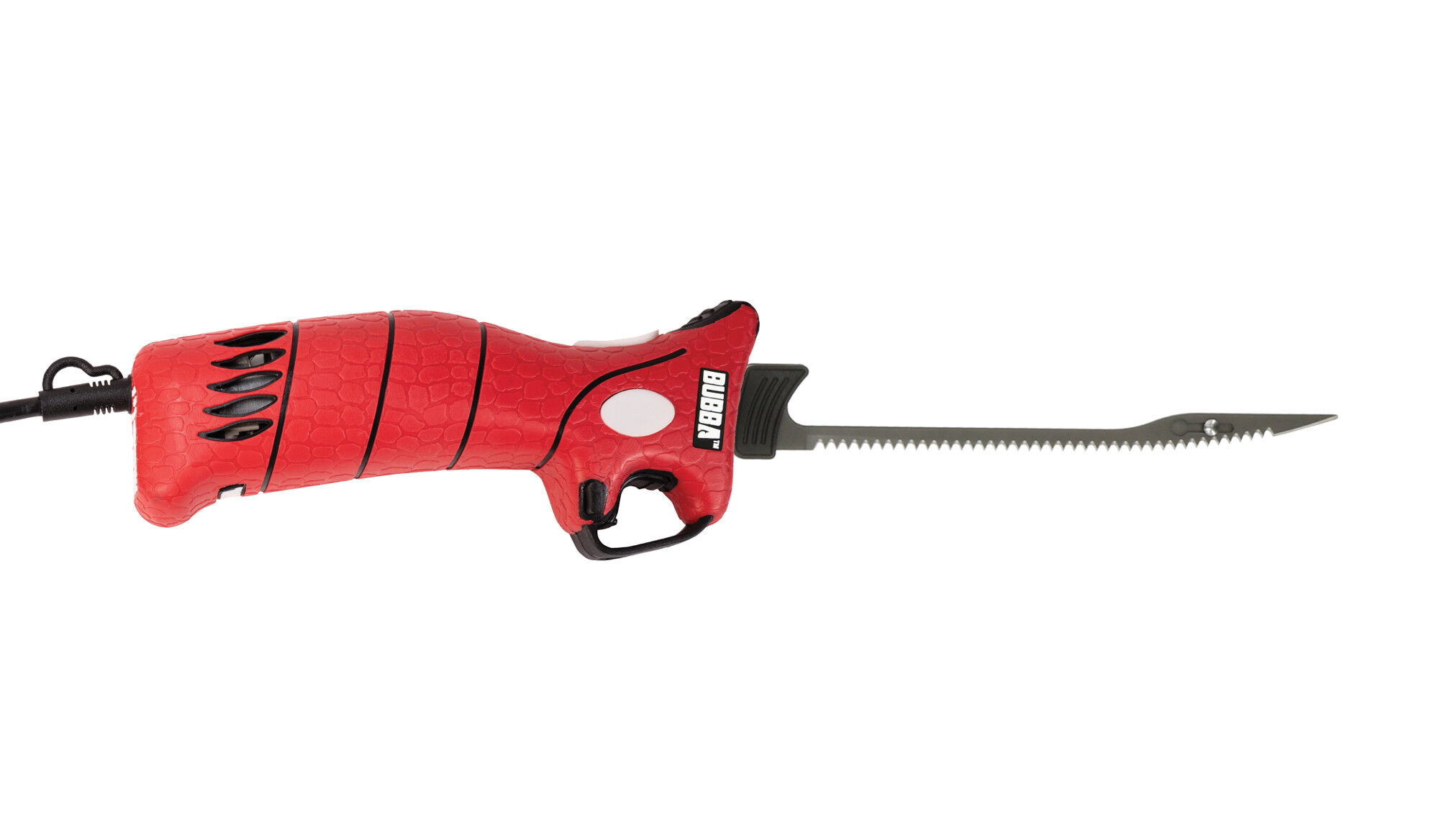
Finally, electric fillet knives are removable. You can take the blade out of the handle for cleaning and sharpening. This is a safety feature and makes sharpening much easier.
Non-obvious insight: Many people try to sharpen electric fillet knife blades while they’re still in the handle. This is dangerous and often leads to uneven edges. Always remove the blade before sharpening.
Signs Your Electric Fillet Knife Blade Needs Sharpening
Sometimes it’s not obvious when your blade is losing its edge. Here are clear signs to watch for:
- Tearing instead of slicing: If you notice the blade ripping the fish or meat, rather than making a clean cut, the edge is dull.
- Increased effort: You have to push harder to move the knife through the flesh.
- Jagged fillets: The fillet pieces look rough or uneven, not smooth.
- Blade slips: The knife slides off the skin or bones instead of biting in.
- Noise changes: You hear more grinding and less of the clean slicing sound.
Pro tip: Don’t wait until the blade is completely dull. Sharpening a slightly dull blade is much easier and safer than fixing a completely blunt one.
Credit: smithsproducts.com
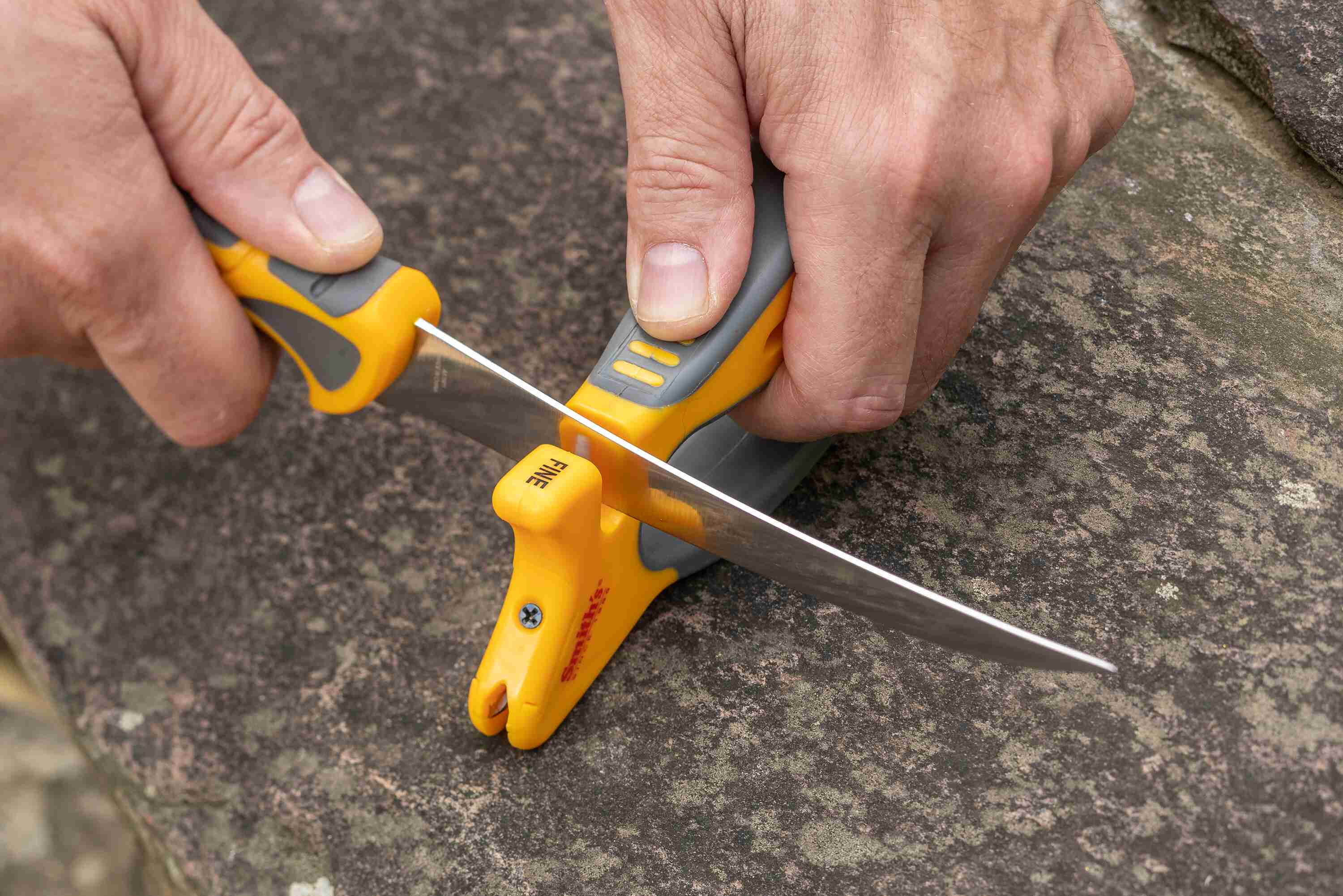
Tools For Sharpening Electric Fillet Knife Blades
The right tools are essential for good sharpening and blade care. Let’s look at the best options and when to use each.
1. Sharpening Rods
A ceramic or diamond sharpening rod is excellent for quick touch-ups. These rods are thin enough to fit between the serrations. Diamond rods are more aggressive and remove metal faster, while ceramic rods are gentler.
2. Serrated Knife Sharpeners
Special serrated knife sharpeners often have a tapered shape to fit the grooves of serrated blades. Some models are manual, others are electric. They let you sharpen each tooth individually, which is important for electric fillet blades.
3. Sharpening Stones
A fine-grit sharpening stone can be used for straight-edged fillet knife blades, but is not ideal for serrated blades. If your electric fillet knife has a straight edge, choose a stone with 1000-3000 grit.
4. Professional Sharpening Systems
Some companies make sharpening systems specifically for electric knives. These machines hold the blade at the correct angle and use a series of abrasive belts or wheels.
5. Honing Tools
A honing rod (not a sharpening rod) helps realign the edge but doesn’t remove metal or create a new edge. It’s good for quick maintenance between sharpenings.
6. Leather Strop
A leather strop loaded with polishing compound can remove tiny burrs and polish the edge after sharpening.
Non-obvious insight: Many beginners try to use regular kitchen knife sharpeners, which can damage the serrations or thin steel. Always use tools designed for serrated or flexible blades.
Tool Comparison
Below is a comparison of popular sharpening tools for electric fillet knife blades.
| Tool Type | Best For | Skill Level | Average Price | Notes |
|---|---|---|---|---|
| Diamond Sharpening Rod | Serrated edges | Beginner-Expert | $10-$25 | Removes metal quickly |
| Ceramic Rod | Touch-ups | Beginner | $10-$20 | Gentle, good for maintenance |
| Serrated Knife Sharpener | Serrated blades | Beginner | $15-$40 | Fits between teeth |
| Sharpening Stone | Straight edges | Intermediate | $20-$50 | Not for most electric fillet knives |
| Professional System | All types | Beginner-Expert | $50-$200 | Expensive, best for frequent users |
How To Sharpen Electric Fillet Knife Blades: Step-by-step
Sharpening electric fillet knife blades takes patience and attention to detail. Here’s a step-by-step guide that works for most serrated electric fillet knives. If your knife has a smooth edge, skip to the straight-edge section below.
Step 1: Safety First
Remove the blade from the electric knife body. Make sure the power is off and the cord is unplugged. Wear cut-resistant gloves if you’re new to sharpening.
Step 2: Clean The Blade
Wash the blade with warm soapy water and dry it completely. Dirt, oil, or fish residue can affect your sharpening.
Step 3: Choose The Right Tool
For most electric fillet knives, use a diamond or ceramic sharpening rod that fits into the serrations. If your knife came with a special sharpener, use that.
Step 4: Sharpening The Serrations
Hold the rod at the same angle as the serrated teeth, usually about 20 degrees. Insert the rod into each groove and gently move it back and forth two or three times. Work from the base of the blade to the tip, making sure to sharpen every tooth.
Example: If your blade has 30 serrations, sharpen each one individually for best results. Rushing this step leads to uneven cutting.
Step 5: Check For Burrs
After sharpening, run your finger very gently along the flat side of the blade (away from the edge). If you feel a tiny wire-like burr, it means you’ve sharpened enough. Remove the burr by lightly passing the rod along the flat side.
Step 6: Honing And Polishing
Use a honing rod or a leather strop to polish the edge and remove micro burrs. This improves sharpness and gives a smooth finish.
Step 7: Clean And Test
Wipe the blade with a soft cloth. Test the sharpness by slicing a piece of paper or gently cutting a tomato. The blade should cut smoothly without catching.
Step 8: Reinstall The Blade
Carefully put the blade back into the electric knife handle, making sure it clicks into place securely.
Special Note: Straight-edge Electric Fillet Knives
If your electric fillet knife has a straight edge (rare but possible), use a fine-grit sharpening stone. Hold the blade at a 15-20 degree angle, and move it in small circles along the stone. Repeat on both sides, then hone and polish as above.
Common mistake: Pressing too hard on the stone can remove too much metal and ruin the blade’s thin profile.
How Often Should You Sharpen Electric Fillet Knife Blades?
How often you sharpen depends on how much you use your knife and what you cut. For regular home use (cleaning fish once or twice a week), sharpen every 1-2 months. If you use your knife daily, check the edge weekly and sharpen as needed.
Quick check: Try slicing a sheet of paper every few uses. If the blade struggles, it’s time to sharpen.
How To Maintain Electric Fillet Knife Blades Between Sharpenings
Sharpening is important, but maintenance keeps your blade performing longer. Here are easy ways to protect your edge:
- Clean after every use: Wash and dry the blade completely. Water left on the blade causes rust, even on stainless steel.
- Store safely: Keep the blade in a sheath or case. Don’t toss it in a drawer, where it can get nicked or bent.
- Hone regularly: Use a honing rod every few uses to realign the edge.
- Avoid bones and hard objects: Use your electric fillet knife only for soft meat and fish, not for cutting bone or frozen food.
- Lubricate the blade: A thin coat of food-safe oil helps prevent rust in humid environments.
Mistakes To Avoid When Sharpening Electric Fillet Knife Blades
Even experienced users can make mistakes. Here are the most common errors and how to avoid them:
1. Using The Wrong Tool
Using a standard kitchen sharpener or grinding wheel can destroy the serrations or heat up the blade, ruining the temper.
2. Sharpening Too Often
Over-sharpening removes too much metal, making the blade weak and flexible. Only sharpen when necessary.
3. Pressing Too Hard
Gentle pressure is all you need. Pushing hard on the sharpening rod or stone can bend the blade or cause uneven edges.
4. Ignoring Burrs
Leaving burrs on the edge makes the knife feel sharp at first, but they break off quickly and leave the blade dull.
5. Not Cleaning Before Sharpening
Residue on the blade can scratch the edge and make sharpening less effective. Always clean first.
6. Forgetting To Test The Edge
Testing the blade before and after sharpening lets you track progress and avoid over-sharpening.
Sharpening Electric Fillet Knife Blades Vs. Regular Knives
It’s helpful to understand how sharpening electric fillet knife blades is different from regular knives.
| Feature | Electric Fillet Knife Blade | Regular Knife Blade |
|---|---|---|
| Edge Type | Serrated (usually) | Straight |
| Sharpening Tool | Rod or serrated sharpener | Sharpening stone |
| Flexibility | Very flexible | Stiffer |
| Sharpening Frequency | Less frequent | More frequent |
| Common Mistakes | Damaging serrations | Wrong angle |

Credit: www.youtube.com
When To Replace Your Electric Fillet Knife Blade
Even with the best care, blades don’t last forever. Here’s when you should consider replacing your blade:
- Deep chips or cracks: If the blade is chipped or cracked, sharpening won’t fix it.
- Bent blade: A severely bent blade won’t cut straight, even after sharpening.
- Worn serrations: If the serrations are completely worn down, it’s time for a new blade.
- Rust spots: Deep rust that won’t come off with cleaning makes the blade unsafe for food use.
Most electric fillet knife brands sell replacement blades. Make sure you buy the correct size and model for your knife.
Expert Tips For Longer-lasting Sharpness
Keeping your electric fillet knife sharp for as long as possible saves time and money. Here are tips used by professional chefs and anglers:
- Dry the blade immediately: Don’t let water sit on the blade after washing.
- Use a cutting board: Always fillet on a soft surface, like wood or plastic, not metal or stone.
- Store the knife assembled: If you use your knife often, keep the blade in the handle to avoid bends.
- Avoid dishwashers: The high heat and moisture can warp or rust the blade.
- Rotate blades: If you have more than one blade, rotate them to even out wear.
Non-obvious insight: Don’t try to make the blade “razor sharp” like a straight razor. Serrated electric fillet knives work best with small, well-formed teeth, not a polished mirror edge.
Credit: www.bubba.com
Common Questions About Electric Fillet Knife Sharpening
How Do I Know What Angle To Sharpen At?
Most electric fillet knife serrations are cut at an angle of 18-22 degrees. If you’re unsure, use the same angle as the existing serrations. Check the manufacturer’s guide for details.
Can I Use An Electric Sharpener?
Some electric knife sharpeners have a setting for serrated blades. Make sure it’s designed for thin, flexible blades like those on electric fillet knives. Otherwise, use a manual rod or sharpener.
What If My Blade Is Still Dull After Sharpening?
If sharpening doesn’t help, check for damage like bent teeth or a warped blade. Sometimes the blade is too worn to hold an edge, and replacement is the only option.
Is It Safe To Use Oil On The Blade?
Yes, as long as you use food-safe oil (such as mineral oil). This prevents rust, especially in humid areas or when storing for a long time.
Do All Electric Fillet Knives Use The Same Blade?
No, blade shapes, sizes, and attachment methods vary by brand. Always check your model before buying replacement blades or sharpeners.
Sharpening Electric Fillet Knife Blades: Myths And Truths
There’s a lot of misinformation about sharpening electric fillet knife blades. Here’s what you need to know:
- Myth: “Serrated blades never need sharpening.”
Truth: Serrated blades stay sharp longer, but they do dull and need occasional sharpening.
- Myth: “You can sharpen all knives with a stone.”
Truth: Using a stone on serrated blades usually damages them. Use the right tool.
- Myth: “A sharper blade is always better.”
Truth: For filleting, a sharp but not overly polished edge is best.
- Myth: “Electric knife blades are too hard to sharpen at home.”
Truth: With the right tool and patience, anyone can maintain their blade.
Choosing The Best Sharpening Tool For Your Needs
With several sharpening options, how do you pick the right one? Consider these factors:
- Serration size: Fine serrations need a thin rod; larger teeth may need a tapered sharpener.
- Frequency of use: If you fillet fish often, invest in a professional system.
- Skill level: Beginners should start with manual rods to avoid mistakes.
- Budget: You don’t need the most expensive sharpener. A $15 diamond rod is enough for most people.
For more information on knife sharpening basics, visit Wikipedia’s Sharpening page.
Frequently Asked Questions
How Often Should I Sharpen My Electric Fillet Knife Blade?
For occasional use, sharpen every 1-2 months. If you fillet fish or meat daily, check the edge weekly and sharpen as needed.
What’s The Difference Between Honing And Sharpening?
Honing realigns the edge without removing metal. Sharpening removes metal to create a new edge. Both are important for blade care.
Can I Sharpen My Electric Fillet Knife Without Removing The Blade?
No, always remove the blade before sharpening for safety and better results.
Will Sharpening Change The Shape Of My Blade?
If done correctly, sharpening only restores the edge. Over-sharpening or using the wrong tool can change the blade’s shape or damage serrations.
What’s The Best Way To Store My Electric Fillet Knife Blade?
Store the blade in a sheath or case, away from moisture and other tools. This prevents rust and accidental damage.
Keeping your electric fillet knife blade sharp is not difficult, but it does require the right tools and a little care. By understanding your knife, using the correct sharpening method, and avoiding common mistakes, you’ll enjoy clean cuts and easier filleting every time.
Whether you’re a seasoned angler or a home cook, a sharp electric fillet knife blade is a tool you’ll be glad you maintained.