
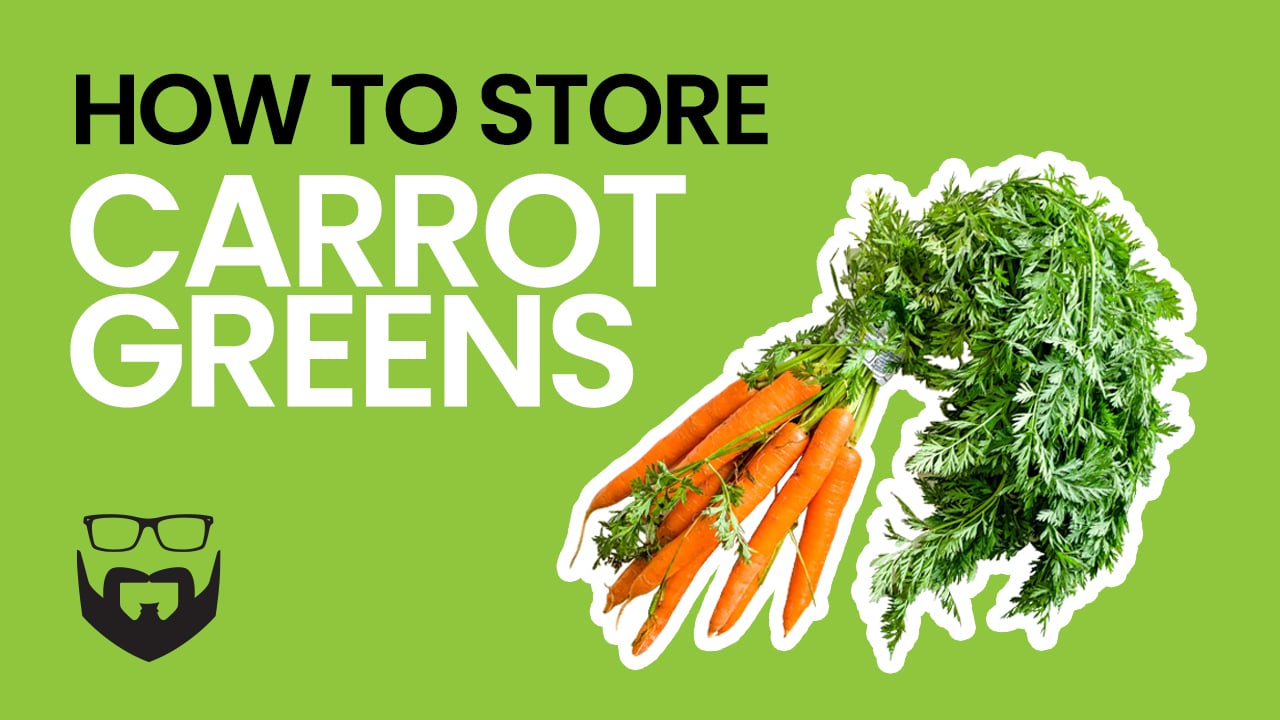
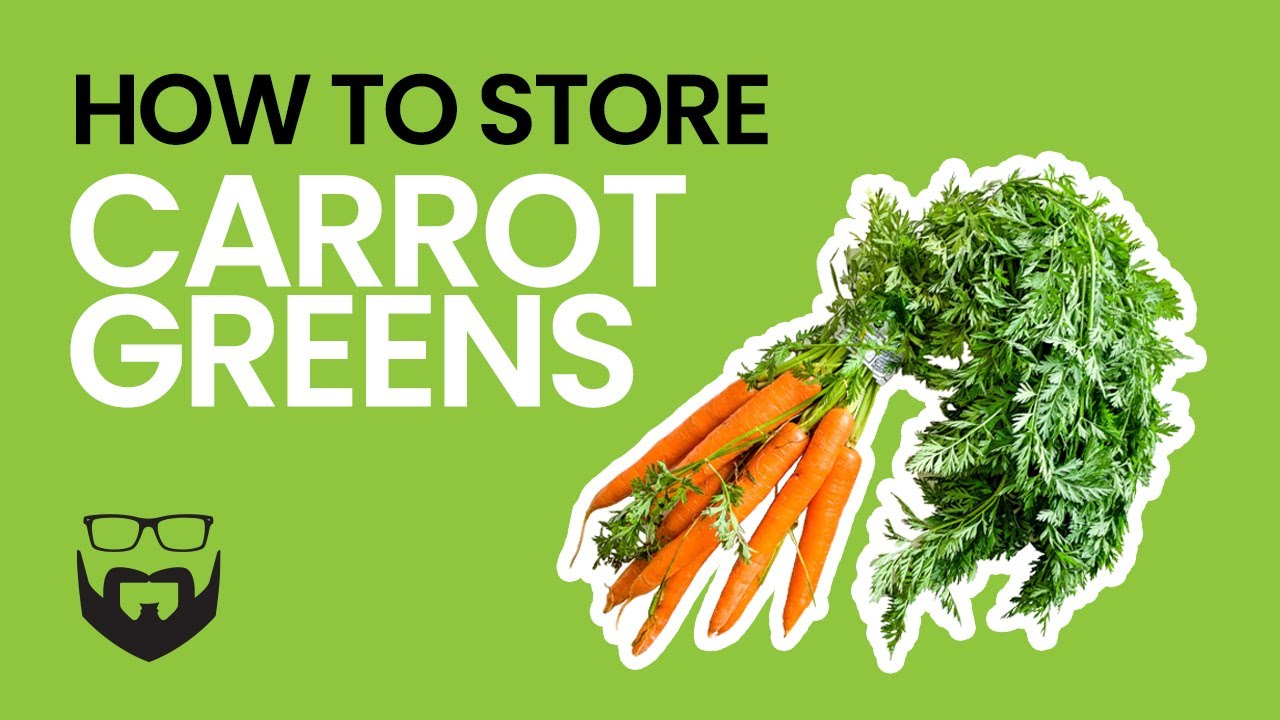
Carrot greens often surprise people. Many buy carrots with beautiful leafy tops, use the orange roots, and throw away the rest. But did you know those carrot greens are edible, flavorful, and full of nutrients? If you store them right, you can enjoy them in soups, salads, pesto, and more. Sadly, carrot tops wilt quickly, losing their color and crunch. Storing them well is the secret to making the most of every bunch.
This article will guide you step by step on how to store carrot greens. You’ll learn why storage matters, the best methods for short and long-term freshness, and creative ways to use what you save. Along the way, you’ll see helpful comparisons, learn from common mistakes, and discover practical tips that even seasoned cooks sometimes miss.
Whether you’re a gardener, a home cook, or just curious, this guide will help you keep your carrot greens fresher, longer.
Why Bother Storing Carrot Greens?
Many people wonder if storing carrot greens is worth the effort. The answer is yes, and here’s why:
- Nutritional value: Carrot greens are rich in vitamin K, vitamin C, potassium, and antioxidants. They support healthy bones, immune system, and digestion.
- Flavor: The taste is fresh, slightly bitter, and close to parsley. They add a unique twist to many dishes.
- Reducing waste: Storing and using the greens means less food waste, which is better for the planet and your wallet.
- Versatility: You can use them in sauces, salads, soups, and more.
How Fresh Are Carrot Greens When You Buy Them?
The freshness of carrot greens depends on how they’re harvested and handled:
- Supermarket carrots: Usually have less fresh tops because of shipping and storage time.
- Farmers’ market or garden carrots: Often have vibrant, crisp, bright green leaves. These are best for storing.
A quick test: Snap a leaf. If it breaks cleanly and smells grassy, it’s fresh. If it’s limp or yellowing, it won’t last long, even with the best storage.
The First Step: Trim And Clean
Carrot greens start losing moisture as soon as they’re picked. Handling them right from the start is important.
- Remove the greens: Cut the leafy tops off the carrot root, leaving about 1-2 cm stem on the carrot. Do this as soon as you get home. Carrots and greens both keep better when stored separately.
- Shake off dirt: Gently shake or brush off loose soil. Don’t wash the greens yet unless you plan to use them in the next 1-2 days.
- Sort the leaves: Remove any yellow, wilted, or slimy parts. Only keep crisp, green leaves.
Pro tip: Washing adds moisture that can cause rot. It’s best to wash carrot greens just before use, not before storage.
Short-term Storage (up To 1 Week)
If you plan to use your carrot greens soon, store them in the refrigerator. Here are three reliable methods:
1. In A Damp Paper Towel And Bag
This classic method keeps greens fresh for 3–7 days.
- Lay the greens flat on a clean towel.
- Roll them gently in a damp paper towel (not wet! ).
- Place the roll into a resealable plastic bag or container.
- Press out extra air and seal.
Store in the vegetable crisper drawer. The damp towel keeps humidity just right, preventing wilt but not causing rot.
2. In A Glass Of Water
For very fresh greens, this method can keep them perky for up to a week.
- Trim the stem ends.
- Stand the bunch upright in a glass or jar with 2–3 cm of water.
- Cover loosely with a plastic bag.
- Store in the fridge.
Change the water every 1–2 days. This is similar to storing fresh herbs like parsley.
3. In A Rigid Container
A container protects delicate leaves from getting crushed.
- Place dry, unwashed greens in a container lined with a dry paper towel.
- Seal with a tight lid.
This works best if your fridge is not too humid. Too much moisture can still cause rot.
Comparison: Which Short-term Method Is Best?
Here’s a quick look at how each method compares for freshness and convenience.
| Method | Freshness (Days) | Effort | Space Needed |
|---|---|---|---|
| Damp Paper Towel & Bag | 3–7 | Low | Low |
| Glass of Water | 5–7 | Medium | Medium |
| Container with Dry Towel | 3–5 | Low | Low |
Non-obvious insight: If your fridge tends to be very dry, the glass-of-water method helps more. In a humid fridge, a dry towel is better to avoid sliminess.

Credit: www.gardenary.com
Long-term Storage (more Than 1 Week)
If you have lots of carrot greens or want to save them for later, use these methods:
1. Freezing
Freezing preserves flavor for up to 6 months. Texture changes, but frozen greens are great for pesto or soup.
How To Freeze Carrot Greens:
- Wash thoroughly: Since you’ll freeze, it’s safe to wash now.
- Dry completely: Use a salad spinner or towels. Water causes freezer burn.
- Chop or leave whole: Chopping saves space but whole leaves are easier to handle if you want to measure later.
- Pack tightly: Use small resealable freezer bags. Press out air.
- Label and date.
Extra tip: Spread washed greens on a tray and pre-freeze for 1 hour before bagging. This stops clumping.
2. Making Carrot Top Pesto
Transforming greens into pesto is a tasty storage trick. Pesto can be kept in the fridge for a week, or frozen for months.
Basic Pesto Recipe:
- 2 cups carrot greens (washed and chopped)
- 1 cup fresh herbs (parsley or basil)
- 1/2 cup nuts (walnuts, pine nuts, or sunflower seeds)
- 1/2 cup grated cheese (optional)
- 1-2 garlic cloves
- 1/2 cup olive oil
- Salt and pepper
Blend all ingredients until smooth. Store in airtight containers.
3. Drying (dehydrating)
Dried carrot greens last for 6–12 months and work well as a herb.
How To Dry:
- Wash and pat leaves dry.
- Spread in a single layer on baking sheets.
- Air dry in a warm, well-ventilated place for 2–4 days, or use an oven at the lowest setting (about 50°C) for 1–2 hours.
- Store in sealed jars away from light.
4. Blanching Before Freezing
Some people blanch greens before freezing to keep color and nutrients.
How To Blanch:
- Boil water in a large pot.
- Dip greens for 30–40 seconds.
- Plunge into ice water.
- Drain and dry completely.
- Freeze as above.
Blanching works best for mature, tough greens. Young, tender greens can skip this step.
Comparison: Freezing Vs. Drying
Which long-term method works best for you? Here’s a summary:
| Method | Flavor Retention | Texture After Storage | Best Uses | Shelf Life |
|---|---|---|---|---|
| Freezing | Good | Soft, wilted | Pesto, soups, sauces | Up to 6 months |
| Drying | Moderate | Crispy, crumbly | Herb mixes, teas | 6–12 months |
Advanced Storage Tips Most People Miss
Here are two key points that even experienced cooks often overlook:
- Avoid airtight bags for unwashed greens: If you seal freshly picked, unwashed carrot tops in a bag, condensation can quickly cause rot. Always air dry or use a towel for excess moisture.
- Store away from ethylene producers: Fruits like apples and bananas release ethylene gas, which speeds up spoilage. Keep carrot greens away from these to preserve freshness.
Another insight: If you’re storing a large batch, break it into smaller portions. That way, you only open and expose what you need, keeping the rest sealed and fresh.
Credit: jerryjamesstone.com
Signs Your Carrot Greens Have Gone Bad
Carrot greens spoil faster than roots. Watch for these signs:
- Leaves become yellow or brown
- Slimy texture
- Foul odor
- Mold spots (white or black fuzz)
If you see these, it’s best to compost the greens.
Creative Ways To Use Stored Carrot Greens
Once you’ve stored your greens, what next? Here are practical ways to use them:
- Pesto: Blend with nuts, oil, and cheese for a bright sauce.
- Soup garnish: Chop and sprinkle over soups for color and flavor.
- Herb substitute: Use as you would parsley or cilantro.
- Smoothies: Add a handful for extra nutrition and a mild, earthy taste.
- Stir-fries: Toss in toward the end for a fresh, green note.
- Frittatas and omelets: Mix into eggs for a herby twist.
- Salads: Use tender leaves raw, mixed with other greens.
- Carrot top tea: Steep dried greens for a mild herbal tea.
Non-obvious tip: Carrot greens can also be used in homemade vegetable stock. Their flavor is milder than celery but still adds depth.
Credit: www.youtube.com
Common Mistakes To Avoid
Many people try to store carrot greens but end up disappointed. Here are mistakes to watch out for:
- Washing before storing (unless freezing or drying): Excess moisture speeds up decay.
- Storing with roots: Carrot roots and greens draw moisture from each other, causing both to spoil faster.
- Forgetting to check for rot: Even a few bad leaves can cause the whole bunch to spoil.
- Using warm spots in the fridge: The crisper drawer is best; warmer shelves make greens wilt.
- Not labeling frozen or dried greens: It’s easy to forget what’s in your freezer after a few weeks.
How Carrot Greens Compare To Other Leafy Greens
Are carrot greens as easy to store as parsley or spinach? Let’s look at a quick comparison.
| Leafy Green | Storage Difficulty | Best Storage Method | Max. Fridge Life |
|---|---|---|---|
| Carrot Greens | Medium | Damp towel in bag | 7 days |
| Parsley | Low | Glass of water | 10 days |
| Spinach | Medium | Container with towel | 5 days |
| Cilantro | High | Glass of water + bag | 5–7 days |
Carrot greens are more delicate than parsley and spinach but easier to handle than cilantro.
How Long Can Carrot Greens Really Last?
With the right method, you can keep carrot greens usable much longer than most people expect.
- Refrigerator: 3–7 days if stored properly.
- Freezer: Up to 6 months, best flavor within 3 months.
- Dried: Up to a year, stored in a cool, dark place.
Practical insight: Even with perfect storage, the sooner you use the greens, the better the flavor and nutrients.
Are Carrot Greens Safe To Eat?
Some people hear rumors that carrot greens are poisonous. This is a myth. They do contain alkaloids and nitrates, but in amounts much lower than many other common greens. As with any vegetable, eat in moderation and avoid if you have a specific allergy.
For more on the science, see this article from Wikipedia.
How To Revive Wilted Carrot Greens
If your greens are limp but not slimy or rotten, try this:
- Trim the stems.
- Place in a glass of ice-cold water for 30–60 minutes.
- Pat dry with towels.
This method helps rehydrate the leaves. It won’t work for greens that have already spoiled.
Storage For Home-grown Carrot Greens
Home-grown carrot greens are often cleaner and fresher than store-bought. If you harvest from your garden:
- Trim the tops immediately after pulling.
- Shake off soil and remove bugs.
- Store as described above for maximum freshness.
Garden tip: In hot climates, harvest in the cool morning. Greens picked in midday heat wilt faster and don’t store as well.
Environmental Impact Of Using Carrot Greens
Using the whole carrot, tops and all, reduces food waste. Globally, about 30% of all food is wasted each year. By storing and using carrot greens, you help cut down this waste. You also get more nutrition from the food you buy.
Summary: Key Steps For Storing Carrot Greens
- Trim tops from roots right away.
- Do not wash unless using, freezing, or drying.
- Store in the fridge with a damp towel or in water for up to a week.
- For longer storage, freeze, dry, or make pesto.
- Use airtight containers only for dried or frozen greens.
- Keep away from ethylene-producing fruits.
Storing carrot greens well takes a few extra minutes, but the rewards are fresh flavor, less waste, and more nutrition in your meals.
Frequently Asked Questions
How Do I Know If Carrot Greens Are Still Good To Eat?
Fresh carrot greens are bright green, crisp, and smell fresh. If the leaves turn yellow or brown, become slimy, or develop a bad smell, they are no longer safe to eat. Always check for mold or black spots before using.
Can I Eat Carrot Greens Raw?
Yes, you can eat carrot greens raw. Use them in salads, as a garnish, or blended into smoothies. They have a slightly bitter, parsley-like taste. If you’re sensitive to bitter flavors, mix with other milder greens.
Is It Safe To Freeze Carrot Greens Without Blanching?
You can freeze carrot greens without blanching, especially if they are young and tender. However, blanching helps preserve color and nutrients, especially for tougher or older leaves. Always dry greens well before freezing.
What’s The Best Way To Dry Carrot Greens At Home?
The easiest way is to air dry them on a tray in a warm, dry place away from direct sunlight. You can also use an oven at the lowest temperature, or a food dehydrator. Make sure greens are completely dry before storing in jars.
Can I Store Carrot Greens In Water At Room Temperature?
It’s not recommended. Carrot greens wilt and spoil quickly at room temperature, especially in warm or humid conditions. Always store in the refrigerator, ideally in a glass of water with a loose plastic bag cover.
Storing carrot greens well is not complicated, but a few smart choices make a big difference. Try these methods and you’ll enjoy fresher greens, less waste, and more possibilities in your kitchen.