
Bok choy is a leafy green that adds crispness and nutrition to many meals. But if you’ve ever bought a big bunch and watched it wilt after just a few days, you know the frustration. Many people want to enjoy bok choy even weeks or months after buying or harvesting it. The good news: with the right methods, you can keep bok choy fresh, crunchy, and safe to eat for a much longer time. Whether you have a small garden harvest or a great deal at the market, learning how to store bok choy long term can save money and reduce waste. This guide will walk you through tested techniques, important safety tips, and practical advice, so you get the most out of every leaf.
Understanding Bok Choy’s Shelf Life
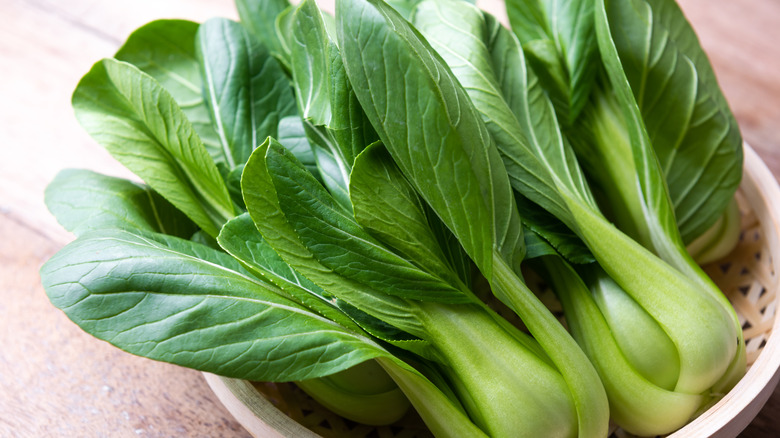
Bok choy, also known as Chinese cabbage or pak choi, is made up of crisp white stalks and tender green leaves. Like most leafy greens, it is high in water content—about 95%. This high moisture makes it healthy, but also means it spoils quickly at room temperature or when stored incorrectly.
Fresh bok choy usually lasts:
- At room temperature: Only 1-2 days before wilting or yellowing.
- In the fridge: About 3-7 days, depending on how it’s stored.
- With long-term storage methods: 1 week to 12 months, depending on the technique.
Why does it spoil? Bok choy loses water, and bacteria or mold can grow on the leaves and stalks. The goal of any storage method is to control moisture, temperature, and air exposure. Different methods suit different needs—some keep bok choy fresh for days, others for months.
Preparation: The First Step To Long-term Storage
Before using any storage method, proper preparation is essential. How you handle bok choy right after harvesting or buying can make a big difference.
- Inspect and Sort
- Choose bok choy that is firm, crisp, and free from dark spots, sliminess, or yellow leaves. Discard any parts that look damaged or decayed.
- If you store spoiled leaves with healthy ones, rot can spread faster.
- Washing (When and How)
- If you plan to eat bok choy soon, wash it under cool running water to remove dirt and grit.
- For long-term storage, it is often best to wash right before use, not before storing, to prevent excess moisture which can cause rot.
- If you need to wash before storage (e.g., for freezing or pickling), dry the leaves and stalks thoroughly using paper towels or a salad spinner.
- Cut or Keep Whole
- For most storage methods, keeping bok choy whole helps it last longer. Cutting increases surface area and speeds up spoilage.
- Cut only if your storage space is limited or if you plan to use bok choy in pre-portioned amounts.
- Blanching (for Freezing)
- Some long-term methods require blanching—boiling for a short time, then cooling in ice water—to lock in color, texture, and nutrients.
Non-obvious insight: Even a few drops of water on leaves can speed up spoilage in the fridge. Always dry bok choy as much as possible before storing.
Credit: www.foodie.com
Short-term Storage In The Refrigerator
For most homes, the refrigerator is the first line of defense against spoilage. Bok choy can last up to a week if stored well.
Method 1: In The Crisper Drawer
This is the most common way to store bok choy for a few days.
- Wrap bok choy loosely in a damp paper towel—not wet, just slightly moist.
- Place it inside a plastic bag or produce bag.
- Leave the bag open slightly to allow airflow, or poke a few holes.
- Store in the crisper drawer, which is designed for vegetables and keeps humidity at the right level.
Practical tip: Don’t keep bok choy near ethylene-producing fruits like apples or bananas. These fruits release a gas that speeds up wilting and spoilage.
Method 2: In A Container With Water
This method is useful if you want to keep bok choy crisp for salads or stir-fries.
- Place the base (root end) of bok choy in a jar or container with 1-2 inches of water.
- Cover the leaves loosely with a plastic bag.
- Store in the refrigerator, changing the water every two days.
This can keep bok choy crisp for 4-7 days, but check for slime or cloudiness in the water.
Method 3: Vacuum Sealing
If you have a vacuum sealer, you can store bok choy in special bags.
- Dry bok choy well, then place in a vacuum-seal bag.
- Seal according to your machine’s instructions.
- Store in the refrigerator.
Vacuum sealing removes most air, which slows down spoilage.
Non-obvious insight: Vacuum sealing is very effective, but if even a small piece is bruised or wet, it can rot and spoil the whole bag. Inspect carefully before sealing.
Freezing Bok Choy: For Months Of Freshness
If you want to keep bok choy for several months, freezing is the best option. Freezing stops bacteria and mold, but it changes the texture—bok choy will be softer after thawing. Frozen bok choy works well in soups, stews, and stir-fries, but is not ideal for salads.
How To Freeze Bok Choy
- Clean and Cut
- Rinse bok choy in cold water to remove dirt.
- Cut into halves, quarters, or bite-sized pieces if you like.
- Blanch
- Bring a large pot of water to a boil.
- Drop bok choy in boiling water:
- Small leaves: 1 minute
- Large stalks: 2 minutes
- Quickly transfer bok choy to a bowl of ice water to stop cooking.
- Dry Thoroughly
- Drain and pat dry with paper towels or use a salad spinner.
- Pack and Freeze
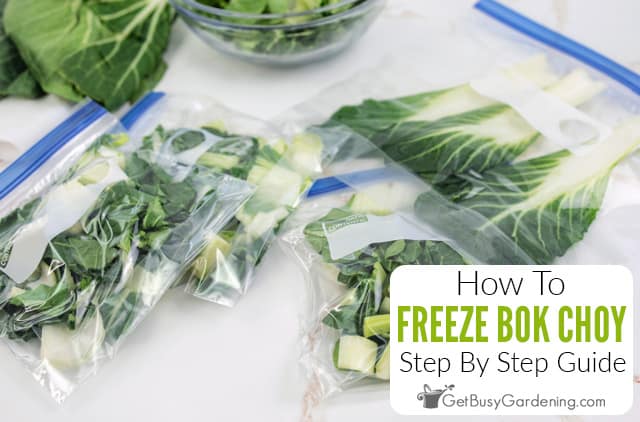
- Place bok choy in freezer bags or containers.
- Remove as much air as possible to prevent freezer burn.
- Label with the date.
- Storage Duration
- Bok choy can last 10-12 months in the freezer.
Freezing Raw Vs. Blanched
Some people freeze raw bok choy, but this can lead to mushy texture and color loss. Blanching keeps bok choy greener and better tasting.
Freezer Storage Table
Here’s a quick comparison of raw vs. blanched bok choy in the freezer:
| Method | Texture After Thawing | Color | Storage Time |
|---|---|---|---|
| Raw Frozen | Very soft, mushy | Pale, faded | Up to 6 months |
| Blanched Frozen | Softer, but holds shape | Bright green | 10-12 months |
Pickling Bok Choy: Preservation With Flavor
Pickling is a traditional way to preserve vegetables, including bok choy. This method uses vinegar (or sometimes salt) to create an acidic environment that stops bacteria. Pickled bok choy can last for months in the refrigerator and adds tangy flavor to dishes.
Simple Bok Choy Pickle Recipe
- Ingredients
- 1 pound bok choy
- 1 cup rice vinegar
- 1 cup water
- 2 tablespoons sugar
- 1 tablespoon salt
- Optional: Garlic, ginger, chili flakes
- Steps
- Wash and slice bok choy into bite-sized pieces.
- Pack into clean glass jars.
- In a saucepan, mix vinegar, water, sugar, salt, and optional spices. Bring to a boil.
- Pour hot brine over bok choy in jars, covering completely.
- Let cool, then seal with lids and refrigerate.
- Storage
- Pickled bok choy lasts 2-3 months in the refrigerator.
Fermentation: The Kimchi Method
Instead of vinegar, you can use salt and natural fermentation, as in kimchi. Fermented bok choy develops a sour, tangy flavor and can last 3-6 months in the fridge.
- Salt the chopped bok choy and let it sit to draw out water.
- Mix with garlic, ginger, and chili.
- Pack tightly into jars, pressing out air bubbles.
- Leave at room temperature for 1-3 days, then refrigerate.
Safety tip: Always use clean jars and tools. If you see mold, sliminess, or an off smell, discard the batch.
Dehydrating Bok Choy: Lightweight, Shelf-stable Greens
Dehydration removes most water, making bok choy light and compact. Dried bok choy can be kept in the pantry for 6-12 months and rehydrated for soups or stir-fries.
How To Dehydrate Bok Choy
- Preparation
- Wash and dry bok choy.
- Slice into thin strips or separate leaves and stalks.
- Dehydrator Method
- Arrange pieces in a single layer on dehydrator trays.
- Dry at 125°F (52°C) for 8-12 hours, until brittle.
- Oven Method
- Spread bok choy on baking sheets.
- Dry at the lowest oven setting (ideally 140°F/60°C) with the door slightly open, for 4-8 hours.
- Storage
- Store in airtight containers, away from light and moisture.
- Rehydrating
- Soak dried bok choy in hot water for 15-30 minutes before using.
Non-obvious insight: Stems take longer to dry than leaves. For even drying, separate and dry them in batches.
Dehydration Comparison Table
| Method | Drying Time | Texture | Best Use |
|---|---|---|---|
| Dehydrator | 8-12 hours | Crisp, brittle | Soups, powder |
| Oven | 4-8 hours | Fragile, uneven | Quick use |
Credit: getbusygardening.com
Storing Bok Choy In The Root Cellar Or Basement
If you have a root cellar or a cool, humid basement, you can store bok choy like other hardy greens. This method is old-fashioned but still used by gardeners.
- Wrap unwashed bok choy in newspaper or paper towels.
- Place in a wooden crate or cardboard box, not plastic.
- Store at 32-40°F (0-4°C) with 90-95% humidity.
In these conditions, bok choy may last 2-4 weeks. Check regularly for rot or mold.
Canning Bok Choy: Not Recommended
Many people ask about canning bok choy for long-term storage. Unfortunately, bok choy does not can well due to its texture and high water content. Pressure canning can make it mushy and unappetizing, and unsafe canning may risk botulism. If you want to can mixed vegetables, use bok choy only as a small part of tested recipes.
Best Practices And Common Mistakes
Best Practices
- Label everything: Always mark the storage date on bags or containers.
- Use clean tools: Wash hands, knives, and cutting boards before handling bok choy.
- Check regularly: Open containers or bags every week to remove any leaves that have turned slimy or yellow.
Common Mistakes To Avoid
- Storing wet leaves: Moisture promotes mold and rot.
- Overpacking bags: Crowding bok choy leads to bruising and faster spoilage.
- Ignoring temperature changes: Warm spots in your fridge or pantry can shorten storage life.
- Mixing old and new: Always use older bok choy first, and keep new batches separate.
How To Use Stored Bok Choy
The way you store bok choy affects how you use it later.
- Refrigerated bok choy works in salads, stir-fries, and soups.
- Frozen bok choy is best for cooked dishes; thaw directly in hot liquid.
- Pickled bok choy adds flavor to rice bowls, noodles, or sandwiches.
- Dried bok choy can be ground into powder for smoothies or sprinkled on dishes for extra nutrition.
When To Throw Away Bok Choy
No storage method lasts forever. Discard bok choy if you see:
- Slimy texture
- Strong sour or rotten smell
- Mold spots (black, white, or fuzzy)
- Unusual color changes
Eating spoiled bok choy can cause foodborne illness. When in doubt, throw it out.
Environmental Impact And Cost Savings
Storing bok choy long term reduces food waste and saves money. According to the USDA, about 30-40% of food in the US is wasted each year, much of it from spoilage at home. By learning to store vegetables like bok choy, you help the environment and your wallet. For more on food waste and storage, see this helpful resource from the EPA.
Credit: brooklynfarmgirl.com
Summary Table: Storage Methods At A Glance
| Method | Prep Needed | Storage Time | Best Use | Drawbacks |
|---|---|---|---|---|
| Refrigerator (crisper) | Minimal | 5-7 days | Fresh dishes | Short shelf life |
| Freezing (blanched) | Washing, blanching | 10-12 months | Soups, stir-fries | Texture changes |
| Pickling | Washing, slicing | 2-3 months | Salads, sides | Vinegar flavor |
| Dehydrating | Washing, slicing | 6-12 months | Soups, powder | Needs rehydration |
| Root cellar | Minimal | 2-4 weeks | Fresh use | Needs cool space |
Frequently Asked Questions
How Do I Know If Bok Choy Is Still Good After Storing?
Check for firm, crisp stalks and bright green leaves. If the bok choy feels slimy, smells bad, or has black or yellow spots, it is no longer safe to eat.
Can I Freeze Bok Choy Without Blanching?
You can, but blanching helps keep color, flavor, and nutrients. Bok choy frozen raw will become mushy and may turn brownish after thawing.
What Is The Best Way To Keep Bok Choy Crispy In The Fridge?
Wrap in a damp paper towel and place in a ventilated bag in the crisper drawer. Avoid sealing it tightly, and keep away from fruits like apples and tomatoes.
How Long Does Pickled Bok Choy Last?
When stored in the refrigerator in a clean, sealed jar, pickled bok choy can last 2-3 months. Always use clean utensils to remove pieces, and discard if you see mold.
Is It Safe To Can Bok Choy At Home?
Canning bok choy is not recommended because it can turn mushy and may not reach safe acidity levels. Use freezing, pickling, or drying methods for long-term storage instead.
Bok choy is a versatile, healthy green that can be enjoyed all year with the right storage methods. By following these steps, you can keep bok choy fresh and tasty, reduce waste, and always have a supply on hand for your favorite recipes.
Try different methods to see what works best for your kitchen and your meals.