
Puffball mushrooms are a fascinating and delicious wild food, loved by foragers and chefs alike. Their mild, nutty flavor makes them a unique addition to many dishes. But if you’ve ever come home with a basket full of puffballs, you might wonder: how do you store them to keep their freshness and flavor? Storing puffball mushrooms properly is not just about extending their shelf life—it’s about preserving their taste, texture, and safety for eating. Many beginners make mistakes that ruin this delicate mushroom quickly. This guide covers everything you need to know, from cleaning and short-term storage to long-term freezing, drying, and even pickling. Whether you want to enjoy your puffballs over a few days or savor them months later, you’ll find clear, practical advice here.
Understanding Puffball Mushrooms
Before storing, it’s important to know what makes puffball mushrooms unique. Puffballs are round, white fungi, often found in fields, lawns, and woods. Unlike many other mushrooms, puffballs have no gills, stems, or caps—just a solid, marshmallow-like interior when fresh. The most popular edible varieties include the Giant Puffball (*Calvatia gigantea*) and the smaller Common Puffball (*Lycoperdon perlatum*).
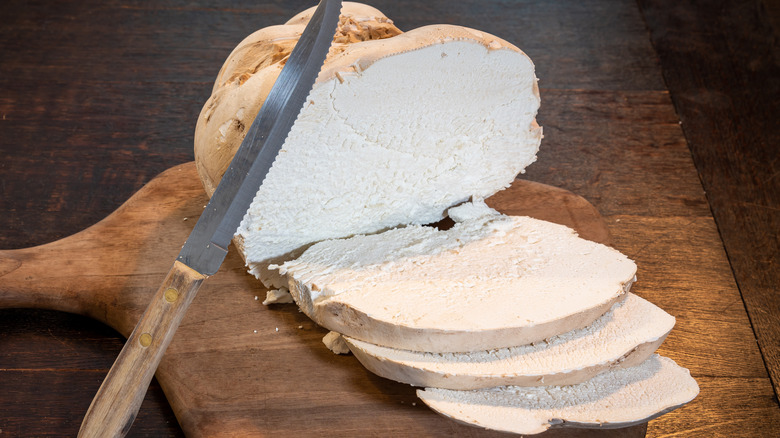
Fresh puffballs should be pure white inside. If you see any yellow, green, or brown areas, the mushroom is past its prime and should not be eaten. This is crucial for safety and storage; only perfect puffballs will store well.
Puffballs are often compared to other wild mushrooms, but their structure makes them especially sensitive. The inside is basically one piece, like a marshmallow, which means that spoilage can spread quickly. Even a small spot of mold or discoloration will affect the whole mushroom.
This is very different from gilled mushrooms like portobellos, where you can sometimes trim off a bad spot.
Some edible puffballs can grow very large—giant puffballs can reach the size of a football, while smaller varieties might be just a few centimeters across. No matter the size, the rules for identifying edible puffballs are the same: pure white inside, with no sign of a developing cap or stem (which means you accidentally picked a toxic lookalike). If you’re not sure, always consult a local expert. It’s better to skip a questionable mushroom than risk your health.
Extra tip: Puffballs are naturally high in water. This means they lose freshness quickly, but it also makes them excellent for absorbing flavors during cooking or pickling.
Preparing Puffball Mushrooms For Storage
Proper preparation is the first step. Storing dirty or damaged mushrooms leads to quick spoilage.
- Inspection: Cut the puffball in half from top to bottom. Check for pure white flesh. Discard any with discoloration, insect damage, or an unpleasant odor.
- Cleaning: Do not soak puffballs in water. They absorb moisture easily. Instead, use a soft brush or a dry cloth to wipe off dirt. For stubborn spots, use a slightly damp paper towel, then dry immediately.
- Trimming: Remove any tough outer skin, especially if it feels leathery. Some small varieties have a thicker skin that’s best peeled off.
Puffballs are often covered in debris from the forest floor. It’s tempting to wash them, but even a quick rinse can make them slimy and speed up spoilage. If you do need to use water, make sure to dry the mushroom right away, ideally with a clean towel and a few minutes of air drying.
Any leftover moisture will quickly lead to mold.
Foragers sometimes find insects living inside puffballs—tiny beetles or worms. This is another reason to always cut the mushroom in half before storing. If you see any small tunnels or holes, remove those areas or discard the mushroom.
When trimming, be gentle. The outer skin on some puffballs can be a little tough, especially as they mature. Peel it back carefully, as cutting too deep will waste some of the edible interior. For very small puffballs, the skin can sometimes be left on, but for best storage, it’s safer to remove it.
Non-obvious insight: Even tiny bruises or cuts can lead to early spoilage. Handle gently and avoid stacking puffballs on top of each other during cleaning.
If you’re harvesting a lot at once, lay out cleaned puffballs in a single layer on a towel before moving to the next step. This prevents bruising and allows for one last check for hidden dirt or insects.

Credit: www.businessinsider.com
Short-term Storage: Keeping Puffball Mushrooms Fresh
If you plan to use your puffball mushrooms within a few days, short-term storage is easy but requires care.
Storing In The Refrigerator
The fridge is the best place for short-term storage. Puffballs are high in moisture and can spoil quickly at room temperature.
- Paper bags are ideal. Place cleaned puffball slices or whole mushrooms inside, leaving the bag slightly open for airflow. This prevents condensation and mold.
- Avoid plastic bags or sealed containers. These trap moisture and encourage rot.
- Store on a fridge shelf, not in the crisper drawer (which is often too humid).
For best results, keep the bag in the main fridge compartment where air circulates better. The crisper drawer is designed for vegetables and often has higher humidity, which can speed up spoilage in mushrooms. If you notice the paper bag getting damp, replace it with a dry one.
This small step can make a big difference.
Shelf life: Fresh puffballs stored this way last up to 5 days. Check daily for any signs of softening, slime, or discoloration.
If you have a particularly large puffball, you can slice it into thick “steaks” before storing. These will fit better in your fridge and are easy to grab for quick meals.
Sliced Vs. Whole Storage
You can store puffballs either whole or sliced. Sliced puffballs are quicker to use but may dry out faster. Whole mushrooms hold moisture better but need cutting before use.
Tip: If you slice puffballs before storing, place a paper towel between layers to soak up excess moisture.
For smaller puffballs, storing whole is often easier and keeps them fresh a little longer. For giant puffballs, slicing is usually more practical. Try not to make the slices too thin, as they can become limp and lose texture quickly.
Extra insight: If you know you’ll use the mushrooms for frying or grilling, pre-cutting them into the right size saves time later and helps you spot any hidden bad spots you missed before.
Comparison: Paper Bag Vs. Plastic Bag
Here’s a quick look at how storage method affects freshness:
| Storage Method | Expected Shelf Life | Risk of Spoilage |
|---|---|---|
| Paper Bag | 3–5 days | Low (if checked daily) |
| Plastic Bag | 1–2 days | High (often molds quickly) |
| Sealed Container | 2–3 days | Medium (condensation risk) |
Plastic bags are tempting because they keep things neat, but for mushrooms, they’re a big mistake. Even a few hours in plastic can create enough condensation to spoil your mushrooms. If you must use a container, try leaving the lid slightly open and add a piece of paper towel to absorb moisture.
Pro tip: Check your stored mushrooms every day—just a quick look and sniff. If you see any soft spots or smell anything odd, use or discard them immediately.
Long-term Storage Methods
Sometimes you have more puffballs than you can eat in a week. Here’s how to store them for months.
Freezing Puffball Mushrooms
Freezing is one of the best ways to store puffballs for the long term. However, puffballs contain a lot of water, so freezing them raw often leads to mushy texture after thawing. The solution is to pre-cook them.
How To Freeze Puffball Mushrooms
- Slice into 1–2 cm pieces for even freezing.
- Sauté in a dry, nonstick pan for 3–5 minutes per side until most moisture evaporates. Do not add oil or butter.
- Let cool completely.
- Place cooled slices in a single layer on a baking tray. Freeze for 1–2 hours.
- Transfer frozen pieces to an airtight freezer bag. Remove as much air as possible.
- Label with date.
Shelf life: Up to 8 months.
Common mistake: Freezing raw puffballs often creates soggy, flavorless mushrooms. Always cook first.
Extra detail: If you like, you can season the slices lightly with salt or herbs before freezing. This can add flavor, but don’t overdo it—strong seasonings may become more intense after freezing.
Thawing And Using Frozen Puffballs
Take out only what you need. Thaw in the fridge or add directly to hot dishes. Do not refreeze thawed mushrooms.
Frozen puffballs work well in stir-fries, casseroles, soups, or as a base for vegetarian “steaks. ” Their flavor is a little milder after freezing, but their texture holds up well if you sautéed them first. If you plan to use them as a pizza topping, try thawing and patting dry first to avoid excess moisture.
Non-obvious insight: If you have a vacuum sealer, use it for freezing. Removing more air helps prevent freezer burn and keeps the mushrooms tasting fresher.
Drying Puffball Mushrooms
Drying is another excellent method, especially if you want mushrooms for soups or sauces later. Dried puffballs can last for over a year if kept properly.
How To Dry Puffballs
- Slice thinly (about 0.5 cm).
- Arrange slices on a dehydrator tray or a baking rack.
- Dry at 45–50°C (113–122°F) in a dehydrator or oven with the door ajar.
- Drying time: 6–12 hours depending on slice thickness and humidity.
- Slices are done when completely crisp and snap easily.
If you don’t have a dehydrator, use your oven on the lowest setting with the door slightly open. This lets moisture escape. Rotate the trays or pans halfway through drying for even results.
Storing dried puffballs: Place in an airtight container in a cool, dark place. Add a food-safe desiccant packet if available.
Rehydration: Soak dried slices in warm water for 30 minutes before use.
Dried puffballs can be used in many ways: added to soups, stews, or ground into a powder to boost flavor in sauces and gravies. If you grind them, store the powder in a small jar away from heat and light.
Air Drying Vs. Dehydrator
| Method | Speed | Flavor Retention | Risk of Mold |
|---|---|---|---|
| Dehydrator | Fast (6–12 hours) | High | Low |
| Air Drying | Slow (2–5 days) | Medium | Medium–High |
| Oven Drying | Moderate (6–12 hours) | High | Low |
Non-obvious insight: Drying works best with young, dense puffballs. Older mushrooms become tough or bitter when dried.
If you live in a humid area, air drying can be risky. Mold can develop before the slices are fully dry. Always check the weather and, if in doubt, use a dehydrator or oven.
Pickling Puffball Mushrooms
Pickling is less common, but it’s a tasty way to preserve small or uneven pieces.
Quick Pickled Puffball Recipe
- Ingredients:
- 500g puffball mushrooms, sliced
- 300ml white vinegar
- 200ml water
- 2 tsp salt
- 1 tbsp sugar
- 2 cloves garlic, sliced
- 1 tsp mustard seeds
- 1 bay leaf
- Instructions:
- Blanch puffball slices in boiling water for 2 minutes, then drain.
- Bring vinegar, water, salt, sugar, garlic, mustard seeds, and bay leaf to a boil.
- Add mushrooms. Simmer for 2 minutes.
- Pack mushrooms into sterilized jars. Cover with hot pickling liquid.
- Seal and cool. Store in the fridge.
Shelf life: 2–3 months refrigerated. Use clean utensils to remove mushrooms and avoid contamination.
Pickled puffballs are tangy and keep their texture well. They’re excellent as part of an appetizer plate or alongside grilled meats. If you want to add extra flavor, try adding chili flakes, peppercorns, or herbs like dill to the pickling liquid.
Tip: Pickled puffballs make great toppings for salads and sandwiches.
Extra detail: For a longer shelf life, use a proper canning method (water bath canning) and always use sterilized jars. This is more advanced but can extend the storage time outside the fridge.
Best Practices For Storing Puffball Mushrooms
Use Only Fresh Puffballs
Never try to store puffballs that are old, bruised, or starting to discolor. These deteriorate quickly and can spoil an entire batch.
It’s tempting to “save” mushrooms that are just starting to turn, but this usually leads to disappointment. Even a small bad spot will affect the flavor and safety of the whole jar or bag.
Label Everything
Always label containers or bags with the date and method (e.g., “Sautéed & Frozen, 2024-07-10”). This prevents confusion and helps you use older mushrooms first.
For dried or pickled mushrooms, also note the variety if you picked more than one type. Puffballs can look similar but taste slightly different.
Store In Small Portions
Divide mushrooms into small, meal-sized portions before storing. This avoids repeated thawing and refreezing, which ruins texture and flavor.
If you live alone or cook for one, freeze or dry in even smaller portions. This way, you never waste mushrooms by taking out too much at once.
Keep In The Dark
Light causes flavor and color loss in dried and pickled mushrooms. Store all preserved puffballs in a dark cupboard or pantry.
If you use clear jars, keep them in a box or wrap them with paper to block light.
Check Regularly
Inspect stored mushrooms every few weeks. If you see mold, off smells, or sliminess, discard immediately.
If you notice condensation inside a jar or bag, dry the contents or use them soon. Moisture is a sign the seal wasn’t perfect or the mushrooms weren’t dry enough.
Non-obvious insight: Even dried mushrooms can develop mold if exposed to humidity. If your storage area is damp, consider adding food-safe silica gel packets.
Extra tip: If you’re storing a large amount, keep a simple log of what you stored, how, and when. This makes it easier to track freshness.
How To Tell If Puffball Mushrooms Have Spoiled
Safety is critical. Never eat puffball mushrooms that show these signs:
- Yellow, green, or brown spots inside
- Slimy or sticky texture
- Sour or rotten smell
- Visible mold
If in doubt, throw it out. Puffballs spoil quickly if not stored well.
If you’re not sure, cut a slice and examine it closely. The interior should look like fresh mozzarella—pure white, with no color or wetness. If you see black specks or a powdery texture, it’s a sign the puffball is too mature or has started to spore, and should not be eaten.
Extra insight: Spoiled puffballs can sometimes smell like ammonia or rotten eggs. This is a clear sign to discard them, even if they look normal from the outside.
Credit: www.mashed.com
Creative Ways To Use Stored Puffball Mushrooms
Stored puffballs are more than just a backup for future meals—they can transform everyday cooking.
- Frozen puffball slices: Use in stir-fries, soups, or as a pizza topping.
- Dried puffballs: Grind into powder and sprinkle on pasta, risotto, or in sauces for umami flavor.
- Pickled puffballs: Add to cheese boards, sandwiches, or serve with roasted meats.
- Rehydrated slices: Pan-fry in butter with garlic for a simple side dish.
Try adding rehydrated puffballs to omelets or frittatas—they soak up flavors from eggs and herbs beautifully.
Tip: Puffballs absorb flavors well. Marinate thawed or rehydrated slices in olive oil, lemon, and herbs for 30 minutes before cooking.
Extra idea: Use dried puffball powder as a seasoning for popcorn or roasted vegetables. It adds a mild, nutty taste that’s different from common mushroom powders.
Common Mistakes When Storing Puffball Mushrooms
Many beginners lose their entire harvest to common errors. Avoid these pitfalls:
- Washing with water: Puffballs soak up water and rot fast. Always clean with a dry brush.
- Using plastic bags: Traps moisture and causes mold. Use paper bags for fridge storage.
- Freezing raw: Leads to mushy texture. Always cook before freezing.
- Storing with other produce: Ethylene gas from fruits like apples can speed spoilage.
- Ignoring color changes: Even slight yellowing means it’s time to discard.
- Storing in large blocks: Always slice before freezing or drying for better texture and faster use.
- Not checking regularly: Spoilage spreads quickly. Inspect often.
Non-obvious mistake: Many people forget to let sautéed mushrooms cool fully before freezing. Trapping steam inside the bag or container leads to freezer burn and a soggy final product.
Extra tip: When drying, don’t rush the process. If slices are even a little soft, they’ll mold in storage. Be patient—fully dried mushrooms are worth the wait.
Comparing Storage Methods: Which Is Best?
No single method is perfect for every need. Here’s a quick side-by-side look at the main storage options:
| Method | Best For | Shelf Life | Texture After Storage |
|---|---|---|---|
| Refrigeration (Paper Bag) | Immediate use (1–5 days) | 3–5 days | Fresh, slightly drier |
| Freezing (Cooked) | Long-term meals | 6–8 months | Soft, holds shape |
| Drying | Soups, sauces, powders | 12+ months | Crisp when dry, chewy when rehydrated |
| Pickling | Salads, snacks | 2–3 months (fridge) | Firm, tangy |
Advice: If you plan to use mushrooms for general cooking, freezing cooked slices is the most versatile. For long-term storage and concentrated flavor, drying is best.
Non-obvious insight: Drying can actually make the mushroom flavor stronger, while freezing keeps the flavor mild but gives a softer texture. Pickling adds a new flavor profile entirely, so it’s a great way to change things up if you have a big harvest.
Safety Tips For Storing And Eating Puffballs
- Only eat puffballs you are 100% sure are safe. Some toxic mushrooms look similar.
- Always cook puffballs before eating if stored for more than 24 hours.
- Never eat wild mushrooms raw unless you’re an expert.
- When trying a preserved mushroom for the first time, eat a small amount and wait 24 hours to check for any reaction.
If you ever feel unsure, consult a local mushroom club or expert. The risks of misidentification can be very serious, so err on the side of caution.
If you want to learn more about mushroom safety, refer to the Wikipedia page on puffballs.

Credit: www.youtube.com
Frequently Asked Questions
How Do I Know If A Puffball Mushroom Is Still Good To Eat?
A puffball is good if it is pure white inside, has no odor, and feels firm. Any yellow, green, or brown color means it’s spoiled and should be thrown away.
If you cut a large puffball and find that only the edges are white but the center is yellow or green, discard the whole mushroom. Do not try to cut around the bad part.
Can I Store Puffball Mushrooms At Room Temperature?
No, puffballs spoil quickly at room temperature. Always refrigerate, freeze, dry, or pickle them for safe storage.
Even a few hours in a warm kitchen can start the spoilage process. If you can’t process them right away, keep them cool and out of direct sunlight.
Do I Have To Cook Puffballs Before Freezing?
Yes. Cooking (like sautéing) before freezing keeps their texture and flavor. Freezing raw puffballs makes them mushy and less tasty after thawing.
Cooking also helps remove some moisture, which keeps ice crystals from forming inside the mushroom. This is important for both taste and food safety.
How Long Do Dried Puffball Mushrooms Last?
If kept in an airtight container in a cool, dark place, dried puffballs can last over a year. Check for mold before using.
Properly dried mushrooms should “snap” when broken. If they bend or feel soft, they are not dry enough for long-term storage.
Is It Safe To Eat Puffballs That Have Turned Yellow Inside?
No. Yellowing means the mushroom is past its prime and possibly unsafe. Only eat puffballs that are solid white inside.
Even small patches of yellow or green can mean the sporing process has started, which can cause stomach upset or worse.
Storing puffball mushrooms is simple but requires attention to detail. With the right methods, you can enjoy their unique flavor long after the harvest season ends. Whether you choose to refrigerate, freeze, dry, or pickle, careful preparation and regular checks will ensure you always have delicious, safe mushrooms on hand.