
Microwaves have changed the way we cook, making kitchen life much easier. One common function that many people find confusing is the defrost mode, especially on popular brands like Whirlpool. If you’ve ever taken meat from the freezer and wondered how to safely and quickly defrost it without ruining the texture or flavor, you’re not alone. Many users worry about uneven thawing, partially cooked edges, or even food safety risks. This article will guide you step-by-step on how to use the defrost function on a Whirlpool microwave. You’ll learn practical tips, discover common mistakes, and understand important safety steps. Whether you’re new to microwaves or want to get the best results from your Whirlpool appliance, you’ll find everything you need here. Let’s demystify the defrost button and make your cooking routine smoother and safer.
What Is The Defrost Function And Why Use It?
The defrost function on a microwave is specially designed to thaw frozen food quickly and safely. Unlike regular cooking, defrost mode uses lower power to gently break the ice crystals inside your food. This helps avoid cooking the edges while the center remains frozen.
Why Not Just Use Regular Microwave Power?
Using full power to thaw frozen food can cause parts to cook while other areas are still icy. This uneven heating can ruin texture and even risk bacteria growth if not done correctly. The defrost mode reduces the wattage, allowing the food to warm up slowly and evenly. For example, a Whirlpool microwave often uses 30% power during defrost, compared to 100% for reheating or cooking.
Food Safety Considerations
Defrosting with the microwave is much safer than leaving food on the counter. Bacteria multiply quickly at room temperature, especially on meat and poultry. Using your Whirlpool microwave’s defrost setting helps keep food out of the “danger zone” (between 40°F and 140°F or 4°C to 60°C), where germs grow fastest.
Understanding Your Whirlpool Microwave’s Defrost Modes
Whirlpool offers several microwave models, and each may have different defrost features. However, most Whirlpool microwaves share similar basic options. Knowing which one your appliance has is important for the best results.
Main Types Of Defrost Settings
- Auto Defrost: You enter the food type and weight, and the microwave sets the time and power automatically.
- Manual Defrost: You set the time and sometimes the power level yourself.
- Sensor Defrost: Advanced models use sensors to monitor humidity and adjust the process for you.
Where To Find Defrost On Your Control Panel
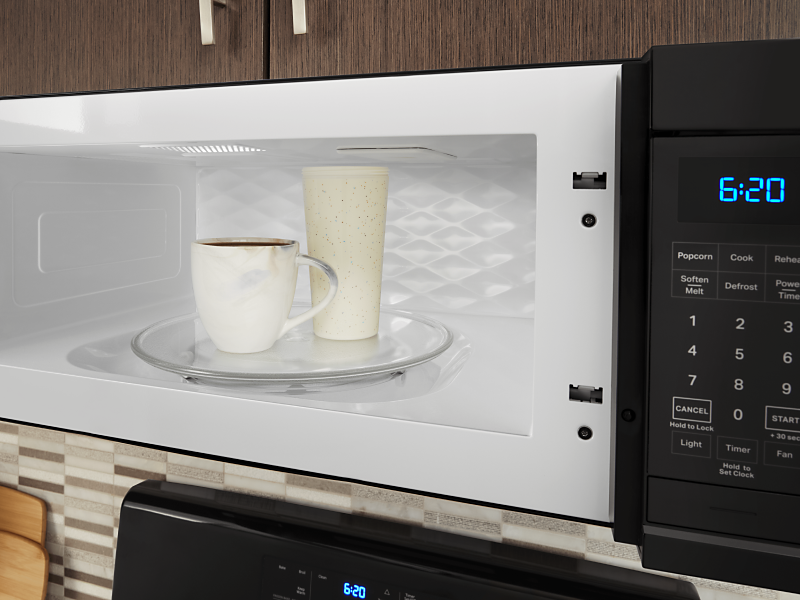
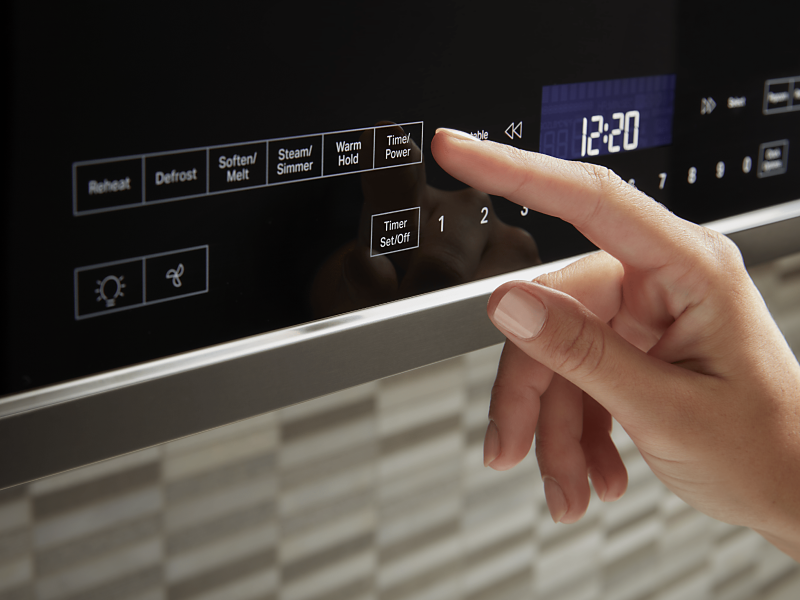
On most Whirlpool microwaves, the defrost button is clearly labeled. Sometimes, it’s called Auto Defrost, Weight Defrost, or simply Defrost. On touch screens, you may need to select “More Options” or “Menu” to find it.
Here’s a simple comparison of common Whirlpool defrost types:
| Defrost Mode | User Input Needed | Best For |
|---|---|---|
| Auto Defrost | Food type and weight | Meat, poultry, fish, bread |
| Manual Defrost | Time and power level | Custom items, small portions |
| Sensor Defrost | Minimal (sometimes just food type) | Mixed items, best accuracy |
Some Whirlpool models may have extra settings like Quick Defrost or Softening Butter. Always check your user manual for the exact options on your microwave.
Step-by-step Guide: How To Use Defrost On Microwave Whirlpool
Let’s walk through the process of using the defrost function on your Whirlpool microwave. These steps work for most modern models.
1. Prepare The Food
- Remove any metal packaging, foil, or clamps.
- Place the food on a microwave-safe plate or shallow dish.
- If possible, spread out the food in a single layer for even thawing.
- For large cuts of meat, separate pieces if you can.
2. Enter The Defrost Mode
- Press the Defrost button on your control panel.
- If your model has multiple defrost options (Auto, Manual, Sensor), select the one you want.
- For Auto Defrost, you may need to choose a food category (like meat, poultry, fish, or bread).
3. Enter Weight Or Time
- For Auto Defrost, use the number pad to enter the weight of your food. Most Whirlpool microwaves accept pounds and ounces or grams.
- For Manual Defrost, set the desired time and power level (usually 30%).
- If your model asks for food type, select from the list (e.g., “1” for beef, “2” for poultry, etc. ).
4. Start The Microwave
- Press Start.
- The display will show the countdown timer.
- Some models will beep and ask you to turn or rearrange the food halfway through. This helps ensure even thawing.
5. Check And Finish
- When the cycle ends, check the food. It should be soft but still cool, with no cooked spots.
- If still frozen, repeat the process in short increments (1-2 minutes each), turning the food as needed.
- Cook immediately after defrosting to avoid bacteria growth.
6. Clean Up
- Wipe the turntable and interior after defrosting raw meat to prevent cross-contamination.
- Wash your hands and utensils used during handling.
Tips For Best Results When Using Whirlpool Microwave Defrost
Defrosting may sound simple, but a few extra steps can make a big difference in the quality and safety of your food.
Arrange Food Properly
- Place foods in a single layer when possible.
- For ground meat or chicken pieces, break them apart as soon as they are soft enough.
Cover Or Vent Food
- Use a loose lid or microwave-safe plastic wrap with holes.
- This prevents drying but lets steam escape.
Rotate And Flip
- Turn large pieces over halfway through.
- Stir ground meat or mixed dishes for even results.
Use Recommended Weight Limits
- Most Whirlpool Auto Defrost works best for items between 0.5 to 6 lbs (225 g to 2.7 kg).
- Thicker or heavier items may need extra time or manual attention.
Stand Time
- After defrosting, let food rest for a few minutes.
- Heat continues to spread, finishing the thawing process.
Credit: www.whirlpool.com
Common Mistakes When Using Defrost On Whirlpool Microwaves
Even with advanced appliances, it’s easy to make mistakes. Here are some common errors and how to avoid them:
1. Forgetting To Remove Packaging
Metal, foil, and some plastics can cause fires or damage your microwave. Always use microwave-safe containers.
2. Not Entering The Correct Weight
Guessing the food weight leads to over- or under-defrosting. Use a kitchen scale if possible.
3. Skipping The Turn Or Stir Step
Ignoring prompts to turn food can result in partially cooked edges and frozen centers.
4. Leaving Food Unattended
Don’t walk away for long periods. Some foods thaw quickly and can start to cook if not checked.
5. Defrosting Too Much At Once
Overloading the microwave causes uneven results. Defrost in smaller batches for best quality.
6. Not Cooking Immediately After Defrosting
Bacteria can multiply quickly on thawed food. Always cook right after defrosting.
Foods That Can And Cannot Be Defrosted In A Microwave
Not all foods are suited for microwave defrosting. Here’s what works best:
Good Choices For Microwave Defrost
- Meat (beef, pork, lamb, poultry)
- Fish and seafood
- Bread and baked goods
- Ground meat (beef, turkey, chicken)
Foods To Avoid Defrosting In The Microwave
- Large roasts (uneven thawing, better in refrigerator)
- Eggs in shells (they can explode)
- Dairy products (texture changes, may separate)
- Whole frozen meals in metal trays
If unsure, check the packaging or manufacturer’s instructions.
How To Set Time And Weight For Different Foods
The right defrost time depends on food type, size, and your microwave’s power. Here are some general guidelines for Whirlpool microwaves (based on 1000W models):
| Food Type | Weight | Defrost Time | Instructions |
|---|---|---|---|
| Ground Beef | 1 lb / 450 g | 6-8 min | Turn halfway, break apart |
| Chicken Breast | 1 lb / 450 g | 8-10 min | Turn and separate pieces |
| Fish Fillets | 1 lb / 450 g | 4-6 min | Turn halfway, cover loosely |
| Bread Loaf | 1 lb / 450 g | 2-4 min | Check often to avoid drying |
Always adjust times for your microwave’s wattage and the food’s shape and thickness.
Practical Examples: Using Defrost On Whirlpool Microwave
To make things clearer, let’s look at real-life examples.
Example 1: Defrosting Chicken Breasts
- Remove chicken from packaging. Place on a microwave-safe plate.
- Press Defrost, select “poultry,” and enter 1 lb (450 g).
- Press Start. The microwave sets about 8 minutes.
- When beep sounds, turn breasts over and separate if possible.
- Continue until finished. Check that all ice crystals are gone but meat is still cool.
- Cook immediately.
Example 2: Thawing A Loaf Of Bread
- Remove bread from plastic bag (it can melt). Place on a plate.
- Press Defrost, choose “bread,” and enter the correct weight.
- Start the cycle. Check after 2 minutes to avoid over-drying.
- Remove when soft but not hot.
Example 3: Softening Ground Beef
- Place frozen ground beef in a dish.
- Select Defrost, enter the weight, and start.
- Halfway through, break apart chunks and stir.
- Continue until fully thawed.
- Wash hands and utensils used with raw meat.
Key Differences: Whirlpool Versus Other Brands
You might wonder if the defrost process is unique to Whirlpool. Here are some ways Whirlpool stands out compared to other brands:
| Feature | Whirlpool | Other Brands |
|---|---|---|
| Auto Defrost | Easy, weight-based | Similar, but menus may differ |
| Sensor Defrost | Advanced on newer models | Available on premium models only |
| User Interface | Simple keypad or touchscreen | Some have complex menus |
| Power Levels | Standard 30% for defrost | Some use higher or fixed power |
Whirlpool is known for user-friendly controls and clear labeling, which helps reduce confusion. Still, always read your own microwave’s manual for the best results.
Safety Tips When Using Microwave Defrost
Microwave defrosting is fast but requires attention to safety:
- Never thaw food in packaging not labeled microwave-safe.
- Stop the cycle to check and turn food as needed.
- Never refreeze food that has thawed in the microwave unless it’s cooked first.
- Clean up spills right away to prevent bacteria.
- For raw meats, always cook to the recommended internal temperature.
One insight beginners miss: Even if the food feels cool, bacteria can multiply on thawed surfaces. That’s why immediate cooking is crucial.
How To Clean And Maintain Your Whirlpool Microwave After Defrosting
Keeping your microwave clean after defrosting is important for health and the appliance’s lifespan.
Wipe Down Immediately
- Use a damp cloth and mild soap to clean the turntable and inside walls.
- Remove and wash the plate if juices spill.
Avoid Strong Chemicals
- Do not use bleach or abrasive cleaners inside.
- For odors, heat a bowl of water with a few lemon slices for 2-3 minutes, then wipe down.
Regularly Check For Food Debris
- Small bits of meat or bread can attract pests and cause smells.
- Clean weekly or after defrosting raw foods.
Troubleshooting: When Defrost Doesn’t Work As Expected
Sometimes, things don’t go as planned. Here’s what you can do:
Food Still Frozen In The Middle
- Run another short defrost cycle (1-2 minutes).
- Flip or rearrange the food.
- For thick cuts, let rest for 5 minutes after the cycle.
Food Started Cooking
- Reduce the entered weight or lower the power next time.
- Separate pieces as soon as edges are soft.
Microwave Smells After Defrosting Meat
- Clean the interior with a vinegar-water solution.
- Leave the door open after cleaning to air out.
If your microwave has a persistent problem, check the user manual or contact Whirlpool support.
Credit: www.whirlpool.com
Expert Tips For Using Whirlpool Microwave Defrost
- Weigh your food before starting for the most accurate results.
- Don’t overcrowd the plate—defrost in batches if needed.
- For bakery items, wrap loosely in a paper towel to retain moisture.
- For mixed dishes (like frozen casseroles), use sensor defrost if available.
- If defrosting delicate foods, start with less time and check often.
A non-obvious tip: If you’re defrosting bread for toast, take it out slightly under-thawed. The toaster will finish the job without drying the bread out.
Whirlpool Microwave Defrost: Myths And Facts
There are many myths about microwave defrosting. Let’s clear up the most common ones.
Myth: Microwave Defrost Makes Food Unsafe
Fact: If used correctly and followed by immediate cooking, microwave defrost is safe and recommended by food safety experts.
Myth: All Microwaves Defrost The Same Way
Fact: Power levels, sensors, and menus vary by brand and model. Whirlpool’s auto and sensor settings are among the most user-friendly.
Myth: You Can Defrost Any Food In The Microwave
Fact: Some foods (like whole eggs, large roasts, or dairy) don’t defrost well. Always check your manual.
If you want further reading, the official Whirlpool guide explains more about defrosting techniques and appliance care.

Credit: www.youtube.com
Frequently Asked Questions
How Do I Know Which Defrost Setting To Use On My Whirlpool Microwave?
Check your control panel for options like Auto Defrost, Manual Defrost, or Sensor Defrost. For most foods, Auto Defrost works well. Enter the type and weight, and the microwave does the rest. For custom items or small portions, Manual Defrost lets you set the time and power level.
Can I Defrost Food In Its Original Packaging?
No. Remove all packaging, especially metal or foil, before defrosting. Even some plastic wraps are not microwave-safe. Use a microwave-safe plate or dish to prevent sparks or chemical leaching.
Why Did My Food Start To Cook During Defrost?
This can happen if you enter the wrong weight, use the wrong setting, or leave the food for too long. Defrost uses lower power, but over-thawing can still cook the edges. Always check and turn the food when prompted.
Is It Safe To Refreeze Food That Has Been Defrosted In The Microwave?
No, unless you have cooked the food first. Thawing in the microwave can warm some parts into the “danger zone” where bacteria multiply. Cook the food before freezing again.
What Should I Do If My Whirlpool Microwave’s Defrost Function Is Not Working?
First, check that you’re using the correct settings and entering the right weight. If the microwave isn’t heating at all, there may be a technical problem. Refer to your user manual or contact Whirlpool customer service for help.
Using the defrost function on your Whirlpool microwave can save time and keep your meals safe and tasty. With these guidelines, you’ll get even results and avoid common mistakes. Remember, good preparation and attention during the process are just as important as the right settings. Happy cooking!