
The Instant Pot is famous for its speed and convenience, but many people are surprised to learn it’s also a capable slow cooker. If you enjoy hands-off cooking or love recipes like stews, chili, or pulled pork, learning how to use the Instant Pot as a slow cooker can change your kitchen routine.
Yet, this feature works differently from traditional slow cookers, and beginners often make mistakes that lead to undercooked meals or frustration.
This guide will show you exactly how to use your Instant Pot as a slow cooker—from the correct settings and timings, to common pitfalls and pro tips. Whether you’re new to multi-cookers or just want to get more from your appliance, you’ll find everything you need to use the Instant Pot slow cooker function with confidence.
How The Instant Pot Slow Cooker Function Works
The Instant Pot slow cook mode is designed to mimic a traditional slow cooker, but there are important differences. Unlike the pressure cooker setting, slow cook mode cooks food gently over several hours without building pressure inside the pot. The heat comes from the bottom heating element, and the temperature is controlled electronically.
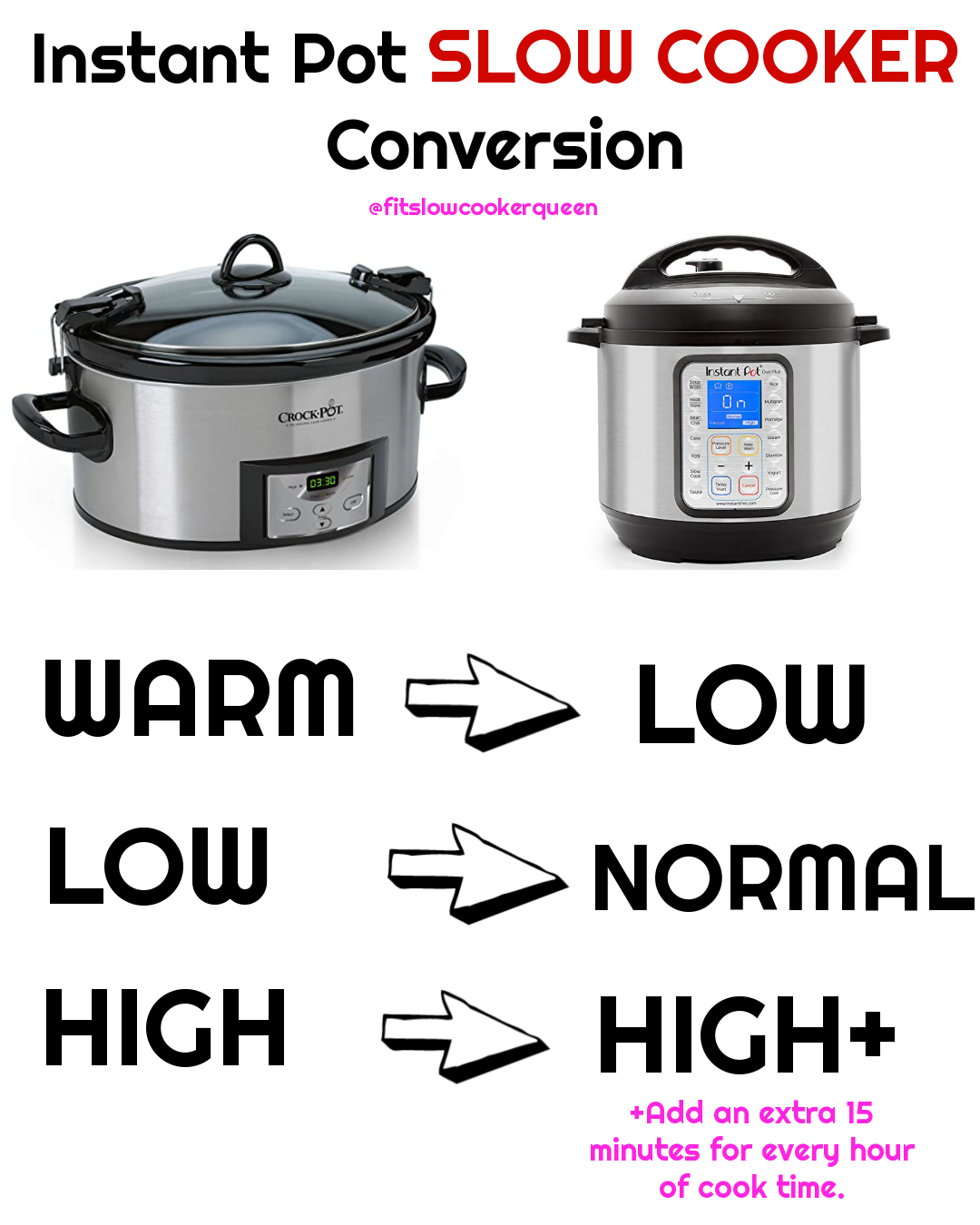
Instant Pot models offer three slow cook temperature levels:
- Less: Similar to the “Keep Warm” or very low setting on a standard slow cooker.
- Normal: Equivalent to the “Low” setting on most slow cookers.
- More: Closest to the “High” setting on a classic slow cooker.
Unlike a classic slow cooker, the Instant Pot’s heating element is only at the bottom, not surrounding the sides. This means food may cook a bit slower or less evenly if you use the same timing as a traditional slow cooker.
It’s important to adjust recipes or use recommended Instant Pot timings.
Non-obvious insight: The Instant Pot’s slow cook mode doesn’t always get as hot as a standalone slow cooker, especially on “Normal.” Many users find they need to set it to “More” for best results.
Setting Up Your Instant Pot For Slow Cooking
To get started, you need to gather your ingredients, choose the right pot lid, and know how to start the slow cook program.
Choosing The Right Lid
The Instant Pot pressure lid works for slow cooking, but it’s not ideal. It can create a tighter seal, which may cause excess moisture or uneven cooking. For best results, use a glass lid or a vented silicone lid designed for the Instant Pot. These let steam escape, similar to a classic slow cooker lid.
If you only have the pressure lid, always turn the steam release handle to “Venting” so steam can escape during cooking.
Preparing Ingredients
Cut ingredients into even pieces to ensure they cook at the same rate. For tough cuts of meat, such as brisket or pork shoulder, keep them in larger chunks to avoid overcooking.
Layer ingredients as you would in a slow cooker: place root vegetables like potatoes or carrots at the bottom, followed by meat, then softer vegetables on top. This layering prevents delicate foods from turning mushy.
Non-obvious insight: Browning meat or sautéing onions in the Instant Pot (using “Sauté” mode first) adds deeper flavor. Most slow cookers don’t offer this, but the Instant Pot does.
Credit: muniandahuaylas.gob.pe
How To Use The Slow Cook Function
Here’s a practical, step-by-step guide to using your Instant Pot as a slow cooker.
- Plug in your Instant Pot. Place the inner pot inside the cooker base.
- Add your prepared ingredients. Layer as described above.
- Select the correct lid. Glass or vented is best; set the steam release to “Venting” if using the pressure lid.
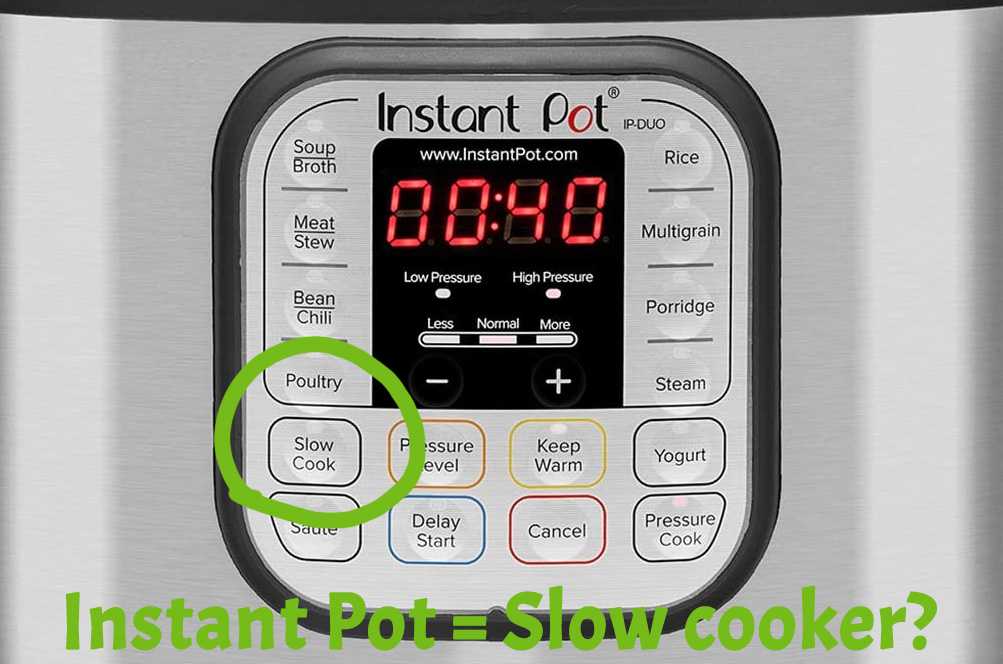
- Press the “Slow Cook” button.
- Adjust the temperature: Use the “Adjust” or “+/-” buttons to cycle between Less, Normal, and More.
- Set the cooking time. Most recipes will need at least 4 hours (on “More”) or 6–8 hours (on “Normal”).
- Start the program. The display will count down the time, then switch to “Keep Warm” when finished.
If your Instant Pot model does not have a “Slow Cook” button, check your manual—some models combine this with a “Manual” or “Multigrain” button.
Comparing Instant Pot Slow Cooker Vs. Traditional Slow Cooker
Many people wonder if using the Instant Pot slow cooker mode is truly the same as a stand-alone slow cooker. Let’s look at the differences.
| Feature | Instant Pot (Slow Cook) | Traditional Slow Cooker |
|---|---|---|
| Heat Source | Bottom only | All sides |
| Temperature Range | Lower (Less, Normal, More settings) | Higher (Low, High, Warm) |
| Lid Type | Pressure or glass lid | Vented glass lid |
| Cooking Time (for same recipe) | Usually longer | As stated in recipe |
| Extra Features | Sauté, yogurt, pressure cook | Rarely has extra features |
Key takeaway: The Instant Pot can slow cook most recipes, but may need longer times or higher settings. Always check for doneness before serving.
Credit: everestkitchennc.com
Adjusting Recipes For Instant Pot Slow Cooking
If you want to convert your favorite slow cooker recipe to use in an Instant Pot, there are a few steps to follow.
Timing Adjustments
Because the Instant Pot heats differently, you often need to use the “More” setting and add 30–60 minutes to the cook time. For example, if a slow cooker recipe says 8 hours on “Low,” try 8–9 hours on “Normal” or 6–7 hours on “More.
”
Liquid Requirements
The Instant Pot does not evaporate as much moisture as a classic slow cooker, especially when using the pressure lid. You may need to reduce the liquid in your recipe by 10–20% to avoid watery results.
Layering And Stirring
Put dense items like potatoes on the bottom and delicate greens or peas on top. Stir only if the recipe calls for it, or halfway through if you notice uneven cooking.
Example: For a beef stew recipe that calls for 6 hours on “Low” in a slow cooker, use “Normal” for 7 hours in the Instant Pot. Check for tenderness 30 minutes before the end.
Best Foods To Make With The Instant Pot Slow Cooker
Not every meal works perfectly in slow cooker mode, but some dishes are especially well-suited.
- Chili: Beans, tomatoes, and spices blend slowly for rich flavor.
- Stews and soups: Tough meats and root vegetables become tender.
- Pulled pork or chicken: Slow heat breaks down connective tissue for shreddable results.
- Curries: Spices and coconut milk meld together beautifully.
- Oatmeal: Steel-cut oats cook overnight for breakfast.
- Pot roast: Beef and vegetables cook evenly and stay moist.
- Baked beans: Beans soak up sauce slowly and soften perfectly.
- Casseroles: Layers of pasta or potatoes cook through gently.
- Applesauce or fruit butter: Fruits break down and sweeten over hours.
Common Mistakes And How To Avoid Them
Many people get disappointing results the first time they use the Instant Pot’s slow cooker setting. Here’s what to watch out for.
Mistake 1: Not Using The Right Lid
If you use the pressure lid without venting, steam can build up and dilute flavors or make food mushy. Always use a glass or vented lid.
Mistake 2: Choosing The Wrong Temperature
On many Instant Pot models, “Normal” is much cooler than a slow cooker’s “Low. ” If food isn’t cooking through, use the “More” setting.
Mistake 3: Overfilling The Pot
The Instant Pot needs space for heat to circulate. Don’t fill the pot more than 2/3 full.
Mistake 4: Not Checking For Doneness
Because the heating is different, always check meat with a thermometer or fork to ensure it’s cooked before serving.
Mistake 5: Ignoring The Keep Warm Setting
After cooking, the Instant Pot switches to “Keep Warm. ” This can overcook delicate foods if left too long. Remove food soon after the timer ends.
Pro tip: If you’re new to slow cooking in the Instant Pot, start with simple recipes like chili or soup. These are more forgiving and help you learn the settings.
How To Clean And Store The Instant Pot After Slow Cooking
Proper cleaning keeps your Instant Pot working well and prevents flavors from lingering.
- Remove the inner pot and wash with hot, soapy water.
- Clean the lid (glass or pressure) and check the sealing ring for odors. The silicone ring can be removed and washed separately.
- Wipe the cooker base with a damp cloth; never immerse it in water.
- Store the Instant Pot with the lid upside down to allow air flow and prevent odors.
If you notice strong smells from the sealing ring, soak it in a solution of vinegar and water or place it in the top rack of your dishwasher.
Advanced Tips For Better Slow Cooking Results
For cooks who want to master the Instant Pot’s slow cooker mode, these strategies can make a big difference.
Use An Oven Thermometer
If you want to be precise, place an oven thermometer inside the pot during slow cooking. “More” should reach around 200°F (93°C), similar to “High” on a slow cooker. If your model runs cool, add extra time.
Preheat The Pot
Start by using “Sauté” mode for a few minutes, then switch to “Slow Cook. ” This gives a head start and helps food reach a safe temperature faster.
Stirring For Even Cooking
If your recipe allows, stir once halfway through for more even results. This is especially helpful with thick mixtures like casseroles.
Using The Delay Start
Some Instant Pot models let you program a delay. This can be useful for overnight oatmeal or dinner ready after work. But be cautious with meat and dairy—don’t let raw foods sit at room temperature for long.
Batch Cooking
The Instant Pot’s size makes it easy to cook large batches. Freeze leftovers in portions for easy meals later.
Recipes To Try With Instant Pot Slow Cooker Mode
To help you get started, here are three beginner-friendly recipes you can try. Each one is tailored for the Instant Pot’s slow cook function.
1. Hearty Beef Stew
Ingredients:
- 2 lbs beef chuck, cut in 2-inch cubes
- 3 carrots, sliced
- 3 potatoes, cubed
- 1 onion, chopped
- 2 cloves garlic, minced
- 3 cups beef broth
- 1 tbsp tomato paste
- 1 tsp dried thyme
- 1 bay leaf
- Salt and pepper
Instructions:
- Use “Sauté” mode to brown beef in batches, then set aside.
- Sauté onions and garlic for 3 minutes.
- Add beef, carrots, potatoes, tomato paste, broth, and herbs.
- Cover with glass lid, set to “More,” and slow cook for 7 hours.
- Check for tenderness before serving.
2. Classic Chicken Curry
Ingredients:
- 1.5 lbs chicken thighs, cut in chunks
- 1 onion, diced
- 2 cups coconut milk
- 2 tbsp curry powder
- 2 potatoes, diced
- 1 bell pepper, sliced
- 2 tsp grated ginger
- 1 tsp salt
Instructions:
- Layer onion, ginger, and potatoes on the bottom.
- Add chicken, sprinkle curry powder and salt.
- Pour in coconut milk, top with bell pepper.
- Slow cook on “Normal” for 6 hours with a glass lid.
3. Overnight Steel-cut Oatmeal
Ingredients:
- 1 cup steel-cut oats
- 3.5 cups water or milk
- 1/4 tsp salt
- 1/2 tsp cinnamon
Instructions:
- Add all ingredients to the inner pot.
- Stir and cover with a glass lid.
- Set to “Less” and slow cook for 7–8 hours overnight.
Serving size: Each recipe serves 4–6 people.

Credit: www.youtube.com
Instant Pot Slow Cooker Mode: Model Differences
Not all Instant Pot models have the same slow cook settings. Here’s a quick overview of differences between popular models.
| Model | Slow Cook Levels | Max Time | Other Features |
|---|---|---|---|
| Duo | Less, Normal, More | 20 hours | Manual, Pressure, Sauté |
| Ultra | Custom temp (in °F/°C) | 99 hours | Altitude adjust, Custom programs |
| Lux | Less, Normal, More | 20 hours | No yogurt setting |
| Viva | Less, Normal, More | 24 hours | Egg, Cake settings |
Always check your model’s manual for specific instructions. Some models offer more flexibility, while older ones may have limited slow cook options.
Safety Tips For Using Instant Pot As Slow Cooker
Even though slow cooking is safe, these guidelines will help you avoid problems.
- Never put the Instant Pot base in water.
- Always keep the steam release on “Venting” if using the pressure lid.
- Do not leave the Instant Pot unattended for long periods if pets or children are nearby.
- Check the power cord and plug for damage before use.
- If a power outage happens, check food temperature (should be over 140°F/60°C) before eating.
Tip: If you are unsure if your food is safe after a long outage, it’s better to discard it.
When Not To Use The Instant Pot For Slow Cooking
While the Instant Pot is versatile, there are times when a classic slow cooker is still a better choice.
- When you need to cook a very large roast or whole chicken (over 6 lbs), a traditional slow cooker may fit better.
- Baking-style recipes, like cakes or bread, may not brown or set as well in the Instant Pot’s slow cook mode.
- If you want to leave food cooking all day while not at home, remember the Instant Pot’s power cord is shorter and more sensitive to power interruption.
For most soups, stews, and classic slow cooker recipes, the Instant Pot works well if you follow the tips above.
Troubleshooting: Why Isn’t My Food Cooking?
Sometimes, food comes out undercooked or overcooked. Here’s how to fix common problems:
- Food is undercooked: Use “More” setting, increase time, cut ingredients smaller, or preheat the pot.
- Food is mushy: Use “Less” or “Normal,” reduce liquid, don’t overcook delicate vegetables.
- Food is watery: Reduce starting liquid, use a vented lid, or remove lid for last 30 minutes to thicken.
- Food tastes bland: Sauté aromatics and meats before slow cooking, season well, add fresh herbs at the end.
Instant Pot Slow Cooker Accessories
A few accessories can make slow cooking with your Instant Pot easier and more enjoyable.
- Glass lid: Lets you monitor food and releases steam.
- Silicone sealing rings: Extra rings prevent flavor transfer between dishes.
- Steamer basket: Useful for keeping delicate items above the liquid.
- Thermometer: Helps check doneness of meat.
- Storage containers: For batch-cooked meals.
Most accessories are available from the Instant Pot store or kitchen retailers.
Extra Resources For Learning
If you want to explore more about multi-cookers, recipes, and kitchen safety, visit the official Instant Pot website for manuals, tips, and community advice.
Frequently Asked Questions
Can I Use The Instant Pot Without Any Liquid When Slow Cooking?
No, you should always use some liquid when slow cooking in the Instant Pot. Liquids help transfer heat and prevent burning. Even recipes like casseroles or lasagna should have at least 1/2 to 1 cup of broth, sauce, or water.
What Lid Should I Use For Slow Cooking In The Instant Pot?
A glass or vented silicone lid is best, but you can use the pressure lid as long as you set the steam release to “Venting. ” This prevents pressure buildup and lets moisture escape, just like a traditional slow cooker.
Why Does My Food Take Longer To Cook In The Instant Pot Slow Cooker Mode?
The Instant Pot’s heating element is only at the bottom, and its “Normal” setting is cooler than most slow cookers. For best results, use the “More” setting and allow extra cooking time, especially for tougher cuts of meat.
Can I Leave My Instant Pot Slow Cooking Overnight?
Yes, the Instant Pot is designed for safe overnight cooking. Always make sure your power source is reliable and the cooker is on a stable, heatproof surface. Avoid leaving highly perishable foods unrefrigerated before cooking starts.
Is The Instant Pot Slow Cooker Function As Good As A Stand-alone Slow Cooker?
The Instant Pot can slow cook many recipes well, but it may require more attention to settings, timing, and liquid levels. For some dishes, especially those needing very even heat, a classic slow cooker may still perform slightly better.
With these tips, you’ll be able to use your Instant Pot slow cooker function to make delicious, hands-off meals—saving time and adding variety to your kitchen routine. Enjoy experimenting and don’t be afraid to adjust recipes to suit your tastes and your model’s quirks!