
Using an electric roaster oven can transform your cooking experience, especially when you want to prepare large meals easily. Many people buy a roaster oven for holidays like Thanksgiving, but it can do much more than cook turkey. If you are new to this kitchen appliance, you might feel unsure about how to use it, how to get the best results, and how to clean it after cooking.
This guide will show you everything you need to know about electric roaster ovens, from setup to advanced cooking tips. With simple instructions and practical advice, you’ll feel confident using your roaster oven for delicious and stress-free meals.
What Is An Electric Roaster Oven?
An electric roaster oven is a countertop appliance designed to cook, roast, bake, and sometimes steam food. It works much like a traditional oven but is smaller, portable, and often more energy-efficient. Most models have a lid, a removable cooking pan, a rack for holding food, and a dial to set the temperature.
Unlike a slow cooker, a roaster oven can cook at higher temperatures and is perfect for roasting meats, baking casseroles, or even making bread. The main advantages are its large capacity, even heating, and the ability to keep food warm for serving. Many families use a roaster oven during holidays, but it’s useful year-round.
Setting Up Your Electric Roaster Oven
Before using your electric roaster oven, it’s important to set it up correctly. This ensures food safety and the best cooking results.
- Unpack and Clean: Remove all packaging materials. Wash the removable pan, rack, and lid with warm, soapy water. Dry thoroughly.
- Choose a Safe Surface: Place the oven on a flat, stable surface with enough space around it for ventilation. Keep it away from flammable materials, such as curtains or dish towels.
- Assemble the Oven: Insert the removable pan into the main body. Place the rack inside if your recipe calls for it.
- Plug It In: Always use a dedicated outlet. Roaster ovens use a lot of power, so avoid extension cords when possible.
- Preheat: For most recipes, preheating is essential. Set the temperature as your recipe suggests, cover with the lid, and allow 15–20 minutes for preheating.
Pro tip: New ovens may produce a slight smell during the first use. This is normal and disappears after a short time.
Understanding The Controls And Accessories
Every electric roaster oven comes with basic controls, but some models have extra features.
- Temperature Dial: Usually ranges from 150°F (65°C) to 450°F (230°C). Always check the manual for temperature accuracy.
- Indicator Light: Shows when the oven is heating.
- Removable Pan: Makes cleaning easy and helps in serving.
- Rack: Keeps food elevated above juices, preventing sogginess.
- Lid: Holds in moisture and heat for even cooking.
Some models include buffet servers or steam pans for more cooking options.
Typical Roaster Oven Features Comparison
Here’s a quick look at how common roaster oven features compare:
| Feature | Basic Model | Advanced Model |
|---|---|---|
| Temperature Range | 150–450°F | 150–450°F with preset modes |
| Capacity | 18 quarts | 22 quarts |
| Buffet Server | No | Yes |
| Timer | No | Yes |
| Non-stick Pan | No | Yes |
Insight: Many beginners don’t realize the rack is crucial for roasting—it prevents burning and helps with even heat.
Choosing The Right Size And Model
Electric roaster ovens come in different sizes, usually from 14 to 22 quarts. The best size depends on how much food you plan to cook.
- 14–16 quarts: Good for small families or side dishes.
- 18 quarts: Standard size, fits most turkeys up to 22 pounds.
- 22 quarts: Best for large groups, big turkeys, or batch cooking.
Size Comparison For Common Foods
| Capacity | Fits (approx.) |
|---|---|
| 14 quarts | Up to 16 lb turkey |
| 18 quarts | Up to 22 lb turkey |
| 22 quarts | Up to 28 lb turkey |
Mistake to avoid: Overfilling the oven leads to uneven cooking.
Roaster Oven Vs. Conventional Oven
Some people wonder if a roaster oven can replace their traditional oven. Here’s how they compare:
- Energy use: Roaster ovens use about 30% less energy than conventional ovens.
- Cooking time: Roaster ovens often cook food faster due to compact size and steam retention.
- Capacity: A large roaster oven fits a big turkey or multiple dishes, freeing up your main oven.
- Moisture: Roaster ovens keep food moist because the lid traps steam.
But, a roaster oven won’t brown food as much as a regular oven. For crispier skin, you might need to broil briefly after roasting.
What Can You Cook In An Electric Roaster Oven?
An electric roaster oven is very flexible. You can use it for:
- Roasting: Turkey, chicken, beef, pork, lamb.
- Baking: Bread, cakes, muffins, casseroles.
- Steaming: Vegetables, dumplings, seafood.
- Slow cooking: Soups, stews, chili.
- Warming and serving: Keep food hot for parties and buffets.
Many people are surprised to learn you can bake in a roaster oven—just use the right pan that fits inside.
Step-by-step Guide: How To Use An Electric Roaster Oven
Let’s walk through the whole process, from prep to serving.
1. Preheat The Oven
Set the temperature as directed by your recipe. Cover with the lid and let it heat for about 20 minutes. Preheating is important for even cooking and better results.
2. Prepare Your Food
Season and arrange your food. If roasting meat, add oil, herbs, and spices. For baking, pour the batter into a suitable baking dish.
3. Add Water (if Needed)
Some recipes suggest adding a small amount of water to the bottom pan. This helps create steam, which keeps food moist. Do not overfill—usually 1–2 cups is enough.
4. Use The Rack
Place the rack in the oven. This lifts the food above the pan so heat can circulate. For roasting, always use the rack. For baking, set the baking dish directly on the pan.
5. Insert The Food
Carefully place your food on the rack or in the pan. Always use oven mitts to avoid burns.
6. Cover With Lid
Keep the lid on during cooking to hold in moisture and heat. Only remove it to check for doneness near the end of the cooking time.
7. Set The Timer
If your roaster oven has a timer, use it. Otherwise, use your phone or a kitchen timer. Follow recipe times but check a bit earlier—roaster ovens can cook faster.
8. Check For Doneness
Use a meat thermometer for roasts to ensure safe temperatures:
- Poultry: 165°F (74°C) in the thickest part
- Beef, pork, lamb: 145–160°F (63–71°C) depending on preference
For baking, insert a toothpick to check if cakes and bread are done.
9. Let Food Rest
When finished, take the food out and let it rest for 10–15 minutes. This helps juices redistribute for better flavor.
10. Serve
Remove the rack with handles or tongs. Transfer food to a platter. If using the roaster for serving, keep the temperature at “warm” (about 150°F/65°C).
Insight: Beginners often forget to preheat, leading to uneven or undercooked food.
Cooking Tips For Best Results
To get the most out of your roaster oven, try these practical tips:
- Don’t open the lid often: Every time you open, heat escapes and cooking slows down.
- Use the right temperature: Higher isn’t always better. For moist roasts, cook at 325°F (163°C).
- Tent with foil for browning: If you want more browning, remove the lid for the last 20–30 minutes and loosely cover with foil.
- Don’t overcrowd: Food needs space for heat to move around. Crowding leads to uneven cooking.
- Use a thermometer: Don’t guess—always check with a thermometer for safety.
- Experiment: Try baking bread or casseroles. The oven’s even heat works well for many dishes.
Cleaning And Caring For Your Roaster Oven
Proper care will keep your roaster oven working for years.
Cleaning Steps
- Unplug and cool: Always unplug and let the oven cool before cleaning.
- Remove parts: Take out the pan, rack, and lid.
- Wash removable parts: Clean with hot, soapy water. Most are not dishwasher safe—check your manual.
- Wipe the base: Use a damp cloth for the outside and inside of the main unit. Never immerse the base in water.
- Dry fully: Make sure all parts are dry before reassembling or storing.
Maintenance Tips
- Check the cord regularly for damage.
- Store with the lid slightly open to prevent odors.
- Use non-abrasive cleaners to avoid scratches.
Common mistake: Some people soak the base in water. This can damage the electrical parts.
Safety Tips When Using An Electric Roaster Oven
Stay safe while cooking:
- Keep the oven on a stable, heat-safe surface.
- Don’t block vents or cover the oven with towels.
- Use oven mitts when handling hot parts.
- Unplug after use and before cleaning.
- Keep children and pets away from the oven while in use.
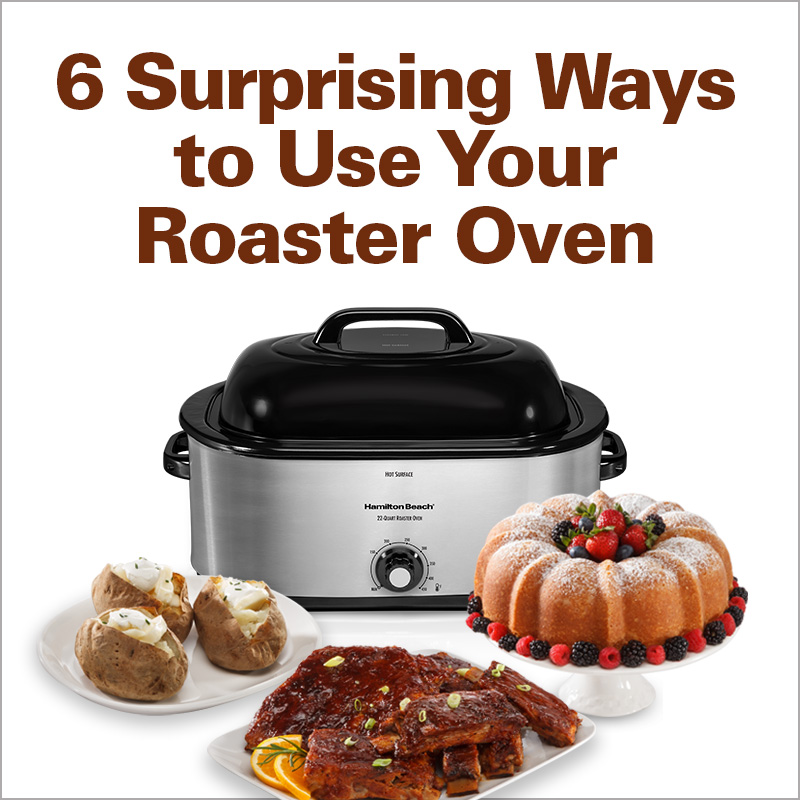
Credit: hamiltonbeach.com
Advanced Uses And Recipes
Roaster ovens are great for more than just turkey. Here are some creative ideas:
Baking Bread
Place dough in a loaf pan that fits the roaster. Preheat to 350°F (177°C) and bake as usual. The moist environment helps bread rise well.
Steaming Vegetables
Add a small amount of water to the bottom pan. Place vegetables on the rack, cover, and steam until tender. This method keeps nutrients in the food.
Making Soups And Stews
Use the oven as a giant slow cooker. Add ingredients, set to 250°F (121°C), and cook for several hours. Great for large batches.
Warming For Parties
Many people use their roaster oven as a buffet warmer. Set to 150°F (65°C) and use buffet pans or trays to keep dishes hot.
Electric Roaster Oven Cooking Chart
Cooking times can vary, but here’s a guide for common foods:
| Food | Temperature | Cooking Time |
|---|---|---|
| Whole Turkey (18 lb) | 325°F | 3.5–4.5 hours |
| Beef Roast (5 lb) | 325°F | 2.5–3 hours |
| Bread Loaf | 350°F | 35–45 minutes |
| Vegetable Steam | 250°F | 20–30 minutes |
| Casserole | 350°F | 1–1.5 hours |
| Chicken (whole, 4 lb) | 350°F | 1.5–2 hours |
Note: Always check doneness with a thermometer, not just time.
Troubleshooting Common Problems
Even with good instructions, you might face some issues. Here’s how to solve the most common problems:
- Food is undercooked: Check if you preheated properly. Increase cooking time and check the lid is sealing well.
- Food is too dry: Add a little water to the bottom pan, or cover food loosely with foil.
- No browning: For crispier skin, remove lid for the last 30 minutes or broil in a standard oven after roasting.
- Oven smells: Wash all parts well and store with the lid off.
- Uneven cooking: Don’t overload. Make sure food is centered and use the rack.
Cost Savings And Energy Efficiency
One benefit of roaster ovens is lower energy use. According to the U.S. Department of Energy, a roaster oven uses about 1,425 watts per hour, while a traditional oven uses about 2,400 watts per hour. This means you save about 40% in energy costs for similar cooking tasks.
If you cook large meals often, the savings add up over time. Plus, using a roaster oven keeps your kitchen cooler during hot months, since less heat escapes into the room.
Storing Your Roaster Oven
After cleaning, store your oven safely:
- Dry all parts completely.
- Store with the lid slightly open or a dry towel inside to avoid odors.
- Keep the cord wrapped loosely to prevent damage.
- Store in a cool, dry place.
Extra tip: Keep the manual and warranty card inside the pan so you can find them easily.
Roaster Oven Mistakes Beginners Make
Many first-time users make simple mistakes that are easy to avoid:
- Not preheating the oven
- Forgetting to use the rack for roasting
- Overfilling with food or water
- Opening the lid too often
- Using the wrong temperature
- Not checking food with a thermometer
- Putting the base in water for cleaning
Awareness of these mistakes helps you get better results and keeps your oven in good shape.

Credit: www.youtube.com
Why Use A Roaster Oven For Special Occasions?
During holidays or large gatherings, kitchen space is valuable. A roaster oven gives you an extra “oven,” freeing up your main oven for baking pies, sides, or rolls. It also keeps the main kitchen less crowded and cleaner.
Many families use the roaster oven for Thanksgiving turkey, Christmas ham, or Easter lamb. It’s also great for potlucks, family reunions, and parties where you need to keep food hot for hours.
How To Make The Most Out Of Your Roaster Oven
Here are two insights even experienced cooks sometimes miss:
- You can layer foods: For example, roast a turkey on the rack and put vegetables underneath. The drippings flavor the vegetables, and everything cooks evenly.
- Use as a dehydrator: With the lid slightly open and low heat, you can dry fruits or herbs. This turns the oven into a multi-use appliance.
Try new recipes and cooking methods—you might be surprised at what your roaster oven can do.

Credit: www.youtube.com
When Not To Use A Roaster Oven
A roaster oven is great for many tasks, but not all. Don’t use it for:
- Broiling or toasting (it can’t produce direct top heat)
- Cooking very small meals (overkill for one or two portions)
- Dishes that require a crisp crust (like pizza)
For those, your regular oven or toaster oven is better.
Resources And Where To Learn More
If you want to read more about safe cooking temperatures and energy savings, the U.S. Department of Agriculture offers detailed guidelines at USDA Food Safety.
Frequently Asked Questions
How Do I Get Crispy Skin On My Turkey In A Roaster Oven?
To get crispy skin, remove the lid for the last 30–45 minutes of roasting. You can also brush the turkey with oil or butter before cooking. If you want extra crispiness, finish the turkey under a broiler for a few minutes.
Can I Bake Bread Or Cakes In My Electric Roaster Oven?
Yes, you can bake bread and cakes in a roaster oven. Use a baking pan that fits inside the oven. Preheat to the correct temperature and use the rack if possible. The moist heat helps baked goods rise well.
Is It Safe To Use An Extension Cord With A Roaster Oven?
It’s best not to use an extension cord. Roaster ovens use high wattage and can overheat extension cords, creating a fire risk. Always plug directly into a wall outlet.
How Do I Keep Food Warm For A Party In The Roaster Oven?
Set the oven to the “keep warm” setting, usually around 150°F (65°C). Use buffet pans if you have them, and stir food occasionally to maintain even temperature.
What Foods Should I Avoid Cooking In A Roaster Oven?
Avoid foods that need direct top heat for browning, like pizza or broiled dishes. Also, don’t try to deep-fry in a roaster oven—it’s not designed for that.
—
Using an electric roaster oven is one of the easiest ways to cook for a crowd, save energy, and make delicious meals with less stress. With the right setup, good recipes, and a few smart tips, you’ll enjoy flavorful, evenly cooked food every time.
Whether for everyday dinners or special occasions, your roaster oven can become one of your favorite kitchen tools.