
Wiring a well pump to a generator is not just a technical task—it’s an essential skill for anyone relying on well water, especially in areas where power outages are common. When storms hit or the grid goes down, losing access to water can quickly turn from inconvenience to crisis. With the right approach, you can keep your water flowing, protect your equipment, and stay safe. This guide explains everything you need to know about connecting your well pump to a generator, whether for emergency backup or regular off-grid use.
You don’t need to be a professional electrician, but you do need to respect electricity. Mistakes can damage your pump, your generator, or even cause injury. By following clear steps, using the correct materials, and understanding the basics, you’ll be able to handle this project with confidence.
Along the way, you’ll find practical tips, common pitfalls, and solutions for different well pump setups. Let’s get started.
Understanding Your Well Pump And Generator
Before making any connections, it’s important to know what you’re working with. Well pumps and generators come in different types and sizes, and mismatching them can cause serious problems.
Well Pump Types
Most residential wells use one of two main pump types:
- Submersible Pumps: Placed deep in the well, below the water level. Usually 240 volts, high horsepower.
- Jet Pumps: Located above ground, usually in a basement or well house. Can be 120 or 240 volts, lower horsepower.
Knowing your pump’s voltage and horsepower is essential. Check the pump label or your owner’s manual. Common ratings are 1/2 HP to 1 HP, and either 120V or 240V.
Generator Basics
Generators provide backup electricity. When wiring a well pump to a generator, these are the critical specifications:
- Wattage: The generator must supply enough running and starting watts for your pump.
- Voltage: Must match your pump (120V or 240V).
- Outlets: Must have the correct outlet type for your transfer switch or direct wiring.
How Much Power Does Your Pump Need?
Most well pumps need much more power to start than to run. Here’s a sample comparison:
| Pump Horsepower | Running Watts | Starting Watts |
|---|---|---|
| 1/2 HP | 1000 | 2100 |
| 3/4 HP | 1500 | 3000 |
| 1 HP | 2000 | 4000 |
If your generator is too small, the pump may not start, or you could damage both units.
Why Proper Wiring Matters
Improper connections can lead to:
- Backfeeding, which can endanger utility workers and your appliances.
- Pump damage due to wrong voltage or power surges.
- Shock hazards for you and your family.
Understanding these basics sets the foundation for safe and reliable operation.
Tools And Materials You’ll Need
Wiring a well pump to a generator requires the right equipment. Gather these items before starting:
- Generator (matched to your pump’s wattage and voltage)
- Transfer switch or generator interlock kit
- Heavy-duty extension cord (if connecting directly)
- Appropriate wire (usually 10 or 12 gauge, depending on pump size and distance)
- Wire connectors and terminals
- Screwdrivers, wire cutters, and strippers
- Voltage tester or multimeter
- Electrical tape and cable ties
- Conduit (if running new permanent wires)
- Personal protective gear (insulated gloves, safety glasses)
If you’re not sure about any tool or material, consult your pump or generator manual.
Planning Your Setup
Success starts with a good plan. Consider these factors:
Permanent Vs. Temporary Connection
- Permanent Setup: Use a transfer switch or interlock kit. This is safest and meets electrical codes.
- Temporary/Emergency Use: You can use a heavy-duty extension cord for short-term needs, but only if the pump has a plug-in cord.
Location And Accessibility
- The generator should be outside, at least 20 feet from any door or window (to prevent carbon monoxide poisoning).
- The transfer switch or pump control box should be easily accessible.
- Plan wire routes to avoid tripping hazards and weather exposure.
Local Codes And Permits
Some areas require permits or inspections for generator connections. Always check your local code before starting. Not following code can lead to fines or insurance issues.
Step-by-step: Wiring A Well Pump To A Generator
The wiring process depends on your setup. We’ll cover the safest and most common method—using a transfer switch—and also explain alternatives for emergencies.
Using A Transfer Switch (recommended)
A transfer switch is a device that lets you safely switch your well pump (and other circuits) from utility power to generator power. It prevents backfeeding and is code-compliant.
1. Turn Off All Power
Before working, turn off your main breaker and the well pump breaker. Use a voltage tester to confirm no power is present.
2. Mount The Transfer Switch
Install the transfer switch near your main electrical panel. Follow the manufacturer’s instructions carefully.
3. Connect The Pump Circuit
- Find the breaker that controls your well pump.
- In the transfer switch, connect the pump circuit to one of the switch’s circuits.
- Use the correct gauge wire (usually #10 or #12 AWG).
- Double-check all connections are tight and labeled.
4. Wire The Transfer Switch To The Main Panel
- Connect the transfer switch to your main panel with the provided whip.
- Match the wire color codes (black to black, white to white, ground to ground).
- Secure wires with wire nuts or terminal blocks.
5. Install Generator Inlet Box
- Mount the generator inlet box outside, near where you’ll run the generator.
- Wire the inlet box to the transfer switch using approved conduit and wire.
6. Test The System
- Restore power and test the transfer switch in utility mode.
- Plug in your generator, start it, and test the system in generator mode.
- Confirm the well pump operates smoothly on generator power.
7. Label Everything
Label the transfer switch, inlet box, and any cords so anyone can operate the system safely in an emergency.
Alternative: Using A Generator Interlock Kit
A generator interlock kit is a mechanical device that prevents the main breaker and generator breaker from being on at the same time. This is a simpler, code-approved solution for some panels.
- Install the interlock kit according to the manufacturer’s instructions.
- Add a dedicated generator breaker to your panel.
- Wire the generator inlet box to the new breaker.
- In an outage, turn off the main breaker, turn on the generator breaker, and run the pump.
Emergency Method: Direct Plug-in
This is only for temporary use when a transfer switch or interlock is not available.
1. Turn Off Pump Breaker
Turn off the well pump breaker in the main panel.
2. Unplug The Pump (if Plug-in Type)
Some jet pumps have a plug you can remove from the wall outlet. If yours is hardwired, you cannot use this method.
3. Use A Heavy-duty Extension Cord
- Plug one end into the generator.
- Plug the other end into the pump.
- Make sure the cord is rated for the pump’s amperage.
4. Start The Generator
Let it stabilize, then turn on the pump.
Caution: Never plug a generator into a wall outlet (“backfeeding”). This is dangerous and illegal.
Wiring Diagrams And Examples
Visualizing the wiring can help avoid mistakes. Here’s a basic comparison:
| Connection Method | Equipment Needed | Safety Level | Typical Use |
|---|---|---|---|
| Transfer Switch | Transfer switch, inlet box, heavy cable | Very High | Permanent, multi-circuit |
| Interlock Kit | Interlock kit, generator breaker, inlet box | High | Permanent, panel-based |
| Direct Plug-In | Heavy-duty extension cord | Low | Temporary/emergency |
Safety Considerations
Electricity and water are a dangerous mix. Follow these safety rules every time:
- Never work on live circuits. Always turn off power and test before touching wires.
- Use GFCI outlets for outdoor or wet areas.
- Do not use undersized cords—they can overheat and cause fires.
- Keep generators outside to avoid carbon monoxide poisoning.
- Label all generator circuits so family members know what to do.
- Inspect wires and connections regularly for signs of wear or overheating.
A non-obvious safety insight: Even when the generator is off, some capacitors in pump control boxes can hold a charge. Discharge all capacitors before working inside the control box.
Sizing Your Generator: Details That Matter
Choosing the right generator is not just about total watts. Pay attention to starting watts—the surge your well pump needs when it first turns on.
Sample Calculation
Suppose you have a 3/4 HP submersible pump:
- Running watts: 1500
- Starting watts: 3000
If you also want to run a refrigerator (600 starting, 200 running) and a few lights (300 watts), you need:
- Total starting watts: 3000 (pump) + 600 (fridge) + 300 (lights) = 3900
- Total running watts: 1500 (pump) + 200 (fridge) + 300 (lights) = 2000
Choose a generator rated for at least 4000 starting watts. Going up one size adds reliability and protects your equipment.
Inverter Vs. Standard Generators
Inverter generators supply cleaner power, which is better for electronics and some pumps with sensitive controllers. They are usually quieter but cost more. Standard generators are louder but often supply more watts for the price.
Extension Cords And Wire Gauge
The wrong extension cord can cause voltage drop, overheating, or even fire. Here’s how to pick the right one:
- For up to 50 feet and 20 amps: Use a 10-gauge cord.
- For longer runs, use 8-gauge or heavier.
Voltage drop reduces pump efficiency and can damage the motor over time. Always use the shortest, heaviest cord you can.
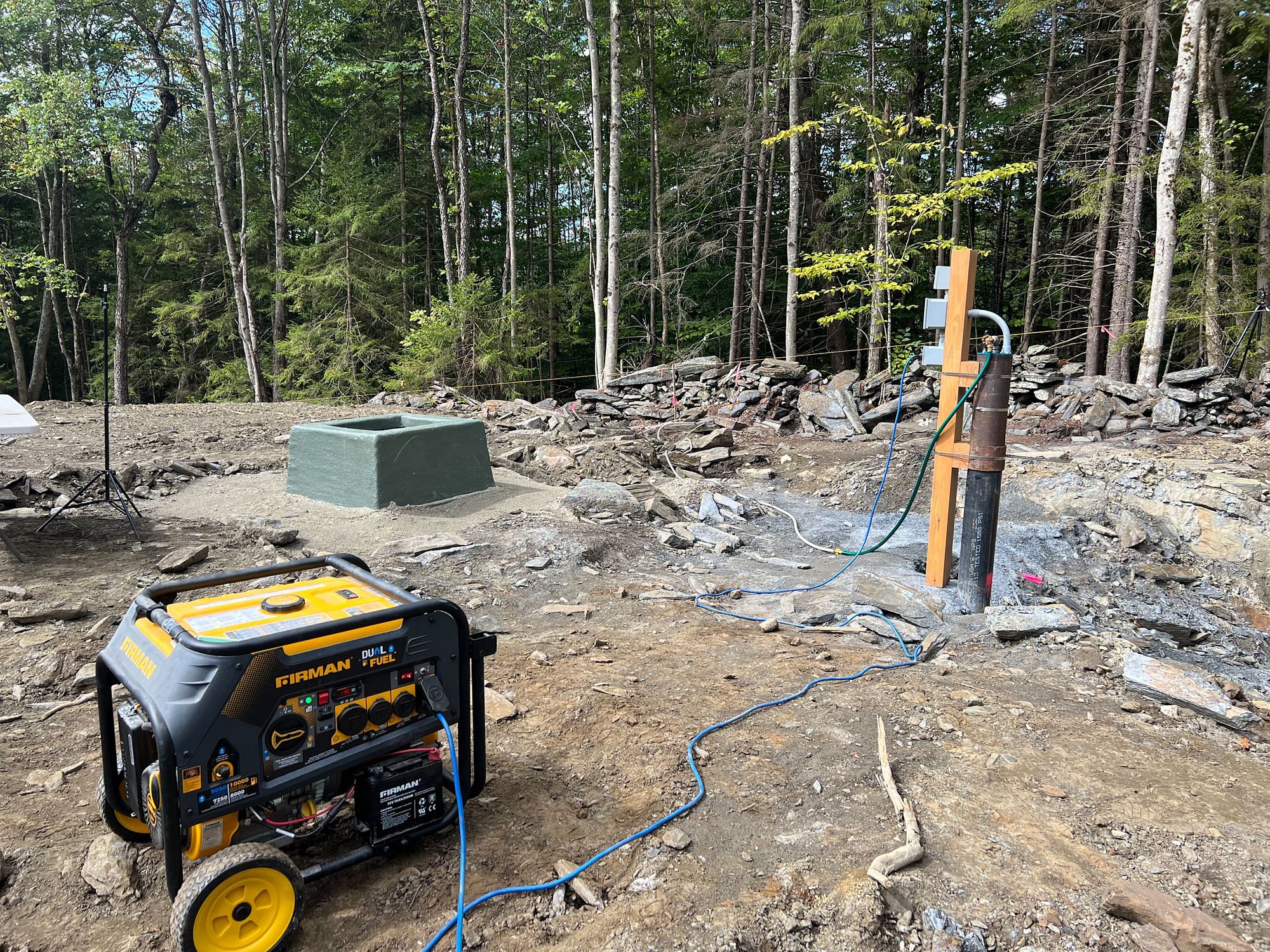
Credit: www.adventurousway.com
Troubleshooting: Common Problems And Fixes
Wiring a well pump to a generator isn’t always smooth. Here are common issues and what to do:
Pump Won’t Start
- Check generator size: Too small? Upgrade.
- Extension cord too thin or too long: Use a heavier, shorter cord.
- Loose connections: Re-check all wires and terminals.
Pump Runs, But No Water
- Pump may be air-locked: Prime the pump if it’s a jet type.
- Low generator voltage: Use a larger generator.
Breaker Trips
- Pump may have a short: Inspect for damaged wires or motor.
- Generator overloaded: Disconnect other loads.
Generator Stalls
- Pump starting surge too high: Use a generator with more starting watts.
- Fuel or maintenance issue: Service the generator.
A tip few beginners know: Some pumps have built-in thermal overload protection. If the pump stops after a few minutes, let it cool and try again—overloading can trip the internal protector.
Legal And Insurance Issues
Connecting a generator to your home’s electrical system can affect your homeowner’s insurance. Some policies require all generator hookups to be installed by a licensed electrician. If you DIY, keep records and photos, and always use code-compliant equipment.
If you sell your home, a professional installation can add value and reassure buyers.
For official guidance, check the National Electrical Code (NEC) for your country or region. The NFPA NEC is a good resource.
Maintenance Tips For Reliable Operation
Your generator and well pump need regular care to ensure they’ll work when needed.
- Run your generator monthly for 10–15 minutes to keep it in good shape.
- Check oil and fuel levels before every use.
- Inspect extension cords and transfer switches for wear or corrosion.
- Prime jet pumps if they lose suction after long disuse.
- Keep the area around the generator clear for ventilation.
Another often-missed tip: Start your generator and test the well pump at least twice a year—before storm season and before winter. This prevents surprises when you need water the most.
Scenario Examples
Emergency Storm Outage
A severe storm knocks out power. With your transfer switch already installed, you:
- Wheel your generator outside, at least 20 feet from your home.
- Plug the generator into the inlet box.
- Start the generator and let it warm up.
- Flip the transfer switch to generator mode.
- Your well pump and a few lights come on—water and basic needs are covered.
Off-grid Cabin
You have a cabin with no utility power. Your well pump is wired directly to a generator, using a transfer switch for safety. When you arrive, you:
- Start the generator.
- Switch the transfer switch to generator.
- Use water as needed, and shut off the pump when you leave.
Occasional Backup
Your pump is a plug-in jet type. In an outage:
- Unplug from the wall.
- Plug into a heavy-duty cord connected to the generator.
- Restore water quickly, but only as a short-term solution.

Credit: www.reddit.com
How To Upgrade An Existing System
If you already have a well pump and want to add generator backup, you may need to:
- Upgrade wiring to handle generator input.
- Install a transfer switch or interlock kit.
- Replace old extension cords with heavier ones.
- Label all new components for clarity.
A professional electrician can help with complex upgrades or code-required work.
Important Do’s And Don’ts
- Do use a transfer switch or interlock kit. It’s the safest, legal way to connect a generator to your pump.
- Don’t backfeed power by plugging your generator into a wall outlet.
- Do size your generator for both running and starting watts.
- Don’t ignore local codes—they exist for safety.
- Do test your system regularly.
- Don’t use indoor generators—carbon monoxide kills.

Credit: www.youtube.com
Frequently Asked Questions
Can I Wire My Well Pump Directly To A Generator Without A Transfer Switch?
It is possible in some cases, but not recommended except for short-term emergencies. Using a transfer switch or interlock kit is much safer and is required by electrical codes in most areas. Direct connections can lead to dangerous backfeeding and are often illegal.
What Size Generator Do I Need For My Well Pump?
The correct size depends on your pump’s horsepower and starting wattage. For most 1/2 HP to 1 HP pumps, you need a generator with at least 3500 to 5000 starting watts. Always check your pump’s label and add extra capacity if you plan to run other appliances.
Can A Portable Generator Run A 240v Well Pump?
Yes, but your generator must be rated for 240 volts and have the correct outlet. Many smaller portable generators only provide 120V. Check your generator’s specifications before connecting.
How Do I Know If My Extension Cord Is Heavy Enough?
Check the cord’s gauge (the lower the number, the thicker the wire). For most well pumps, use a 10-gauge cord for up to 50 feet. Longer runs need an 8-gauge or heavier cord. Thinner cords can overheat, cause voltage drop, and damage your pump.
Is It Safe To Use My Generator For The Well Pump During Rain Or Snow?
You can use a generator in wet conditions, but it must be placed outside under a canopy or cover to keep water out. Never run a generator indoors or in a garage. Always use GFCI outlets and cords rated for outdoor use.
Wiring your well pump to a generator gives you peace of mind, independence, and the comfort of running water—no matter the weather or power situation. By planning carefully, using the right equipment, and following safety rules, you can complete this project successfully.
If you ever feel unsure, don’t hesitate to call a licensed electrician. Reliable water is too important to risk.