
Wiring a well pump to a generator can feel intimidating, especially if you’re new to electrical work. But with the right information, some patience, and careful planning, you can keep your water flowing even during a power outage. This guide shows you how to do it safely, step by step, so you can power your well pump when the grid is down.
You’ll also discover how to avoid common mistakes and learn practical tips that most beginners miss.
Why Wire A Well Pump To A Generator?
Losing access to water during a blackout is more than just uncomfortable—it can be dangerous. Well pumps are crucial for homes that rely on groundwater, especially in rural areas. When the main electricity supply fails, a generator becomes your lifeline to water for drinking, bathing, and cleaning. Wiring your well pump to a generator ensures you maintain these essentials.
Many people think connecting a generator is as simple as plugging in an appliance. In reality, it requires a careful approach to prevent damage to your pump, generator, or even your home’s electrical system. Understanding the process protects both your equipment and your safety.
Understanding Well Pumps And Generators
Before you start, it’s important to know the basics of both systems.
Types Of Well Pumps
There are two main types of well pumps:
- Submersible pumps: These are installed deep inside the well, below the water level. They are common in deeper wells.
- Jet pumps: These are usually located above ground and are used for shallower wells.
Each pump type has specific power requirements. Check the label on your pump or your owner’s manual for its voltage (most are 120V or 240V), amperage, and wattage needs.
Types Of Generators
Generators come in many sizes and designs. The two most relevant types are:
- Portable generators: These are movable units, often powered by gasoline or propane. They’re suitable for temporary power, but their output is limited.
- Standby generators: These are fixed installations that start automatically during an outage. They usually run on propane or natural gas and can power the whole house.
For most homeowners, a portable generator is the go-to choice for well pump backup. But you must make sure it provides enough power for your pump’s starting and running needs.
Safety Precautions
Dealing with electricity and water is always risky. Safety must come first. Here are the key steps to follow:
- Turn off all power: Before handling wires, ensure both the main power and generator are off.
- Use proper tools and equipment: Insulated tools, safety gloves, and protective eyewear are essential.
- Never bypass safety devices: Always use approved transfer switches or interlock kits.
- Check local codes: Electrical codes can vary. Some areas require a licensed electrician for this work.
- Install a ground rod for the generator: This helps prevent shock hazards.
One important detail many people miss: never connect a generator directly to your home’s wiring without a transfer switch. This is called backfeeding and can cause fires or seriously injure utility workers.
Tools And Materials You’ll Need
Gather everything before you start. Here’s a practical checklist:
- Generator (with enough wattage for your pump)
- Transfer switch or interlock kit (UL-listed)
- Heavy-duty extension cord (if wiring directly)
- Wire strippers and cutters
- Voltage tester or multimeter
- Screwdrivers (insulated)
- Electrical tape and wire nuts
- Conduit (if running new wiring outdoors)
- Ground rod and clamp
- Pump start relay (for some setups)
- Manuals for your generator and pump
Pro tip: Label your wires as you disconnect them. This saves time and reduces mistakes during re-connection.
Calculating Power Needs
Before connecting anything, make sure your generator can handle your well pump. This is a step many skip, leading to overloaded generators or pump failures.
How To Calculate Wattage
- Find the starting (surge) and running wattages for your well pump. This information is on the pump’s data plate or manual.
- Add a safety margin of 20% to the starting wattage.
- Compare total wattage to generator output (found on the generator’s label).
For example, if your pump’s running wattage is 1000W and starting wattage is 2500W, your generator should handle at least 3000W.
Typical Well Pump Power Requirements
| Pump Type | Horsepower (HP) | Running Watts | Starting Watts |
|---|---|---|---|
| Jet Pump | 1/2 HP | 800 | 2000 |
| Jet Pump | 1 HP | 1100 | 2800 |
| Submersible Pump | 1/2 HP | 1000 | 2100 |
| Submersible Pump | 1 HP | 2000 | 4000 |
If you plan to run other devices at the same time, add their wattages to your total.
Choosing The Right Transfer Method
There are two main ways to connect your well pump to a generator:
- Manual transfer switch: Safest and most reliable. This device switches your well circuit from grid to generator without backfeeding the main panel.
- Direct extension cord: Works only if your pump is wired to a plug, not hardwired. Less common in modern homes.
A transfer switch costs more but is safer and more flexible. It’s also required by electrical codes in most places.
Manual Transfer Switch Vs. Interlock Kit
Another option is the interlock kit. This device allows you to use your main breaker panel to switch between grid and generator, but only one at a time.
Here’s a quick comparison:
| Method | Safety | Ease of Use | Cost | Flexibility |
|---|---|---|---|---|
| Manual Transfer Switch | High | Easy | $$ | Medium |
| Interlock Kit | High | Moderate | $ | High |
| Extension Cord | Low | Simple | $ | Low |
Preparing The Generator
Take time to set up your generator correctly:
- Place the generator outdoors: Never run it inside a garage or home.
- Use a flat, dry surface: Protects against moisture and vibrations.
- Check oil and fuel levels: Top up if needed.
- Inspect cords and outlets: Look for damage.
- Test the generator: Start it briefly to ensure it runs smoothly.
Another smart tip: Run your generator for 10-15 minutes every few months, even if you don’t need it. This keeps the engine parts lubricated and helps you spot problems early.
Shutting Off Main Power
Before making any connections, shut off the main breaker in your home’s electrical panel. This isolates your house from the grid, protecting both you and utility workers. Double-check with a voltage tester to confirm the power is off.
Many beginners forget to turn off branch breakers for non-essential circuits. Doing so prevents accidental overloads if the generator starts powering too many things at once.
Installing The Transfer Switch
This step is critical for safe operation. The transfer switch connects your pump’s electrical circuit to either the main grid or the generator—never both at the same time.
Step-by-step Transfer Switch Installation
- Mount the transfer switch near your main breaker panel.
- Turn off all power at the main breaker.
- Open the breaker panel and identify the well pump circuit. Label it if not already marked.
- Wire the pump circuit to the transfer switch following the device’s instructions. Use wire nuts and electrical tape to secure connections.
- Connect the generator inlet box to the transfer switch, running conduit as required by code.
- Install a ground rod for the generator inlet if not already present.
- Test connections with a voltage tester.
- Close the panel and switch cover. Secure everything tightly.
If you’re not confident, hire a licensed electrician for this step. Incorrect wiring can cause fires or electric shock.
Connecting The Generator To The Transfer Switch
Once your transfer switch is installed:
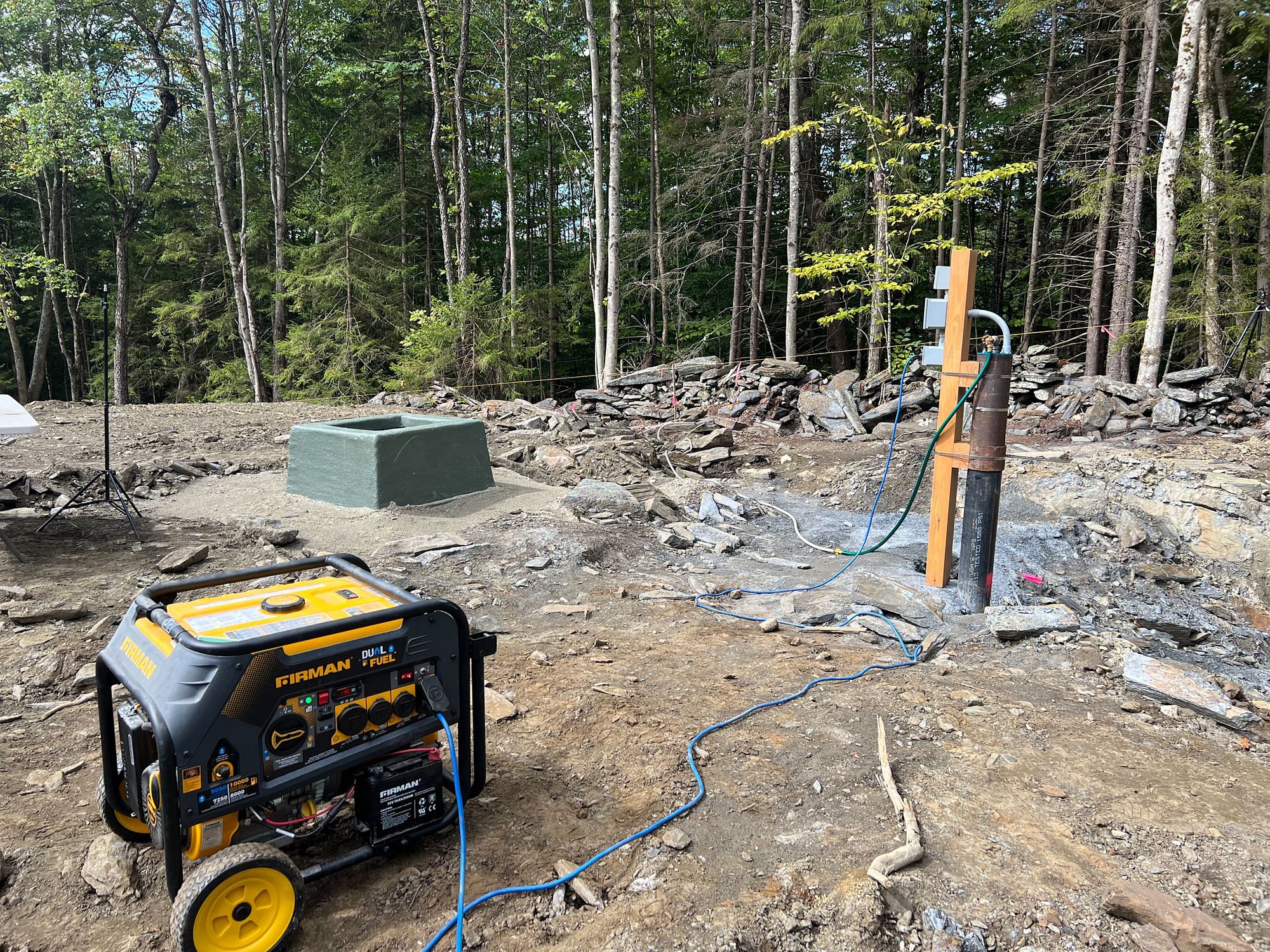
- Plug the generator’s power cord into the generator inlet box.
- Start the generator according to the manufacturer’s instructions.
- Switch the transfer switch from “Line” (grid) to “Generator.”
- Turn on the well pump circuit at the transfer switch.
- Monitor performance—listen for unusual sounds or fluctuations.
If your pump doesn’t start, turn everything off and check your connections. Do not force breakers or switches.
Credit: www.adventurousway.com
Wiring A Well Pump With An Extension Cord
In some older or simple well installations, the pump may be connected via a plug, not hardwired. If this is your setup:
- Unplug the pump from its wall outlet.
- Use a heavy-duty extension cord (rated for outdoor use and the correct wattage).
- Plug one end into the pump, the other into the generator.
- Start the generator, then turn on the pump.
This method is less safe and not recommended for most homes. You should upgrade your system to use a transfer switch if possible.
Grounding The Generator
Proper grounding is often overlooked but is essential for safety. A ground rod should be driven at least 8 feet into the earth, and a copper ground wire connected from the generator’s frame to the rod using a clamp.
Without grounding, you risk electric shock or damage to sensitive electronics. Check your generator’s manual for specific instructions.
Testing Your Setup
After installation, test the whole system:
- Simulate a power outage by turning off the main breaker.
- Start the generator and switch over using the transfer switch.
- Run the pump and observe water pressure and flow.
- Check for unusual noise, heat, or vibration at the pump or generator.
- Monitor voltage with a multimeter if possible.
If anything seems off, shut everything down and troubleshoot before using regularly.
Troubleshooting Common Problems
Even experienced homeowners run into issues. Here’s how to handle the most frequent ones:
Generator Won’t Start
- Check fuel and oil
- Inspect spark plug
- Make sure the battery is charged (if electric start)
- Follow the manufacturer’s troubleshooting guide
Pump Doesn’t Run
- Verify all switches are in the correct position
- Check extension cords for damage
- Test generator output with a light or tool
- Inspect pump fuses or breakers
Low Water Pressure
- Pump may not be getting full power
- Check for voltage drop in long extension cords
- Generator may be too small for pump
Breaker Trips
- Pump may be shorted or faulty
- Generator overload—disconnect other devices
- Wiring may be incorrect
Tip: Label your transfer switch and generator cords clearly so anyone in your household can follow the right sequence during an emergency.
Maintenance Tips For Long-term Reliability
Wiring your well pump to a generator is not a set-it-and-forget-it project. Regular maintenance prevents surprises during a blackout.
- Run your generator every few months
- Inspect extension cords and connections for wear
- Clean transfer switch contacts as needed
- Test the whole system once a year
- Replace fuel and oil according to schedule
- Store fuel safely, away from living spaces
- Keep the generator covered but ventilated when not in use
Many homeowners overlook these steps and face equipment failure when they need it most.
Upgrading Your System: When To Call A Professional
If your well pump is hardwired, or your electrical panel is outdated, don’t risk a DIY approach. Also, if you need to power multiple systems (like a water heater or air conditioner), a professional can calculate load requirements and install the correct transfer switch.
A licensed electrician ensures all wiring follows code, reducing the risk of fire or injury. Some insurance policies even require professional installation for coverage.

Credit: www.youtube.com
Real-world Example: Case Study
Consider a rural family who lost power during a storm. Their well pump was only connected to the grid, leaving them without water for days. Afterward, they installed a 4000W portable generator and a manual transfer switch. Now, when the power goes out, they follow these steps:
- Turn off the main breaker.
- Start the generator outdoors.
- Plug the generator into the inlet box.
- Flip the transfer switch to “Generator.”
- Turn on the pump circuit.
This routine now takes just five minutes, and their water supply is secure in any emergency.
Generator Maintenance Schedule Example
Keeping your generator in good shape is just as important as wiring it properly. Here’s a sample maintenance schedule:
| Task | Frequency | Details |
|---|---|---|
| Run generator | Monthly | 10-15 minutes under load |
| Check oil | Every use | Top up if needed |
| Inspect cords | Quarterly | Look for cracks or wear |
| Replace fuel | Annually | Use fresh, stabilized fuel |
| Test transfer switch | Yearly | Simulate outage |
Two Commonly Overlooked Details
- Voltage Drop in Long Cords: Using a long extension cord with a small wire gauge can cause voltage drop, making your pump run poorly or overheat. Always use the thickest, shortest cord possible.
- Pump Starting Current: Well pumps can use three to five times more power when starting than running. Failing to account for this can trip breakers or damage the generator. Always size your generator for the starting surge, not just running watts.
What Not To Do
Avoid these dangerous mistakes:
- Never connect your generator to a wall outlet (backfeeding)—this can electrocute utility workers.
- Don’t use indoor-rated extension cords outdoors—they can cause fires.
- Don’t ignore signs of overheating at the pump or generator.
- Don’t skip labeling switches and cords.

Credit: www.reddit.com
Resource For Deeper Learning
If you want more detail on electrical codes and safe installation, the National Electrical Code is an excellent reference.
Frequently Asked Questions
How Big Of A Generator Do I Need For My Well Pump?
You need a generator that can handle your pump’s starting (surge) wattage. For most 1/2 HP pumps, a 3000–3500 watt generator is enough. For 1 HP pumps, look for at least 4000–4500 watts. Always check your pump’s label or manual for exact numbers.
Can I Plug My Well Pump Directly Into A Generator?
Only if your pump uses a standard plug and outlet. Most modern well pumps are hardwired, so you need a transfer switch or interlock kit for safe operation. Never backfeed through a wall outlet.
Is It Safe To Run A Well Pump And Other Appliances At The Same Time?
Yes, if your generator is large enough. Add up the running and starting wattages of all devices. If the total exceeds your generator’s rating, run only essential items one at a time.
Do I Need To Ground My Generator Every Time I Use It?
Yes, grounding is essential for safety. Use a copper ground rod and wire to connect the generator’s frame to earth. This reduces shock risk and protects equipment.
What If My Well Pump Doesn’t Start With The Generator?
Check all connections, switches, and breaker positions. Make sure the generator is producing the correct voltage. If everything looks right and the pump still won’t start, consult a professional—your pump may need service.
Wiring a well pump to a generator may seem complex at first, but with careful planning and attention to detail, you can ensure water security in any situation. Take your time, follow safety guidelines, and don’t hesitate to seek help from an expert if needed.
Your home’s water supply—and your peace of mind—are worth the effort.