
Every home has its own scent story. Some use candles, sprays, or essential oils, but one product stands out for its ease and reliability: Wallflowers from Bath & Body Works. These small plug-in fragrance diffusers make it simple to fill any room with your favorite scent, day and night. But here’s a question many people ask: How many Wallflowers should you use per room? The answer isn’t as simple as “one per room.” It depends on room size, airflow, personal scent preference, and a few other key factors. Using too many can be overwhelming, while too few may go unnoticed. Let’s explore what really matters when deciding how many Wallflowers to use in each room so your home smells just right—never too strong, never too faint.
What Are Wallflowers And How Do They Work?
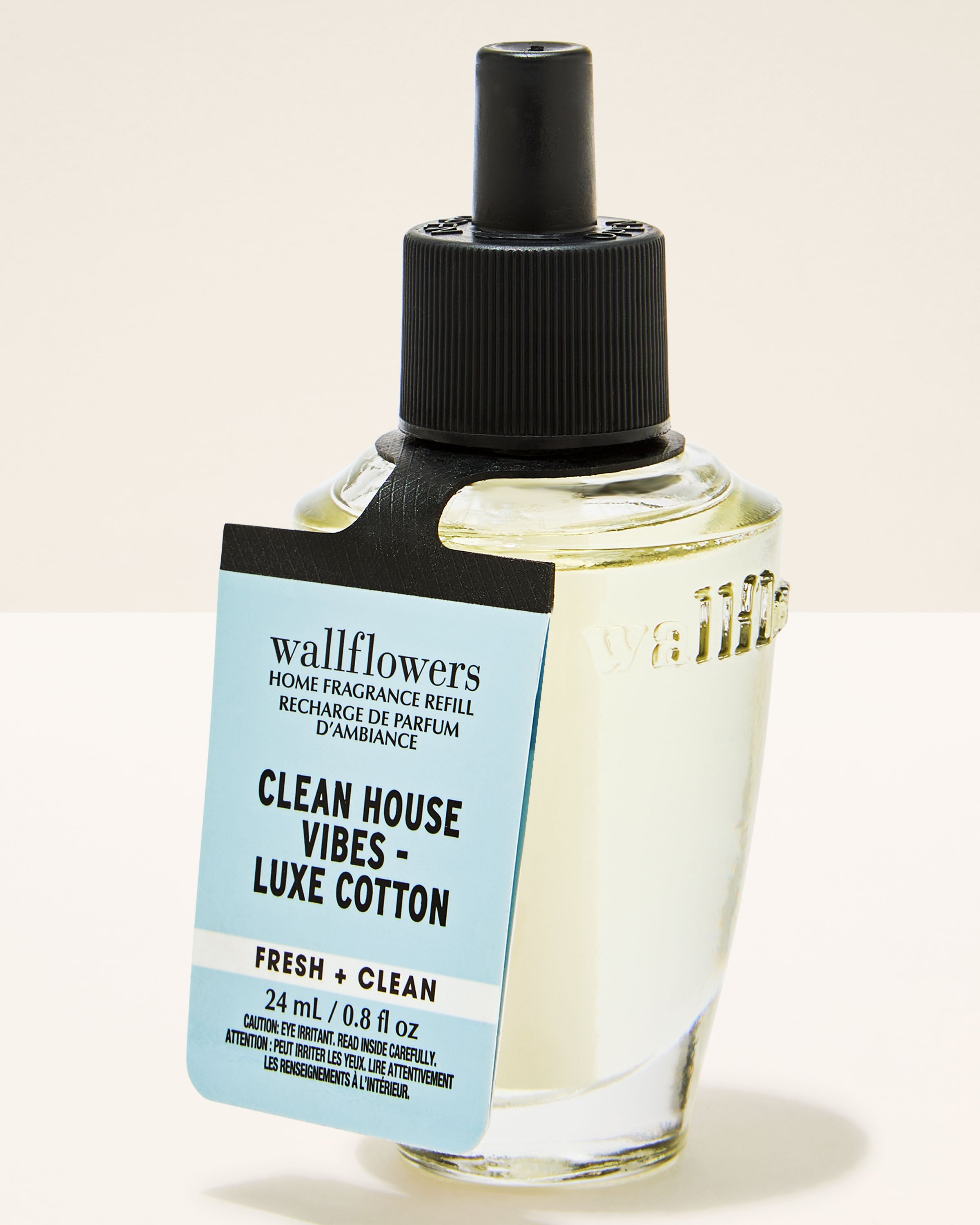
Before deciding how many you need, it’s important to understand how Wallflowers function. These devices are plug-in air fresheners. You take a small, scented oil refill and twist it into a reusable plug-in base. Plug it into an electrical outlet, and the device slowly warms the oil, releasing fragrance into the air over several weeks.
The main features of Wallflowers include:
- Constant fragrance: They keep working 24/7, unlike candles that need to be lit.
- Wide scent variety: From floral to fresh, spicy to sweet, there’s a scent for everyone.
- Simple operation: Plug in, forget about it, and enjoy.
- Discreet design: Small and low-profile, they fit into almost any room.
Understanding these basics helps you see why the right number per room matters. Too many can make the scent overwhelming and even cause headaches, especially in small or poorly ventilated spaces.
Factors That Affect How Many Wallflowers Per Room
No two rooms are the same. The ideal number of Wallflowers depends on several important factors:
Room Size
The size of your room is the most obvious factor. A tiny bathroom and a large living room have very different scenting needs. Wallflowers are powerful for their size, but they have limits.
- Small rooms (under 100 sq ft): Bathrooms, closets, laundry rooms
- Medium rooms (100–250 sq ft): Bedrooms, small offices, dens
- Large rooms (250–500+ sq ft): Living rooms, family rooms, open-plan spaces
Ceiling Height
Rooms with high ceilings have more air volume, so fragrance spreads out and dissipates faster. For rooms with ceilings over 10 feet, you may need an extra Wallflower.
Airflow And Ventilation
If your space has strong air conditioning, open windows, or fans running, the scent will disperse quickly. This can require using more Wallflowers, or placing them where airflow will help move the scent through the room.
Room Shape And Layout
Long, narrow rooms or L-shaped spaces may need more than one Wallflower placed at opposite ends. Obstructions like large furniture can also block scent movement.
Scent Strength And Sensitivity
Some people love strong scents, while others prefer a gentle background fragrance. Also, some Wallflower scents are naturally stronger—think cinnamon or eucalyptus—while others, like linen or lavender, are milder.
Purpose Of The Room
Bathrooms may need a stronger scent for obvious reasons, while you might prefer something lighter in a bedroom. Kitchens have their own unique needs, especially when combating cooking odors.
Electrical Outlet Placement
You can only use a Wallflower where you have an outlet. If outlets are in awkward spots, you may need to adjust your plan.
Number Of People And Pets
More people (or pets) in a space can mean more odors to cover. High-traffic areas often benefit from an extra Wallflower.
Credit: www.wallpaperdirect.com
How Many Wallflowers For Each Room Type?
Let’s break down the recommended number of Wallflowers by room type, with detailed reasons for each. Remember, these are starting points. Adjust up or down based on your own space and scent preference.
Living Room
Most living rooms are the largest spaces in a home, often 250–500 square feet or more. They’re also where people gather most, so you want the scent to be pleasant but not overpowering.
Recommendation: 2 Wallflowers
- Place one near the main seating area, and another across the room, ideally near a doorway or opposite corner.
- For open-plan living/dining/kitchen spaces, consider 3 spaced out evenly.
Tip: If your living room is extra large or has high ceilings, add a third Wallflower for even coverage.
Kitchen
Kitchens are unique because of cooking smells. You want a Wallflower to add freshness, but not to mix oddly with food aromas.
Recommendation: 1 Wallflower
- Place away from direct cooking areas (not above the stove) to avoid heat damage.
- Use lighter, clean scents like citrus or linen for best results.
Insight: Some people skip Wallflowers in the kitchen to avoid scent clashes. If you cook often, test first with one to see if it works for your household.
Bedroom
Bedrooms are mid-sized and personal. Most people want a subtle fragrance that helps them relax and sleep.
Recommendation: 1 Wallflower
- Place across the room from the bed, not directly next to your pillow.
- Choose calming scents (lavender, vanilla, eucalyptus) for sleep support.
Non-obvious tip: If you have a large master bedroom (over 250 sq ft), or high ceilings, 2 Wallflowers may give more balanced coverage.
Bathroom
Bathrooms are small but often need the most help with odors.
Recommendation: 1 Wallflower for most bathrooms
- Place near the sink or toilet (not right beside the shower, to avoid water damage).
- In extra large or Jack-and-Jill bathrooms, 2 Wallflowers (one at each end) can work better.
Extra Insight: If you have a window you open often, you may need to boost with a second Wallflower, or place it near the window for best airflow.
Hallways And Entryways
These spaces often get ignored, but they’re where first impressions are made.
Recommendation: 1 Wallflower per 10–15 feet of hallway
- For small entryways, one is plenty.
- For long hallways (20 feet or more), consider two, spaced evenly.
Tip: Choose a light, welcoming scent—avoid anything too strong or spicy.
Home Office Or Study
Concentration is key here. You want a scent that’s pleasant but not distracting.
Recommendation: 1 Wallflower
- Place on the wall farthest from your desk, especially if you’re sensitive to smells.
- Choose mild, fresh scents (mint, rain, ocean) to boost alertness.
Laundry Room
Laundry rooms can get musty, especially if they’re in a basement.
Recommendation: 1 Wallflower
- Place near the entrance or by the machines.
- Clean, fresh scents work best here.
Dining Room
You want to enjoy your food, not compete with strong fragrances.
Recommendation: 1 Wallflower, or none
- If you use one, keep it at the far end of the room, away from the dining table.
- Go for the lightest scent possible—something that won’t clash with mealtime aromas.
Children’s Rooms And Nurseries
Safety comes first. Wallflowers should be out of reach of children.
Recommendation: 1 Wallflower (optional)
- Place high on the wall, away from cribs or beds.
- Use only gentle, hypoallergenic scents.
Note: Some parents prefer to avoid scented products in nurseries. If you use one, monitor for any signs of sensitivity.
Large, Open-plan Spaces
For open-concept homes, scent travels more and can get lost in the air.
Recommendation: 3 or more Wallflowers, spaced 10–15 feet apart
- Place in key zones: Living area, dining area, near entryways.
- Use the same scent in all Wallflowers to avoid clashing fragrances.
Advanced tip: For especially large or irregularly shaped spaces, try alternating two complementary scents for a layered effect.
Real-world Examples: Wallflower Placement In Common Homes
Let’s look at three typical homes and how many Wallflowers each might need.
Example 1: Small Apartment (1-bedroom, 600 Sq Ft)
- Living room: 1 Wallflower
- Kitchen: 1 Wallflower
- Bedroom: 1 Wallflower
- Bathroom: 1 Wallflower
Total: 4 Wallflowers
This setup gives gentle scent coverage without being overpowering.
Example 2: Average Family Home (3-bedroom, 1500 Sq Ft)
- Living room: 2 Wallflowers
- Kitchen: 1 Wallflower
- Dining room: 1 Wallflower
- Hallway: 1 Wallflower
- Master bedroom: 1 Wallflower
- Kids’ bedrooms: 1 each (2 total)
- Bathrooms: 1 each (2 total)
Total: 9 Wallflowers
This ensures every high-traffic area smells pleasant and inviting.
Example 3: Large Open-plan Home (4-bedroom, 2500 Sq Ft)
- Open living/dining/kitchen: 3 Wallflowers
- Entryway: 1 Wallflower
- Hallway: 1 Wallflower
- Master bedroom: 2 Wallflowers
- Other bedrooms: 1 each (3 total)
- Bathrooms: 1 each (3 total)
- Laundry room: 1 Wallflower
Total: 12 Wallflowers
For very large homes, you may need a few extra, especially in areas with high ceilings or lots of airflow.
Wallflower Coverage Compared To Other Fragrance Methods
If you’re deciding between Wallflowers and other home fragrance options, it helps to compare how far the scent travels. Here’s an at-a-glance comparison:
| Fragrance Method | Average Coverage | Duration | Best For |
|---|---|---|---|
| Wallflower Plug-In | Up to 150 sq ft per unit | 30-45 days | Continuous, set-and-forget scent |
| Scented Candle | 100-200 sq ft | 2-4 hours per use | Occasional, focused fragrance |
| Reed Diffuser | 100 sq ft | 2-3 months | Small spaces, subtle scent |
| Room Spray | Immediate, short-term | Few minutes to 1 hour | Quick odor removal |
As you can see, Wallflowers provide reliable, long-lasting coverage. For large spaces, you may need more than one, just as you would with any other method.
How To Place Wallflowers For Best Results
Placement is just as important as quantity. Here’s how to make sure your Wallflowers work efficiently:
- Choose the right outlet. Pick outlets that are at least 2–3 feet above the floor, away from direct sunlight, and not blocked by heavy furniture.
- Avoid placing near vents or windows. Strong airflow will carry the scent away too quickly.
- Don’t put them behind doors. The scent will be trapped and not circulate well.
- Keep away from children and pets. For safety, always place out of reach.
- Try not to cluster. If you use multiple Wallflowers in one room, space them apart for even scent coverage.

Credit: www.wpr.org
How Scent Strength Varies By Wallflower Refill
Not all Wallflowers are created equal. Some scents are naturally stronger and can fill a room faster, while others are softer and less noticeable.
Here’s a quick guide to scent strength:
- Strong scents: Cinnamon, eucalyptus, pine, peppermint, mahogany teakwood
- Medium scents: Vanilla, coconut, ocean, linen, rain
- Light scents: Lavender, chamomile, cotton, baby powder
If you choose a strong scent, start with one Wallflower and see if it’s enough. For lighter scents, you may need to use two in a larger room.
How Long Does Each Wallflower Last?
A typical Wallflower refill lasts about 30 to 45 days, depending on the scent and room conditions. Some stronger scents may seem to fade faster because you get used to them, a phenomenon called nose-blindness.
If you notice the scent has faded, check if the oil is gone or if you’ve just stopped noticing it. Switching up scents every month can help keep your nose “fresh. ”
Cost Considerations: How Many Wallflowers Can You Afford?
Wallflowers are affordable compared to some luxury home fragrance products, but the costs can add up if you use many at once.
- Starter packs: Usually include a plug and one or two refills for $8–$15.
- Single refills: $4–$8 each, depending on sales and promotions.
- Plug bases: Reusable, typically $5–$12 each.
If you use 6 Wallflowers in your home, and replace refills every 30 days, your monthly cost could be $24–$48. Watch for deals and coupons to save money, especially during seasonal sales.
Pro tip: Rotate which rooms you scent each month to reduce costs without losing the benefits.
Safety Tips For Using Wallflowers
Wallflowers are generally safe, but follow these tips to avoid problems:
- Never use with damaged plugs or outlets.
- Keep away from water. Don’t plug in near sinks, bathtubs, or showers.
- Unplug when not in use for long periods. If you’re on vacation, unplug them.
- Check regularly for leaks. If oil leaks out, clean it up right away; the oil can damage some surfaces.
- Don’t stack adapters. Plug Wallflowers directly into the wall, not into extension cords or power strips.
Common Mistakes When Using Wallflowers
It’s easy to make small mistakes that reduce effectiveness or even cause problems. Avoid these:
- Using too many in a small space. This can cause headaches and waste product.
- Mixing clashing scents. Stick to one scent per area, or use complementary scents in large spaces.
- Ignoring airflow. If the scent seems weak, check for open windows or strong fans.
- Placing behind furniture. The scent won’t circulate well.
- Not monitoring for allergies. If anyone develops headaches or irritation, reduce use or switch scents.
The Science: Why Room Size And Airflow Matter
You may wonder why a Wallflower can fill a room, but not a whole house. It’s all about air volume and scent molecule dispersion.
- In small rooms: Molecules fill the space quickly, so you notice the scent right away.
- In large rooms: Molecules spread out and may not reach every corner, so you need more Wallflowers or better placement.
- With strong airflow: Scent molecules are carried away, so you need more frequent replacement or additional units.
This is similar to how perfume works—one spritz is enough in a small bathroom, but you’d need much more in a gymnasium.
Scent Layering: Can You Mix Wallflowers With Other Products?
Some people like to “layer” scents, using candles, sprays, and Wallflowers together. This can work well, but it’s easy to overdo it.
- Use only one main scent family per room. For example, pair a vanilla Wallflower with a vanilla-scented candle.
- Don’t use clashing scents. Floral and spicy together can be unpleasant.
- Be mindful of strength. If you burn candles often, use fewer Wallflowers in that room.
Wallflowers And Pets: What You Need To Know
Some essential oils and fragrance ingredients can be irritating to pets, especially cats and birds. If you have pets, choose Wallflower scents that are known to be safer (avoid tea tree, eucalyptus, citrus oils), and always use in moderation.
Place Wallflowers high up and monitor pets for any unusual behavior. For more information, consult your vet or review reputable sources like the ASPCA.
Quick Reference: Wallflowers Needed By Room Size
For easy planning, here’s a reference guide for average room sizes and the number of Wallflowers needed.
| Room Size (sq ft) | Recommended Wallflowers | Notes |
|---|---|---|
| Under 75 | 1 | Bathrooms, small offices |
| 75–150 | 1 | Bedrooms, kitchens |
| 150–250 | 1–2 | Large bedrooms, medium living rooms |
| 250–400 | 2 | Family rooms, open areas |
| 400+ | 2–3 | Large, open-plan spaces |
Remember, these are guidelines. Adjust for ceiling height, airflow, and personal preference.
Non-obvious Insights Most Beginners Miss
- Nose-blindness: After a few days, you may stop noticing the scent, even though guests will still smell it. Rotate scents monthly to keep things fresh.
- Outlet heat can affect scent strength: Warm outlets make Wallflowers diffuse faster, while cold or shaded outlets slow diffusion. If you notice weak scent, try moving to a different outlet.
- Seasonal changes matter: In winter, closed windows mean scents linger longer. In summer, open windows and air conditioning can dilute fragrance faster.
Summary: The Perfect Wallflower Plan For Your Home
Choosing the right number of Wallflowers per room makes your home smell inviting, not overpowering. Start with the guidelines above, and adjust based on your own space, scent strength, and personal taste. Remember, more isn’t always better. Placement, airflow, and the type of scent you choose are just as important as the number of units. Take your time, try different setups, and soon you’ll find the perfect balance for every room in your house.
Frequently Asked Questions
How Many Wallflowers Should I Use In A Small Bathroom?
For most small bathrooms, one Wallflower is enough. If the bathroom has a window that’s often open, or is used by many people, you can add a second one at the opposite end.
Can I Use Different Scents In Different Rooms?
Yes, you can use different scents in separate rooms. However, in open-plan homes, stick to one scent or two complementary ones to avoid clashing aromas.
Are Wallflowers Safe For Pets And Children?
Wallflowers are generally safe when used as directed and placed out of reach. Some scents may irritate pets, especially cats and birds, so always monitor your animals and consult your vet if in doubt.
How Long Does A Wallflower Refill Last?
A typical Wallflower refill lasts about 30–45 days. This depends on the scent strength, room temperature, and how often windows or doors are open.
What Should I Do If I Can’t Smell My Wallflower Anymore?
If you can’t smell your Wallflower, first check if the oil is empty. If not, you may have become nose-blind to the scent. Try moving the Wallflower to a new location, or switch to a different scent to refresh your senses.
Credit: www.shopmainplacemall.com