
When summer arrives and the sun starts to shine, many people dream of creating the perfect backyard retreat. For families with a swimming pool, the idea of adding a pool slide is exciting. The image of kids laughing as they splash into the water, or even adults joining the fun, is tempting.
But before you invest in a pool slide, it’s important to ask—are pool slides really worth it? This is not just about the price; it’s about safety, long-term value, maintenance, and how much the slide will actually be used. Let’s take an honest, thorough look at everything you need to know before making this big decision.
What Makes Pool Slides So Popular?
Pool slides have become a common feature in residential pools, and for good reason. They add an element of adventure and fun that transforms a simple swim into an experience. For children, a slide turns the pool into a mini-waterpark. For adults, it can be a way to relive childhood memories or encourage more family time outdoors. The popularity of pool slides often comes from:
- Instant entertainment for guests and family
- A way to increase property appeal when selling the home
- Creating a centerpiece for pool parties
However, popularity does not always equal value. Understanding what you get with a pool slide—and what you might give up—is key.
Cost: The Real Price Of A Pool Slide
One of the first questions homeowners ask is, “How much does a pool slide cost? ” The answer depends on many factors, including the type of slide, installation, safety features, and ongoing maintenance.
Upfront Costs
Most residential pool slides range from $1,000 to $6,000. Simple, straight slides cost less, while tall, twisty designs or custom-built slides can cost much more.
- Entry-level slides: $1,000 – $2,500
- Mid-range slides (curved, taller): $2,500 – $4,500
- Custom or luxury slides: $4,500 – $10,000+
But the price of the slide is just the beginning.
Installation Expenses
Professional installation is usually necessary for safety and insurance reasons. This cost can vary, but most homeowners pay between $1,500 and $3,000 for installation. Some factors that increase installation costs include:
- Landscaping changes (removing plants, leveling ground)
- Pool deck modifications
- Plumbing for water supply to the slide
DIY installation is possible with some slides, but mistakes can lead to costly repairs or even accidents.
Ongoing Costs
Don’t forget maintenance and insurance. Slides need cleaning, and moving parts may wear out. Some insurance companies charge higher premiums if you add a slide, while others may require specific safety features.
When you add everything up, the total cost over ten years can easily reach $8,000 to $15,000.
Safety: Risks And Rules
Safety is the single biggest concern for many pool owners. While slides are fun, they can also be dangerous if not installed or used correctly.
Common Injuries
According to the U.S. Consumer Product Safety Commission, pool slides are responsible for hundreds of accidents each year. The most common injuries are:
- Bruises and scrapes
- Broken bones
- Head, neck, or back injuries
Most injuries happen when:
- Users go down headfirst
- The slide is wet but not slippery enough
- Children use slides that are too big for their size
Safety Standards And Guidelines
All reputable slides should meet ASTM (American Society for Testing and Materials) standards. These include:
- Non-slip steps and handrails
- Safe entry and exit points
- Weight limits (usually between 150 – 250 lbs)
Before buying, check if the slide is certified. Some local governments also require permits for pool slides.
Supervision And Rules
Even with a safe slide, constant supervision is necessary. Set clear rules:
- One person on the slide at a time
- Feet first, sitting up only
- No roughhousing or pushing
Adding a slide means adding responsibility for pool safety.
Fun Factor: Do People Actually Use Pool Slides?
The promise of fun is the main reason people buy slides. But do they live up to the hype?
Real-world Use
In the first summer, most families use the slide often. Kids can spend hours climbing and splashing. Over time, however, use may drop—especially as children grow older.
Several pool owners report:
- Young kids use slides the most (ages 5–12)
- Teens and adults use slides less, preferring diving or swimming
- After a few years, the slide becomes “background”
Special Occasions Vs. Daily Use
Pool slides shine during parties or family events. They make pool days memorable and encourage group play. But on regular days, especially in smaller families or homes without many guests, slides may see less action.
Insight Most Buyers Miss
Many buyers don’t consider their climate. If you live in a region with a short pool season, the slide may only get a few weeks of use each year. In hot climates, slides make more sense, since the pool gets more use.
Installation: What’s Involved And What Can Go Wrong
A pool slide is not a “plug and play” accessory. Installation can be tricky, and mistakes may be costly.
Space Requirements
Not all pools can support a slide. You need:
- A large enough deck area (usually 8–12 feet of clear space)
- A deep water entry (at least 42 inches, often more)
- Access to water supply for the slide
Common Installation Problems
- Deck too small: Crowds the pool, creates tripping hazards
- Shallow water: Increases risk of injury, may violate codes
- No water hookup: Slide is not slippery, causing friction burns
Professional Vs. Diy
While some slides are sold as DIY kits, professional installation is highly recommended. Pros know how to:
- Anchor the slide safely
- Connect water lines
- Meet local safety codes
Most warranties require professional installation.
Maintenance And Durability
A pool slide is a long-term investment, so you want it to last. Maintenance needs vary by material and location.
Cleaning
Slides get dirty from sunscreen, leaves, and rain. Most need a quick wash every week. Use mild soap and water—strong chemicals can damage the surface.
Material And Weather
Most slides are made of fiberglass or rotomolded plastic. Both are strong, but exposure to sun and chlorine can cause fading or cracks over time. In cold climates, you may need to cover or remove the slide in winter.
Repairs
Common repairs include:
- Fixing handrails or steps
- Replacing faded or cracked sections
- Addressing leaks in water lines
Repairs are not frequent, but when needed, they can be expensive and may require a specialist.
Longevity
A well-maintained slide can last 10–20 years. However, cheaper slides may show wear after just a few seasons.
Insurance And Liability
Adding a pool slide changes your insurance risk profile. It’s important to talk to your insurance agent before installation.
How Insurance Changes
- Some insurers raise premiums or add a “rider” for pool slides
- Others require proof the slide meets ASTM standards
- Failure to report a slide can void your coverage if there’s an accident
Legal And Liability Concerns
If someone gets hurt, you could be held legally responsible. Installing safety features and following all rules is not just smart—it’s often required by law.
Home Resale
A pool slide can be a selling point for families, but it can also turn off buyers who see it as a liability. Consider your long-term plans before installing.
Types Of Pool Slides: Which One Is Right For You?
Choosing the right slide depends on your pool, your budget, and who will use it. There are several main types:
Straight Slides
- Simple design
- Takes up less space
- Safer for younger children
Curved Or Spiral Slides
- Longer ride
- More exciting for older kids and adults
- Requires more space
Custom Or Themed Slides
- Built to match your pool shape or landscaping
- Can include rocks, waterfalls, and tunnels
- Very expensive but unique
Inflatable Slides
- Temporary and portable
- Lower cost
- Less durable, not suitable for in-ground pools
Here’s a side-by-side comparison of the main types:
| Slide Type | Price Range | Durability | Best For | Space Needed |
|---|---|---|---|---|
| Straight | $1,000–$3,000 | High | Young children, smaller pools | Low |
| Curved/Spiral | $2,500–$6,000 | High | Older kids, families, parties | Medium–High |
| Custom/Themed | $4,500–$10,000+ | Very High | Unique design lovers | High |
| Inflatable | $300–$800 | Low | Temporary use, renters | Low |
Pool Slides Vs. Other Pool Add-ons
If you’re considering a slide, you might also look at other ways to boost pool fun and value. How does a pool slide compare to other popular add-ons?
| Feature | Fun Factor | Cost | Safety Risk | Maintenance |
|---|---|---|---|---|
| Slide | High (kids) | High | Medium-High | Medium |
| Diving Board | Medium | Medium | High | Low |
| Waterfall Feature | Medium | High | Low | Medium |
| LED Lights | Low | Low | Low | Low |
| Hot Tub/Spa | High (adults) | Very High | Medium | High |
Most slides offer the best “fun per dollar” for families with younger children. For teens and adults, other features might provide more value.
Common Mistakes To Avoid When Buying A Pool Slide
Many homeowners regret their slide purchase because they did not think through all the details. Here are mistakes to avoid:
- Ignoring space requirements: Not measuring the deck and pool entry area leads to safety hazards and code violations.
- Choosing the wrong type: A tall spiral slide may be too intense for young kids; a short straight slide may bore older kids.
- Skipping safety certification: Buying a cheap, uncertified slide can void insurance and put users at risk.
- Underestimating installation: DIY mistakes can cause leaks, injuries, or require expensive fixes.
- Not considering future use: Kids grow up fast. Will you want a slide in five years?
Pro tip: Always try to test a slide at a friend’s pool or public pool before buying. This gives you a feel for the size, speed, and fun factor.

Credit: www.westerncity.com
Value For Money: Does A Pool Slide Pay Off?
Is a pool slide a good investment? The answer depends on your family, budget, and lifestyle.
For Families With Young Children
Slides are almost always a hit. Children will use them often, and the slide can encourage outdoor activity and social play. The memories and fun may be worth the cost.
For Adults Or Older Children
A slide may see less use. Older kids often prefer swimming, games, or relaxing. Adults usually enjoy spas or waterfalls more than slides.
For Home Value
A pool slide is not guaranteed to increase your home’s value. It can attract families, but may scare off buyers worried about safety. A slide is best seen as a lifestyle upgrade, not a financial investment.
For Renters Or Seasonal Users
If you rent your home out, a slide can be a draw for families—but also an insurance risk. Seasonal users may find the cost hard to justify for limited use.
Non-obvious Insights Most Buyers Miss
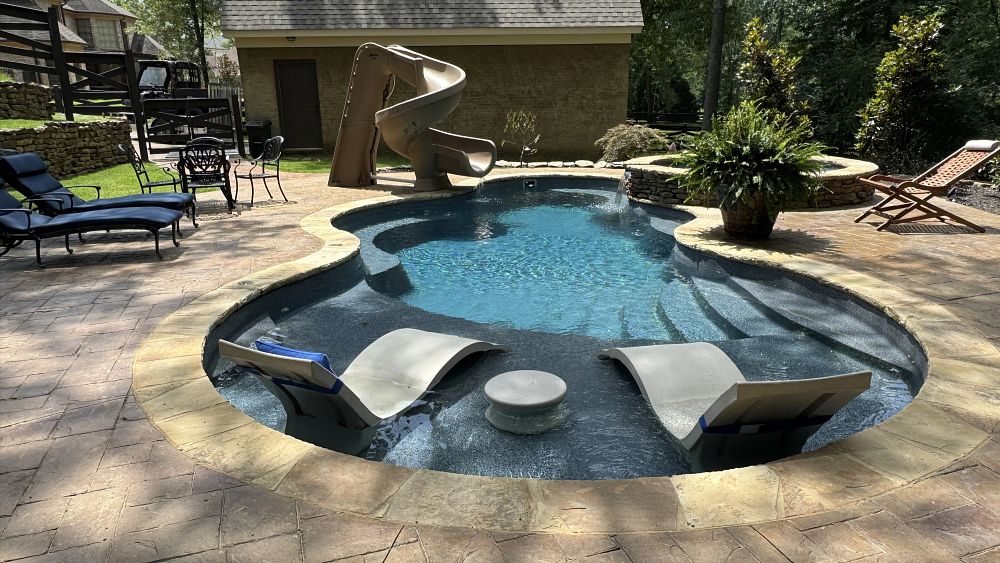
- Slides can limit pool activities: Once installed, slides take up deck and pool entry space. This can make it harder to play volleyball, lap swim, or host adult pool parties.
- Resale is difficult: While slides can be removed, the process is expensive and may leave marks on your pool deck.
- Noise and water use: Slides need running water to stay slippery. This adds noise and increases your water bill slightly—something most buyers overlook.
- Sun exposure: Slides often sit in the sun, making them hot to the touch on summer days. Covering the slide or choosing a shaded spot can help, but not every yard allows this.
Credit: www.lathampool.com
Questions To Ask Before You Buy
Before making a decision, answer these questions honestly:
- How often will the slide be used, and by whom?
- Do you have the right pool depth and deck space?
- Is your climate warm enough for frequent use?
- Are you prepared for extra maintenance and supervision?
- How will a slide affect your insurance and home value?
If you answer yes to most, a slide may be worth it. If not, you might get more enjoyment from another pool upgrade.
Is There A Safer Or Smarter Alternative?
For some families, a slide is a perfect fit. Others may want to consider alternatives:
- Inflatable slides: Great for short-term use or parties. Easy to remove and store.
- Pool games and floats: Less expensive and more flexible.
- Splash pads or fountains: Add water play without the safety risk.
Ultimately, the “worth” of a pool slide depends on your unique situation.

Credit: gappsi.com
Real Owner Experiences
When talking to pool owners, experiences are mixed. Some say the slide was the best pool feature they ever added, while others call it an expensive mistake.
Positive stories:
“We bought a slide for our kids when they were 7 and 10. For five summers, it was the main attraction. Now that they’re teens, it gets less use, but we don’t regret it. ”
Negative stories:
“We installed a slide with our new pool. After one summer, our kids lost interest. It’s become an expensive decoration. ”
Middle ground:
“We rent our home out on Airbnb. The slide helps us get bookings, but we pay higher insurance and worry about accidents. ”
These real-world examples highlight the importance of matching a slide to your family’s needs.
Frequently Asked Questions
How Much Does A Pool Slide Cost To Install?
Most homeowners spend between $2,500 and $9,000 for the slide and installation. Custom or themed slides can be much more expensive. Always factor in the cost of professional installation, which is often required for safety and insurance reasons.
Are Pool Slides Safe For Young Children?
Pool slides are generally safe for kids over age 5, as long as the slide meets ASTM safety standards, is installed properly, and children are supervised. Never let young children use adult-sized slides or go down headfirst.
Will A Pool Slide Increase My Home’s Value?
A pool slide may make your home more appealing to families with young children, but it does not guarantee a higher resale value. Some buyers may view it as a safety risk or extra maintenance.
Can I Install A Pool Slide Myself?
Some slides are sold as DIY kits, but professional installation is recommended for safety, insurance, and code compliance. Mistakes during DIY installation can be dangerous and expensive to fix.
Where Can I Find More Information About Pool Safety And Slides?
For detailed safety standards and guidelines, visit the ASTM International Pool Slide Safety Standards page.
Final Thoughts
A pool slide can bring joy, excitement, and family memories to your backyard. But it’s not a simple or cheap decision. The upfront cost, safety responsibilities, and ongoing maintenance are real. For families with young children and a long pool season, the fun may be worth every dollar.
For others, the slide could become a rarely used extra. The key is to match your pool, your family, and your lifestyle to the reality of owning a slide. Do your homework, ask hard questions, and remember—a pool slide is only worth it if it truly adds value to your life, not just your pool.