
e
Setting Up an Above Ground Pool in Your Garage: The Complete Guide
Many people dream of having their own swimming pool at home, but outdoor space is often limited. What if you could place an above ground pool inside your garage? This creative idea is becoming more popular, especially in areas with harsh weather or small yards. But is it possible—and safe—to set up an above ground pool in your garage? Let’s explore the details, benefits, challenges, and step-by-step process to help you decide if this is the right solution for your home.
Why Put An Above Ground Pool In Your Garage?
An above ground pool is usually placed outside, but using your garage for a pool can solve many problems. Maybe your backyard is too small, you want privacy, or you want to swim year-round without worrying about rain, snow, or sunburn. Some people even use garage pools for physical therapy or exercise.
There are real advantages:
- Weather protection: No need to wait for summer or worry about storms.
- Privacy: You can swim without neighbors watching.
- Security: Less chance of animals or strangers entering your pool.
- Cleanliness: Fewer leaves and outdoor debris in the water.
- Convenience: Your pool is just steps away—no walking outside in cold or heat.
But there are also unique challenges, including safety, moisture, and building codes. This guide will help you understand every detail, from planning and installation to maintenance and possible risks.
Is It Safe And Legal To Have A Pool In Your Garage?
Many homeowners wonder if putting a pool in a garage is allowed. The answer depends on your local building codes and the structure of your garage. Some cities have strict rules about indoor pools, water drainage, electrical safety, and structural support.
You must check with your city or county building department before buying a pool. Most places require permits for major changes like this. Some may not allow it at all, or only with special modifications. Never skip this step—it can save you from expensive mistakes or legal trouble.
Pro tip: Ask your homeowner’s insurance agent if your policy covers accidents or water damage from an indoor pool. Many standard policies do not, or they may require extra coverage.
What Size Pool Can Fit In A Garage?
Most standard garages are 20 to 24 feet long and 10 to 18 feet wide. The height is usually 7 to 10 feet. The largest pool that fits depends on:
- Garage size (width, length, and height)
- Garage door opening (for getting the pool parts inside)
- Space needed for walking around the pool
- Ceiling height (for standing, jumping, or pool covers)
Here’s a quick comparison of common garage sizes and what pool sizes they can hold:
| Garage Size | Max Pool Diameter (Round) | Max Pool Size (Rectangular) |
|---|---|---|
| Single (12×20 ft) | 10 ft | 8×16 ft |
| Standard Double (18×20 ft) | 15 ft | 12×16 ft |
| Large Double (24×24 ft) | 18 ft | 14×20 ft |
Most above ground pools are round (10–24 feet) or rectangular (8×12 to 12×24 feet). Always leave at least 2 feet around the pool for walking and maintenance.
Types Of Above Ground Pools For Garage Use
Not every pool is suitable for indoor use. Some models need extra support, while others are easy to set up and take down. The best choices for garage use include:
Soft-sided Inflatable Pools
These pools are lightweight, easy to assemble, and affordable. They usually range from 6 to 15 feet in diameter and 2 to 4 feet deep. Their soft sides make them safe for kids, but they can be punctured more easily.
Steel Frame Pools
Steel frame pools have a sturdy metal structure and a durable liner. They come in larger sizes (up to 24 feet round) and are more stable than inflatable pools. They are a good choice for long-term use in a garage.
Resin Frame Pools
Resin pools use strong plastic frames that resist rust and corrosion. They last longer in humid environments, making them a smart pick for indoor garages where moisture can cause metal to rust.
Modular Panel Pools
These pools are built from interlocking panels and a vinyl liner. They are often used for therapy or training and can be custom-sized for your garage.
Hint: Avoid permanent in-ground pools or large hard-wall above ground pools. They are difficult to install indoors and may require major changes to your garage.
What To Consider Before Installing A Pool In The Garage
Setting up a pool indoors is not simple. There are several important factors to plan for:
Weight And Floor Strength
Water is heavy! One gallon weighs about 8. 3 pounds (3. 8 kg). A small 10×15 foot pool, 3 feet deep, holds over 2,800 gallons—more than 23,000 pounds (10,400 kg). Not all garage floors can handle this.
- Most garages have a concrete slab floor. A good-quality slab (4–6 inches thick, reinforced) can often hold a pool if the weight is spread out.
- Avoid putting a pool on old, cracked, or uneven floors. The weight may cause the floor to break.
- Never put a pool on a wooden or raised garage floor.
If you’re not sure, ask a structural engineer to check your garage’s floor strength.
Moisture And Ventilation
Indoor pools create a lot of moisture. Without good ventilation, your garage can develop mold, rust, and bad smells. Excess humidity can damage cars, tools, and the building itself.
- Install a dehumidifier or strong fans to keep air moving.
- Open windows or add vents when possible.
- Use a pool cover to reduce evaporation when not swimming.
Moisture is one of the most overlooked problems by beginners. It’s not just about comfort—it can cause real damage to your home over time.
Electrical Safety
Water and electricity are a dangerous mix. Most above ground pools need a pump and filter, which must be plugged in safely.
- Use GFCI (Ground Fault Circuit Interrupter) outlets. These shut off power if there’s a short circuit.
- Keep all wires and plugs at least 5 feet from the pool.
- Never run extension cords across wet floors.
- Consider hiring a licensed electrician for any new wiring.
Water Drainage
Accidents happen. If your pool leaks or you need to drain it, where will the water go? Most garages do not have floor drains.
- Plan for safe water removal. Use a submersible pump to drain water outside, away from your home’s foundation.
- Avoid draining water into the street or your neighbor’s yard (often illegal).
- Check if your garage has a slope—water should flow away from walls and valuable items.
Chemical Odors And Air Quality
Indoor pools need chlorine or other disinfectants. These can create strong smells and irritate eyes or lungs in small spaces.
- Use pool chemicals carefully and follow all instructions.
- Store chemicals in sealed, labeled containers—never mix them.
- Consider saltwater systems for less chemical odor.
Access And Safety
Getting in and out of the pool in a garage is different from outdoors. You need safe steps or ladders, and the area around the pool must stay dry to prevent slips.
- Use non-slip mats around the pool.
- Keep a clear path to doors and windows in case of emergency.
- Lock your garage when not in use to keep children and pets safe.
Step-by-step: How To Set Up An Above Ground Pool In Your Garage
Ready to start? Here’s a detailed process to help you install your pool safely and efficiently.
1. Measure Your Space
Start by measuring your garage’s length, width, and height. Check for obstacles like shelves, water heaters, or low ceiling lights. Make a drawing of your space to help you plan.
- Leave at least 2 feet on each side of the pool for walking and cleaning.
- Make sure the garage door is wide enough to bring in pool parts.
2. Select The Right Pool
Choose a pool that fits your space, budget, and needs. Consider:
- Pool size and depth
- Frame material (steel, resin, inflatable)
- Ease of assembly and disassembly
- Warranty and support
Read product reviews and check for indoor use recommendations.
3. Prepare The Floor
- Clean the garage floor and remove any sharp objects.
- Lay down a protective ground cloth or foam mats to prevent liner damage.
- If the floor is uneven, use foam tiles or sand to level it.
4. Check The Floor Strength
If you’re not sure about the concrete, have a professional check it. The floor must support the full weight of the pool and water. This step is critical—never skip it.
5. Plan For Ventilation
Set up a dehumidifier and fans before filling the pool. Test them to make sure they remove moisture effectively. If possible, open garage windows or doors to let air in.
6. Install The Pool
Follow the manufacturer’s instructions carefully:
- Assemble the frame or inflate the pool.
- Smooth out the liner to avoid wrinkles.
- Double-check all connections and joints.
7. Set Up The Pump And Filter
Place the pump and filter on a dry, stable surface. Keep them away from water splashes. Use GFCI outlets, and never use damaged cords.
8. Fill The Pool
- Fill slowly and watch for leaks.
- Check the floor and walls as the water rises.
- Stop if you see cracks or bulging—fix problems before continuing.
9. Add Chemicals And Test Water
Balance the pool water with the right chemicals. Use a test kit to check chlorine, pH, and alkalinity. Indoor pools may need less chlorine due to lower sunlight exposure.
10. Set Up Safety Measures
- Place non-slip mats around the pool.
- Install a sturdy ladder or steps.
- Keep a life ring or rescue pole nearby.
- Lock the garage when not in use.
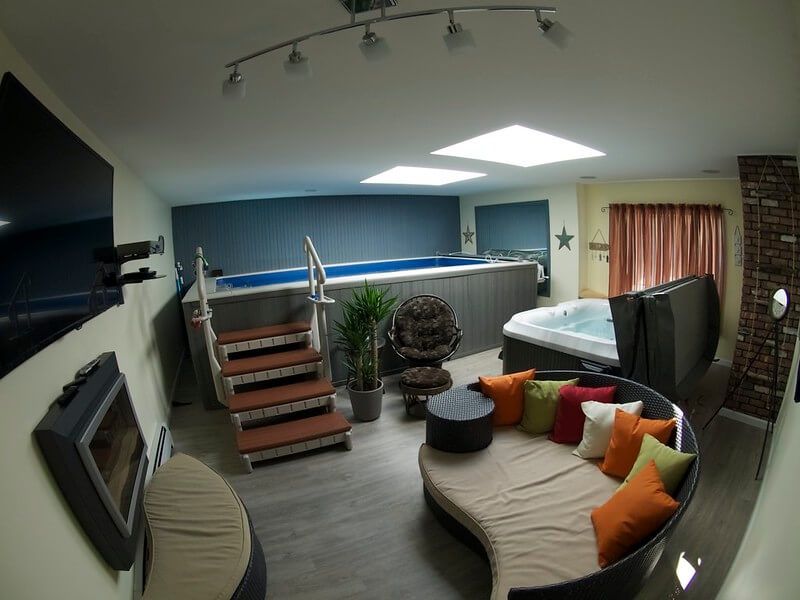
Credit: www.endlesspools.com
Maintenance Tips For Garage Pools
Having a pool indoors means less dirt and fewer leaves, but you still need regular maintenance.
Daily
- Skim the water for debris (hair, dust, bugs).
- Check water level and add if needed.
Weekly
- Test water chemistry.
- Add chemicals as needed.
- Clean pool walls and floor with a brush or vacuum.
- Check pump and filter for clogs.
Monthly
- Inspect the liner for leaks or damage.
- Deep-clean the filter.
- Check for mold or moisture damage in the garage.
Seasonally
- Drain and clean the pool if not used year-round.
- Inspect garage walls, ceiling, and floor for signs of water damage.
Non-obvious insight: Indoor pools often require less chlorine, but are more likely to develop mold on garage surfaces. Regularly check hidden corners, behind tools, and along the ceiling.
Cost Breakdown: What To Expect
Setting up an above ground pool indoors can cost more than using your backyard. Here’s a rough estimate for a standard 12×18 foot pool in a garage:
| Item | Estimated Cost (USD) |
|---|---|
| Above ground pool kit | $500 – $2,000 |
| Protective floor mats | $100 – $300 |
| Pump and filter | $150 – $400 |
| Dehumidifier | $200 – $800 |
| Electrical upgrades | $100 – $500 |
| Chemicals and test kits (annual) | $100 – $300 |
| Professional floor inspection (optional) | $200 – $500 |
Total cost can range from $1,150 to $4,800 or more, depending on pool size and upgrades. This does not include higher energy costs for running fans, dehumidifiers, or heaters.
Key Benefits And Drawbacks
Let’s look at the main pros and cons of a garage pool:
Benefits
- Year-round swimming: Weather is never a problem.
- Privacy: No neighbors or passersby watching you.
- Less debris: Fewer leaves, bugs, and dirt.
- Safety: Easier to lock up from children and pets.
Drawbacks
- Moisture risk: Can cause mold, rust, and damage.
- Higher cost: Need for dehumidifiers, mats, and possible floor upgrades.
- Space loss: Garage can’t be used for cars or storage.
- Legal/insurance issues: May not be allowed in all areas.
Who Should (and Shouldn’t) Consider A Garage Pool?
This solution is best for:
- People with no outdoor space
- Swimmers needing privacy or therapy pools
- Homeowners in cold or rainy climates
- Families with strong garage floors and good ventilation
It is not a good idea for:
- Renters (most leases forbid it)
- People who store many valuable items in the garage
- Garages with old, cracked, or wooden floors
- Those unable to get city permits or insurance
Non-obvious tip: If you use your garage for laundry, tools, or storage, think about where the moisture will go and whether your items will get damaged.

Credit: www.flickr.com
Common Mistakes To Avoid
Many first-timers make simple but costly mistakes:
- Skipping floor inspection: Not checking if the slab can hold the weight is risky.
- Ignoring ventilation: Mold can appear in weeks if air doesn’t circulate well.
- Underestimating water removal: Draining a pool is not easy without a plan.
- Using regular outlets: Always use GFCI for safety.
- Choosing too large a pool: Bigger is not always better in a garage—leave space to walk.
- Not checking local laws: Fines for illegal pools can be high.
Real-life Examples
- A family in Minnesota installed a 12-foot steel frame pool in their insulated garage. They swim all winter, but had to add two dehumidifiers and a floor drain.
- In Texas, an athlete uses a modular therapy pool for daily exercise. The garage needed new electrical wiring and heavy-duty mats to protect the floor.
- In the UK, a pool owner failed to check the floor strength. The weight caused cracks, leading to costly repairs.
These examples show why careful planning is essential.
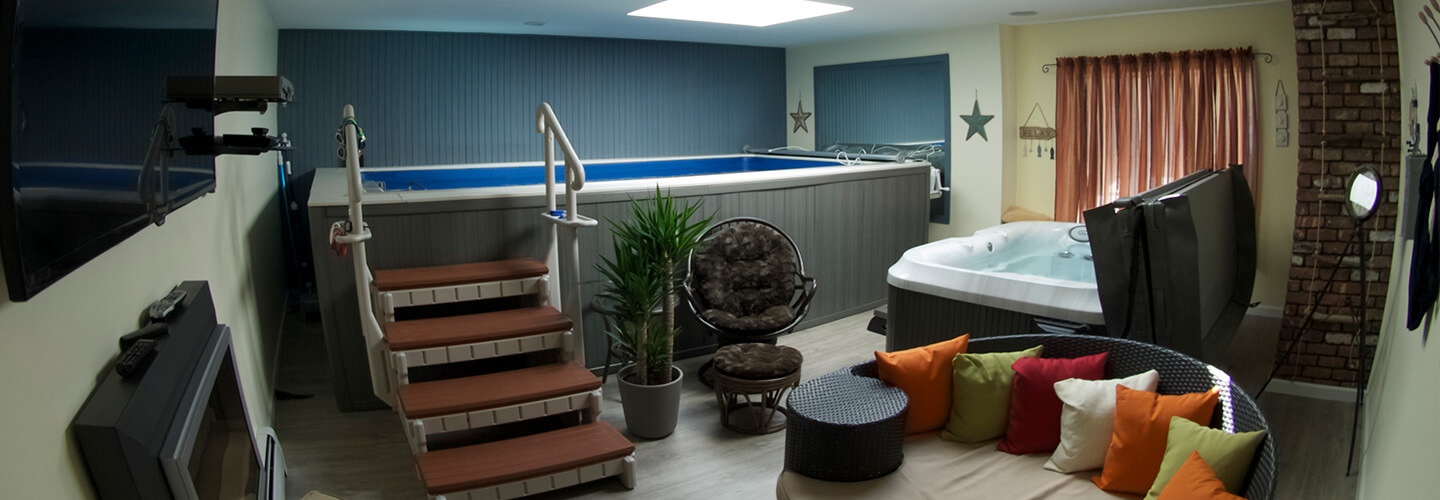
Credit: www.endlesspools.com.sg
Alternatives To A Garage Pool
If you’re not sure about a pool in your garage, consider these options:
- Small indoor hot tub: Less water, easier to manage.
- Swim spa: Compact, heated, and designed for small spaces.
- Outdoor above ground pool with a dome cover: Cheaper, but less weather protection.
- Community pool membership: No maintenance, but less privacy.
Each has its own pros and cons.
Frequently Asked Questions
Can I Put Any Above Ground Pool In My Garage?
Not all pools are suitable. Choose soft-sided, steel, or resin frame pools that fit your garage’s size and can be assembled indoors. Avoid permanent or extra-large pools.
How Do I Control Humidity In My Garage Pool?
Install a dehumidifier and use fans to keep air moving. Open windows if possible, and always cover the pool when not in use to reduce evaporation.
Is It Expensive To Maintain An Indoor Garage Pool?
Costs are higher than outdoor pools due to the need for dehumidifiers, protective mats, and possible electrical upgrades. Expect to spend $200–$1,000 extra per year for maintenance and energy.
Will A Garage Pool Damage My Home?
If not managed correctly, yes. Moisture can cause mold, rust, and structural problems. Always use proper ventilation, check your floor strength, and maintain pool chemicals.
Do I Need A Permit Or Permission For A Garage Pool?
Usually, yes. Most cities require building permits for indoor pools. Always check local rules and your homeowner’s insurance before installing a pool.
For more information on pool safety standards, check the Wikipedia Swimming Pool page.
Setting up an above ground pool in your garage is a creative way to enjoy swimming all year, but it requires careful planning, investment, and maintenance. By following the steps and tips above, you can create a private, weatherproof pool that fits your lifestyle—while avoiding common pitfalls and costly mistakes.