
A 16 x 32 Intex pool is more than just a place to cool off in summer—it can become the heart of your backyard. But for many pool owners, the area around the pool feels unfinished or unsafe. That’s where a pool deck comes in. Building a deck around your 16 x 32 Intex pool not only boosts safety and comfort, but also makes the whole pool area look beautiful and inviting.
If you’re considering a deck for your Intex pool, you probably have questions: What materials should you use? How do you keep it safe and easy to maintain? What design fits your yard and budget? In this guide, you’ll find everything you need to know about planning, building, and enjoying a deck around your pool. You’ll learn about the best features, materials, and design ideas—plus 16 unique elements you can include to make your pool area truly special.
Why Build A Deck Around A 16 X 32 Intex Pool?
A pool deck does more than just look nice. It gives you a stable place to walk, keeps dirt out of the water, and makes getting in and out of the pool much easier. For families, a deck can mean fewer slips and falls.
For those who love to entertain, it creates a perfect space for relaxing, sunbathing, or hosting pool parties.
A well-planned deck also protects your pool liner and frame, helping your Intex pool last longer. It can even add value to your home if you ever decide to sell.
Planning Your 16 X 32 Intex Pool Deck
Before you start building, spend time planning. The right design depends on your yard, budget, and how you want to use your pool. Here are some things to consider:
- Space available: Measure your backyard and choose a deck size that fits comfortably.
- Access and safety: Decide where steps, ladders, and gates should go.
- Style: Think about colors, patterns, and shapes that match your house and garden.
- Budget: Good planning helps you avoid costly mistakes later.
Many new pool owners forget to check with local building codes. Some towns need permits for decks or have rules about railings, height, or distance from property lines. Be sure to ask before you start.

Credit: www.youtube.com
16 Essential Features For A 16 X 32 Intex Pool Deck
These sixteen features can make your pool deck safer, easier to use, and more fun for everyone. You don’t need to include all of them, but each one brings a unique benefit to your backyard oasis.
1. Full Wraparound Deck
A wraparound deck covers all sides of your pool. It creates a uniform look and gives you space to walk all the way around the pool. This design is great for larger backyards, families with kids, and anyone who wants easy access to the water from any side.
Wraparound decks also make cleaning the pool easier, since you can reach every spot. One thing to remember: a full wraparound uses more materials and takes more time to build, but the finished result feels like a permanent, resort-style pool.
2. Partial Side Deck
If space or budget is tight, a partial side deck is a smart solution. This design covers just one or two sides of the pool, usually where you want to enter and exit. It costs less than a full deck and is perfect for smaller yards.
A partial deck still gives you a spot for chairs, towels, and pool gear, without using up your whole backyard. It’s also easier to build for beginners. One common mistake is making the deck too small—aim for at least 6 feet wide to allow for safe movement.
3. Multi-level Deck Design
A multi-level deck adds style and function by using different heights. For example, you can have a main area for sunbathing, a lower space for dining, and steps leading directly to the pool. This design helps your deck blend into a sloped yard.
Multi-level decks also create natural zones for relaxing, eating, or playing. However, they require careful planning to keep steps and railings safe for children and seniors.
4. Slip-resistant Surface
Wet feet and wood can be a dangerous mix. A slip-resistant surface is essential for safety. You can choose textured wood, composite decking, or special mats designed for wet areas. Some pool owners use rubber or stone tiles for extra grip.
Choosing the right surface helps prevent accidents. It’s best to avoid smooth, painted wood or glossy tiles—these get slippery when wet. Check for products that meet safety standards, and test a sample before building.
5. Secure Entry Steps
Getting in and out of your pool should be easy for everyone. Secure entry steps—with non-slip treads and sturdy handrails—are much safer than ladders alone. Built-in steps can be wider and more comfortable, making them great for kids and older adults.
Think about the placement: steps should face your house or patio for easy access. Also, make sure the steps are deep enough to support your weight. Many DIY decks use pre-made stair kits to save time.
6. Child Safety Gate
If you have kids or pets, a child safety gate is not optional. Most towns require a self-closing, self-latching gate for any pool deck above a certain height. Gates keep young children from wandering into the pool area unsupervised.
Place the gate at the top of the stairs or entry point. Check that the latch is out of reach of small children. For extra peace of mind, choose a gate with a lock.
7. Durable Railing System
A durable railing system protects everyone on the deck, especially when the deck is more than two feet off the ground. Railings should be strong, weather-resistant, and spaced so children can’t slip through.
Materials like powder-coated aluminum, vinyl, or composite last longer than wood and require less maintenance. Avoid sharp edges or splinters. Some decks use glass panels for a modern look, but these need regular cleaning.
8. Under-deck Storage
Pool gear takes up space—floats, toys, cleaning tools, and chemicals need a home. Under-deck storage is a smart way to keep your deck tidy. Built-in storage benches or waterproof lockers under the deck make use of space you already have.
One non-obvious tip: add vents or drainage holes to keep stored items dry and prevent mildew. Also, store chemicals away from children and pets in a locked compartment.
9. Weatherproof Lighting
Many pool owners forget about lighting, but weatherproof lighting extends pool time into the evening and keeps everyone safe. Use low-voltage LED lights, solar path lights, or string lights to brighten steps, railings, and the pool’s edge.
Well-placed lights reduce tripping hazards and set a relaxing mood. For energy savings, use solar-powered fixtures. Always choose lights rated for outdoor and wet conditions.
10. Built-in Seating
A pool deck is not just for walking—it’s a place to relax. Built-in seating makes your pool area more comfortable and saves space. Benches along the deck edge or sunken seating areas can double as storage for towels and gear.
Built-in seating is more stable than plastic chairs, which can tip over on uneven surfaces. For extra comfort, add cushions made from waterproof fabric.
11. Shade Structures
Too much sun can be dangerous. Shade structures like pergolas, umbrellas, or retractable awnings protect you from UV rays and keep the deck cooler. A shaded area also gives guests a place to rest between swims.
Consider placing shade where the sun is strongest in the afternoon. If you have a smaller deck, a large cantilever umbrella may be enough. For big decks, a pergola can even support climbing plants for natural shade.
12. Pool Equipment Enclosure
Pool pumps, filters, and heaters are necessary, but they don’t look great. A pool equipment enclosure hides these machines and reduces noise. You can build a small shed, use lattice panels, or buy ready-made boxes.
Make sure the enclosure has enough space for air flow and maintenance. Don’t block vents or create a fire hazard. It’s a good idea to use materials that match your deck for a seamless look.
13. Easy-drainage System
Rain, splashes, and pool water all end up on your deck. Without an easy-drainage system, water can pool and cause wood rot or slippery spots. Plan for gaps between deck boards or install a slight slope to channel water away.
Some decks use hidden gutters or French drains for extra drainage. One common mistake is building a flat deck with no escape for water—this leads to mold and deck damage over time.
14. Composite Or Treated Wood Materials
The material you choose affects how long your deck lasts and how much work it takes to maintain. Composite decking (made from recycled plastics and wood fibers) resists rot, fading, and splinters. It’s more expensive up front but lasts much longer with less upkeep.
Treated wood is cheaper and has a classic look, but needs staining or sealing every year. Avoid untreated pine—it won’t last in wet conditions. Compare warranties and reviews before buying.
Here’s a quick comparison of common deck materials for Intex pools:
| Material | Cost (per sq ft) | Lifespan | Maintenance Level |
|---|---|---|---|
| Composite | $7-12 | 25-30 years | Low |
| Treated Wood | $3-7 | 10-15 years | High |
| PVC/Vinyl | $8-14 | 20-30 years | Low |
15. Decorative Privacy Screens
A pool is more fun when you feel comfortable. Decorative privacy screens—made of wood, lattice, or outdoor fabric—block unwanted views from neighbors and create a cozy retreat. They also add style and can support climbing plants or hanging lights.
Privacy screens are especially useful in dense neighborhoods. Place them where they block the most sight lines but don’t shade the whole deck. Choose materials that can handle sun and rain.
16. Removable Or Hinged Deck Panels
Sometimes you need access to your pool’s sides for cleaning, repairs, or winterizing. Removable or hinged deck panels solve this problem. These panels lift up or swing open, so you can get to the pool’s frame or hoses without taking apart the whole deck.
This feature is often overlooked by beginners, who later realize they can’t reach a leak or drain plug. Plan access panels before you build, and make sure they blend in with the rest of the deck.
Designing A Deck That Matches Your Pool And Yard
Every backyard is different. The best pool deck for you depends on your space, style, and how you use your pool. Here are some tips for designing a deck that fits your life:
- For small yards, choose a partial deck or a deck that wraps one long side and one short end.
- For sloped yards, a multi-level design can help the deck follow the land.
- If your pool is close to the house, connect the deck to your patio for easy access.
- Add landscaping—like flower beds or shrubs—around the deck to blend it into your yard.
One thing beginners often miss: leave enough open space for lawn games, gardening, or pets. A deck that’s too big can make your yard feel cramped.
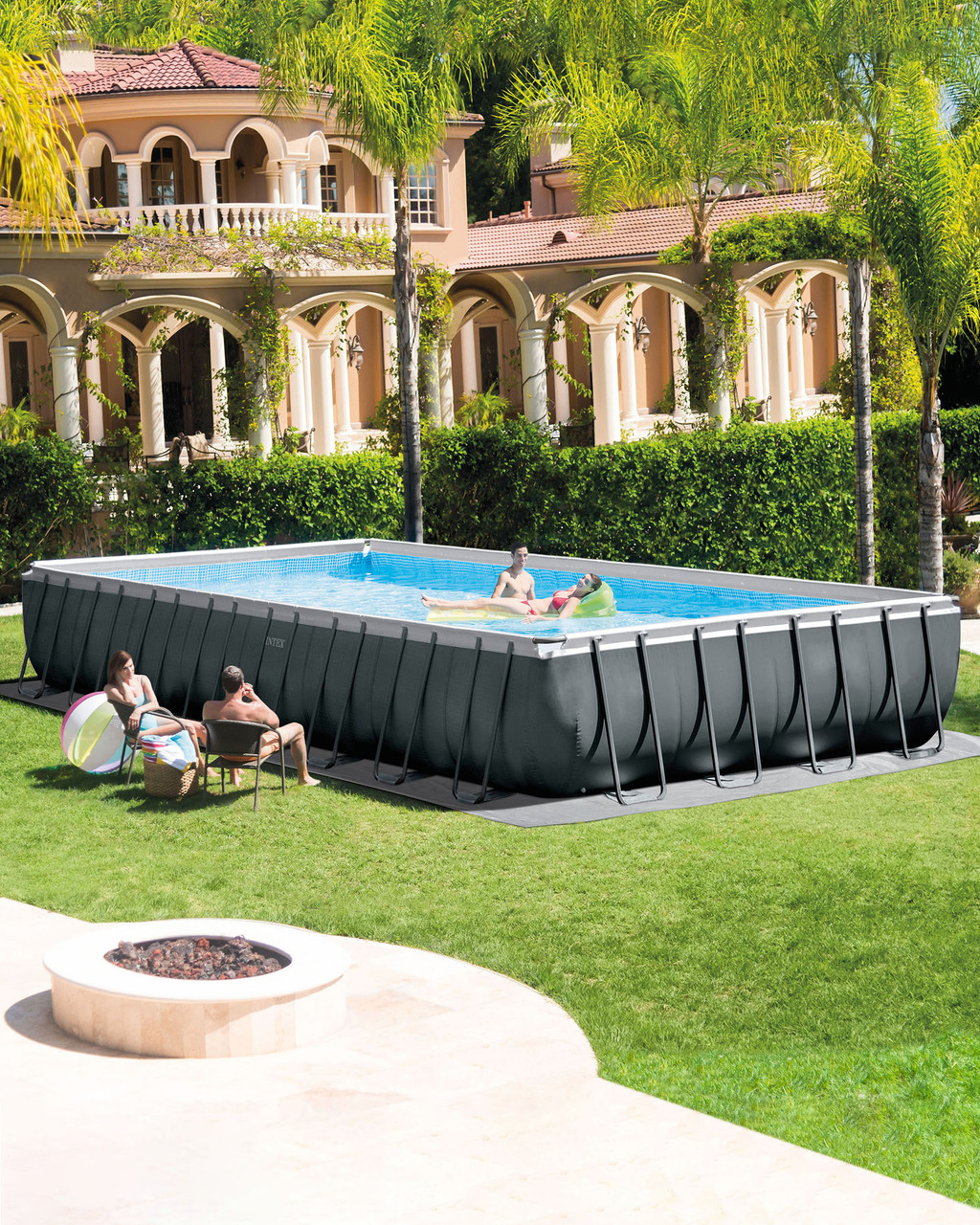
Credit: intexcorp.com
Cost And Budgeting For A 16 X 32 Intex Pool Deck
Building a deck is an investment. Costs depend on size, materials, and features. Here’s a rough breakdown:
| Deck Size | Material | Estimated Cost | Labor (DIY/Pro) |
|---|---|---|---|
| Full Wrap (16 x 32 ft) | Composite | $12,000-$18,000 | High/High |
| Partial Side (8 x 16 ft) | Treated Wood | $2,500-$5,000 | Medium/Low |
| Multi-Level (custom) | Mixed | $8,000-$15,000 | High/High |
DIY can save money, but it’s important to know your skill level. Mistakes—like poor drainage or weak railings—can be expensive and dangerous. If you’re not sure, hire a contractor with experience in pool decks.
Tip: Always budget 10–20% extra for surprises. Weather, delivery delays, or price changes happen more often than you think.
Installation Tips For Diy Builders
If you’re handy and want to build your own deck, start with a solid plan. Here’s a step-by-step overview:
- Get permits and check codes: Always follow local rules for deck height, railings, and safety.
- Mark and prepare the area: Clear grass and rocks, level the ground, and mark the deck outline with stakes and string.
- Build the frame: Use pressure-treated lumber for posts and joists. Make sure the frame is strong and level.
- Install deck boards: Lay boards perpendicular to the pool for a classic look. Leave small gaps (1/8 inch) for drainage.
- Add railings and steps: Secure all railings, and check that steps are even and safe.
- Finish with features: Add lighting, storage, and privacy screens last.
One non-obvious insight: double-check measurements before cutting expensive boards. Small errors add up fast on a big deck.
Maintenance And Care For Your Pool Deck
A well-built deck can last for decades, but it needs regular care. Here’s how to keep your deck looking and working its best:
- Sweep and clean weekly: Remove leaves, dirt, and debris before they stain or cause rot.
- Wash the deck: Use a hose and mild soap, or a power washer on low settings.
- Check for loose boards or nails: Fix problems before they get worse.
- Seal wood decks: Every year, apply a water-repellent sealer or stain to wood decks.
- Inspect for mold and mildew: Clean spots with vinegar or a gentle cleaner.
Composite decks need less maintenance, but still check for cracks or warping. Always follow the manufacturer’s instructions for cleaning and repairs.
Safety Considerations For Pool Decks
Safety is the most important part of any pool deck. Here’s what to focus on:
- Railings and gates: Always use railings on decks more than 24 inches high. Gates should self-close and latch.
- Non-slip surfaces: Use mats or textured boards near steps and entry points.
- Lighting: Light all walkways, steps, and the pool edge.
- Supervision: Never leave children alone near the pool, even with a gate.
One common mistake: skipping the final safety check. Walk the deck and imagine kids running, adults carrying trays, or pets exploring. Fix any hazards before opening your pool for the season.

Credit: intexcorp.com
Customizing Your Deck For Fun And Relaxation
A deck can be much more than a walkway. Here are ways to make your pool area a true retreat:
- Outdoor kitchen: Add a grill, prep table, or mini fridge for poolside snacks.
- Fire pit: Install a fire bowl or chiminea for evening gatherings.
- Sound system: Use weatherproof speakers for music or parties.
- Planters and greenery: Softens the look and gives privacy.
- Outdoor shower: Rinse off before or after swimming.
Remember, every feature adds cost and maintenance, so choose what really fits your lifestyle.
Inspiration: Real-life 16 X 32 Intex Pool Deck Designs
Looking for ideas? Here are three real-world examples:
- Family-Friendly Paradise: A full wraparound deck with wide steps, built-in benches, and a shaded lounge area. Features a locked gate and plenty of storage for toys and floats.
- Entertainer’s Dream: Partial side deck connected to a patio, with a pergola, outdoor kitchen, and string lights. Uses composite decking for easy cleaning.
- Compact Urban Oasis: Multi-level deck with privacy screens, a dining area, and removable panels for pool access. Designed for a small city yard.
You can find more inspiration and step-by-step guides at resources like This Old House.
Frequently Asked Questions
What Size Deck Do I Need For A 16 X 32 Intex Pool?
The ideal deck size depends on your yard and needs. A full wraparound deck (16 x 32 feet plus 3–6 feet around each side) gives the most space and access, but a partial deck (8–10 feet wide on one side) can work well for smaller spaces or budgets.
Always plan enough room for safe movement and furniture.
Can I Build A Deck Myself, Or Do I Need A Professional?
Many homeowners build their own pool decks, especially smaller or partial designs. If you’re comfortable with tools and basic carpentry, DIY is possible. For large, multi-level, or complex decks, hiring a pro ensures safety and code compliance.
What Is The Best Material For A Pool Deck?
Composite decking is popular for pool decks because it resists water, rot, and fading. Treated wood is more affordable but needs yearly maintenance. PVC and vinyl are also good options for durability and low maintenance. Always choose materials rated for outdoor and wet conditions.
How Do I Keep My Deck Safe For Children?
Use a child safety gate with a self-latching lock, secure railings, and a slip-resistant surface. Remove tripping hazards, add lighting, and always supervise kids around the pool. Regularly check for loose boards or sharp edges.
Do I Need A Permit To Build A Deck Around My Intex Pool?
Most towns and cities require a permit for decks over a certain height or size. Check with your local building department before starting. Permits ensure your deck meets safety codes and can prevent fines or forced removal later.
A well-designed deck transforms your 16 x 32 Intex pool into a safe, stylish, and welcoming space for family and friends. With careful planning and the right features, you’ll enjoy your pool all summer—and for many years to come.