
Owning a swimming pool brings joy and relaxation, but it also comes with maintenance tasks that many people overlook. One of these tasks is replacing the mastic around the pool—a key detail that keeps your pool area safe, clean, and looking great. If you’ve noticed cracks, gaps, or water loss near your pool deck, the mastic might need attention. But how much will it cost to replace, and what do you need to know before hiring someone or doing it yourself? Let’s look at all the details, costs, and tips to help you make the right decision for your pool.
What Is Pool Mastic And Why Does It Matter?
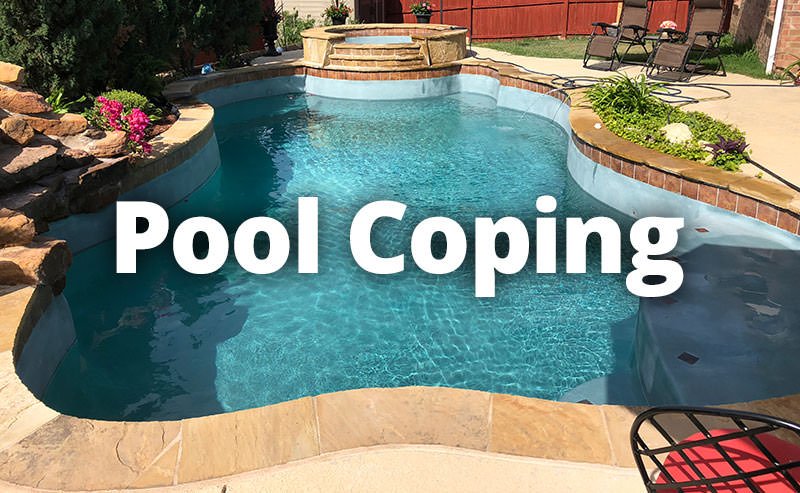
Pool mastic is a flexible, waterproof sealant that fills the joint between the pool coping (the edge of the pool) and the surrounding deck. This joint expands and contracts as temperatures change, and mastic absorbs that movement. Without it, water can seep under the deck, causing concrete to crack, tiles to shift, and even structural damage.
A good mastic joint prevents:
- Water from entering the ground below your pool deck
- Cracks due to freezing and thawing cycles
- Weeds and debris from growing in the gap
- Tripping hazards for swimmers
Mastic is not just a cosmetic detail—it’s a critical line of defense for your pool investment.
Why And When Does Pool Mastic Need Replacement?
Over time, pool mastic faces weather, UV rays, chemicals, and movement. This can cause it to:
- Crack or split
- Pull away from the deck or coping
- Dry out and lose flexibility
When mastic fails, you’ll see water escaping the pool, gaps along the pool edge, or weeds growing in the joints. Most experts recommend checking your mastic each year and replacing it every 5–10 years, depending on climate and pool usage.
Main Factors Affecting The Cost To Replace Pool Mastic
The cost to replace mastic around your pool is not one-size-fits-all. Several factors will shape your final bill. Let’s break down what really matters:
1. Pool Size And Perimeter Length
Most contractors charge by the linear foot of mastic that needs replacing. A small spa may only need 30 feet, while a large residential pool might need 100–150 feet or more. Measure the edge of your pool to estimate the total footage.
2. Type Of Deck Material
Different deck materials—like concrete, pavers, stone, or tile—can affect the price. Removing old mastic from rough surfaces or fragile tiles often takes more time and care.
3. Access And Preparation Work
If your pool is easy to access, costs are lower. But if workers must move heavy furniture, remove overgrown shrubs, or work in tight spaces, expect to pay more. Preparation may include:
- Cutting out old mastic
- Cleaning the joint
- Allowing the area to dry
4. Material Quality
Not all mastic is the same. High-quality, UV-resistant, self-leveling mastic costs more but lasts longer. Cheaper brands may need replacement sooner.
5. Labor Costs
Labor rates vary by location. Urban areas with a higher cost of living will see higher prices. Contractors with good reviews and insurance may charge more, but they often provide better results.
6. Extra Repairs
If water has damaged the pool deck or coping, additional repairs may be needed. This will increase the overall cost.
Average Cost To Replace Pool Mastic (2024 Data)
Most pool owners want a clear idea of what to budget. Here are the current average costs in the U.S. for pool mastic replacement:
| Service Type | Average Cost (Per Linear Foot) | Total Cost (for 100 ft) |
|---|---|---|
| Professional Installation | $10 – $20 | $1,000 – $2,000 |
| DIY (Materials Only) | $2 – $6 | $200 – $600 |
For a typical residential pool (80–150 linear feet), expect to pay between $800 and $3,000 for professional replacement. If you do it yourself, you could spend as little as $200 to $700—but only if you have the right tools and skills.
Professional Vs. Diy Pool Mastic Replacement
Deciding between hiring a pro or doing it yourself involves more than just price. Here’s how the two options compare:
| Aspect | Professional Replacement | DIY Replacement |
|---|---|---|
| Skill Required | Minimal (handled by pros) | High (precise work needed) |
| Cost | Higher | Lower |
| Warranty | Often included (1–5 years) | None |
| Time Needed | 1–2 days | 2–4 days (including curing) |
| Risk of Mistakes | Low | High (may lead to leaks) |
Non-obvious insight: Many first-time DIYers underestimate how tricky it is to get a smooth, even bead of mastic. If the joint is not perfectly clean and dry, the mastic may not bond well, leading to early failure.
Step-by-step: How Pool Mastic Replacement Works
If you want to understand what’s involved (or try it yourself), here’s a practical breakdown:
1. Inspection
Check the entire perimeter. Look for cracks, gaps, loose pieces, or areas where mastic is missing.
2. Removal Of Old Mastic
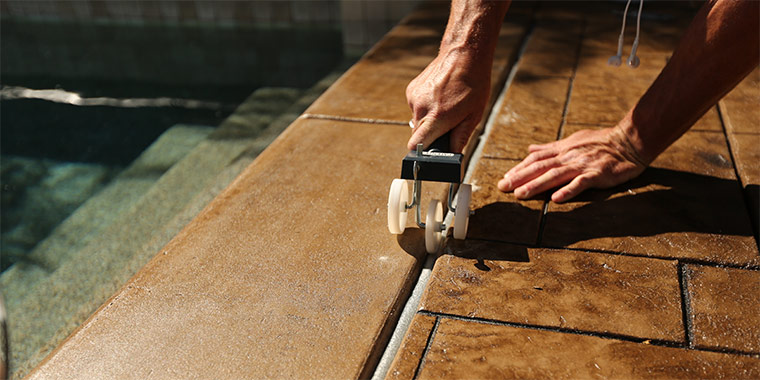
Use a utility knife, oscillating tool, or specialized joint saw to cut out the old mastic. It’s important to remove all debris, old sealant, and weeds.
3. Cleaning The Joint
Vacuum the joint or use a blower. Any dust, dirt, or moisture can weaken the bond.
4. Drying
Let the area dry completely—sometimes for a day or more. Moisture trapped under new mastic can cause bubbling or poor adhesion.
5. Installing Backer Rod (if Needed)
A backer rod (a foam rope) is often inserted in deep joints to control the amount of mastic used and support the sealant.
6. Applying New Mastic
Use a self-leveling pool mastic from a caulking gun or pourable bottle. Work in small sections to ensure a smooth, consistent joint.
7. Tooling And Smoothing
Quickly smooth out the mastic with a wet tool or finger. Remove any excess before it dries.
8. Curing
Let the new mastic cure as recommended (usually 24–48 hours) before walking on the deck or refilling the pool.
Non-obvious insight: Humidity and temperature affect drying time. If it’s too cold or wet, curing may take longer and the seal may be weaker.
Credit: willshapools.com
Detailed Cost Breakdown: What Are You Paying For?
Let’s dig deeper into the actual costs you might see on your bill.
Labor
Most of the price comes from labor. Contractors may charge $50–$100 per hour. Removing old mastic, cleaning, and installing new sealant can take 6–12 hours for an average pool.
Materials
Self-leveling mastic usually costs $12–$25 per tube (10 oz). A medium pool may need 12–20 tubes. Backer rod and joint cleaning tools add another $30–$100.
Disposal
Some pros charge a fee for hauling away old mastic and debris. Expect $50–$100 if your area has strict disposal rules.
Travel And Setup
If your pool is in a remote location or a hard-to-access backyard, you may pay an extra $100–$300 for travel time and setup.
Warranty
Many pros include a 1–5 year warranty. This gives peace of mind but adds a bit to the price.
Cost By Region: How Location Changes The Price
Prices can vary a lot depending on where you live. Here’s a general idea:
- West Coast (California, Oregon, Washington): $12–$22/linear foot
- Midwest (Illinois, Ohio, Michigan): $9–$17/linear foot
- Northeast (New York, New Jersey): $14–$25/linear foot
- South (Texas, Florida, Georgia): $10–$18/linear foot
In areas with a short pool season, contractors may be busier in spring and summer, leading to higher prices during those months.
How To Save Money On Pool Mastic Replacement
You don’t have to overpay for quality work. Here are some smart tips:
- Get multiple quotes. Prices can vary by $500 or more for the same job.
- Schedule off-season. Late fall or early spring is often cheaper.
- Bundle repairs. If you need other pool work done, ask for a package deal.
- DIY prep work. Some pros will lower the price if you remove furniture or old mastic yourself.
- Use quality materials. Higher upfront cost, but less frequent replacement.
Signs Your Pool Needs Mastic Replacement Now
Some pool owners wait too long and end up with bigger, costlier problems. Watch for these signs:
- Water loss that isn’t due to evaporation
- Visible cracks or gaps in the mastic joint
- Loose or shifting deck tiles near the pool
- Weeds or grass growing in the pool joint
- Pool deck heaving or settling
If you see these issues, act quickly. Delaying can lead to deck damage, which costs far more to repair.
Common Mistakes To Avoid
Many people make avoidable errors when replacing mastic. Here’s what to watch out for:
- Skipping surface prep. Failing to remove old sealant and clean the joint leads to poor adhesion.
- Applying mastic in wet or cold conditions. This causes bubbling, cracks, or early failure.
- Not using a backer rod. Deep joints without support use too much mastic and may crack.
- Walking on mastic too soon. This ruins the finish and can leave footprints or dents.
- Choosing the cheapest materials. Saving $100 now can mean replacing mastic again in two years.
How Mastic Replacement Protects Your Pool Investment
While it seems like a small detail, pool mastic plays a big role in keeping your pool safe and long-lasting. Replacing worn mastic:
- Protects your pool deck from water damage and erosion
- Prevents expensive repairs to coping, tiles, and concrete
- Reduces the risk of slips, trips, and falls
- Keeps your pool area looking sharp
Think of mastic like the seal on your car windshield—small, but essential for comfort and protection.
When To Hire A Pool Professional
Even if you’re handy, mastic replacement is not for everyone. Hire a pro if:
- You have a large pool or complex deck shape
- The deck is made from expensive materials (like flagstone or mosaic tile)
- You need fast results (for a party or home sale)
- You want a warranty
Look for a contractor who:
- Has experience with pool mastic
- Is licensed and insured
- Offers a clear, written estimate
- Has positive reviews or references
Ask about the type of mastic they use and how long the job will take.
Diy Pool Mastic Replacement: Tools And Materials Checklist
If you’re ready to try this yourself, make sure you have:
- Utility knife or joint saw
- Oscillating tool (for tough removal)
- Shop vacuum or leaf blower
- Backer rod (correct diameter for your joint)
- Self-leveling pool mastic (enough for your pool’s perimeter)
- Caulking gun (heavy-duty)
- Painter’s tape (for clean edges)
- Rubber gloves and safety glasses
- Clean rags and water
Read the manufacturer’s instructions and watch tutorials before starting. Mistakes can be hard to fix once the mastic sets.
How To Measure Your Pool For Accurate Cost Estimates
Before calling contractors or buying materials, measure your pool’s perimeter. Here’s how:
- Use a soft tape measure (the kind used for sewing) or a flexible wheel.
- Start at one point on the coping and follow the edge all the way around.
- For rectangular pools: Add the lengths of all four sides.
- For freeform or kidney-shaped pools: Go slowly and keep the tape snug to the edge.
Write down the total in linear feet. This number will help you get accurate quotes and avoid buying too much or too little material.
How Long Does Pool Mastic Last?
With proper installation, good pool mastic should last 5–10 years. Factors that shorten its life include:
- Harsh sunlight (UV rays)
- Regular freeze/thaw cycles
- Heavy use of chemicals or saltwater
- Poor installation or cheap materials
Inspect your mastic each spring and after big storms. Fixing small sections early is cheaper than waiting for widespread damage.

Credit: www.reddit.com
Comparing Pool Mastic To Other Joint Sealants
Some pool owners wonder if they can use other sealants instead of mastic. Here’s a quick comparison:
| Sealant Type | Flexibility | Waterproof | UV Resistance | Typical Lifespan |
|---|---|---|---|---|
| Pool Mastic | High | Excellent | Excellent | 5–10 years |
| Silicone Caulk | Medium | Good | Fair | 2–4 years |
| Polyurethane Sealant | High | Good | Good | 5–7 years |
| Latex Caulk | Low | Poor | Poor | 1–2 years |
Pool mastic is specially made for the movement and water exposure around pools. Other types may fail sooner, costing you more in the long run.
Questions To Ask Your Pool Mastic Contractor
Before hiring someone, ask:
- How many pool mastic jobs have you done?
- What brand/type of mastic do you use?
- Is backer rod included if needed?
- How do you handle cleanup and disposal?
- Is there a warranty? What does it cover?
- How long before I can use the deck/pool?
A good contractor will answer clearly and provide a written estimate.
Real-world Example: Cost Breakdown For A 100-foot Pool
Let’s say you have a 100-foot pool perimeter and want to hire a professional:
- Labor: 10 hours x $80/hour = $800
- Materials: 15 tubes x $20 = $300
- Backer rod and tools: $75
- Cleanup/disposal: $75
- Travel/setup: $100
Total: $1,350
If you did this yourself:
- Materials: $300
- Backer rod/tools: $75
- No labor or travel charges
Total: $375
But remember, DIY mistakes can cost more if you need to redo the job or hire a pro to fix errors.
Maintenance Tips To Make Your Pool Mastic Last Longer
Protect your investment with these habits:
- Keep the joint clear of dirt and leaves
- Don’t use power washers directly on the mastic
- Avoid harsh chemicals near the joint
- Check for cracks every spring and after storms
- Fix small problems early to avoid big repairs
Credit: www.restoracrete.com
Where To Find Reliable Pool Mastic Contractors
Ask neighbors, your pool supply store, or check online for pool contractors with good reviews. Make sure they are insured and have experience with your type of pool. You can also check resources like the Association of Pool & Spa Professionals for certified pros.
What To Read Next
If you want more details about pool care or deck maintenance, the National Plasterers Council offers helpful guides. You can also read about pool mastic at this trusted Wikipedia resource.
Frequently Asked Questions
How Often Should Pool Mastic Be Replaced?
Most pool owners should replace mastic every 5–10 years. Inspect your pool each year and look for cracks, gaps, or water loss. Climate, sun exposure, and pool use can shorten this timeline.
Can I Use Regular Silicone Caulk Instead Of Pool Mastic?
No. Pool mastic is designed for flexibility, water exposure, and UV resistance. Regular silicone caulk may fail quickly, leading to leaks and damage.
Is It Worth Hiring A Professional For Mastic Replacement?
For most people, yes. Pros have the right tools, skills, and materials for a long-lasting seal. DIY can save money but risks mistakes that cost more to fix later.
How Long Does New Pool Mastic Take To Cure?
Most self-leveling pool mastics need 24–48 hours to fully cure, depending on temperature and humidity. Avoid walking on or getting the joint wet during this time.
What Happens If I Don’t Replace Cracked Pool Mastic?
Ignoring cracked or missing mastic can lead to water leaks, deck damage, loose tiles, and even costly structural problems. It’s better to fix mastic now than face big repair bills later.
Keeping your pool safe and beautiful means paying attention to details like mastic. With the right information, you can make a smart choice—protecting your pool and your wallet for years to come.