
Swim right after adding ascorbic acid**. Waiting is important for your health and for the pool’s condition. It’s best to give the pool time to rebalance before you jump in. Let’s look closer at what you should do, how long to wait, and how to make your pool safe and ready for swimming after using ascorbic acid.
—
How Long Should You Wait Before Swimming?
Many pool owners wonder exactly how long they need to wait after adding ascorbic acid. The answer depends on how quickly you can restore the pool’s chemistry to safe levels. It’s not just about the acid itself; it’s about the water balance as a whole.
The General Rule
Most experts recommend waiting at least 24 hours after adding ascorbic acid. But this is just a starting point. The true test is not the clock, but the pool’s water quality. You should only swim when:
- PH is between 7.2 and 7.6: This range is gentle on skin and eyes.
- Chlorine is back to 1–3 ppm: This ensures the water is sanitized and safe.
- Ascorbic acid is fully dissolved: There should be no powder left floating or sitting on the pool floor.
Why Timing Matters
If you swim too soon, you risk discomfort and even health problems:
- Eye and skin irritation: Low pH water can sting.
- Infections: Low chlorine means germs are not killed.
- Stains: Your swimsuit or hair could pick up dissolved metals.
Sometimes, the pool may take longer than 24 hours to rebalance, especially if the initial chemistry was off or if you added a large amount of ascorbic acid.
How To Check If It’s Ready
Don’t guess. Use pool test kits or test strips to check:
- PH (should be 7.2–7.6)
- Chlorine (should be 1–3 ppm)
- Clarity (water should be clear, not cloudy)
If any value is still off, wait longer and adjust the water as needed.
Pro Tip
If you don’t own a good test kit, many pool stores will test a sample for you, often for free. It’s worth the peace of mind.
—
Step-by-step: What To Do After Adding Ascorbic Acid
Using ascorbic acid is just one part of the stain removal process. What you do after matters just as much. Follow these steps to restore your pool’s chemistry and make it safe for swimming.
1. Let Ascorbic Acid Work
Allow the ascorbic acid to circulate for 12–24 hours. During this time, it will react with the metals and help dissolve stains. Run your pool pump and filter to keep the water moving.
Important Tip
Do not add chlorine or raise pH during this stage. Ascorbic acid needs a low-chlorine, low-pH environment to work well.
2. Add A Metal Sequestrant
Once stains are gone, add a metal sequestrant. This chemical keeps dissolved metals from settling back on pool surfaces. It binds metals so your filter can remove them.
- Use a sequestrant made for pools.
- Follow the label instructions for dosing.
- Keep the pump running for good mixing.
3. Slowly Restore Ph
After stains are lifted and metals are treated, it’s time to bring the pH back up. Add a pH increaser (like soda ash or baking soda) slowly. Test the water after each addition.
- Raise pH back to 7.2–7.6.
- Go slowly to avoid a sudden spike.
4. Reintroduce Chlorine
Once pH is normal, you can start adding chlorine again. Do this gradually, as ascorbic acid will still neutralize some chlorine at first.
- Add small amounts, test, and repeat until chlorine stays at 1–3 ppm.
5. Final Check
Test pH and chlorine again after a few hours. If both are in the safe range, your pool is ready for swimming.
—

Credit: www.amazon.com
What Happens If You Swim Too Soon?
You may be tempted to swim before the pool is fully ready. This is risky, and here’s why:
Skin And Eye Irritation
Low pH water is acidic. It can cause:
- Red, itchy eyes
- Dry, irritated skin
- Burning sensation, especially for children
Germs And Bacteria
When chlorine is low or gone, bacteria and algae can multiply fast. This raises the risk of:
- Ear infections (“swimmer’s ear”)
- Skin rashes
- Stomach bugs if you swallow water
Staining
Dissolved metals can stain:
- Swimsuits (turning them orange, green, or brown)
- Blonde hair (giving it a greenish tint)
- Pool toys and floats
These stains are hard to remove and can ruin your gear.
Pool Damage
Swimming too soon can also make pool stains return. Oils, lotions, and sweat from swimmers can interact with metals, causing them to settle back on surfaces.
—
How Ascorbic Acid Compares To Other Pool Chemicals
Many pool owners wonder if ascorbic acid is better or worse than other stain removers. Here’s what sets it apart:
Ascorbic Acid (vitamin C)
- Gentle on pool surfaces: Less risk of etching or fading.
- Quick results: Stains often fade in hours.
- Safe for most pools: Works in vinyl, fiberglass, and plaster pools.
- Easy to use: Just sprinkle and wait.
Other Stain Removers
- Citric acid: Similar to ascorbic acid but may lower pH even more.
- Commercial stain removers: Some use strong acids or chemicals that can harm pool finishes.
- Metal out products: Usually prevent stains but may not remove existing ones.
Chlorine Shock
- Not for metal stains: Chlorine can actually make metal stains worse by oxidizing metals and setting them into surfaces.
- Used for algae and bacteria, not metals.
Non-obvious Insight
Many beginners try to shock their pool to remove stains, but this often makes stains darker and harder to remove. Ascorbic acid works by reducing (dissolving) the metals, not oxidizing them.
—
Common Mistakes When Using Ascorbic Acid
Even though ascorbic acid is easy to use, many pool owners make mistakes that cause new problems. Avoid these common errors:
1. Not Balancing Water After Treatment
Some people forget to raise pH or chlorine after using ascorbic acid. This leaves the pool unprotected and can lead to algae or cloudy water.
Solution: Always test and adjust both pH and chlorine before swimming.
2. Adding Too Much Ascorbic Acid
More is not always better. Excess acid can make it hard to restore pH and chlorine. It may also use up all the pool’s alkalinity.
Solution: Follow package directions and use only as much as needed.
3. Skipping The Metal Sequestrant
Without a sequestrant, dissolved metals can redeposit as new stains.
Solution: Always add a quality sequestrant right after stains fade.
4. Swimming Too Soon
This can lead to irritation and stains on hair or suits.
Solution: Wait until water balance is restored and all tests are normal.
5. Not Running The Pump
Ascorbic acid and sequestrants need good circulation to work. If water is not moving, chemicals won’t mix and stains may not fully dissolve.
Solution: Run the pump and filter throughout the process.
—
How To Test Pool Water After Ascorbic Acid
Testing is the only way to know if your pool is safe. Here’s how to do it right:
What To Test For
- PH: Should be 7.2–7.6.
- Chlorine: Should be 1–3 ppm.
- Alkalinity: Should be 80–120 ppm.
- Metals: Optional, but helpful if you have a test kit.
Types Of Test Kits
- Test strips: Quick and easy, but less precise.
- Liquid test kits: More accurate, especially for pH and chlorine.
- Digital testers: Best for those who want precision.
How Often To Test
- Right after adding ascorbic acid (to see the drop).
- 12 hours later.
- After adding pH increaser.
- After reintroducing chlorine.
- Before swimming.
Pro Tip
Take notes of your test results. This helps you learn how your pool responds and adjust your treatment next time.
—

Credit: www.amazon.com
Real-life Example: Clearing Iron Stains
Let’s say your pool develops brown stains from iron. Here’s how you could use ascorbic acid:
- Turn off chlorine generator (if you have a salt system) or stop adding chlorine.
- Lower pH to about 7.2 if it’s higher.
- Sprinkle ascorbic acid (about 1/2 pound per 10,000 gallons) over stains.
- Brush stains lightly to help dissolve.
- Let pump run for 12–24 hours.
- Add a metal sequestrant once stains are gone.
- Slowly raise pH with soda ash.
- Reintroduce chlorine in small doses.
- Test water until all values are back to normal.
- Swim only when water is clear and tests are in the safe range.
Non-obvious Insight
If you have a cartridge or DE filter, clean it after treatment. Metals can get trapped in the filter and cause problems later.
—
Tips For Preventing Metal Stains In The Future
After you fix stains with ascorbic acid, you’ll want to keep them from coming back. Here’s how:
1. Test Fill Water
Many stains come from metals in your tap or well water. Test your water before refilling or topping off the pool.
- If it’s high in iron or copper, use a metal remover when adding new water.
2. Use A Sequestrant Regularly
Add a maintenance dose of sequestrant every week or month, based on your pool size and local water.
3. Avoid Metal Algaecides
Some algaecides contain copper, which can cause new stains. Choose copper-free products.
4. Monitor Ph And Chlorine
Keep pH and chlorine in the recommended range. High pH can cause metals to fall out of solution and stain.
5. Clean Filters Often
Metals can build up in filters, especially after treatment. Backwash or clean your filter as part of your regular routine.
6. Use Pool-grade Ascorbic Acid
Don’t use vitamin C tablets from the store. Pool-grade ascorbic acid dissolves better and is made for large volumes of water.
—
Is Ascorbic Acid Safe For All Pools?
Most pools can safely use ascorbic acid. However, there are a few cases to watch out for:
- Saltwater pools: Safe, but remember to turn off the chlorine generator during treatment.
- Vinyl pools: Safe and gentle, but don’t use too much acid.
- Fiberglass pools: Works well and will not scratch the surface.
- Plaster pools: Safe, but always follow dosing instructions.
Precautions
- Don’t use ascorbic acid if your pool chemistry is already way out of balance.
- Never mix ascorbic acid with other chemicals at the same time.
- Store ascorbic acid in a cool, dry place, away from kids and pets.
—
Frequently Asked Questions About Ascorbic Acid In Pools
Can I Use Ascorbic Acid If I Already Have Algae?
No. You must treat and remove algae first. Ascorbic acid works best in clear water. Otherwise, the treatment will be less effective, and stains may return.
How Much Ascorbic Acid Should I Use?
Most products recommend about 1/2 pound per 10,000 gallons of water, but always follow the product instructions.
Does Ascorbic Acid Affect My Pool Heater Or Equipment?
No, as long as you return the pH and chlorine to normal after treatment. Extended low pH can damage metal parts, so don’t delay rebalancing.
Can I Swim If The Water Looks Clear But Ph Is Low?
No. Clear water can still be harsh on skin and eyes if pH is below 7. 2.
Where Can I Learn More?
You can find more detailed water chemistry information at [Centers for Disease Control and Prevention (CDC): Healthy Swimming](https://www.cdc.gov/healthywater/swimming/index.html), a trusted source for pool safety.
—
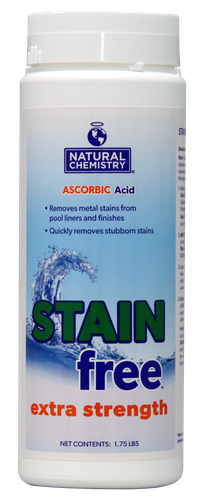
Credit: naturalchemistry.com
Key Takeaways
- Ascorbic acid is an effective, gentle stain remover for pools, but it temporarily changes water chemistry.
- You should not swim until pH and chlorine are restored to safe levels—usually at least 24 hours after treatment.
- Always use a metal sequestrant and test your water before swimming again.
- Avoid common mistakes like adding too much acid or skipping the rebalancing steps.
- Prevent future stains by managing metals, using sequestrants, and keeping your water balanced.
By following these steps and understanding the science behind ascorbic acid in pools, you can enjoy a clean, safe, and stain-free pool all season long.