
Filling Pool With Hard Water
Filling your pool is always a big moment. You look forward to clear blue water, relaxing swims, and fun with friends and family. But what if your tap water is hard water? In many areas, water contains high levels of minerals like calcium and magnesium. This is called “hard water,” and it can cause some problems for your pool if you don’t prepare well.
Many new pool owners are surprised by the extra work and risk that comes with filling a pool using hard water. The water may look clean at first, but over time, you might notice cloudy water, rough surfaces, or even damaged equipment.
Some people think hard water is not a big deal, but ignoring it can cost you money and time later. In fact, understanding how to handle hard water before you fill your pool can prevent years of trouble.
This guide will walk you through everything you need to know about filling a pool with hard water. You’ll learn how to test your water, what problems to expect, ways to treat and manage hard water, and how to keep your pool healthy and safe for swimming.
We will cover both the science and the simple, practical steps. If you want your pool to stay beautiful and last for years, this is the place to start.
What Is Hard Water?
Hard water is water that contains a high amount of dissolved minerals, mainly calcium and magnesium. These minerals come from rocks and soil as water passes through them. The “hardness” of water is measured in parts per million (ppm) or milligrams per liter (mg/L). Water is considered hard if it has more than 120 ppm of calcium carbonate. In some regions, water can be “very hard,” with over 180 ppm.
You can often tell you have hard water if you see white spots on faucets, cloudy glassware, or a chalky buildup in your kettle. These are signs of mineral deposits, also called scale. In a pool, these minerals can cause even bigger problems.
Why Does Hard Water Matter For Pools?
Pools are complex systems. They need the right balance of pH, alkalinity, and calcium hardness. If the water is too hard, it can:
- Cause scaling (hard, rough deposits) on the pool walls and floor
- Make water cloudy or milky
- Block pipes, filters, and heaters with mineral buildup
- Shorten the life of pool equipment
- Make pool surfaces feel rough or sharp
Hard water also makes it harder to keep other chemicals balanced. For example, chlorine may not work as well, and you may need to use more chemicals to control pH or algae.
Many people ignore hard water at first because problems develop slowly. But the damage can be serious and expensive to fix. A pool filled with hard water can look fine for weeks or months but then suddenly develop scale or cloudy water.
Preventing these problems is easier and cheaper than fixing them later.

Credit: www.amazon.com
Testing Your Water Before Filling The Pool
Before you fill your pool, always test your water. This step helps you know what you’re dealing with. Don’t rely on your water company’s report alone—local water can vary even within one neighborhood.
How To Test For Hard Water
- Buy a pool water test kit that measures calcium hardness. Many kits also test for pH, chlorine, and alkalinity.
- Collect a water sample from the tap you’ll use to fill the pool. Use a clean container.
- Follow the kit instructions to measure calcium hardness. Most kits use drops or test strips.
- Record the results in ppm or mg/L.
If your calcium hardness is over 200 ppm, your water is considered hard. Over 400 ppm is very hard and will need special care.
Other Important Water Tests
Besides hardness, check:
- PH (ideal: 7.2–7.6)
- Total alkalinity (ideal: 80–120 ppm)
- Metals like iron or copper (can cause stains)
Testing these before you fill the pool helps you plan the right treatment.
Problems Caused By Filling A Pool With Hard Water
Filling a pool with hard water doesn’t cause problems right away. But after days or weeks, you may notice:
Scaling
Scaling is the number one issue. Calcium and magnesium come out of the water and stick to surfaces. You’ll see white, gray, or brownish deposits along the water line, steps, or even on metal ladders. Over time, scale makes pool walls rough and can even cut your feet.
Cloudy Water
High calcium levels make it easy for small particles to form. These float in the water and make it look cloudy or dull. Even if you add chemicals, the water may never look truly clear.
Damaged Equipment
Pumps, filters, and heaters can get clogged with mineral deposits. This makes them work harder, use more energy, and fail sooner. Heat exchangers in pool heaters are especially at risk, as scale acts like insulation and blocks heat flow.
Stained Surfaces
Hard water can react with metals like iron or copper, creating colored stains. These can be hard to remove once they set in.
Chemical Imbalance
High calcium means you need to adjust your pool chemicals more often. PH can rise quickly, chlorine can be less effective, and you may see more algae growth.
Swimmer Discomfort
Rough surfaces and sharp scale can hurt swimmers’ feet or hands. Also, hard water can make your skin feel dry and itchy after swimming.
How To Fill A Pool With Hard Water: Step-by-step
If you have hard water, you can still fill your pool. You just need to take some extra steps to prevent problems.
1. Test And Record Your Water
Start by measuring the calcium hardness, pH, and alkalinity. Write down the numbers so you can track changes over time.
2. Choose How To Fill
You have a few options:
- Fill with your tap/hose water and treat the pool after filling (most common)
- Bring in water from a pool supply company (sometimes possible in very hard water areas)
- Mix tap water with soft water if you have a home water softener (rare, as softeners are usually slow and not made for large volumes)
Most people use their hose because it’s cheaper and faster. Just be ready to treat the water after.
3. Add Water Slowly
Fill the pool slowly if you can. This helps you mix chemicals as you go, rather than having to fix problems in a full pool.
4. Add A Metal Sequestrant
A sequestrant is a chemical that grabs and holds minerals, keeping them dissolved so they don’t form scale. Add it as soon as the pool starts filling, following the label instructions. Re-dose as needed.
5. Balance Ph And Alkalinity
Test pH and alkalinity as the pool fills. Hard water often has high pH, so you may need to add muriatic acid or sodium bisulfate to lower it. Keep pH in the 7.2–7.6 range and alkalinity at 80–120 ppm.
6. Test Calcium Hardness
Once the pool is full, test calcium hardness again. If it’s above 400 ppm, you’ll need to take action (see next section).
7. Add Chlorine And Other Start-up Chemicals
Once pH and alkalinity are right, add chlorine and stabilizer as needed. Always check labels and don’t mix chemicals directly.
8. Watch For Problems In The First Weeks
Monitor the pool daily for the first two weeks. Look for scale, cloudy water, or rising pH. Keep up with your chemical routine and adjust as needed.
Dealing With High Calcium: Solutions And Strategies
If your calcium hardness is above 400 ppm, you need to control it. There are several ways to manage high calcium in a pool.
Dilution
The simplest way is to dilute the water by draining part of the pool and refilling with softer water. This works best if you can access water with lower calcium. Sometimes, you can use rainwater if available.
Example:
If your pool has 600 ppm calcium and you want to reach 300 ppm, you need to remove and replace half the water. This is not always practical, especially in areas with water restrictions.
Use A Flocculant
A flocculant is a chemical that clumps calcium particles together, making them easier to filter out. This can help clear cloudy water but won’t reduce dissolved calcium.
Install A Pool Water Softener
Some pool owners install water softeners that treat water as it enters the pool. These systems use salt to remove calcium and magnesium. They can be expensive and may not handle the large volume of a full pool quickly.
Regular Sequestrant Use
Continue to use a sequestrant on a regular schedule. This is essential for pools with hard water. It won’t lower calcium, but it prevents scale.
Reverse Osmosis
Reverse osmosis (RO) is a special filtration process that removes minerals from water. Some companies offer mobile RO services for pools. They come to your home, filter your pool water, and return it cleaner and softer. This is very effective but can be costly.
Use Low-calcium Fill Water When Possible
If you have access to water with lower calcium (from a neighbor, water delivery, or rain), use that to top off your pool when water evaporates. Over time, this can lower the overall hardness.
Ongoing Maintenance For Pools With Hard Water
Once your pool is full, you need to adjust your maintenance routine to prevent problems from coming back.
Test Water Often
Check calcium hardness, pH, and alkalinity every week—more often during hot weather or after big rainstorms. Hard water tends to drift out of balance quickly.
Maintain Lower Ph
Keep your pH at the lower end of the range (7. 2–7. 4) to prevent scale. The higher the pH, the more likely calcium will fall out of solution and form deposits.
Brush Pool Surfaces Regularly
Brush tiles, walls, and steps at least once a week. This keeps scale from building up, especially at the waterline.
Clean Filters More Often
Mineral deposits can clog filters faster. Clean or backwash your pool filter as needed—often twice as often as with soft water.
Use A Sequestrant
Keep using a sequestrant, especially after adding new water or treating algae. This is your best defense against scale.
Watch For Evaporation
As water evaporates, minerals stay behind. Over time, this makes water even harder. Top up your pool with the softest water you can, and consider partial drains if levels get too high.
Check Equipment
Inspect pumps, heaters, and saltwater generators for signs of scale. Clean as needed to avoid damage.
Common Mistakes Pool Owners Make With Hard Water
It’s easy to make mistakes when dealing with hard water. Here are some to avoid:
- Ignoring the problem: Many owners don’t test for hardness or think it’s not important. This leads to scaling and expensive repairs later.
- Adding more chemicals instead of balancing: Throwing in more chlorine or acid can make things worse if the real issue is high calcium.
- Not using a sequestrant: This is a must for hard water pools, not just a “nice-to-have.”
- Letting pH run high: High pH increases scaling risk. Aim for the lower end of the safe range.
- Waiting until you see problems: By the time you notice scale or cloudy water, damage is already done. Prevent problems by regular testing and adjustment.
Comparing Hard Water Vs. Soft Water Pools
If you’ve always lived with hard water, you might wonder how it compares to soft water in a pool. Here’s a look at key differences:
| Feature | Hard Water Pool | Soft Water Pool |
|---|---|---|
| Calcium Hardness | High (200–400+ ppm) | Low (150–250 ppm) |
| Risk of Scale | High | Low |
| Water Clarity | Can be cloudy | Usually clear |
| Equipment Lifespan | Shorter (if not managed) | Longer |
| Skin Feel | Rough, can cause dryness | Smoother, more comfortable |
| Maintenance Needed | High | Lower |
Choosing The Right Chemicals For Hard Water Pools
The chemicals you use in a hard water pool are important. Here’s what to focus on:
Ph Reducers
- Muriatic acid or dry acid (sodium bisulfate) helps keep pH in check.
- Add small amounts at a time and retest often.
Sequestrants
- Essential for binding calcium and preventing scale.
- Brands: ProTeam Metal Magic, Jack’s Magic The Blue Stuff, or similar.
- Reapply as directed, especially after adding fresh water.
Algaecides
- Hard water can make it easier for algae to grow.
- Use a polyquat algaecide, not copper-based (copper can stain).
Clarifiers
- Help clear cloudy water by grouping small particles so filters can remove them.
- Use only as needed, not every week.
Flocculants
- Useful if water becomes very cloudy.
- Follow label instructions carefully.
Calcium Reducers
- Some specialty chemicals claim to lower calcium. Results can vary. Always test before and after.
| Chemical Type | Main Purpose | When to Use | Notes |
|---|---|---|---|
| Sequestrant | Prevents scale | Weekly/after adding water | Must reapply regularly |
| pH Reducer | Lowers pH | When pH > 7.6 | Test pH before/after |
| Flocculant | Clears cloudy water | As needed | Vacuum after use |
| Algaecide | Prevents algae | Weekly in summer | Avoid copper-based |
Long-term Strategies For Pools In Hard Water Areas
If you live in a hard water area, it’s not enough to fix problems once. You need a plan for the long haul. Here’s what experienced pool owners do:
Plan For Partial Water Changes
Every few years, plan to drain part of your pool and refill with the softest water you can find. This keeps calcium from reaching dangerous levels.
Invest In Good Test Kits
Cheap test strips may not be accurate for high calcium. Buy a liquid test kit that measures up to at least 800 ppm.
Build A Relationship With A Pool Store
A local pool supply store can test your water and give advice. They can spot problems you might miss.
Consider A Pool Cover
Covers slow down evaporation, meaning you add less hard water and need fewer chemicals.
Monitor Weather
Heavy rains can help by diluting your pool. Don’t let the pool overflow—drain off a few inches to make room for fresh rainwater.
Learn To Read Your Pool
With practice, you’ll spot early signs of scale or cloudy water. Trust your eyes as well as your test kit.
Keep Records
Write down your test results, chemical doses, and any problems. This helps you see trends and fix small issues before they become big ones.
Special Considerations For Different Pool Types
Not all pools are the same. Hard water affects pools differently depending on the material and system you use.
Plaster Pools
Plaster is especially sensitive to high calcium. Too much hardness can cause scaling, but too little can make plaster dissolve. Keep calcium in the 200–400 ppm range for best results.
Vinyl Pools
Vinyl liners are less likely to scale, but calcium can still build up on ladders, steps, and fittings. Always use a sequestrant.
Fiberglass Pools
Fiberglass surfaces show scale quickly as white spots. These are hard to remove without damaging the surface, so prevention is key.
Saltwater Pools
Saltwater systems (chlorine generators) are at special risk. Scale can form on the generator cell, making it less efficient. Clean the cell as directed and keep calcium below 400 ppm if possible.
How Hard Water Affects Pool Heaters And Filters
Pool heaters and filters are expensive to repair or replace. Hard water is a leading cause of damage.
Pool Heaters
Calcium scale can coat heater pipes, acting like insulation. This means the heater works harder, uses more energy, and may fail early. A heater can lose up to 30% efficiency from scale buildup.
Filters
Sand and cartridge filters can get clogged with minerals. This reduces water flow and can damage the filter media.
Example:
A pool in Phoenix, Arizona with 450 ppm calcium needed a new heater after only three years due to untreated hard water. Regular use of a sequestrant and keeping pH low would have doubled the lifespan.
Environmental And Cost Considerations
Treating hard water costs money and can have an impact on the environment.
- More chemicals: You’ll use more acid, sequestrant, and cleaning products.
- More water: Dilution means draining and refilling, which may be limited in drought-prone areas.
- Energy use: Equipment runs longer and less efficiently with scale buildup.
If you live where water is scarce or expensive, consider these costs before filling your pool. In some cases, it may make sense to use a professional water delivery service or invest in water treatment equipment.
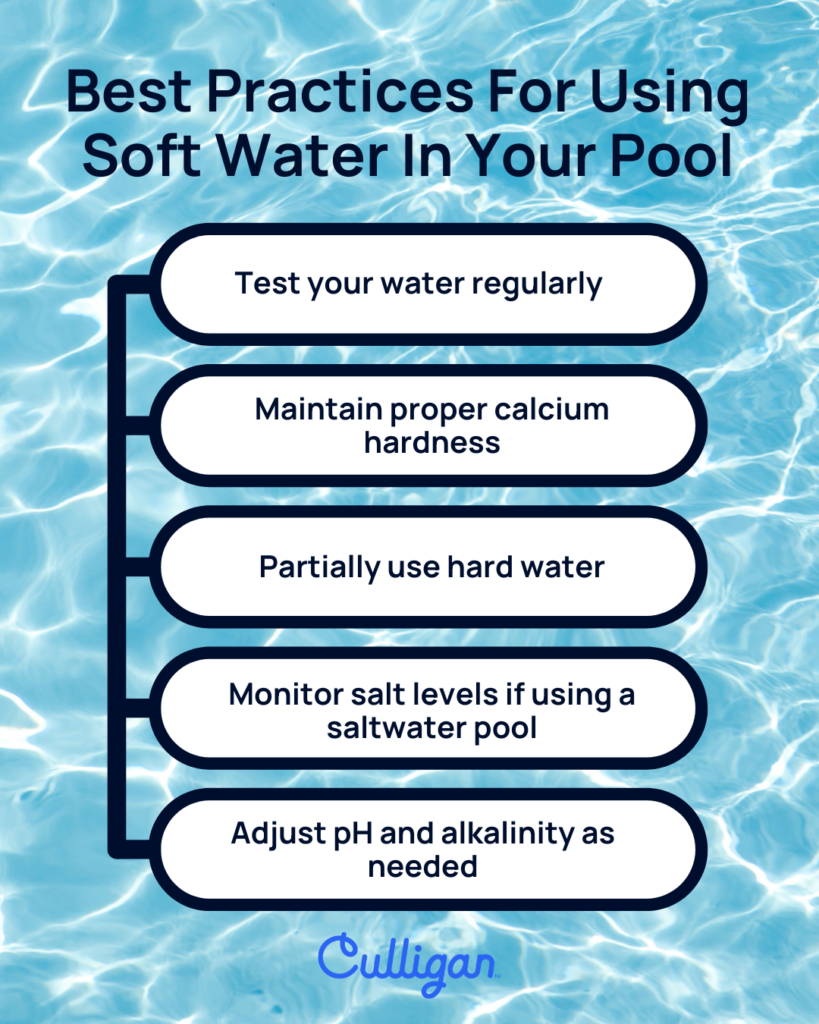
Credit: culliganventura.com
Real-world Data: Hard Water Across The U.s.
Hard water is common in many parts of the United States and around the world. Here are some examples:
| City/Region | Average Calcium Hardness (ppm) | Hardness Level |
|---|---|---|
| Phoenix, AZ | 250–400 | Hard–Very Hard |
| Las Vegas, NV | 250–450 | Very Hard |
| Chicago, IL | 120–180 | Moderately Hard |
| Dallas, TX | 140–220 | Hard |
| Miami, FL | 60–120 | Soft–Moderate |
If you live in a “very hard” water city, follow the steps in this guide carefully.
Two Non-obvious Insights About Hard Water Pools
- Evaporation Makes Hardness Worse: Every time water evaporates from your pool, the minerals stay behind. If you always refill with hard water, the calcium level creeps up—even if you started with a safe level. Monitoring and occasional dilution is key.
- Not All Sequestrants Are Equal: Some cheap sequestrants break down quickly in sunlight or with chlorine. Look for products labeled “phosphonic acid” or “phosphonate” for longer-lasting protection. Always check with your pool professional before switching brands.
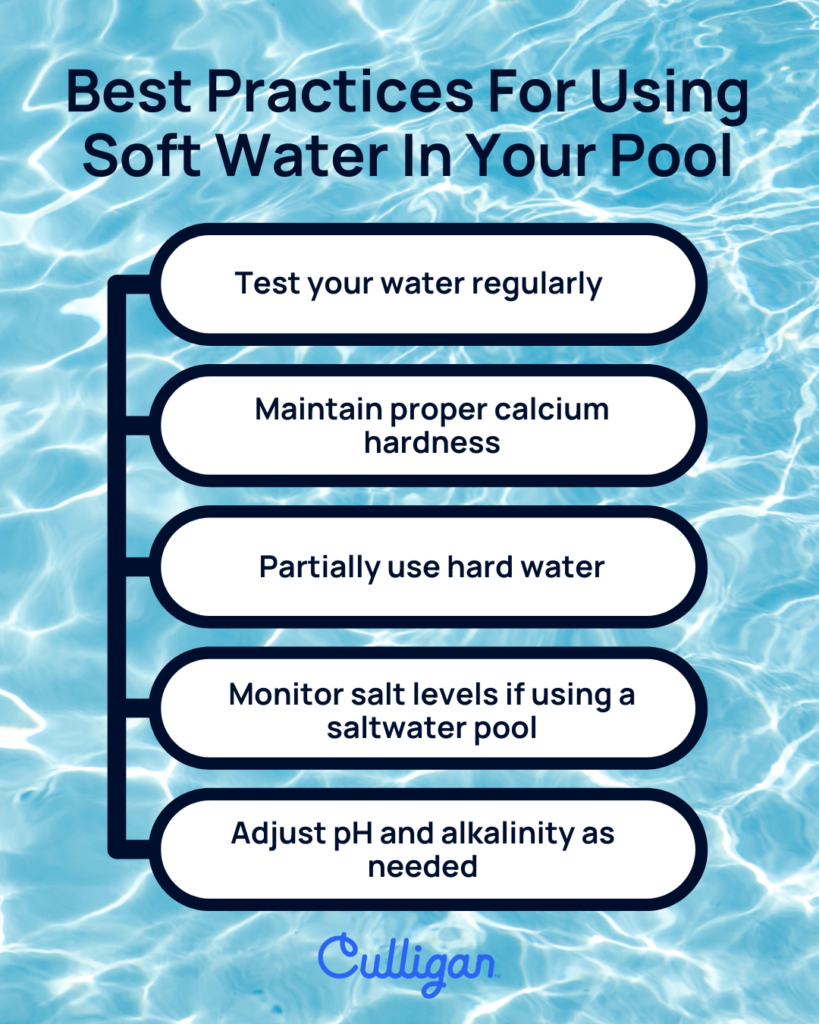
Credit: culliganescondido.com
When To Call A Professional
If you notice thick scale, damaged equipment, or water that stays cloudy no matter what you do, it’s time to call a pool service professional. They can test for hidden problems, recommend solutions, and sometimes offer advanced treatments like reverse osmosis.
For more about water hardness and its effects, you can visit the Wikipedia page on Hard Water.
Frequently Asked Questions
What Is The Ideal Calcium Hardness For A Swimming Pool?
The ideal calcium hardness for most pools is between 200–400 ppm. This level prevents both scaling (too high) and plaster damage (too low). Test your water regularly and adjust as needed.
Can I Use My Home Water Softener To Fill The Pool?
Most home water softeners are not designed to fill a whole pool. They work too slowly and may not handle the large volume of water needed. It’s better to fill with tap water and treat the pool afterward.
Will Hard Water Damage My Pool Liner?
Hard water does not usually damage vinyl liners directly, but it can cause scale to form on ladders, steps, and metal parts. This can make the pool feel rough and look dirty. Always use a sequestrant to prevent buildup.
How Often Should I Test My Pool Water If I Have Hard Water?
If you have a hard water pool, test calcium hardness, pH, and alkalinity at least once a week. Test more often during hot weather, after rain, or if you notice problems like cloudy water or scaling.
Is It Safe To Swim In A Pool With Hard Water?
Yes, it is safe to swim in a pool with hard water as long as the pH, chlorine, and other chemicals are balanced. However, high calcium can make the water cloudy and rough on skin. Proper treatment makes swimming more comfortable and keeps your pool in good shape.
Filling a pool with hard water is a challenge, but with the right steps, you can keep your pool healthy and beautiful for years. Test often, treat the water from day one, and stay ahead of problems. This will save you time, money, and help you enjoy your pool all summer long.