
Setting up an above ground pool in your backyard is a fun project that can transform your summer. One question often comes up: can you put an above ground pool on gravel? The answer is yes, but there are important steps and details to get right. Doing it well ensures your pool stays level, safe, and long-lasting. This guide will take you through everything you need to know, from the benefits of using gravel, to installation steps, tips, common mistakes, and smart maintenance. Whether you’re planning your first pool or just want a smoother setup, you’ll find practical advice here to help you create the perfect summer spot.
Why Consider Gravel For Your Above Ground Pool Base?
When it comes to building a solid base for an above ground pool, many homeowners think of sand. While sand is popular, gravel offers some big advantages that aren’t always obvious.
Improved Drainage
One of the most important benefits of gravel is its excellent drainage. Water can drain away quickly instead of pooling underneath. This reduces the risk of your pool bottom becoming soggy or uneven over time. In areas with heavy rain, this can prevent long-term issues like erosion or mold.
Enhanced Stability
Gravel, especially when compacted, creates a firm, stable surface that resists shifting. Sand can move or wash out, but gravel locks together and provides a strong foundation. This helps keep your pool perfectly level throughout the season.
Weed And Pest Control
A thick layer of gravel is a natural barrier to weeds and burrowing pests. It’s difficult for roots and small animals to get through, so your pool area stays cleaner and healthier.
Durability Over Time
Gravel does not break down or compact as much as sand. Once your base is in place, it should last for years with minimal maintenance. This is a big advantage for people who plan to keep their pool up year after year.
Non-obvious Insight: Pool Liner Protection
Many beginners miss this: a properly installed gravel base, with a protective layer on top, can actually help protect your pool liner. The gravel allows water to drain away, reducing pressure points and keeping the liner from sticking to wet, uneven spots.
Choosing The Right Type Of Gravel
Not all gravel is the same, and choosing the right kind is essential for your pool’s safety and comfort.
Recommended Gravel Types
- Crushed stone (angular gravel): This is the best choice. The sharp edges lock together when compacted, creating a firm, level base.
- Pea gravel: These small, round stones are smooth, but they do not compact as well. If you use pea gravel, you’ll need a thicker protective layer on top.
- Crusher run: This is a mix of crushed stone and stone dust. It compacts well and is budget-friendly.
Gravel Size
Aim for gravel pieces about 1/4″ to 3/4″ in diameter. Smaller stones fill gaps and compact better. Large stones can create lumps and pressure points.
Gravel To Avoid
- River rock: Too large and round; it rolls and shifts under weight.
- Unwashed gravel: Contains dirt and debris that can cause sinking and unevenness.
Comparison: Gravel Types For Pool Bases
Here’s a simple comparison to help you choose:
| Gravel Type | Stability | Drainage | Comfort | Cost |
|---|---|---|---|---|
| Crushed Stone | Excellent | Excellent | Good (with pad) | Moderate |
| Pea Gravel | Fair | Good | Very Good | Moderate |
| Crusher Run | Very Good | Good | Fair | Low |
Tip: If you want the softest feel underfoot, combine pea gravel with a thick foam or sand layer on top.
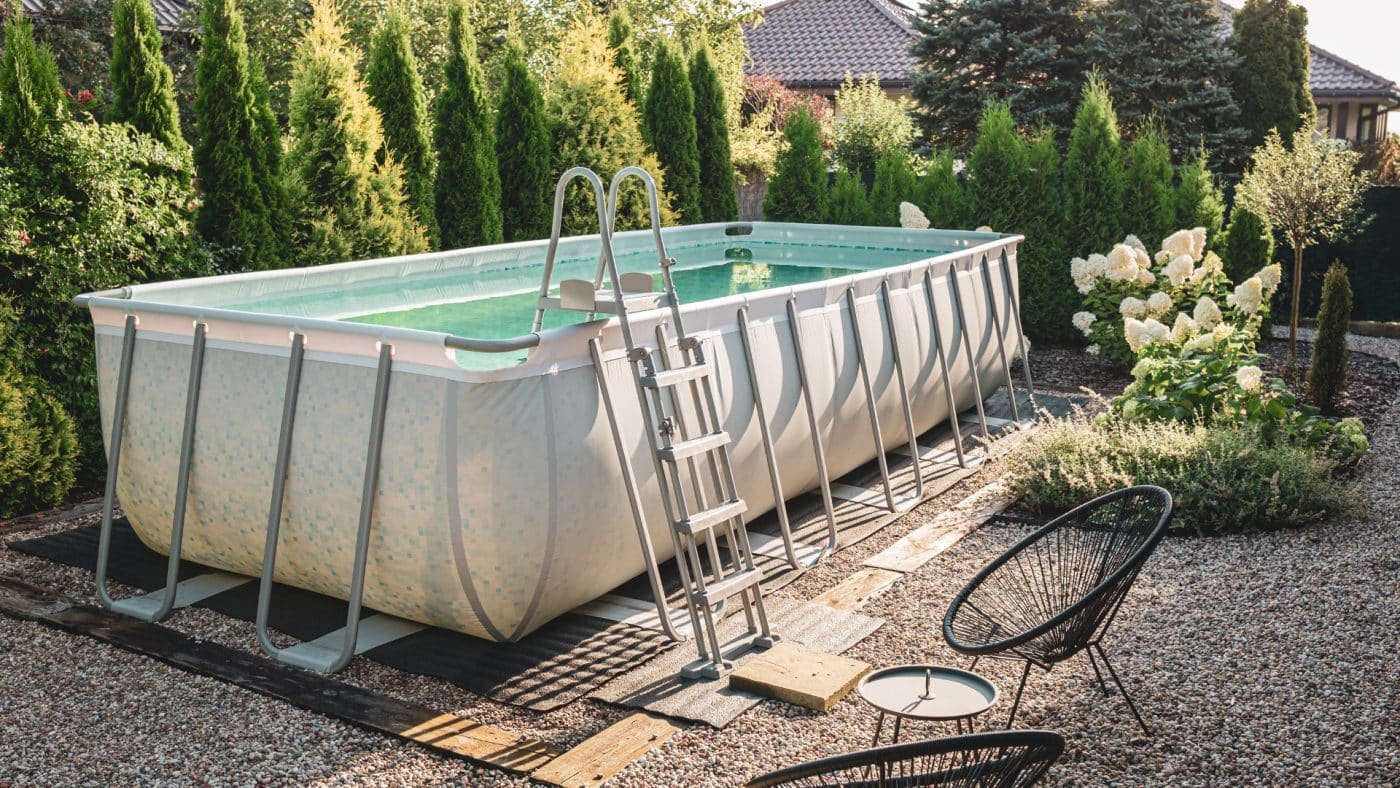
Credit: www.siteprep.com
Steps To Install An Above Ground Pool On Gravel
Setting up your pool on gravel is not complicated, but it does require careful attention to detail. Follow these steps for a reliable, level, and comfortable pool base.
1. Choose And Prepare The Site
Pick a location that is level, clear of roots, rocks, and debris, and gets enough sunlight. Avoid spots near large trees (roots can damage your pool) or low areas (flood risk).
Mark out the pool’s footprint using stakes and string or spray paint. Add a few extra feet around the edge for easy access and maintenance.
2. Remove Grass And Topsoil
Dig out the grass and the top 3-4 inches of soil in your marked area. This removes organic matter that can rot or shift over time. Aim for a flat, even surface.
3. Level The Ground
Use a long board and a level to check for high and low spots. Fill low areas and shave down high ones. The ground should be completely level—even a 1-inch slope can create problems later.
Non-obvious insight: Many pool owners rush this step. But a small slope now can lead to uneven water levels and extra stress on your pool walls. Take your time here.
4. Lay Down A Geotextile Fabric
A geotextile fabric (weed barrier) keeps gravel from mixing with soil and blocks weeds. Roll it out across the area, overlapping edges by at least 6 inches. This step is often skipped but adds years to your installation.
5. Add And Compact The Gravel
Pour in your chosen gravel to a depth of 2-4 inches. Rake it flat, then use a plate compactor or hand tamper to compress it tightly. Add more gravel if needed to maintain a flat, level surface.
Pro tip: Wetting the gravel slightly before compacting can help it lock together better.
6. Add A Protective Layer
On top of the compacted gravel, add a cushion layer. Good options include:
- Pool floor padding (foam or specialty pads)
- A 1-inch layer of sand (play sand, not construction sand)
- An old carpet or thick tarp (as a budget solution)
This makes the pool floor smoother and protects your liner from sharp edges.
7. Double-check For Level
Before you start assembling the pool, check the surface again with a long level. Walk around and check from different angles. Fix any dips or bumps now—after the pool is filled, it’s too late.
8. Assemble The Pool
Follow your pool manufacturer’s instructions. Set up the frame, wall, and liner on the prepared base. Take care not to drag or puncture the liner.
9. Fill The Pool Slowly
As you fill the pool, smooth out wrinkles in the liner and keep an eye on the water level. If the pool seems to tilt, stop and adjust before going further.
10. Final Touches
Once full, check all supports, add the pump and filter, and set up any ladders or accessories. Clean up the area around your pool and enjoy your new backyard oasis.
Comparing Gravel To Other Pool Base Options
It’s helpful to see how gravel stacks up against other common pool base materials. Here’s a side-by-side view:
| Base Material | Pros | Cons | Best For |
|---|---|---|---|
| Gravel | Great drainage, long-lasting, stable | Needs compacting, can be uncomfortable if not padded | Wet climates, long-term pools |
| Sand | Soft, easy to level, cheap | Washes out, can shift or erode, poor drainage | Dry climates, temporary setups |
| Concrete Pad | Super stable, permanent, smooth | Expensive, hard to remove, needs professional work | Permanent installations |
| Grass/Dirt | Easy, no cost | Unstable, can rot, attracts pests, uneven | Very temporary, small pools |
Common Mistakes When Using Gravel For Pool Bases
Even experienced DIYers can make mistakes with gravel pool bases. Watch out for these:
Skipping The Fabric Layer
Without a geotextile fabric, gravel can mix with soil over time, causing unevenness and weed growth. This is one of the most common mistakes.
Not Compacting The Gravel
Loose gravel shifts under weight, causing the pool to settle unevenly. Always compact in thin layers for best results.
Using The Wrong Gravel Type
Large rocks or unwashed gravel create an uncomfortable, unstable base. Stick to crushed stone or crusher run for best performance.
Forgetting A Protective Cushion
A pool liner sitting directly on gravel is at risk for punctures. Always add a cushion layer.
Ignoring Level Checks
Small slopes or dips can cause big problems. Double- and triple-check your level before assembly.
Maintenance Tips For Pools Installed On Gravel
A gravel base is low-maintenance, but a few smart habits will help it last for years.
Keep The Area Clean
Sweep or blow leaves and debris away from the pool area regularly. Organic matter can break down and attract pests.
Watch For Settling
Over the first few weeks, check for signs of settling or shifting. If you notice dips, you may need to drain the pool partially and add gravel.
Check For Erosion
If you live in an area with heavy rain, watch for water washing away gravel at the edges. Add more as needed to keep your base stable.
Protect The Liner
Never drag heavy objects across the pool floor. Place mats at entry points to reduce wear and tear.
Monitor Drainage
Make sure water flows away from the pool, not toward it. Adjust landscaping if needed to prevent puddles.
Winterizing
If you take down your pool for winter, cover the gravel base to keep it clean. If you leave the pool up, follow manufacturer guidelines for winter care.
Budgeting: How Much Gravel Do You Need?
It’s easy to underestimate how much gravel is needed for a pool base. Here’s a quick way to figure it out:
- Measure the diameter of your pool area (add extra for a border if you like).
- Decide on gravel depth (usually 2-4 inches).
- Use this formula for round pools:
Cubic yards = (π x radius² x depth in feet) ÷ 27
For example, a 15-foot pool with a 3-inch (0.25 foot) gravel base:
- Radius = 7.5 feet
- Depth = 0.25 feet
- Π = 3.14
Cubic yards = (3. 14 x 7. 5 x 7. 5 x 0. 25) ÷ 27 ≈ 1. 6 cubic yards
Always order a bit extra to allow for settling and mistakes.
Can You Put A Pool Directly On Gravel?
This is a common question. In short: Never put a pool liner directly on gravel. The sharp edges can puncture the liner. Always use a protective pad or layer of sand/foam between the gravel and the liner. Special pool pads are designed for this purpose and are well worth the investment.
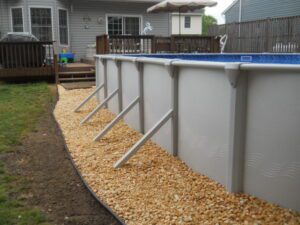
Credit: teddybearpools.com
Real-world Example: Pool On Gravel In A Wet Climate
Sarah lives in the Pacific Northwest, an area known for rainy weather. She installed her above ground pool on a 4-inch layer of crushed stone, topped with a thick pool pad. After two years, her pool remains level, and she’s had no issues with mud or weeds—unlike her neighbor, who chose sand and deals with constant erosion.
Sarah says the extra effort in the beginning saved her hours of maintenance later.
Pros And Cons Recap
Let’s quickly sum up the main pros and cons of using gravel as a pool base:
Pros
- Excellent drainage
- Long-lasting stability
- Weed and pest resistance
- Low maintenance
- Less risk of erosion or washout
Cons
- Needs proper compaction
- Can be rough if not padded
- Heavier and harder to move than sand
Expert Tips For A Smooth Installation
- Rent a plate compactor for a truly solid base—hand tampers are often not enough for large pools.
- Use stakes and string to check for level across the full diameter of your site.
- If your yard is sloped, consider building a low retaining wall on the high side to hold gravel in place.
- Always check with your local building codes or homeowners’ association before starting. Some areas have rules about pool placement and base materials.
Frequently Asked Questions
Can I Use Gravel As The Only Base For My Above Ground Pool?
No, you should not use gravel as the only base. Always add a protective layer such as a pool pad or sand on top of the gravel. This protects the liner from punctures and makes the pool more comfortable underfoot.
How Deep Should The Gravel Base Be?
A depth of 2 to 4 inches is recommended. Less than 2 inches may not provide enough stability, while more than 4 inches is usually unnecessary and adds cost.
Do I Need To Put Sand On Top Of The Gravel?
It’s a good idea to add a thin layer of sand (about 1 inch) or a specialty pool pad. This layer smooths out any rough spots and offers extra protection for your pool liner.
What Is The Best Type Of Gravel For An Above Ground Pool Base?
Crushed stone (angular gravel) is the best choice. Its sharp edges lock together when compacted, creating a firm, stable base that resists shifting.
Will Gravel Affect My Pool’s Warranty?
Some pool manufacturers have specific rules about installation. Always check your pool’s warranty requirements before using gravel. If in doubt, contact the manufacturer or refer to trusted sources like the Pool Pricer website for more information.
Building an above ground pool on gravel is a smart choice for stability, drainage, and durability. With careful planning and the right materials, you can create a comfortable, long-lasting pool base that keeps your summer fun worry-free. Remember the critical steps—especially leveling and protecting the liner—and you’ll enjoy clear water and a safe swimming area for years to come.
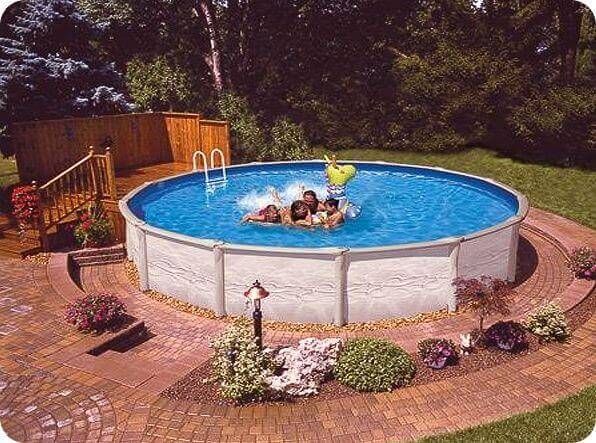
Credit: intheswim.com