
Se falls in, it often cannot climb out due to the smooth walls. The skimmer, with its flowing water, acts like a trap, pulling the mouse in and making escape almost impossible.
But why does this happen more often than you’d expect? Many pool owners don’t realize that even a small pool can attract wildlife from a wide area. At night, when it’s quiet, mice are more active and may explore your backyard without you noticing.
If your pool is close to bushes, bird feeders, compost bins, or unsealed garbage cans, the chances of a mouse showing up increase.
It’s also common for homes near fields, forests, or undeveloped land to have more rodent activity. Mice are excellent climbers and swimmers, so even fences or high pool walls aren’t always enough. In short, your pool is a natural attraction, and the skimmer’s current creates a one-way trip for small animals like mice.
Not Just Mice: Other Unwanted Guests
While mice are the most common, skimmers can also trap frogs, lizards, birds, and even insects. Each type of animal brings its own risks and challenges. For example, frogs can introduce bacteria, and birds may carry parasites. If you see other animals in your skimmer, the same care and cleaning steps apply.
Health Risks And Safety Concerns
Finding a dead mouse in your pool skimmer is more than unpleasant—it can affect the health and safety of everyone who uses the pool. Here’s what you need to know:
Can You Get Sick From A Mouse In The Pool?
Mice can carry bacteria, viruses, and parasites in their bodies, urine, and droppings. Some of these, like Salmonella or Leptospira, can survive in water for a short time. If you swim before properly cleaning your pool, there’s a small but real risk of infection.
- Bacteria: Diseases like leptospirosis, salmonellosis, and campylobacteriosis can be transmitted through water contaminated by rodents.
- Viruses and Parasites: While less common, certain viruses and parasites can be present in rodents. These are rarely spread through pool water because chlorine kills most germs, but caution is still needed.
- Allergies and Asthma: Decaying animal matter can release particles that may trigger allergies or asthma attacks in sensitive people.
How Safe Is The Water After Removal?
If your pool’s chlorine and filtration systems are working well, most germs are destroyed quickly. However, a dead mouse can introduce organic matter that uses up chlorine. This means your pool may not be as safe immediately after removal. It’s important to test and adjust your chemicals before swimming again.
What About Pets?
If your dog or cat drinks from the pool or plays around it, they face similar risks. Pets are less likely to get sick from properly maintained pools, but you should still discourage drinking pool water, especially after an animal incident.
Key Insight: Not All Risks Are Visible
Even if the water looks clean, tiny germs can still be present. Never assume your pool is safe just because you removed the mouse. Always follow the cleaning steps below to restore full safety.
Step-by-step Removal: What To Do When You Find A Dead Mouse
You’ve opened the skimmer lid and there it is—a dead mouse. Here’s exactly what you should do, step by step, to protect yourself and your pool:
1. Protect Yourself First
- Wear gloves: Use disposable or rubber gloves to avoid direct contact. Rodents carry germs even after death.
- Avoid splashing: Try not to disturb the water. Germs can spread if you splash contaminated water on yourself or pool decks.
2. Remove The Mouse Safely
- Use a pool net, tongs, or a small plastic bag turned inside out to pick up the mouse.
- Place the mouse in a sealable plastic bag, then double-bag it for extra safety.
- Dispose of the bag in an outdoor trash can, away from children and pets.
3. Clean The Skimmer Basket
- Remove the skimmer basket and dump any debris into a trash bag.
- Rinse the basket with a garden hose, away from the pool.
- If possible, soak the basket in a mild bleach solution (about 1/2 cup bleach per gallon of water) for 10 minutes, then rinse well.
4. Wash Your Hands And Tools
- Remove your gloves and wash your hands with soap and water for at least 20 seconds.
- Clean any tools used with a bleach solution or disinfectant.
5. Don’t Use The Pool Yet
- Tell everyone to stay out of the pool until it’s cleaned and tested.
- Keep pets away, too.
Common Mistake: Rushing The Cleanup
Many people are tempted to just scoop the mouse and keep swimming. This is risky. Even a quick swim can expose you to germs before the chlorine has time to work.

Credit: www.reddit.com
Cleaning And Disinfecting Your Pool
Once the mouse is gone, it’s time to make your pool safe again. This involves more than just adding chlorine. Here’s how to do it right:
1. Test The Water
Use a reliable pool test kit or test strips to check:
- Free chlorine level (should be 1–3 ppm for most pools)
- PH (ideal range: 7.2–7.6)
- Combined chlorine (should be 0; if higher, you need to shock the pool)
If you don’t have a test kit, buy one at a pool store or online. Never guess—testing is the only way to know your water is safe.
2. Shock The Pool
“Shocking” means adding a large dose of chlorine to kill germs. Here’s how:
- Calculate your pool’s volume (length × width × average depth × 7.5 for gallons).
- Use pool shock (calcium hypochlorite or sodium dichlor) as directed on the package.
- As a rule of thumb, add enough shock to raise free chlorine to 10 ppm for at least 8 hours.
- Run the pump and filter for at least one full turnover (usually 8–12 hours).
3. Clean Pool Surfaces
- Brush the pool walls and floor to remove any particles or algae. This helps the chlorine work everywhere.
- Pay extra attention to the area near the skimmer.
4. Backwash Or Clean The Filter
- If you have a sand or DE filter, backwash to remove contaminants.
- For cartridge filters, remove and rinse the cartridge with a hose.
5. Re-test Before Swimming
- After 24 hours, test chlorine and pH again.
- Make sure chlorine is between 1–3 ppm and pH is 7.2–7.6 before allowing anyone to swim.
Extra Tip: Use A Pool Enzyme Cleaner
Some organic matter (like oils from a mouse’s fur) can be hard to remove. Pool enzyme products help break down these substances, making your water cleaner and clearer.
Common Question: Is One Shock Enough?
Usually, yes. But if the mouse was in the pool for several days, or if you see cloudy water or smell “chlorine” (which is actually combined chlorine), shock the pool again.
Preventing Mice From Getting Into Your Pool Skimmer
Prevention is the best way to avoid future surprises. Here’s what really works:
1. Reduce Attractants
- Store birdseed, pet food, and garbage in sealed containers.
- Clean up fallen fruit, nuts, or seeds from trees and plants near the pool.
- Avoid feeding pets or wildlife near the pool area.
2. Trim And Clean Landscaping
- Keep grass, bushes, and ground cover trimmed at least 2–3 feet from the pool edge.
- Remove piles of leaves, wood, or debris where mice can hide.
3. Block Entry Points
- Inspect the area around your pool for gaps, cracks, or holes where mice might enter.
- Use metal mesh or hardware cloth to seal gaps near pool equipment, decks, or fences.
4. Use Skimmer Covers
- Install skimmer covers with small entry holes. These let water in but keep most animals out.
- Check that covers fit tightly and are in good condition.
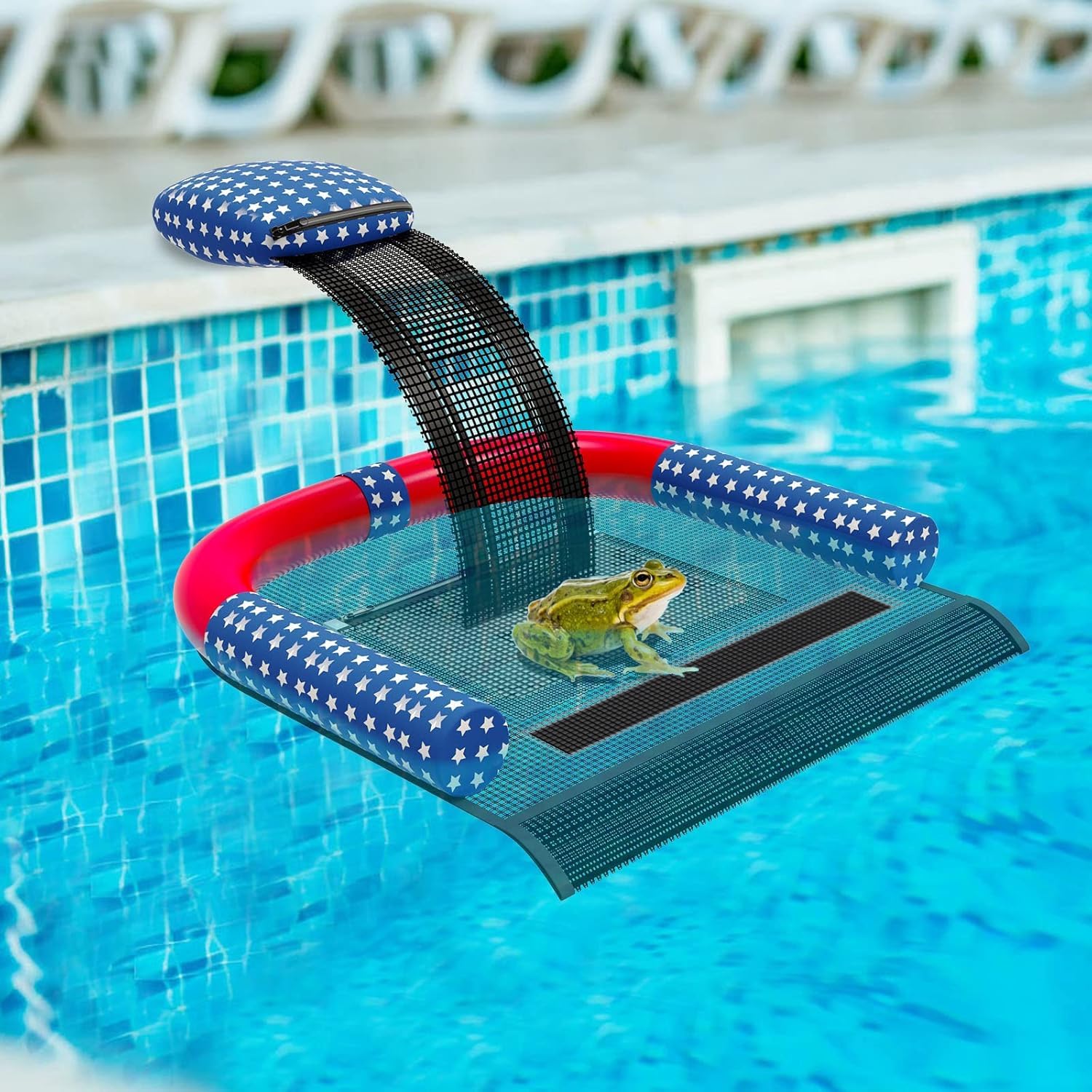
5. Pool Escape Ramps
- Add a small floating ramp or “critter escape” device to your pool. These give trapped animals a way to climb out.
- There are commercial products designed for this, or you can make your own with a piece of foam or plastic. Place it near the skimmer for best results.
6. Nighttime Lighting
- Motion-activated lights can scare off mice and other wildlife.
- Keep pool lights on at night if you have a mouse problem, but turn them off when not needed to save energy.
7. Regular Skimmer Checks
- Make it a habit to check your skimmer basket every morning, especially in warm weather or after storms.
- Early detection prevents decay and makes cleanup easier.
Extra Insight: Landscaping Choices Matter
Some plants attract rodents more than others. For example, dense ground covers, ivy, and fruiting shrubs are mouse favorites. Choose low, open plants around your pool for less cover and fewer seeds.

Credit: www.reddit.com
Comparing Cleaning Methods: What Works Best?
When it comes to cleaning after a dead mouse, not all methods are equal. Let’s look at the main options:
Manual Removal Only
Some people just remove the mouse and rinse the skimmer. This is fast but risky. It doesn’t address germs or organic matter left behind.
Best for: Emergency situations when no chemicals are available.
Downside: Higher risk of bacteria and viruses in the water.
Shocking With Chlorine
This is the safest and most effective method. Chlorine kills most germs and breaks down organic matter. It’s the gold standard for pools.
Best for: All pool types, especially after animal contamination.
Downside: Must wait to swim until chlorine levels return to normal.
Using Non-chlorine Shock
Some pools (like those with sensitive swimmers) use non-chlorine shock (potassium monopersulfate). It helps oxidize organics but is less effective against bacteria and viruses than chlorine.
Best for: Supplementing chlorine shock or for mild contamination.
Downside: May not fully disinfect after a rodent incident.
Professional Cleaning Services
Some pool owners hire a pro after finding a dead animal. Pros have strong chemicals and tools, but this can be expensive and often isn’t needed for a single mouse if you follow proper steps.
Best for: Serious contamination, multiple animals, or if you’re unsure about handling chemicals.
Downside: Costly and may not be available on short notice.
Natural Or “diy” Methods
Some websites suggest using vinegar, baking soda, or sunlight to disinfect. These methods are not reliable against rodent-borne diseases and should not be used as the only cleaning step.
Best for: Minor cleaning or as a supplement to chlorine.
Downside: Not effective for serious contamination.
Practical Advice
If you want the safest, most reliable result, always shock with chlorine after any animal incident. Combine this with thorough skimmer cleaning and filter maintenance.
Frequently Asked Questions
How Long After Removing A Dead Mouse Can I Swim?
Wait at least 24 hours after shocking the pool and testing the water. Don’t swim until chlorine is 1–3 ppm and pH is 7. 2–7. 6.
What If I Accidentally Swam Before Finding The Mouse?
If you swam before noticing the mouse, don’t panic. The risk is low if your pool is well-maintained, but watch for symptoms like stomach upset or skin irritation. If you feel sick, see a doctor.
Can A Dead Mouse Ruin My Pool Filter?
A single mouse usually won’t harm your filter, but a buildup of debris can cause clogs or reduce efficiency. Clean and backwash your filter after any animal incident.
Are Pool Covers A Good Solution?
Pool covers help keep animals out, but mice can sometimes sneak under loose edges. Use covers as part of your prevention plan, not your only defense.
What If I Find Mice Often?
Frequent mice mean you have attractants or entry points nearby. Review your landscaping, storage, and pool access. You may need professional pest control if the problem continues.
Is It Safe To Use “pool Shock” With Kids Or Pets?
Yes, but keep everyone out of the pool during treatment and until chlorine returns to normal. Store chemicals safely, away from children and animals.
Where Can I Learn More About Pool Safety And Cleaning?
The [Centers for Disease Control and Prevention (CDC) Pool Safety](https://www.cdc.gov/healthywater/swimming/index.html) page offers more details on pool water health and maintenance.
Credit: www.amazon.com
Final Thoughts
Finding a dead mouse in your pool skimmer is never fun, but it’s a problem you can handle with the right steps. Remember, your pool is attractive to wildlife, especially in summer or dry weather. The key is to act quickly, clean thoroughly, and adjust your maintenance to prevent future incidents.
Don’t just remove the mouse—protect your health by testing, shocking, and cleaning your pool before swimming again. Pay attention to landscaping, food storage, and skimmer design to keep mice out. With these expert tips, you’ll enjoy a safe, clean pool all season long—without any unpleasant surprises.