
When summer ends and pool season is over, many people face a common challenge: drying out their Intex pool. Whether you own a small inflatable or a large metal-frame model, draining and drying your pool properly is crucial for protecting your investment. If you skip or rush the process, you may deal with mold, mildew, stains, or even structural damage next season. So, how do you dry out an Intex pool in the right way—without stress or mess? This guide walks you through every step, from draining to storage, with practical advice, helpful comparisons, and expert tips. By the end, you’ll know exactly how to keep your pool clean, dry, and ready for next year.
Why Drying Your Intex Pool Matters
Drying your pool is more than just removing water. If you leave moisture inside, it can create bacteria, mold, and unpleasant smells. Intex pools are made of materials like PVC and vinyl, which are strong but vulnerable to damage from standing water. Moisture trapped inside can cause:
- Mildew and mold growth
- Material weakening and tears
- Permanent stains
- Bad odors
- Shorter pool lifespan
Intex pools are designed to be portable and easy to store, but only if they are dried out completely. This step is just as important as cleaning or draining.
Many pool owners don’t realize that even small amounts of moisture—especially in hidden folds or seams—can cause long-term problems. Mold spreads quickly in dark, damp places, and once it sets in, cleaning becomes much harder. Also, stains from dirt or algae can become permanent if they dry into the material over winter.
Taking time to dry your pool properly protects not only your pool but also your family’s health by stopping bacteria and fungus from building up.
Preparing To Dry Out Your Intex Pool
Before you start, it’s important to gather the right tools and prepare your workspace. Drying an Intex pool is much easier if you plan ahead.
Essential Tools And Supplies
You’ll need these items:
- Garden hose (for draining)
- Submersible pump (optional, faster draining)
- Bucket (for scooping leftover water)
- Soft towels or microfiber cloths (for drying)
- Non-abrasive brush (for cleaning)
- Mild soap or pool cleaner (for scrubbing)
- Wet/dry vacuum (optional, for water removal)
- Leaf blower (optional, for air drying)
- Plastic tarp or clean sheet (for laying out pool)
- Storage bin (for folded pool)
Having these tools ready saves time and helps prevent mistakes.
If you have a large pool, a submersible pump is very helpful, especially if your yard is flat and draining by gravity is slow. For smaller pools, a bucket and towels may be enough, but don’t underestimate how much water can hide in folds.
Microfiber cloths are especially good at picking up small water drops that regular towels miss.
Choosing The Right Day
Pick a dry, sunny day. Sunlight speeds up drying and prevents moisture from lingering. Avoid windy days, which can blow dirt onto your wet pool.
Humidity also matters. If your area is humid, even on a sunny day, drying will take longer. Check the weather forecast for rain—if there is any chance, wait for a clear day. Also, make sure you have several hours free, as you don’t want to leave the process half-finished.
Clearing Your Area
Find a flat, clean spot to work—like a driveway, patio, or lawn. Remove sharp objects and debris that could puncture the pool.
If you’re using your lawn, mow the grass short and rake away sticks or stones. For patios or driveways, sweep the surface first. If you have pets, keep them away to prevent muddy paw prints or fur from sticking to the wet pool.

Credit: www.reddit.com
Step-by-step Process: Draining Your Intex Pool
Draining is the first step. How you drain depends on pool size and local regulations.
Methods For Draining
Small Inflatable Pools
For pools under 1,000 gallons:
- Tip the pool gently to pour out water.
- Use a bucket for remaining water.
- Avoid dragging the pool; this can cause tears.
For very small pools, you can often lift and pour out the water. But be careful—don’t rush, and always check for any leftover water in pockets or under the inflatable ring. If possible, get a helper to lift larger inflatables.
Medium And Large Frame Pools
For pools over 1,000 gallons:
- Locate the drain plug. Attach a garden hose.
- Point the hose away from plants and foundations.
- Open the plug and let gravity do the work.
- If you want faster draining, use a submersible pump. Place it at the pool’s lowest point.
For pools above ground level, gravity will move the water, but pumps can save hours. Make sure the draining area can handle the water—avoid flooding your garden or neighbor’s yard. For extra speed, use both the drain plug and a pump at the same time.
Important Safety Tips
- Check local rules for water disposal. Some areas restrict draining into streets or sewers.
- Never leave the pool unattended while draining.
- Watch for children or pets around the draining area.
If your pool water has chemicals, like chlorine, let the water sit uncovered for 24–48 hours before draining. This allows chemicals to break down and reduces harm to plants or wildlife.
Getting Rid Of Remaining Water
After most water is gone, there will always be some left. Use a wet/dry vacuum or towels to soak up puddles. For stubborn spots, tilt the pool or press down gently.
Pay extra attention to seams, creases, and the area around the drain plug. These spots often hide water, and missing them can cause mold later. For deep corners, a sponge or small hand towel works well. If you have a wet/dry vacuum, use the small nozzle to reach tight areas.
Cleaning Before Drying
Drying an unclean pool can lock in stains and odors. Always clean before drying.
Cleaning Steps
- Scrub with a mild soap: Use a soft brush and gentle soap. Avoid harsh chemicals.
- Rinse thoroughly: Use clean water and remove all soap.
- Inspect for residue: Check for algae, dirt, or leaves. Repeat cleaning if needed.
When scrubbing, focus on seams and the waterline, as these areas collect the most grime. If your pool had algae or cloudy water at the end of the season, spend extra time cleaning. Use a non-abrasive sponge to avoid scratching the vinyl.
Don’t forget to clean the outside of the pool, especially the bottom, which may have dirt stuck on from the ground.
Why This Matters
If you skip cleaning, mold can grow during storage. It’s much harder to remove stains later.
For example, a pool stored with even a small patch of algae can have black spots or green slime next year. These stains are tough to remove and can make your pool look old or dirty. Thorough cleaning now saves hours of work in spring.
Drying Your Intex Pool: Methods And Tips
Now comes the most important part: drying. Pools can look dry on the surface, but hidden moisture is the enemy.
Laying Out The Pool
Spread the pool on a clean, flat surface. Use a plastic tarp to prevent grass stains.
Make sure the pool is as flat as possible, with all folds opened up. For larger pools, this might require two people. The smoother you lay it, the faster it will dry.
Removing Surface Water
Use towels or microfiber cloths to blot water. Start with the edges and corners, where moisture hides. For large pools, work in sections.
Change towels as they become soaked. For best results, gently press rather than rub, as rubbing can push water into seams. Microfiber cloths are especially good for pulling water out of small creases.
Air Drying
Let the pool air dry for several hours. Sunlight is best, but shade will work if needed. Flip the pool halfway through to dry the underside.
If you have a large pool, consider using patio chairs or clean buckets to prop up the edges and allow air to circulate underneath. This trick speeds up drying and prevents trapped moisture.
Using A Leaf Blower Or Wet/dry Vacuum
For faster drying, use a leaf blower or wet/dry vacuum (set to blow). Aim at seams and corners. This method speeds up drying, especially on cool or humid days.
If you don’t have these tools, a regular household fan can help—set it to blow across the surface of the pool for better airflow. Just make sure the fan is safe to use outdoors and keep electrical cords away from wet areas.
Drying Time Estimates
Drying times depend on pool size, weather, and method:
| Pool Size | Draining Time | Drying Time (Sun) | Drying Time (Shade) |
|---|---|---|---|
| Small (≤1,000 gal) | 30–45 min | 2–3 hours | 4–6 hours |
| Medium (1,000–3,000 gal) | 1–2 hours | 3–5 hours | 6–8 hours |
| Large (≥3,000 gal) | 2–4 hours | 5–8 hours | 8–12 hours |
Hidden Moisture: Where To Check
Pools often hide water in folds, seams, and under the rim. Run your hand over these areas. If you feel dampness, dry again.
Also check under the air ring of Easy Set pools and inside any attached ladders or supports. These are common spots that get missed and lead to mold.
Non-obvious Insight: Avoid Over-drying
Some people leave pools outside for days, thinking it helps. But too much sun can damage vinyl and cause fading or brittleness. Dry just until moisture is gone.
It’s a balance—get rid of water, but don’t bake the pool material. If you must leave your pool out overnight, cover it with a clean sheet to prevent dew from collecting.
Folding And Storing Your Intex Pool
Once your pool is dry, folding and storing is crucial for keeping it safe.
Folding Your Pool
- Check for dryness: Double-check all areas.
- Fold in sections: Start with edges, fold toward the center.
- Avoid sharp folds: Gentle folds prevent cracks.
- Keep air inside: Slightly puffed folds help avoid stuck surfaces.
When folding, try to keep the folds loose and smooth. If the vinyl sticks to itself, it can tear later. For very large pools, ask a family member for help to keep the process neat.
Storage Tips
- Place the folded pool in a storage bin or bag.
- Store in a cool, dry place. Avoid attics or garages with high heat.
- Keep away from chemicals, sharp tools, and heavy objects.
Label your storage bin so you can find it easily next year. Some people add a soft cloth or old towel between folds for extra protection.
Frame And Accessories
If you have a metal-frame pool:
- Dry the frame separately.
- Wipe with a towel; check for rust.
- Store frame pieces in a dry container.
Spray metal parts with a light coat of oil or rust-prevention spray if you live in a damp climate. This small step can prevent rust and keep your frame strong for years.
Common Mistakes To Avoid
Many beginners make mistakes when storing:
- Storing a damp pool: Even a little moisture can cause problems.
- Dragging the pool: This creates tears.
- Using harsh cleaners: These damage the vinyl.
- Storing in hot places: Heat weakens material.
- Ignoring the frame: Metal parts rust if not dried.
Another mistake is forgetting to dry and store the ladder, ground cloth, and pool cover. These items can also develop mold and should be cleaned and dried before storage.
Comparing Drying Methods For Intex Pools
Different methods work for different pool sizes and climates. Here’s a comparison to help you choose.
| Drying Method | Best For | Speed | Cost | Effectiveness |
|---|---|---|---|---|
| Air Drying | All sizes | Medium | Free | High |
| Towel Drying | Small/Medium | Medium | Low | High |
| Leaf Blower | Medium/Large | Fast | Low | High |
| Wet/Dry Vacuum | All sizes | Fast | Medium | High |
| Sun Drying | All sizes | Medium | Free | High |
Non-obvious insight: Wet/dry vacuums and leaf blowers are especially helpful for seams and corners, where towels often miss moisture.
If you’re drying a large pool alone, combine towel drying with air or fan drying for best results. For families, dividing the pool into sections and having each person handle one area speeds up the process.
Preventing Mold And Mildew: Expert Tips
Mold is the biggest enemy of stored pools. Here’s how to prevent it:
Use A Mold-prevention Spray
Lightly spray the pool with a mold prevention product before folding. These are safe for vinyl and stop mold spores.
Choose a spray made for pool liners or boats. Avoid regular household bleach sprays, as these may damage the material over time.
Check Storage Location
Humidity in storage causes mold. If your area is humid, consider silica gel packets or moisture absorbers in your storage bin.
If you’re using a basement, place the bin on a shelf, not the floor, to avoid accidental water leaks. For garages, keep the bin away from windows and off concrete.
Inspect During Winter
Open the storage bin once during winter to check for dampness. If you find moisture, dry again.
Winter checks also give you a chance to spot any early signs of mold or pests. If you see spots or smell mustiness, act quickly to prevent damage.
Don’t Ignore Accessories
Pool liners, filter pumps, and hoses also need to be dried. Mold can spread from these to the main pool.
Wash and dry everything that touched pool water, including skimmer nets and float toys. Store them in a separate bin or bag to avoid cross-contamination.
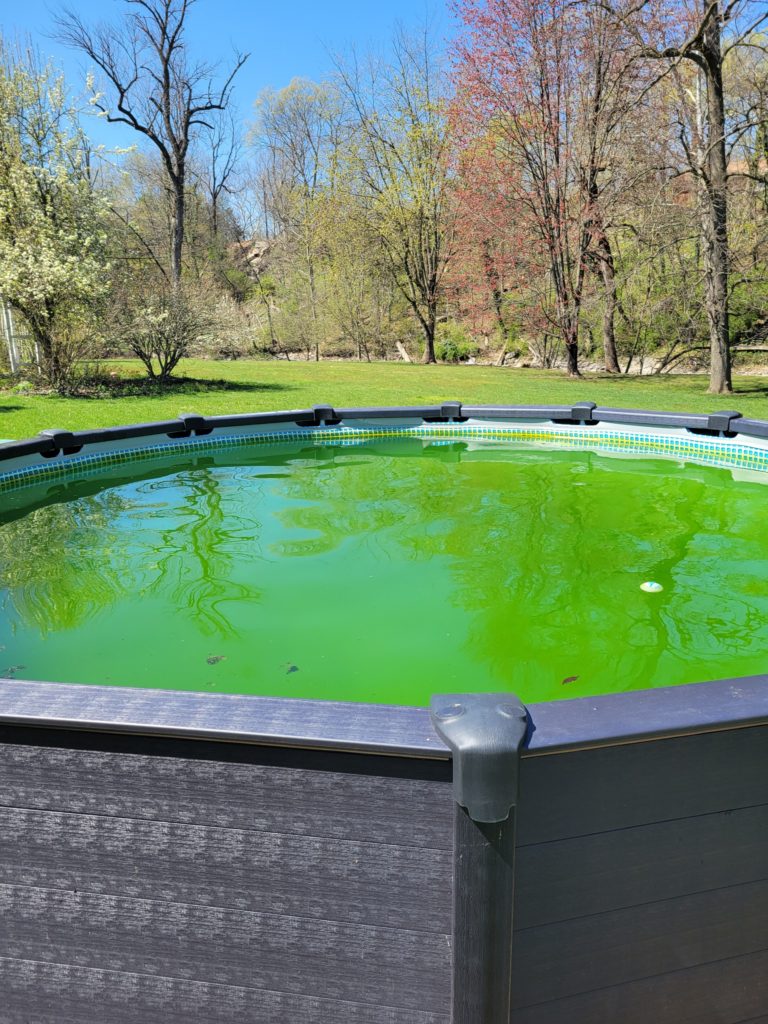
Credit: peonyst.com
Troubleshooting: What To Do If Your Pool Wasn’t Properly Dried
If you discover your pool was stored damp, act quickly.
Signs Of Trouble
- Musty smell
- Visible mold
- Sticky or slimy feel
- Discoloration
If you notice these signs, don’t ignore them. Even small spots can grow and ruin your pool.
How To Fix
- Unfold the pool and lay it out flat.
- Clean with a diluted bleach solution (1 tablespoon per gallon water).
- Rinse thoroughly.
- Dry completely before folding.
For stubborn stains, let the bleach solution sit for 5–10 minutes before scrubbing, but never use strong bleach directly on the vinyl. Always rinse several times to remove all bleach before drying.
If mold is severe, replace the pool liner.
Environmental Considerations
Draining and drying your pool affects the environment. Follow these guidelines:
- Drain water away from plants and foundation.
- Avoid letting pool chemicals enter storm drains.
- Use biodegradable cleaners when possible.
- Recycle old pool liners if possible.
If your water contains salt (from saltwater systems), take extra care to avoid harming grass or soil. Some recycling centers accept pool liners—check with your local waste service for options.
Drying Out Intex Pools In Humid Or Rainy Climates
Drying is harder in humid regions. Here are tips for success:
Use Indoor Space
If possible, dry your pool indoors—like a basement or garage. Use fans to speed up drying.
If you don’t have much space, hang parts of the pool over clean railings or large chairs to expose more surface area. Open windows for better air flow if weather allows.
Dehumidifiers
A dehumidifier helps reduce air moisture and speeds up drying.
Run it in the room for several hours before and during drying. You’ll notice a big difference in how quickly water evaporates.
Avoid Rainy Days
Never dry outside if rain is forecast. Even a few drops can ruin your work.
If your area is unpredictable, try to finish the draining and drying steps in one day to avoid unexpected weather problems.
Storing Your Pool Long-term: Advanced Tips
If you plan to store your pool for several months or years, consider these advanced tips.
Vacuum Storage Bags
Large vacuum bags remove air and moisture, protecting against mold.
Look for bags made for bedding or clothing. Make sure the pool is fully dry before sealing, or you’ll trap moisture inside.
Silica Gel Packets
Add several packets to your storage bin. They absorb moisture and keep your pool dry.
Replace silica packets every season for best results.
Periodic Checks
Check your stored pool every 3–6 months. If you find moisture, dry again.
Frequent checks catch problems early. If you live in a flood-prone area, keep your pool bin on a high shelf.
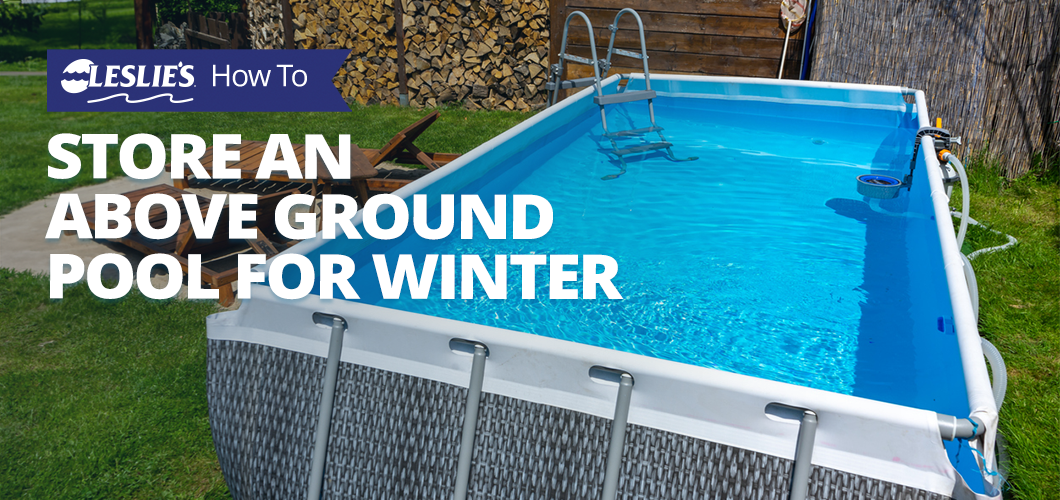
Credit: lesliespool.com
Real-world Example: Drying A 3,000-gallon Intex Pool
Let’s look at a real example. A family in Texas dries out their 3,000-gallon Intex pool each year.
- Drain: They use a garden hose and let gravity drain the pool over 2 hours.
- Clean: They scrub with mild soap, rinse, and remove dirt.
- Dry: Spread the pool on a tarp, towel dry, then use a leaf blower for seams.
- Final Check: After 6 hours, the pool feels dry. They fold gently and store in a bin with silica gel.
- Frame: Metal parts are wiped dry and stored in a separate bin.
Result: Their pool lasts over 5 years with no mold or damage.
Another example: A couple in Florida, where humidity is high, uses a dehumidifier in their garage to dry their medium-size pool. They add extra silica packets and check their bin every two months. Their pool has stayed clean and mold-free for four seasons.
Comparing Intex Pool Types: Drying Difficulty
Different Intex pools require different drying efforts.
| Pool Type | Drying Difficulty | Special Considerations |
|---|---|---|
| Inflatable | Easy | Quick draining, lightweight, folds easily |
| Easy Set | Medium | Check inflatable ring for water, folds well |
| Metal Frame | Hard | Frame pieces must be dried separately, heavy |
| Ultra Frame | Hard | Large size, complex folding, more seams |
Ultra Frame and Prism Frame models are the most challenging, not just because of size, but also because they have extra seams and thicker material that hold water. Inflatable pools are easiest, but don’t forget to dry the air ring—water can hide there.
Frequently Asked Questions
How Do I Know If My Intex Pool Is Completely Dry Before Storage?
Run your hand over all parts, especially seams and folds. If you feel any coolness or dampness, dry again. Use towels, a leaf blower, or let it air dry longer. Waiting an extra hour can prevent mold.
If you’re unsure, check with a piece of tissue paper—dab it on seams and folds. If it stays dry, your pool is ready for storage.
Can I Use A Hair Dryer To Speed Up The Drying Process?
It’s possible, but not recommended. Hair dryers are slow and can overheat vinyl, causing damage. A leaf blower or wet/dry vacuum is safer and more effective.
Also, hair dryers are not designed for outdoor use or for large surfaces. Stick to tools that move more air at a lower temperature.
What Is The Best Way To Store The Metal Frame Parts?
Dry each frame piece with a towel. Store them in a dry bin or box. If you live in a humid area, spray with a rust-prevention product. Keep away from water or chemicals.
For extra protection, wrap ends with a soft cloth or bubble wrap. This prevents scratching and rust.
Is It Safe To Dry My Pool Indoors?
Yes, as long as you protect the floor with a tarp and have good ventilation. Use fans or a dehumidifier to help. Indoor drying is helpful in rainy or humid climates.
If drying indoors, keep windows open or use an exhaust fan if possible.
How Often Should I Check My Stored Pool During The Off-season?
Check once during winter and again before reopening. Look for moisture, mold, or smells. If you find problems, unfold, clean, and dry again.
If your area is humid, consider checking every two months.
Drying out your Intex pool is not complicated, but it does require patience and attention to detail. By following these steps, you’ll avoid common mistakes and keep your pool in great shape for years. Remember to clean, dry, fold, and store carefully. For more detailed pool maintenance tips, visit SwimmingPool.com. With the right approach, you’ll enjoy a clean, fresh pool every summer—without unexpected surprises or repairs.