
Have you ever walked into your home and suddenly noticed a strong scent of cinnamon in the air? It can be pleasant at first—warm, comforting, almost festive. But when the cinnamon smell appears without explanation, it can also feel mysterious or even worrying. Many people wonder if it means something is wrong or if the source is harmless. If you find yourself asking, “Why do I smell cinnamon in my house?”—you’re not alone. In this guide, you’ll discover the many reasons this scent might appear, from the obvious to the unexpected. We’ll explore physical sources, biological explanations, and even some psychological factors, helping you understand what to do if the aroma lingers or seems out of place.
Common Physical Sources Of Cinnamon Smell
Most cases of unexplained cinnamon scent can be traced back to common household items or recent activities. Before you worry about hidden problems, it’s smart to check for these typical sources.
1. Spices And Cooking Ingredients
The most direct cause is, of course, actual cinnamon. Ground cinnamon, cinnamon sticks, or cinnamon-flavored products stored in your kitchen can release a strong scent, especially if the containers are not tightly sealed. Even a small spill in a cupboard can fill a room with aroma for days.
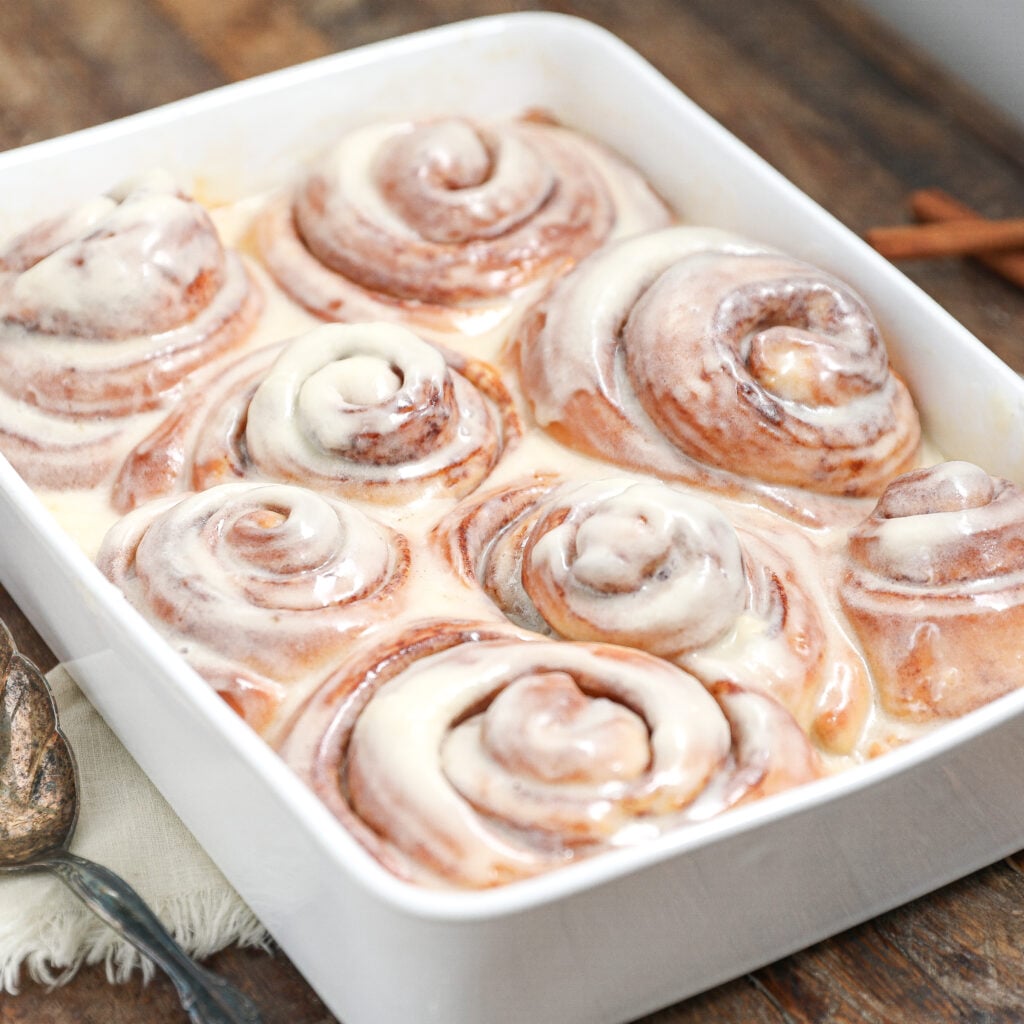
Cooking or baking with cinnamon—like making cinnamon rolls or apple pie—can leave behind lingering smells that travel through vents or stick to fabrics. Sometimes, the scent can last longer than you expect, especially in cooler or poorly ventilated homes.
2. Scented Products And Air Fresheners
Many air fresheners, candles, essential oils, and cleaning sprays use cinnamon or “spice” scents. If you’ve recently used a new product, check its label for cinnamon oil or related ingredients. Potpourri bowls, wax melts, and even seasonal plug-ins are common culprits.
Some people forget they’ve set up a new air freshener or candle, especially if it’s in a less-used room. These products are designed to be long-lasting, so the smell can remain noticeable for days or weeks.
3. Holiday Decorations
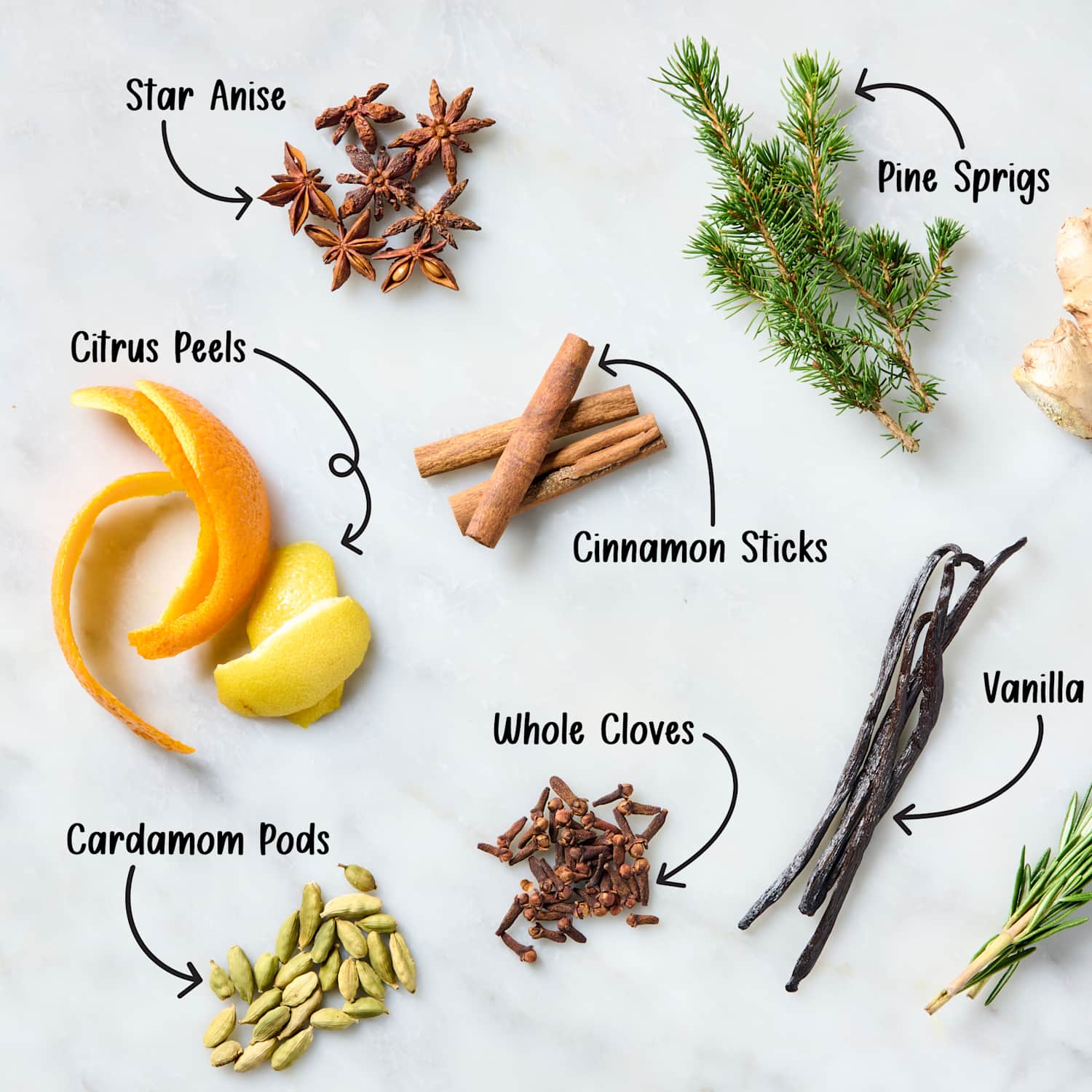
Around autumn and winter, many households use holiday décor infused with cinnamon or similar spices. Wreaths, pinecones, or sachets filled with cinnamon and cloves are popular. Even after the holidays, these decorations can keep releasing scent, especially if stored near heating vents.
4. Cleaning Products
Certain cleaners and polishes use cinnamon oil for its antibacterial properties and pleasant smell. If you’ve cleaned recently, the scent might cling to floors, countertops, or fabrics.
5. Pest Deterrents And Natural Remedies
Some people use cinnamon powder or oil as a natural way to repel ants, silverfish, or other pests. If you’ve sprinkled cinnamon along baseboards or in cupboards, or used cinnamon oil as a spray, the scent can be strong and persistent.
6. Scent Transfer From Clothing Or Bags
Cinnamon-scented items in bags, coats, or shoes—like a sachet in your closet or leftover bakery goods—can sometimes transfer their smell to your home, especially if they sit for a while in warm or poorly ventilated spaces.
7. Hvac And Air Ducts
Scents can travel through your heating, ventilation, and air conditioning (HVAC) system. If cinnamon was used in one part of the house, or if scented products were stored near air intakes, the smell might spread to other rooms. Sometimes, filters or ducts trap scents and release them again when air flows.
8. Neighbors Or Shared Spaces
If you live in an apartment or have close neighbors, it’s possible the cinnamon smell is coming from someone else’s cooking or air fresheners. Shared vents or thin walls can allow scents to move between units.
9. Residue In Appliances
Microwaves, toasters, or ovens sometimes hold onto strong scents after cooking. If someone recently heated up a cinnamon snack, the residual smell could linger when the appliance is used again.
Less Obvious Physical Causes
The above reasons are common, but not always obvious. Sometimes, cinnamon odors have less direct explanations.
1. Mold And Bacteria
Some types of mold or bacteria can produce odors that people describe as sweet, spicy, or similar to cinnamon. For example, certain strains of mold in HVAC systems or behind walls may release volatile compounds that smell like baking spices.
It’s important to investigate further if the cinnamon smell is accompanied by dampness, musty odors, or visible mold. While rare, this can signal a problem needing attention.
2. Chemical Reactions And Building Materials
Some building materials or household chemicals can create unusual scents when they interact. For example, certain adhesives, paints, or sealants can break down over time and release spicy or cinnamon-like smells, especially when exposed to heat.
New furniture, flooring, or construction work can sometimes be the source, particularly if materials are treated with scented compounds to mask chemical smells.
3. Fire Or Electrical Issues
In rare cases, overheating electrical components or wiring can emit a burning smell that some people perceive as “spicy” or “cinnamon-like.” This is more likely if the smell is accompanied by a faint burning or plastic odor.
If you notice the smell along with flickering lights, hot outlets, or other electrical problems, act quickly. Electrical issues can be dangerous, and it’s best to consult a professional.
4. Animals And Pests
Some rodents and insects produce pheromones or secretions that humans interpret as spicy or sweet. For example, certain ant species have a scent similar to cinnamon when crushed. If you notice other signs of pests—droppings, nests, or damage—this could be the cause.
Credit: thesaltycooker.com
Psychological And Medical Explanations
If you can’t find a physical source, it’s worth considering psychological or medical reasons for the cinnamon scent.
1. Phantosmia (olfactory Hallucinations)
Phantosmia is a condition where you smell odors that aren’t present. These “phantom smells” can be triggered by colds, sinus infections, migraines, or certain neurological conditions. Cinnamon, burnt toast, and smoke are among the most common phantom scents.
If you’re experiencing other symptoms—like headaches, dizziness, or changes in taste—it’s important to talk to a doctor. While phantosmia is often harmless, it can sometimes be a sign of more serious issues.
2. Memory And Scent Association
Our brains often link smells with memories or emotions. If you’ve recently thought about cinnamon, seen related images, or discussed cinnamon-flavored foods, your mind might “fill in” the scent even when it’s not present. Stress and fatigue can also make you more sensitive to subtle odors.
3. Medication Side Effects
Some medications can alter your sense of smell or create phantom odors. Antidepressants, antibiotics, and treatments for high blood pressure are sometimes linked to olfactory changes. If you’ve started a new medicine recently, check the possible side effects or consult your doctor.
4. Hormonal Changes
Changes in hormones—due to pregnancy, menopause, or thyroid conditions—can sometimes heighten your sense of smell or cause you to notice scents more strongly than before. For some people, this means picking up on subtle spicy or sweet notes in the air.
How To Identify The Source Of Cinnamon Smell
When you notice a persistent cinnamon scent in your home, it’s important to take a systematic approach to finding its source.
1. Retrace Recent Activities
Think about what you or others in your home have done recently. Did anyone cook or bake with cinnamon? Were new air fresheners, cleaning products, or scented candles used? Even small events can explain lingering smells.
2. Inspect High-risk Areas
Check kitchens, bathrooms, and storage spaces for open containers, spills, or hidden products. Look for sachets, potpourri, or cinnamon sticks in drawers, closets, or with holiday decorations.
3. Examine Appliances And Ventilation
Open your oven, microwave, toaster, and other appliances. Clean any residue that might be holding onto the scent. Check air filters, ducts, and vents for signs of trapped odors or mold.
4. Ask Others
Sometimes, you may become used to a smell and not notice it as strongly as a visitor would. Invite a friend or family member to help you identify the area where the scent is strongest.
5. Rule Out Medical Causes
If you can’t find a physical source and the scent persists, consider whether medical factors could be at play. Keep track of any additional symptoms and seek medical advice if needed.
6. Monitor Over Time
Take note of when the smell appears—morning, night, after using certain appliances, or during specific weather. Patterns can help narrow down possible causes.
Hidden Dangers: When To Be Concerned
Most cinnamon smells in the home are harmless and come from natural or artificial sources. However, certain situations call for caution.
1. Signs Of Mold Or Electrical Issues
If the scent is mixed with musty, damp, or burning odors, take action. Mold can cause health problems, especially for those with allergies or asthma. Electrical problems can lead to fire hazards.
2. Persistent Phantom Smells
If only you notice the scent, and it doesn’t go away after cleaning and searching, consult a healthcare provider. Phantom smells can sometimes signal neurological issues or infections.
3. Sudden Changes In Scent
A sudden, strong change in your home’s smell—especially if spicy or burning—could mean an appliance or wiring problem. Take this seriously and check for other warning signs.
Table: Common Sources Vs. Uncommon Sources Of Cinnamon Smell
To help you quickly compare the most likely and less likely sources, see the table below.
| Common Sources | Uncommon Sources |
|---|---|
| Cooking/baking with cinnamon | Mold or bacteria growth |
| Scented candles or air fresheners | Chemical reactions in building materials |
| Holiday decorations | Overheating electrical components |
| Cleaning products with cinnamon oil | Pheromones from pests |
| Pest deterrent methods using cinnamon | Olfactory hallucinations (phantosmia) |
| Residue in kitchen appliances | Medication side effects |
Comparing Cinnamon Smell With Other Common Household Odors
Understanding how the cinnamon smell compares with other common odors can help you differentiate between harmless and potentially dangerous scents.
| Odor | Possible Source | Should You Worry? |
|---|---|---|
| Cinnamon/spicy sweet | Food, scented products, mold, wiring | Check for electrical or mold issues if unexplained |
| Musty/earthy | Mold, mildew, dampness | Investigate for leaks or hidden moisture |
| Burning/plastic | Electrical wiring, appliances | Seek help immediately |
| Sulfur/rotten eggs | Gas leak | Evacuate and call gas company |
| Fishy | Electrical, plumbing, spoiled food | Check for wiring or spoiled food |
How To Remove Cinnamon Smell From Your Home
Sometimes, you may want to eliminate the cinnamon scent, especially if it’s too strong or comes from an unknown source. Here’s how to do it safely and effectively.
1. Improve Ventilation
Open windows and doors to let fresh air circulate. Use fans to speed up the process. Good airflow can help remove lingering odors.
2. Clean Surfaces
Wipe down countertops, cabinets, and appliances with a mild cleaning solution. Pay special attention to areas where cinnamon or scented products may have spilled.
3. Wash Fabrics
Curtains, tablecloths, and upholstery can trap scents. Wash removable fabrics and vacuum upholstered furniture. Use baking soda on carpets before vacuuming for extra odor removal.
4. Replace Air Filters
If your HVAC system is spreading the scent, replace or clean the filters. You may also want to have your ducts professionally cleaned if the smell persists.
5. Remove Scented Products
Check for forgotten air fresheners, candles, or sachets and remove them. Store spices in airtight containers to prevent aroma leakage.
6. Use Odor Absorbers
Place bowls of baking soda, activated charcoal, or white vinegar in the affected area. These materials naturally absorb odors over time.
7. Seek Professional Help
If you suspect mold, electrical problems, or can’t identify the source after trying the steps above, consider calling a professional. Mold inspectors, electricians, or cleaning specialists can find hidden causes and offer solutions.
Table: Methods To Remove Cinnamon Smell
Here’s a quick overview of odor removal methods and how effective they are.
| Method | Effectiveness | Best Use |
|---|---|---|
| Ventilating (opening windows/doors) | High | General odor removal |
| Cleaning surfaces | High | Spills, kitchen areas |
| Washing fabrics | Medium to high | Upholstery, curtains, carpets |
| Replacing air filters | Medium | HVAC or duct-related smells |
| Odor absorbers (baking soda, charcoal) | Medium | Closed spaces, persistent odors |
| Professional services | Very high | Mold, electrical, or hidden causes |
Non-obvious Insights: What Beginners Often Miss
While the above covers the basics, there are a few points many people overlook:
- Scent layering is real. Homes often carry a mix of odors from different sources. Even if you remove a cinnamon-scented candle, lingering traces on fabrics or in air ducts can keep the smell alive. It’s worth cleaning in layers—air, surfaces, and fabrics—to fully remove the scent.
- Seasonal changes affect how scents travel. In colder months, closed windows and more time indoors can trap smells. Heating systems might recirculate odors that seem to “appear” out of nowhere as soon as you turn on the heat.
- Scent fatigue can hide the real problem. When you’re exposed to a smell for a long time, your nose stops noticing it. Ask someone who doesn’t live with you to sniff out problem areas—they might pick up on the cinnamon scent more clearly.
- Underlying health conditions like sinus infections or even simple dehydration can make you more aware of certain smells or even create phantom odors. Keeping hydrated and treating minor colds can sometimes resolve the issue.
- Cross-contamination between rooms is common. A cinnamon-scented soap in the bathroom can be carried to the kitchen through towels, hands, or even pets.
When Should You Seek Professional Help?
If you’ve tried all the steps and the cinnamon smell remains, or if you notice the following, it’s time to get help:
- The smell is mixed with burning, musty, or chemical odors.
- You see visible mold, water damage, or electrical issues.
- You experience health symptoms like headaches, dizziness, or breathing problems.
- Only you notice the smell, especially if it’s persistent or gets stronger over time.
A professional can inspect for hidden mold, faulty wiring, or other dangers that could put your health or safety at risk.
Interesting Facts About Cinnamon And Scent Perception
- The main compound responsible for cinnamon’s smell is cinnamaldehyde. This compound is used not only in food but also in cleaning products and perfumes.
- Studies show that smell is the sense most closely linked to memory, which is why cinnamon often brings back strong feelings of comfort or nostalgia.
- Some cultures use cinnamon oil as a natural cleaner and antiseptic due to its antimicrobial properties.
- In rare cases, certain types of wood rot can produce aromas similar to spices, which can confuse homeowners.
- According to the U.S. National Library of Medicine, phantosmia affects about 1 in 15 people at some point, with spicy or burning scents among the most common.
For more on the science of smell and how the brain processes scents, you can visit the Wikipedia page on olfaction.
Credit: www.thekitchn.com
Frequently Asked Questions
What Does It Mean If I Keep Smelling Cinnamon With No Source?
If you regularly smell cinnamon with no clear source, it could be due to phantosmia, a condition where your nose detects smells that aren’t there. It’s often harmless but can be linked to sinus infections, migraines, or neurological issues. If the smell is persistent, check with your doctor.
Is A Cinnamon Smell In The House A Sign Of Mold?
Some types of mold or bacteria can create scents that people describe as sweet or spicy, similar to cinnamon. If you notice the smell along with mustiness, dampness, or visible mold, have your home checked by a professional.
Can Electrical Problems Cause A Cinnamon Smell?
While rare, overheating electrical components or burning wires can sometimes create a spicy or cinnamon-like odor. This is usually mixed with a burnt or plastic smell. If you notice this, turn off the power and call an electrician immediately.
How Long Does It Take For A Cinnamon Smell To Leave The House?
This depends on the source and how well you clean. Natural cinnamon scents from cooking or candles may fade in a few hours with good ventilation, while stronger or hidden sources can linger for days. Deep cleaning and airing out the house speed up the process.
Can Stress Or Emotions Make Me Think I Smell Cinnamon?
Yes, stress, fatigue, or strong emotions can sometimes make your brain more sensitive to smells or even “imagine” them. Memory and scent are closely linked, so thinking about cinnamon or seeing related images can trigger the perception of the scent.
If you ever notice an unexplained cinnamon smell in your home, take a calm, step-by-step approach to finding and fixing the cause. Most of the time, the solution is simple—and you might even enjoy the cozy scent while it lasts.
But if the smell is strong, persistent, or comes with other warning signs, don’t hesitate to investigate further or seek expert help. Your nose is often the first warning system your home has—trust it, and you’ll keep your living space safe and comfortable.

Credit: joseandres.substack.com