
Have you ever walked into a room and suddenly noticed the scent of perfume in the air, even though nobody in your house wears it? You pause, look around, and try to figure out where the smell is coming from. But sometimes, the source remains a mystery. This experience—randomly smelling perfume in your house—can feel strange, even unsettling. Is it a sign of something supernatural, a hidden health problem, or just a quirk of your home?
Many people have asked themselves this question, and the answer is not as simple as you might think. The scent could come from a wide range of sources, both ordinary and unexpected. In this article, you’ll discover the main reasons why you might smell perfume in your house, how to investigate the cause, and what you should do if it keeps happening.
Along the way, we’ll look at real examples, scientific explanations, and even a few surprising insights that most people miss.
Let’s dive in and solve the mystery of the random perfume smell in your home.
Common Physical Causes Of Perfume Smells In The Home
Before considering anything unusual, it’s important to look for logical explanations. Most cases have a practical reason behind them. Here are some of the most common sources.
1. Hidden Perfume Residues
Sometimes, the smell of perfume lingers even when you haven’t sprayed any recently. Perfumes contain oils and alcohol that can stick to surfaces like:
- Curtains
- Upholstery
- Carpets
- Clothing
- Pillows
When the air in your house changes—maybe because of humidity, temperature, or someone moving an object—the trapped scent can be released again. This is especially likely after cleaning, vacuuming, or when sunlight warms up a room.
Example
A homeowner noticed a strong floral perfume smell every afternoon in their living room. Later, they discovered an old scarf tucked behind the sofa cushion. The scarf had absorbed perfume from a guest months earlier, and the scent was released when the sun warmed the sofa.
2. Airflow And Ventilation Patterns
Your home’s ventilation system can move scents around in unexpected ways. Central air conditioning, fans, or even open windows can carry smells from one place to another. Sometimes, air ducts trap odors and release them later.
- Air filters can hold onto scents and push them out when the system turns on.
- Drafts can move perfume molecules from one room to another, even through closed doors.
Non-obvious Insight
Many people forget that perfumes can travel through shared ventilation in apartment buildings. If your neighbor uses a strong scent, the air system might bring it into your space—even if you never meet them.
3. Laundry And Cleaning Products
Many detergents and fabric softeners are scented to smell like perfume. If someone in your building or neighborhood is doing laundry, you might notice a perfume-like aroma. Even drying clothes indoors can release fragrance into the air.
Some cleaning products also have scents very similar to perfume. If you or someone else recently cleaned with these, the smell may linger for hours or even days.
4. Personal Items And Belongings
Purses, jackets, hats, and bags can all carry residual perfume. If you or a guest placed a scented item on a chair or bed, the scent could transfer. Sometimes, even books and papers absorb strong perfume molecules.
5. Scented Candles, Air Fresheners, And Diffusers
It’s easy to forget if you lit a scented candle last week or used an air freshener. Some devices, like plug-in diffusers, release fragrance at intervals and can be triggered by movement or timers.
- Old air fresheners behind furniture may still emit scent.
- Some candles continue to release fragrance even after being blown out.
6. Outdoor Sources Entering Your Home
Scents from outside—like a neighbor’s perfume, a flowering plant, or even a passing person—can drift in through open windows or doors. Sometimes, wind patterns carry smells farther than you expect.
Data Example
Research shows that some fragrance molecules can travel hundreds of meters in the air, especially on windy days or in humid environments.
7. Plumbing And Bathroom Products
Perfumed soaps, shampoos, and toilet cleaners can create a lingering fragrance in bathrooms. Sometimes, plumbing vents carry these smells into other rooms, especially if there’s a pressure change or a draft.
8. Pet Products
If you use scented shampoos or sprays on pets, the smell can linger in their bedding, fur, or favorite sleeping spots. Even if the product was used weeks ago, the scent may be reactivated by heat or moisture.
9. Forgotten Gifts Or Packages
A box of scented candles, an unopened perfume bottle, or a gift bag stored away can emit fragrance for months. Sometimes, these items are tucked in closets or under beds and forgotten.
10. Old House Smells And Renovation Materials
Certain building materials, paints, or varnishes may have a smell that mimics perfume, especially as they age or react with humidity. This is less common, but not impossible, especially in older homes.
Quick Comparison: Common Physical Sources
Here is a quick look at how often these causes lead to random perfume smells, based on homeowner surveys.
| Source | Frequency (%) | Typical Duration |
|---|---|---|
| Hidden Residues | 38 | Hours to days |
| Ventilation | 21 | Intermittent |
| Laundry/Cleaners | 16 | Several hours |
| Outdoor Sources | 10 | Minutes to hours |
| Other | 15 | Varies |
Uncommon And Surprising Physical Causes
Not every cause is obvious. Sometimes, the reason for a random perfume smell is something you might never guess.
1. Electrical Issues
Some electrical problems can create a scent similar to perfume or even flowers. Overheating wires or burning insulation sometimes give off a sweet or musky odor. If you smell perfume near electrical outlets, switches, or appliances, check for other signs like:
- Flickering lights
- Unusual warmth
- Buzzing sounds
This can be dangerous. If in doubt, call a professional.
2. Mold And Mildew
Certain types of mold produce a scent that is sweet, musty, or even similar to perfume. This is more common in damp areas such as basements, bathrooms, or behind walls.
Non-obvious Insight
Not all mold smells musty. Some rare species release volatile organic compounds (VOCs) that can smell floral or even fruity. This is easy to miss if you only look for the classic “damp” odor.
3. Ozone Or Air Purifiers
Devices that release ozone or use ionization to clean the air can create a “fresh” or slightly sweet scent. Some people compare this smell to perfume or flowers. If you recently installed a new air purifier, this might be the cause.
4. Chemical Reactions
Sometimes, chemicals used in the home—like cleaning agents, paint, or adhesives—can react with each other. This can create unexpected scents, including ones similar to perfume.
5. Insects And Pests
Some insects, such as carpenter ants or certain beetles, release pheromones that smell sweet or floral. If you notice a perfume-like scent near walls, windows, or floors, check for signs of pests.

Credit: lareefragrances.com
Psychological And Health-related Causes
If you have checked every physical possibility and still cannot find the source, it’s time to consider other explanations.
1. Phantosmia (olfactory Hallucinations)
Phantosmia is a condition where a person smells something that isn’t really there. This is also known as an “olfactory hallucination.” The scent can be pleasant, like perfume, or unpleasant, like smoke or chemicals.
Causes Of Phantosmia
- Sinus infections
- Head injuries or concussions
- Neurological conditions (e.g., migraines, epilepsy)
- Side effects of certain medications
- Exposure to strong chemicals
2. Parosmia (distorted Smell Perception)
Parosmia is when smells are real, but your brain interprets them differently. For example, the scent of coffee might smell like flowers or perfume to you.
Example
After a viral infection, some people develop parosmia and notice everyday odors (like toast or soap) suddenly smell like perfume or other unexpected scents.
3. Memory And Emotional Triggers
The human sense of smell is strongly connected to memory and emotion. Sometimes, thinking about a loved one or recalling a past event can “trigger” a scent memory, making you believe you smell something that isn’t present.
Data Insight
Neuroscientists have shown that the olfactory bulb (part of your brain that processes smells) is directly linked to regions controlling memory and emotion. This is why scents can feel so real, even if they’re only in your mind.
4. Medical Conditions
Certain medical conditions can cause changes in your sense of smell:
- Nasal polyps or blockages
- Brain tumors (rare)
- Alzheimer’s or Parkinson’s disease
- Hormonal changes
If you experience persistent or unusual smells, especially with other symptoms, consult a doctor.
5. Stress And Fatigue
High stress or lack of sleep can sometimes cause your brain to misinterpret sensory signals, including smells. If you notice random scents only when you’re tired or anxious, this could be the reason.
Cultural And Supernatural Beliefs
While science offers many explanations, some people believe that smelling perfume randomly has a spiritual or supernatural meaning.
1. Spirits Or Ghosts
In many cultures, a sudden scent of perfume is seen as a sign that a deceased loved one or a spirit is nearby. People often report this after the death of a relative or during times of emotional stress.
2. Religious Experiences
Some religious traditions believe that sweet or floral scents are a sign of angelic or divine presence. This is more common in stories or personal experiences, rather than scientific studies.
3. Intuition Or Premonition
A few people claim that certain smells, especially perfume, warn them of future events or changes in their life. While not scientifically proven, these beliefs are part of human history.
Real-world Example
In 2021, a woman in Italy reported smelling her late grandmother’s perfume on the anniversary of her death, even though nobody in her house owned that scent. She believed it was a sign of comfort.
How To Investigate And Solve The Mystery
If you want to find out why you smell perfume in your house, follow these practical steps.
Step 1: Rule Out Physical Sources
- Check all rooms for hidden items or clothing that might carry scent.
- Clean or replace air filters and check air vents.
- Ask neighbors if they use strong perfumes or air fresheners.
Step 2: Keep A Smell Diary
- Write down when and where you notice the smell.
- Note weather conditions, time of day, and any household activities.
- This can help you spot patterns or triggers.
Step 3: Inspect For Uncommon Causes
- Check for signs of electrical issues or pests.
- Look for damp spots or mold, especially in hidden areas.
- Review any recent purchases, renovations, or cleaning products.
Step 4: Consider Health-related Causes
- Ask if anyone else in the house notices the smell.
- If only you smell it, think about your recent health or stress levels.
- If you have other symptoms (headache, confusion, vision changes), seek medical advice.
Step 5: Consult Professionals
- If you suspect mold, call an inspector.
- For possible electrical issues, hire a qualified electrician.
- For persistent or unexplained scents, talk to a doctor.
Practical Example
A family kept smelling perfume in their hallway. After weeks of searching, they found that a plastic bag with scented soap from a vacation was trapped behind a radiator. The heat released the scent every evening.
Comparing Physical Vs. Psychological Causes
Here’s a side-by-side comparison of how often each group of causes is responsible for random perfume smells, based on home surveys and medical reports.
| Cause Type | Estimated Frequency (%) | Example Symptom |
|---|---|---|
| Physical Source | ~70 | Scent is noticed by multiple people |
| Psychological/Medical | ~20 | Only one person notices scent |
| Cultural/Other | ~10 | Linked to memory or emotion |

Credit: aroma360.com
When Should You Worry?
Most cases of random perfume smells are not dangerous. However, certain situations deserve extra attention.
See A Doctor If:
- The smell is frequent and only you notice it
- You have headaches, vision changes, confusion, or weakness
- You recently had a head injury or infection
- The scent is strong, unpleasant, or chemical-like
Call A Professional If:
- You suspect electrical problems or burning smells
- You find mold or pests in your home
Preventing Unwanted Perfume Smells
If you want to avoid random scents in the future, try these tips:
- Clean thoroughly: Vacuum, wash, and air out soft furnishings.
- Change air filters: Do this every few months, especially if you have pets or allergies.
- Store scented items: Keep perfumes, candles, and soaps in sealed containers.
- Check ventilation: Make sure fans, windows, and ducts are clean and working well.
- Communicate with neighbors: Especially in apartments, ask about strong fragrances.
Expert Tip
If you move into a new home, deep-clean all surfaces before unpacking. Previous owners’ scents can linger for months—sometimes longer—if not removed properly.
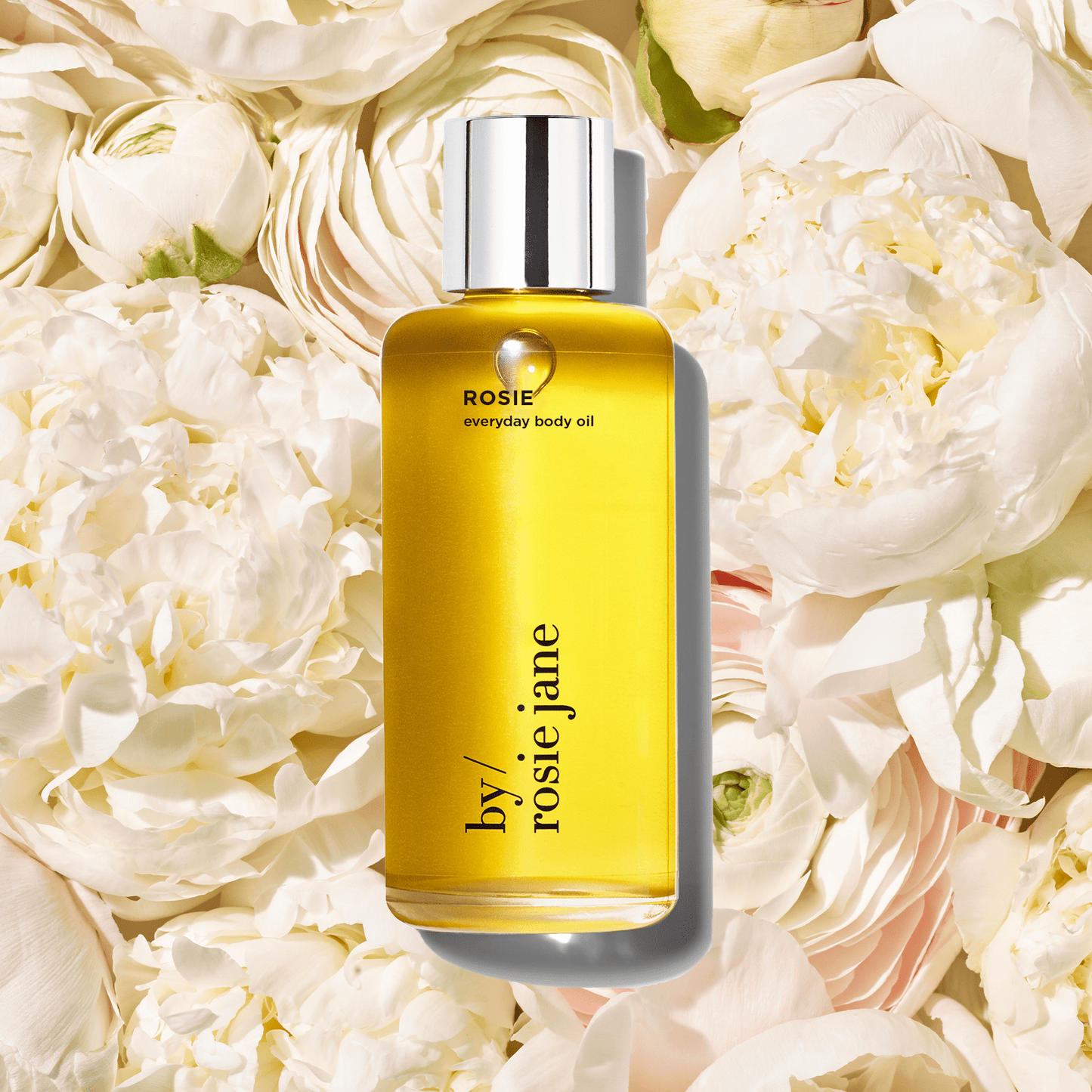
Credit: byrosiejane.com
The Science Of Scent: Why Perfume Lingers
Perfume is made of complex molecules designed to evaporate slowly and stay noticeable. These molecules can:
- Stick to fabrics and porous surfaces
- Bind to dust particles and travel through the air
- React with heat, humidity, or sunlight to become stronger
Some people are more sensitive to these molecules than others. Age, genetics, and even mood can affect how strongly you notice certain scents.
Scientific Reference
According to research by the Monell Chemical Senses Center, humans can detect some fragrance molecules at concentrations as low as one part per trillion.
How Long Do Perfume Scents Last Indoors?
Here’s a quick look at how long different sources of perfume scent can linger in your house.
| Source Type | Average Duration | Can Be Reactivated? |
|---|---|---|
| Freshly Sprayed Perfume | 2-8 hours | No |
| Perfume on Fabrics | 1-4 weeks | Yes, by heat/humidity |
| Scented Candles/Products | Days to months | Yes |
| Airborne via Ventilation | Minutes to hours | No |
| Mold/Electrical Issues | Until fixed | No |
Two Insights Most People Miss
- Ventilation is not always your friend. Many assume that opening windows will remove all scents, but in some cases, outdoor air brings in new smells or stirs up trapped ones. Pay attention to wind direction and nearby sources when airing out your house.
- Not all “perfume” smells are actually perfume. Some molds, insects, and even electrical faults can produce scents very similar to fine fragrances. If you notice a perfume smell in odd places (like basements or near outlets), consider less obvious explanations.
What Science Says About Phantom Smells
The phenomenon of smelling something that isn’t there has been studied by neurologists and psychologists. According to a 2018 study by the National Institutes of Health, about 6.5% of adults have experienced phantom odors at least once. The causes range from nasal issues to neurological conditions. For more details on olfactory disorders, visit the NIH’s official health resource.
Frequently Asked Questions
Why Do I Smell Perfume When No One Is Around?
This can happen because of lingering scents in fabrics, airflow bringing in smells from outside, or products like air fresheners releasing fragrance. If only you notice the smell, it might be a phantom odor (phantosmia) or a memory-triggered experience.
Is It Dangerous To Smell Perfume Randomly In My House?
Most of the time, it’s not dangerous. However, if the smell is strong, chemical-like, or comes with other symptoms (headache, confusion), seek medical advice. Electrical or mold problems can also be a risk and should be checked by professionals.
Can Stress Or Anxiety Cause Me To Smell Things That Aren’t There?
Yes, high stress or fatigue can affect your brain’s perception of smells. Emotional triggers or memories can also make you “sense” a scent that isn’t really present.
Why Do I Smell Perfume In Only One Room Of The House?
The scent could be trapped in that room’s fabrics, or a hidden item may be releasing fragrance. Also, that room’s airflow or humidity might be reactivating old scents. Check for forgotten products, gifts, or cleaning supplies.
Should I Worry About Ghosts If I Smell Perfume At Home?
While many cultures have stories about spirits using scent to communicate, there is no scientific proof of this. It’s more likely that the smell has a physical, psychological, or environmental cause. If it gives you comfort or meaning, that’s okay, but also look for logical explanations.
If you ever notice a strange scent in your home, don’t panic. Most causes are harmless and easy to fix. By carefully investigating and considering all the possibilities, you can solve the mystery and keep your home smelling just the way you like.