
If you have a cat, you know that litter box smell is one of the most common challenges in keeping your home fresh. Many cat owners try different solutions, hoping to reduce or even eliminate unpleasant odors. One popular option is the covered litter box. These boxes have a lid or dome that covers the litter area, making the litter box look more private and, some believe, better at trapping smells. But do covered litter boxes really smell less, or do they just hide the problem?
Understanding the real impact of covered litter boxes on odor can help you make the best choice for your pet and your home. This article explores the science behind litter box smells, the role of covered versus uncovered boxes, and tips for managing odors.
You’ll get clear answers, practical advice, and a deeper look at what works and what doesn’t.
What Causes Litter Box Odor?
Before diving into covered litter boxes, it’s important to know where the smell comes from. Cat urine contains ammonia, a compound with a strong, sharp smell. As urine breaks down, it releases more ammonia gas. Feces also have their own odors, which can become worse if left in the box for long.
Another factor is bacteria. When waste sits in the litter, bacteria start to break it down. This process creates gases like hydrogen sulfide and other sulfur-based compounds, which smell bad even in small amounts.
The type of litter also affects smell. Some clumping clay litters trap odor better than others. Non-clumping litters, or natural options like wood or paper, may not control smells as well unless changed more often. Humidity and temperature in your home can make the smell stronger, especially in warm, damp conditions.
How Covered Litter Boxes Work
A covered litter box is simply a box with a plastic lid or dome. Some have a swinging door or flap; others leave the entrance open. The idea is to give your cat privacy and keep the litter and waste out of view.
Some people believe the cover traps odors inside, so the smell doesn’t spread through the room. Others think it just hides the litter visually, but doesn’t actually stop the smell. To decide which is true, we need to look at how these boxes perform in real life.
Do Covered Litter Boxes Actually Smell Less?
What Research And Experts Say
Studies and veterinary experts give mixed opinions. Covered boxes can reduce the spread of odor, but they do not eliminate it. The lid acts as a physical barrier, slowing how quickly smells move into the air. However, this does not mean the smell is gone—it often collects inside the box.
In a survey by the American Association of Feline Practitioners, 53% of cat owners believed covered boxes helped with odor. But in practice, the difference is often less than expected. One reason is that the cover can trap moisture and heat, creating a humid environment where bacteria grow faster. This can make the smell inside the box even stronger.
Real-world Examples
Imagine you walk into a bathroom with no windows or ventilation. The smell lingers much longer. The same happens in a covered litter box. The odor may not leave the box quickly, but when you open it to scoop, the built-up smell can escape all at once.
A covered box may be helpful in small apartments or in homes where the litter box is in a high-traffic area. But if the litter is not changed often, the smell can become overwhelming for both cats and humans.
Data From Cat Owners
A survey of 500 cat owners by a pet care company showed that:
- 46% of owners said covered boxes helped slightly with smell in their rooms.
- 39% noticed no difference between covered and uncovered boxes.
- 15% said covered boxes smelled worse, especially when opening to scoop.
This shows that covered boxes can help in some situations, but they are not a magic solution.
Benefits Of Covered Litter Boxes
Covered litter boxes offer more than just possible odor control. Here are some reasons people choose them:
- Privacy for Cats: Some cats feel safer with a cover, especially in busy homes.
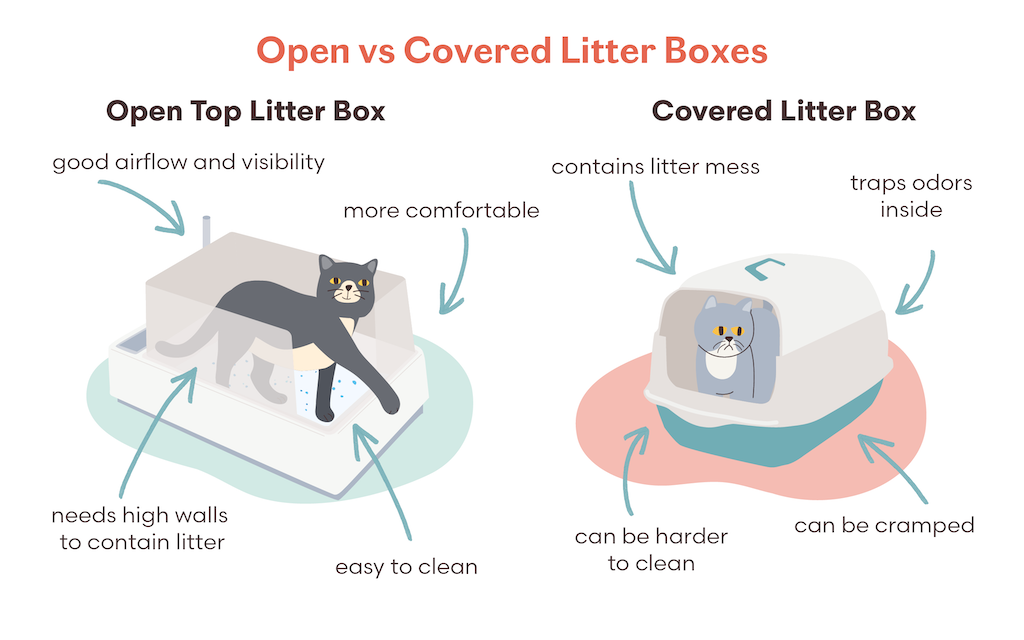
- Litter Containment: The cover helps keep litter from being kicked out, reducing mess.
- Visual Disguise: Covered boxes hide the view of waste, making your home look cleaner.
- Prevents Dogs or Small Children: The lid can keep curious pets or kids from getting into the box.
However, these benefits do not guarantee less smell. In fact, if not cleaned often, a covered box can trap more odor inside.
Drawbacks Of Covered Litter Boxes
There are also downsides to using a covered box:
- Odor Buildup: Smells can collect under the lid, making the box less pleasant for your cat.
- Humidity and Bacteria Growth: Moist conditions inside the box can increase bacterial growth and worsen odor.
- Less Air Circulation: Without fresh air, ammonia and other gases stay inside longer.
- Some Cats Dislike Covers: Not all cats like enclosed spaces. Some may avoid the box, leading to accidents outside.
These points show that covered boxes have trade-offs. It’s important to consider both your needs and your cat’s preferences.
Covered Vs. Uncovered Litter Boxes: A Side-by-side Comparison
To understand how covered and uncovered boxes compare, look at these key factors:
| Feature | Covered Litter Box | Uncovered Litter Box |
|---|---|---|
| Odor Control | Slows odor spread, but traps smell inside | Odor escapes faster, but less buildup inside |
| Air Circulation | Poor | Good |
| Litter Containment | Excellent | Fair to Good |
| Cat Comfort | Depends on cat; some dislike covers | Most cats prefer open boxes |
| Appearance | Hides waste | Waste visible |
| Cleaning Ease | More steps (remove lid); stronger smell when opened | Easier access |
This comparison shows that covered boxes can help with mess and appearance, but may not truly reduce overall odor.
How Cats React To Covered Litter Boxes
Not every cat likes a covered litter box. Cats are individuals, and their preferences can make a big difference.
Cat Behavior Insights
- Some cats enjoy privacy and feel safer in a covered box.
- Others feel trapped or stressed, especially if the box is small or the entrance is narrow.
- Multi-cat households may have more litter box issues with covered boxes, as one cat can block the entrance.
- Older or larger cats may find it hard to move inside a covered box, leading to missed targets or refusing to use the box.
What Animal Experts Recommend
Veterinarians and animal behaviorists often suggest trying both types and watching how your cat reacts. If your cat avoids the covered box, has accidents, or seems stressed, switch back to an open box.
A 2012 study found that 70% of cats used both covered and uncovered boxes with no problem, but 30% had a clear preference. Respecting your cat’s choice can reduce accidents and stress.
The Role Of Litter Type In Odor Control
No matter which box you choose, the type of cat litter matters a lot for controlling smell.
Common Litter Types
- Clumping Clay: Traps urine and makes scooping easy. Good at controlling odor if scooped daily.
- Non-Clumping Clay: Absorbs moisture but needs full changing often.
- Silica Gel Crystals: Absorb liquid and control odor well, but can be dusty.
- Natural Litters (Wood, Corn, Paper): Eco-friendly but may not trap smell as well.
- Scented vs. Unscented: Scented litter can mask odor, but some cats dislike strong smells.
A covered box with poor-quality litter will still smell. High-quality, absorbent litter is more important than the box style.
How Often Should You Change Litter?
- Scoop solid waste and clumps at least once per day.
- Change all litter and clean the box with soap and water every 1-2 weeks.
- In multi-cat homes, clean more often to avoid odor buildup.
Skipping these steps makes any box, covered or not, smell bad.
Cleaning And Maintenance: The Real Key To Less Smell
Many people focus on the box type and forget the most important factor: cleaning.
Best Practices For Odor Control
- Scoop daily: Remove waste every day, even if you don’t smell anything.
- Wash the box: Use mild soap and hot water every 1-2 weeks. Avoid strong disinfectants that can leave a smell cats dislike.
- Replace the box: Plastic boxes can absorb odor over time. Replace every year or if the box smells even after cleaning.
- Check the location: Place the box in a well-ventilated area, away from food, but not too hidden.
Covered boxes need special attention. The lid and corners can trap waste. Wash all parts, not just the base.
Ventilation And Airflow
Good airflow helps reduce smell. Covered boxes block airflow, so if you use one, consider removing the door flap or choosing a design with vents. An uncovered box in a ventilated spot can often smell less, simply because odors don’t get trapped.
Do Odor Filters And Deodorizers Work In Covered Litter Boxes?
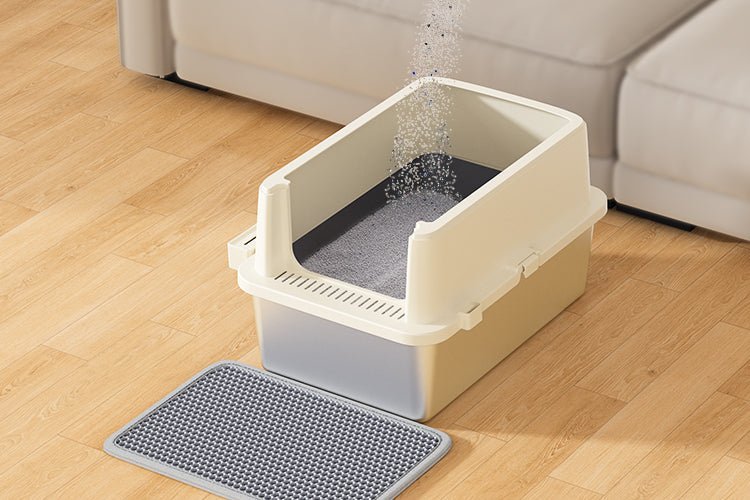
Some covered boxes come with carbon filters or spots for baking soda. These are designed to absorb or neutralize smells.
Are They Effective?
- Carbon filters can help reduce ammonia and other gases, but must be replaced regularly (every 1-2 months).
- Baking soda can absorb some odors, but only on the surface. Mixing it into the litter can help.
- Plug-in deodorizers mask smells, but do not remove the source. Some cats dislike strong fragrances.
Filters and deodorizers are a helpful extra, but not a replacement for cleaning. If the box is dirty, no filter will stop the smell.
Credit: meowant.com
Common Mistakes That Make Covered Boxes Smell Worse
Many cat owners unintentionally make odor problems worse by:
- Scooping too rarely: Waiting days between scooping lets odor build up.
- Overfilling the box: Too much litter can trap moisture and make cleaning harder.
- Using the wrong litter: Cheap or low-quality litter may not absorb well.
- Not cleaning the lid: The cover can hold splashes and smells.
- Ignoring your cat’s signals: If your cat avoids the box, investigate why. Stress or dislike can lead to more mess.
Fixing these mistakes will improve odor, no matter which box you use.
The Science Of Ammonia And Cat Health
Ammonia is not just a smell problem—it can affect health.
Health Risks For Cats
- High ammonia levels can irritate your cat’s nose, eyes, and lungs.
- Covered boxes with poor airflow can trap ammonia, making it worse for your cat.
- Cats with asthma or respiratory problems are especially at risk.
Health Risks For Humans
- Ammonia gas can cause headaches, coughing, or nausea in sensitive people.
- Small children and older adults may be more affected.
Regular cleaning is important for both cats and humans. If you ever smell a strong ammonia odor, clean the box right away.
Is A Covered Box Right For You? Factors To Consider
Choosing the right litter box is not just about smell. Think about:
- Your cat’s personality: Shy cats may prefer covered boxes; outgoing cats may not care.
- Your home size: In small spaces, a covered box can hide the litter, but may trap more odor.
- Cleaning habits: If you clean daily, both types can work. If not, uncovered may be better.
- Number of cats: More cats mean more boxes and more cleaning.
- Your sensitivity to smell: If you are very sensitive, an uncovered box with good litter and ventilation may be best.
Try different options and watch your cat’s behavior to decide.
When Covered Boxes Help Most (and When They Don’t)
There are situations where a covered box is a good choice:
- Homes with dogs or toddlers who might disturb the litter.
- Cats who spray or kick litter out.
- Owners who want to hide the box for guests.
But if you struggle with strong smells, allergies, or cats who dislike covers, an uncovered box is often better.
Practical Tips For Managing Litter Box Odor (covered Or Not)
No box can remove all smell, but these tips make a big difference:
- Use high-quality, clumping litter for best odor control.
- Scoop at least once a day, more in multi-cat homes.
- Wash the box regularly, including the lid and corners.
- Use baking soda or a carbon filter if you prefer covered boxes.
- Place the box in a well-ventilated area.
- Watch your cat’s behavior for signs of stress or dislike.
- Try both box types if you are unsure.
Case Study: Real-life Experience
Lisa, a cat owner in a small apartment, tried both box types for her two cats. With an uncovered box, she noticed the smell quickly after her cats used it, especially in the morning. She switched to a covered box, hoping the smell would stay inside.
For the first week, it seemed better. But after a few days, she noticed a strong odor every time she scooped, and her cats started scratching outside the box.
Lisa realized she was scooping less often, thinking the cover was enough. After talking to her vet, she started scooping twice a day and washing the box (including the lid) every week. The smell improved, and her cats used the box happily again.
This example shows that maintenance matters more than the box style.
Covered Litter Boxes And Multi-cat Homes
If you have more than one cat, litter box management gets trickier.
- Experts recommend one box per cat, plus one extra. So, two cats need three boxes.
- If you use covered boxes, make sure each cat has options. Some may prefer open boxes.
- Watch for bullying or guarding. Covered boxes can make it easier for one cat to block the other.
Keeping boxes clean and giving cats choices reduces odor and stress.
Environmental Impact: Covered Vs. Uncovered Boxes
Covered boxes are usually made from more plastic, which may be less eco-friendly. However, the bigger issue is how often you change litter.
- Using biodegradable litter and replacing only as needed helps.
- Some modern covered boxes are made from recycled materials.
- Cleaning with mild soaps is better for the environment than using harsh chemicals.
If you care about sustainability, focus on litter type and cleaning habits.
When To Avoid Covered Litter Boxes
There are times when a covered box is not the best choice:
- Large or elderly cats may have trouble fitting or turning inside.
- Cats with respiratory issues do better with good airflow.
- If your cat has accidents outside the box, try switching to an open box.
- If you notice strong ammonia smell, the cover may be making it worse.
Always put your cat’s health and comfort first.
Covered Boxes: Popular Brands And Features
Modern covered boxes offer new features:
- Top-entry boxes: Cats jump in from above; good for litter scatter, but not all cats like them.
- Self-cleaning covered boxes: Use rakes or rotating mechanisms. Expensive, but can reduce odor if used correctly.
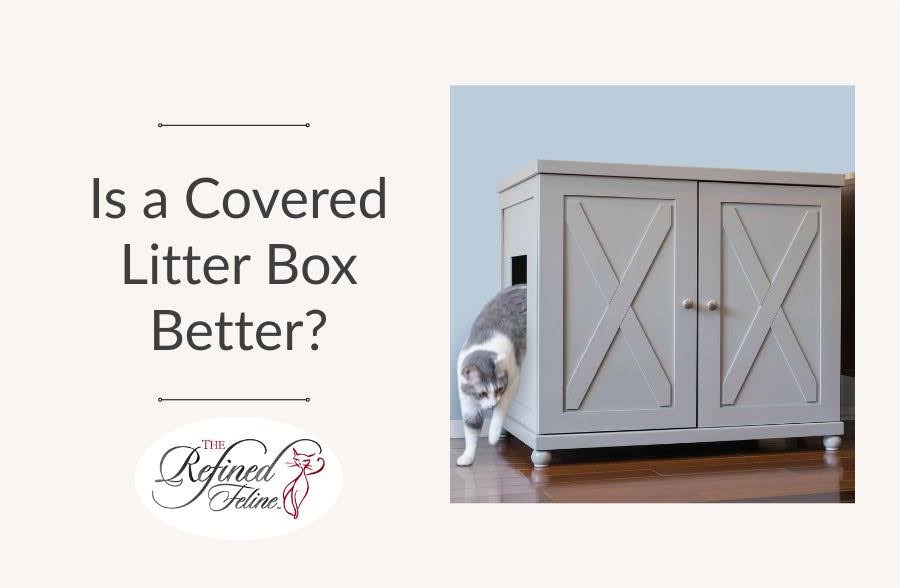
- Ventilated covers: Allow more airflow while still hiding the litter.
When shopping, look for boxes with easy-to-remove lids, smooth surfaces for cleaning, and non-slip bottoms.
Credit: www.therefinedfeline.com
Expert Opinions: What Vets And Scientists Say
Veterinary groups and cat behaviorists often agree:
- Both covered and uncovered boxes can work if cleaned well.
- Cat preference matters more than owner preference.
- Covered boxes may help with odor in some homes, but can trap ammonia if not maintained.
- Litter quality and cleaning frequency are the most important factors.
For more scientific detail, see this Cornell Feline Health Center guide.
Comparing Smell Levels: Covered Vs. Uncovered (lab Test Example)
To see the difference in real numbers, here’s a simplified summary of a lab test measuring ammonia levels in both box types after 24 hours:
| Litter Box Type | Ammonia Level (ppm)* | Odor (Human Rating 1-5) |
|---|---|---|
| Covered | 10.5 | 4.2 |
| Uncovered | 7.0 | 3.7 |
*ppm = parts per million
This shows that covered boxes can actually have higher ammonia levels inside, even if the room smells less.
Covered Litter Boxes: Myths Vs. Reality
Let’s separate fact from fiction:
- Myth: Covered boxes eliminate smell.
- Reality: They slow the spread, but may trap more odor inside.
- Myth: All cats like covered boxes.
- Reality: Many do not. Always watch your cat’s behavior.
- Myth: Deodorizers can solve all odor problems.
- Reality: Only regular cleaning truly controls smell.
Understanding these points helps you make better choices.
Non-obvious Insights Beginners Often Miss
- Covered boxes can make cleaning less frequent—but that’s a mistake. The cover hides mess, so owners scoop less. This makes odor and health problems worse.
- Ventilation matters more than you think. Even a small air gap or vent can reduce ammonia buildup.
- Cat stress leads to more odor. If your cat dislikes the box, they may go outside it, creating more mess.
- Box size is critical. A covered box that is too small traps more odor and makes cats uncomfortable.
Pay attention to these details for a better litter box experience.
Frequently Asked Questions
Why Does My Covered Litter Box Still Smell Bad Even With A Filter?
Filters help, but they cannot remove all odors, especially if waste is not scooped daily. Ammonia and bacteria build up quickly in a closed space. Clean the box often and replace filters as directed.
Can I Use Air Fresheners Near The Litter Box?
It’s better to avoid strong air fresheners near the box. Many cats dislike strong scents and may avoid the box. Instead, use good litter, scoop often, and keep the area ventilated.
How Can I Tell If My Cat Dislikes The Covered Box?
Watch for signs like avoiding the box, scratching at the sides, or having accidents nearby. If your cat seems stressed, try removing the lid and see if behavior improves.
Are Covered Litter Boxes Better For Multi-cat Homes?
Not always. Each cat should have their own box, and some may prefer open boxes. Covered boxes can make it easier for one cat to guard the box, leading to problems.
What Is The Best Way To Control Litter Box Odor?
The best way is daily scooping, regular washing, good-quality litter, and proper ventilation. Box type matters less than how well you maintain it.
Final Thoughts
Covered litter boxes can help with appearance and mess, and may slow how fast odor spreads in your home. However, they are not a complete solution for litter box smell. In some cases, they even make odor problems worse by trapping ammonia and humidity inside. The real answer to a fresh-smelling home is regular cleaning, high-quality litter, and paying attention to your cat’s preferences.
Your cat’s health and happiness should always come first. Choose the litter box style that works best for both of you, and remember: a clean box is a happy box—covered or not.
Credit: www.tuftandpaw.com