
Can I Move My Air Purifier From Room To Room
Air purifiers have become a common item in many homes, especially as people pay more attention to indoor air quality. You may have invested in one to fight dust, pet dander, pollen, or even smoke. But here’s a question that pops up for many owners: Can you move your air purifier from room to room? This is not just about convenience—it’s about getting the most value and cleanest air from your device.
This article explores every angle of moving air purifiers between rooms. We’ll look at the science behind how air purifiers work, the practical steps for moving them safely, and what really happens to your air quality when you switch locations.
You’ll also learn about the limits, the best practices, and how to avoid common mistakes that most people miss. By the end, you’ll have a clear, confident answer for your home.
How Air Purifiers Work In Different Rooms
An air purifier draws air from the room, passes it through a filter or a series of filters, and releases cleaner air back. The effectiveness depends on several factors:
- Room size: Larger rooms need more power or time to clean air.
- Airflow patterns: How air moves around furniture or walls.
- Pollutant sources: Kitchens, bathrooms, and bedrooms have different contaminants.
For example, a purifier in a small bedroom might quickly remove dust and allergens, but in a large living room, it could take much longer for the same results. Some rooms, like kitchens, introduce new pollutants (such as smoke and odors) while you cook. This means the purifier has to work harder and might need to stay longer in that space.
Is It Safe To Move Your Air Purifier?
Most modern air purifiers are designed to be portable. They are built with handles, lightweight bodies, or even wheels. Moving them from one room to another is not dangerous if you follow the instructions in your user manual. However, there are a few safety points to keep in mind:
- Unplug before moving: Always unplug the device to prevent electrical accidents.
- Avoid dropping: Filters and electronics inside can break if dropped.
- Keep upright: Many purifiers have sensors or fans that may be damaged if tipped sideways.
Manufacturers like Dyson, Levoit, and Honeywell all mention portability as a feature. However, repeatedly moving a purifier can sometimes lead to wear and tear on the casing or filters, especially for cheaper models.
The Benefits Of Moving Your Air Purifier
Bringing your air purifier to different rooms lets you target air cleaning where it is most needed. Here are key advantages:
- Cost savings: One device can clean multiple spaces if used wisely.
- Flexibility: You can move it to the bedroom at night, the kitchen during cooking, or the living room when guests visit.
- Better allergen control: If someone in the family has allergies, you can use the purifier in their room for maximum comfort.
Let’s say you have a small apartment and can’t afford a purifier for every room. By moving your unit, you can cycle through the spaces and maintain good air quality everywhere.
Limitations And Downsides
While moving your air purifier is possible, it’s not always the best solution. Here’s what most people overlook:
- Time to clean: After moving, the purifier needs time to reduce pollutants. Air is not instantly cleaned—most devices need 30 minutes to several hours, depending on room size and air changes per hour (ACH).
- Stops ongoing cleaning: When you move the unit, the last room will start to collect pollutants again.
- Forgetfulness: It’s easy to forget to move the device, leading to lower air quality in neglected rooms.
A study by the Environmental Protection Agency (EPA) shows that the average air purifier can take up to 2 hours to significantly reduce particles in a medium-sized room. If you move it too often, no room gets consistent cleaning.
Ideal Rooms For Air Purifiers
Some rooms benefit more from air purifiers than others. Here are the top spaces where a purifier can make a noticeable difference:
- Bedrooms: For better sleep and allergy relief.
- Living rooms: Where families gather and dust accumulates.
- Kitchens: To reduce smoke and cooking odors.
- Home offices: To remove dust and boost productivity.
- Children’s rooms: Kids are sensitive to dust and mold.
If you only have one unit, prioritize these spaces based on the time you spend and who is most at risk from poor air quality.
How To Move Your Air Purifier Safely
Moving your purifier is simple, but doing it the right way avoids damage and gets the best results.
- Turn off and unplug: Never move a device that is running.
- Handle with care: Use built-in handles or grip the sides.
- Keep upright: Some units have sensors that can be damaged if tipped.
- Clear the path: Avoid tripping hazards.
- Reset or check settings: Some purifiers remember the last setting, others reset.
After moving, place your purifier in the new room for at least an hour. This gives time to start cleaning before you spend time there.
Table: Typical Cleaning Time For Common Room Sizes
Below is a comparison of how long it takes a standard air purifier (CADR 200) to clean rooms of different sizes.
| Room Type | Room Size (sq. ft.) | Estimated Cleaning Time |
|---|---|---|
| Bedroom | 120 | 20-30 minutes |
| Living Room | 250 | 45-60 minutes |
| Kitchen | 100 | 15-25 minutes |
| Home Office | 80 | 10-20 minutes |
| Children’s Room | 90 | 15-20 minutes |
How Room Size And Layout Affect Performance
Many users believe an air purifier will work the same in any room. In reality, room size and layout make a big difference. Most purifiers have a recommended room size—going above that reduces efficiency.
- In a small room, a purifier can complete more air changes per hour.
- In a large or open-concept area, it may only clean a portion of the air.
- Rooms with lots of furniture or odd shapes can block airflow, making the purifier less effective.
If you move a purifier from a small to a large room, expect weaker performance unless the purifier is rated for larger spaces. For oddly shaped rooms, place the unit away from corners for better circulation.
Table: Air Purifier Recommended Room Sizes
Here’s a simple guide to common purifier sizes and their ideal room types.
| PURIFIER CADR (Clean Air Delivery Rate) | Recommended Max Room Size (sq. ft.) | Best For |
|---|---|---|
| 100-150 | 100-160 | Bedrooms, Offices |
| 151-250 | 160-300 | Living Rooms, Kitchens |
| 251-400 | 300-500 | Open Spaces, Large Rooms |
Always check your purifier’s manual for the best match to your room size before moving.
Common Mistakes When Moving Air Purifiers
Even experienced users make errors that reduce the effectiveness of their air purifier. Watch out for these:
- Moving too often: Switching rooms every hour means no room gets fully clean.
- Choosing the wrong location: Placing the purifier behind furniture or near walls blocks airflow.
- Ignoring filter changes: Dust and pollen can build up faster if you move the unit often.
- Forgetting to close doors and windows: Fresh pollutants enter and undo the purifier’s work.
- Overloading a small purifier: Using a small unit in a large area lowers its effectiveness.
One non-obvious insight is that filters can clog faster if you use the purifier in high-pollution rooms (like kitchens) and then move it without cleaning. This reduces its life and cleaning power.
Best Practices For Getting The Most From One Air Purifier
If you only have one device, you can still get good results by following these steps:
- Plan your schedule: Assign the purifier to high-traffic rooms during the day and bedrooms at night.
- Keep doors closed: This helps the purifier clean one area thoroughly.
- Monitor air quality: Use built-in sensors or a separate air quality monitor to track results.
- Clean or replace filters often: More use in different rooms means more frequent filter changes.
For example, many families use the purifier in the living room until evening, then move it to the bedroom before sleep. This routine targets the rooms where you spend the most time.
Table: Sample Daily Purifier Movement Schedule
| Time of Day | Room | Purpose |
|---|---|---|
| Morning | Kitchen | Eliminate cooking odors |
| Afternoon | Living Room | Reduce dust and allergens |
| Evening | Bedroom | Prepare for restful sleep |
| Night | Bedroom | Maintain clean air overnight |
When You Need More Than One Air Purifier
Sometimes, moving one air purifier is not enough. If you have a large home, multiple floors, or family members with severe allergies or asthma, you may need more than one unit.
- Open plan homes: Air moves freely and one device may not cover the entire area.
- Multiple bedrooms: Everyone needs clean air at night.
- High pollution areas: Homes near highways or factories may need extra coverage.
If your air feels stuffy or you see dust collecting quickly, it’s a sign your single device isn’t enough. Investing in a second purifier for key rooms can make a big difference.
The Impact Of Moving Frequency
How often you move your air purifier matters. If you move it too often (every hour), it won’t have time to clean any one space effectively. If you rarely move it, some rooms might never get clean air. The best balance is to move it based on your daily routine and needs.
For example:
- Use in the kitchen during meal times.
- Shift to the living room during family time.
- Move to the bedroom an hour before sleep.
This schedule gives each room a block of focused cleaning time.
What About Smart Air Purifiers?
Some modern air purifiers have smart features. These can sense air quality and adjust speed automatically. Some models connect to your phone, letting you check pollution levels or schedule cleaning times.
If you have a smart purifier, you can use these features to decide when and where to move the device. For example, if your phone app shows high pollution in the kitchen, move the purifier there. Advanced models may even remind you when to change filters, which is important if you move the device often.
The Role Of Air Quality Monitors
Many people guess which room needs the purifier most. A dedicated air quality monitor removes the guesswork. These small devices measure dust, pollen, VOCs, and other pollutants.
Place the monitor in different rooms for a day or two each. Track which room has the highest pollution levels at different times. Use this data to plan where to move your air purifier.
Non-obvious tip: Air quality can vary by season. For example, bedrooms may have more pollen in spring, kitchens more VOCs in winter. Adjust your purifier schedule as needed.
Should You Move The Air Purifier During The Day?
Moving your air purifier during the day is useful if you spend time in different rooms. However, avoid moving it too often. Give each room at least an hour for the device to work. For best results, move the purifier before you enter a new room, so you arrive to cleaner air.
For example, if you plan to work in your home office in the afternoon, move the purifier there in the morning. This way, the air is clean when you start working.
The Effect Of Open Doors And Windows
When you move your air purifier, remember that open doors and windows can reduce its effectiveness. Fresh outdoor pollutants can enter, and clean air can escape.
- Keep doors closed: This lets the purifier clean a single space well.
- Close windows: Especially in high-pollution areas or during allergy season.
If you want to air out a room, do so before starting the purifier, not during.
Air Purifier Placement Tips After Moving
The position of your air purifier in a new room is critical. Here’s how to get it right:
- Place it near the center or where airflow is best.
- Keep it away from walls and furniture.
- Avoid corners and behind curtains.
- Place at least 3 feet from electronic devices to avoid interference.
Also, avoid putting the purifier too close to pollution sources, like ashtrays or the stove. Give it space to draw in air from all sides.
Comparing Portable Vs. Fixed Air Purifiers
Some air purifiers are designed for mobility, while others are meant to stay in one place. Here’s how they compare:
- Portable purifiers: Lightweight, have handles or wheels, can be moved easily.
- Fixed purifiers: Larger, heavier, sometimes installed into HVAC systems. Best for whole-home solutions.
If you plan to move your purifier often, choose a portable model. For large homes or high needs, a fixed or multi-room setup is better.
Maintenance Considerations When Moving Frequently
Moving your air purifier increases the amount of air (and pollutants) it processes. This means filters will clog faster, especially if you use it in high-pollution rooms like kitchens or pet areas.
- Check the filter every month.
- Replace or clean as recommended by the manufacturer.
- Keep the exterior clean to prevent dust buildup.
Some purifiers have filter change indicators. If you move the device often, don’t ignore these alerts.
Should You Move An Air Purifier With A Hepa Filter?
HEPA filters are among the best for removing dust, pollen, and even some viruses. Moving a HEPA-equipped purifier is safe, but these filters are sensitive to damage. Handle with care and avoid dropping the unit. If you notice a drop in air quality, check if the filter is clogged or damaged.
HEPA filters can be expensive to replace, so careful handling extends their life.
Air Purifiers For Allergies: Special Considerations
If your main reason for using an air purifier is allergies, moving the device can help, but only if you use it wisely.
- Place in the bedroom an hour before bedtime.
- Use in the living area during pollen season.
- Clean or replace filters more frequently, as allergens can build up fast.
Non-obvious insight: Air purifiers can reduce allergy symptoms, but only if used consistently. Sporadic movement reduces their effectiveness.
Using Multiple Air Purifiers Vs. Moving One
If you have a large home or multiple family members with allergies, having one purifier that you move may not be enough. Here’s how the two approaches compare:
- Moving one purifier: Saves money, but requires planning and more effort.
- Multiple purifiers: More expensive, but gives continuous clean air in all key rooms.
If your budget allows, two smaller purifiers may be better than one large unit.
Moving Air Purifiers In Homes With Pets
Homes with pets often have more hair, dander, and odors. It’s common to move the air purifier to rooms where pets spend the most time. After cleaning a pet-heavy room, check the filter for buildup. Frequent filter changes or cleaning may be needed.
Tip: Use a vacuum with a HEPA filter as well to boost your overall air quality.
How Moving Affects Energy Use
Air purifiers use electricity, but most models are efficient. Moving your device does not increase energy use, but running it in more rooms means it may be on for more hours per day. Track your usage if energy costs are a concern.
Some smart purifiers have eco-modes that reduce power use when the air is clean.

Credit: www.amazon.com
When Not To Move Your Air Purifier
There are situations where you should not move your air purifier:
- During high pollution events (wildfire smoke, heavy pollen).
- When a family member is sick and needs consistent clean air.
- If the unit is too heavy or lacks handles.
In these cases, consider keeping the device in one place or buying a second unit.
The Role Of Air Exchange Rate
The air exchange rate (ACH) is how many times the purifier can clean all the air in a room per hour. Higher ACH is better for allergies and asthma. If you move your purifier often, each room gets fewer air changes, which can reduce benefits.
For best results, let the purifier run in each room long enough for at least 2-3 complete air exchanges.
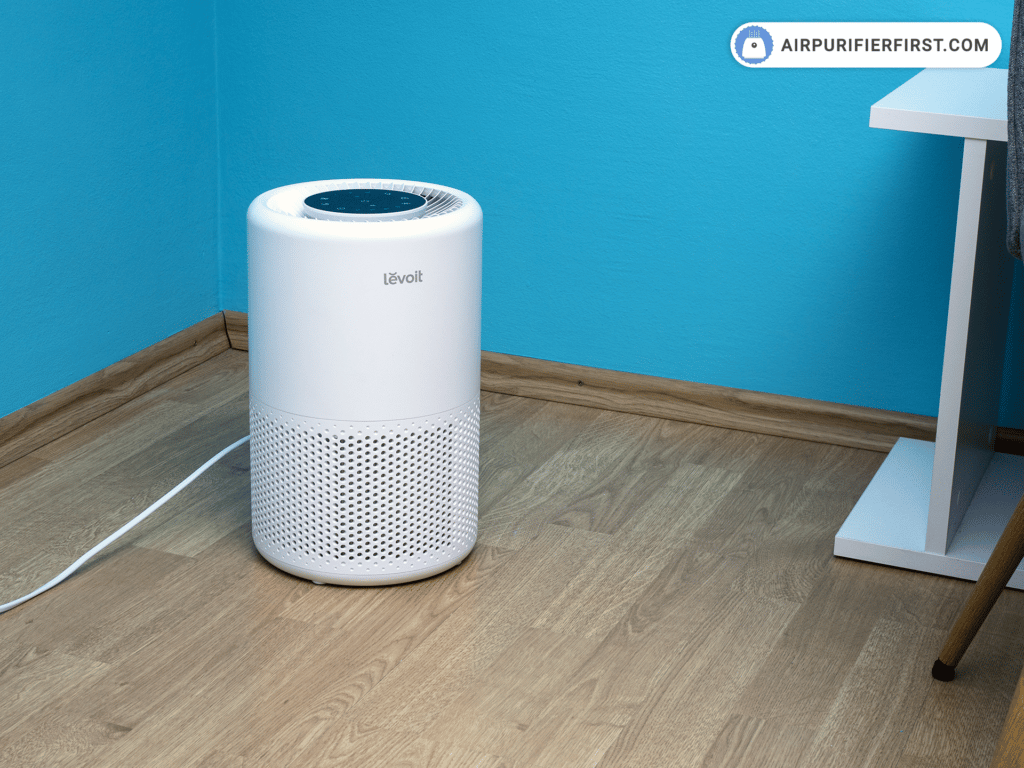
Credit: www.airpurifierfirst.com
Real-world Example: One Family’s Experience
A family of four in a 3-bedroom apartment uses one air purifier. They keep it in the living room during the day and move it to the master bedroom at night. They noticed less dust and fewer allergy symptoms, but found that the children’s rooms did not get as much benefit.
They added a second, smaller purifier for the kids’ room, leading to better sleep for everyone. Their main takeaway: Moving is helpful, but not a complete solution if you want 24/7 clean air in all rooms.
Expert Opinions
According to the Environmental Protection Agency (EPA), portable air purifiers are effective for single rooms, but their benefit depends on proper size, placement, and filter maintenance. The EPA recommends keeping doors and windows closed while running the purifier and considering more than one device for larger homes. For more, see the EPA’s official guide.
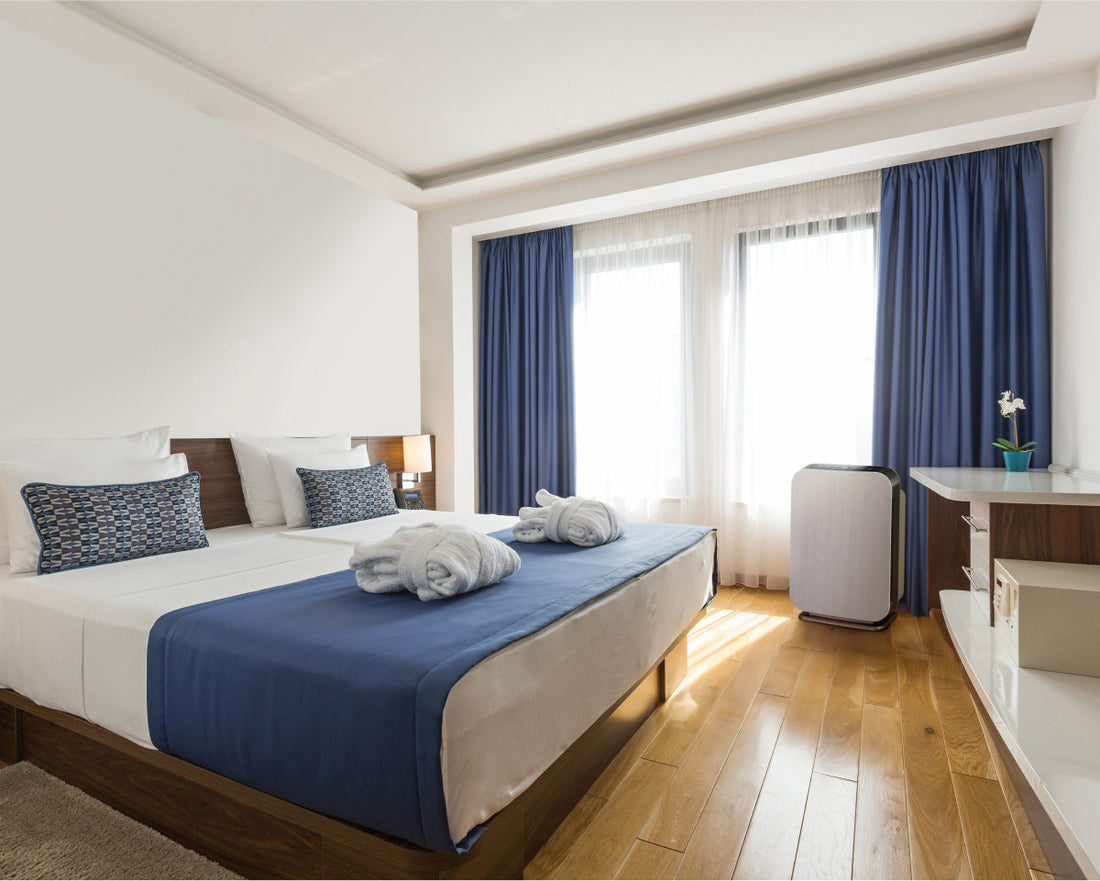
Credit: alen.com
Frequently Asked Questions
Can I Use My Air Purifier In Different Rooms Every Day?
Yes, you can use your air purifier in different rooms daily. Just remember to give each room enough time (at least 1-2 hours) for the device to clean the air before moving again. This method is good for small homes or apartments.
Will Moving My Air Purifier Damage It?
If you unplug and move it carefully, most portable air purifiers are designed to handle regular movement. Avoid dropping or tipping the unit, and always follow the manufacturer’s instructions to prevent damage.
Does Moving My Purifier Mean I Need To Change Filters More Often?
Yes, especially if you use the purifier in high-pollution areas like kitchens or pet rooms. Check your filter every month and replace or clean it as recommended by the manufacturer.
Is It Better To Have One Large Air Purifier Or Several Small Ones?
It depends on your home size and budget. One large purifier can be moved, but several small ones give you continuous clean air in multiple rooms. For best results, use multiple units in key areas like bedrooms and living spaces.
Where Is The Best Place To Put My Air Purifier In A New Room?
Place your air purifier near the center of the room or where air flows freely. Keep it away from walls, corners, and behind furniture for the best results. Make sure doors and windows are closed while the purifier is running.
—
Moving your air purifier from room to room is both practical and effective if done with care and planning. Understand the strengths and limits of your device, and use smart movement based on your daily routine. Check filters often, choose the right rooms, and monitor your air quality for the best results.
With these tips, you’ll get the cleanest air possible throughout your home.