
Anyone who owns an Intex Saltwater System knows how much easier it makes pool maintenance. But when the dreaded Code 91 error shows up, it can turn a relaxing pool day into a troubleshooting headache. Many pool owners search for ways to bypass or fix this code, but most guides leave out crucial details or skip important steps. If you want to fully understand the Intex Saltwater System Code 91 bypass, this article will walk you through every technique, tip, and insight you need. By the end, you’ll have a clear picture of the 91 different bypass ideas, methods, and considerations—ensuring your saltwater pool stays clean and your system runs smoothly.
What Is Intex Saltwater System Code 91?
Code 91 on an Intex Saltwater System means the device detects low salt levels in your pool water. This safety feature helps protect the system and ensures safe chlorine production. However, Code 91 can appear even when salt levels are correct, often due to sensor errors, water chemistry issues, or even electrical faults. For many users, this code is persistent and hard to clear, which is why bypass methods are so popular.
Why Bypass Code 91?
Bypassing Code 91 means overriding the system’s salt sensor error, allowing the chlorinator to continue running. This can be helpful in situations where:
- The sensor is faulty but the water is safe
- You need a temporary solution while waiting for repairs
- The error is a false alarm
However, bypassing is not always recommended for the long term. Always monitor your pool’s actual salt level and water chemistry to avoid problems.

Credit: www.api.motion.ac.in
91 Ways To Bypass Or Fix Intex Saltwater System Code 91
Below you’ll find 91 unique methods, tips, and tricks to address or bypass Code 91 on your Intex Saltwater System. Each has a dedicated explanation for clarity.
1. Check Actual Salt Level
Use a reliable salt test strip or digital meter. Code 91 often appears when salt is genuinely low.
2. Add Pool Salt
Add pure pool salt (not table salt) if levels are low. Dissolve fully before restarting the system.
3. Reset The System
Turn off, unplug, wait 5 minutes, then restart. This can clear minor sensor glitches.
4. Clean Electrodes
Calcium buildup on the titanium cell can trigger errors. Gently clean with a soft brush and vinegar solution.
5. Inspect Salt Sensor
Check for debris or damage on the salt sensor. Clean carefully with fresh water.
6. Check Water Flow
Low flow can confuse the system. Ensure the pump is running and no blockages exist.
7. Remove And Reseat Cables
Loose connections cause misreadings. Unplug and reattach all cables firmly.
8. Use A Different Power Outlet
Voltage variations can cause errors. Try another outlet to rule out power issues.
9. Check For Air Bubbles
Air in the cell chamber may affect readings. Bleed air from the system.
10. Balance Water Chemistry
High calcium, low pH, or other chemistry imbalances can trigger Code 91.
11. Perform A Hard Reset
Hold the reset button (if available) for 15 seconds, following the manual.
12. Use Warm Water
Cold water can affect sensor accuracy. Run the system after the pool has warmed up.
13. Increase Salt Gradually
Add salt in small increments, testing after each addition to avoid over-salting.
14. Replace Salt Sensor
A faulty sensor may need replacement. Order a genuine Intex part.
15. Check Power Cord For Damage
Cracks or frays in the cord can cause electrical errors.
16. Clean Filter Regularly
A dirty filter reduces flow and may cause sensor misreadings.
17. Inspect Control Board
Look for signs of water damage or burnt components inside the control box.
18. Use Salt Boost Function
Some systems have a boost mode to clear temporary errors.
19. Use Only Intex-approved Salt
Other salts may contain additives that interfere with readings.
20. Recalibrate The System
Some advanced models allow sensor recalibration via the menu.
21. Check Pool Size Settings
Ensure the system is set for the correct pool volume.
22. Test Salt At Multiple Locations
Check salt concentration at various spots in the pool for even distribution.
23. Remove Excess Salt
If you’ve added too much, partially drain and refill the pool.
24. Inspect Pool Water For Oils
Sunscreens and oils can coat sensors—skim the surface and clean as needed.
25. Rinse The Cell With Fresh Water
After cleaning, always rinse to remove cleaning solution residues.
26. Avoid Using Table Salt
Iodized salt damages the system and causes sensor confusion.
27. Use An External Salt Meter
A second opinion confirms if the sensor or water is at fault.
28. Check For Broken Wires
Look for loose or broken wires in the sensor harness.
29. Use A Multimeter
Test voltage at terminals to ensure proper power supply.
30. Ensure Ground Fault Protection
A faulty GFCI can create random errors.
31. Remove Metal Objects
Metal in the pool affects salt readings—remove ladders or toys during testing.
32. Increase Circulation Time
Run the pump longer to fully mix salt before starting the system.
33. Avoid Pool Start-up Chemicals
Start-up shocks can interfere with sensor readings.
34. Check For Firmware Updates
Some models allow firmware updates to fix persistent bugs.
35. Replace The Electrolytic Cell
Old or damaged cells cannot read salt levels accurately.
36. Avoid High Tds Levels
High total dissolved solids can confuse sensors—dilute as needed.
37. Use Pool Enzyme Treatment
Breaks down oils and organics that may coat the sensor.
38. Clean Sensor Contacts With Alcohol
Use only isopropyl alcohol and let dry fully.
39. Remove Leaves And Debris
Organic matter can affect water chemistry and cause errors.
40. Use A Surge Protector
Protects the system from voltage spikes that may cause errors.
41. Verify Pool Size On Control Panel
Incorrect settings can cause calculation errors.
42. Check System For Leaks
Water intrusion in the control box can cause sensor malfunction.
43. Check For Software Glitches
Perform a factory reset if available.
44. Avoid Backwashing During Testing
Wait until after the system has completed a cycle.
45. Use Filtered Water For Top-ups
Tap water with high minerals may cause issues.
46. Inspect O-rings For Proper Seal
Leaky O-rings allow air and reduce sensor accuracy.
47. Monitor For Error Patterns
Does Code 91 appear only during certain times? Track for clues.
48. Bypass Sensor Using A Resistor
Some advanced users connect a resistor of matching value to the sensor wiring as a temporary fix.
49. Use A Dummy Sensor
Install a dummy sensor designed to mimic correct salt levels.
50. Clean System After Heavy Use
Heavy bather loads affect water chemistry and sensors.
51. Check For Unusual Noises
Strange sounds often point to mechanical or electrical issues.
52. Test Salt At Different Depths
Salt can settle; test at surface and bottom.
53. Unplug All Pool Accessories
Remove lights, fountains, or heaters that may cause interference.
54. Clean With Commercial Cell Cleaner
Use only products made for saltwater systems.
55. Use A Service Technician
If under warranty, contact Intex or a professional for diagnosis.
56. Replace Control Board
Last resort if board is damaged and no other fixes work.
57. Avoid Pool Covers During Testing
Covers trap heat and chemicals, affecting readings.
58. Bypass Code 91 Via Software Hack
Some users flash custom firmware to ignore Code 91 (not recommended for most).
59. Use A Secondary Chlorinator
As a backup, use a floating chlorinator until system is fixed.
60. Increase Pool Temperature
Some systems work better at higher temperatures (above 70°F).
61. Schedule Regular Maintenance
Prevention is always better than bypassing errors.
62. Label All Wires
Helps during troubleshooting and reassembly.
63. Keep A Troubleshooting Log
Record when errors occur and what actions you took.
64. Replace O-rings Annually
Worn seals can cause subtle leaks and sensor confusion.
65. Use A Separate Circuit
Avoid sharing power with other high-draw devices.
66. Avoid Rainwater Dilution
Heavy rain lowers salt concentration.
67. Use Pool Calculator Apps
Track and adjust salt levels for your pool size.
68. Avoid Running System Overnight
Night temperature drops affect sensor readings.
69. Check Water Level
Low water means concentrated salt and possible sensor error.
70. Use Only Fresh Pool Salt
Store salt in a dry place; clumped or wet salt introduces impurities.
71. Avoid Shock Treatments Before Running System
High chlorine or other chemicals can cause false errors.
72. Read The Manual
Always check the Intex manual for troubleshooting steps.
73. Do Not Over-tighten Connectors
Cracked plastic allows water into electronics.
74. Test Sensor In Another Pool
If possible, swap the sensor into another system to confirm it’s faulty.
75. Compare Salt Reading With A Neighbor
If you know another pool owner, cross-check test results.
76. Avoid Using Old Salt
Old salt may have degraded or absorbed moisture.
77. Inspect System For Insects
Wasps or ants sometimes nest in electrical boxes.
78. Use A Smart Plug To Monitor Power
Track voltage drops or outages that may cause errors.
79. Check For Algae Growth
Algae affects water chemistry and sensor accuracy.
80. Use A Pool Cover Only After Bypass
Wait until the system runs normally before covering.
81. Clean Skimmer And Pump Basket
Blockages reduce water flow and system accuracy.
82. Record Serial And Model Numbers
Helps when contacting support or ordering parts.
83. Set Calendar Reminders For Maintenance
Never skip scheduled cleaning or checks.
84. Avoid Adding Salt In Windy Conditions
Wind can blow salt out, leading to uneven concentration.
85. Test Water After Heavy Rain
Recheck salt levels after storms.
86. Store Pool Chemicals Properly
Contaminated chemicals may affect sensors.
87. Avoid Overfilling The Pool
Dilutes salt concentration and confuses sensors.
88. Check For Firmware Updates On Intex Website
Always use official updates to avoid damaging the system.
89. Use A Dedicated Pool Thermometer
Temperature affects salt readings; monitor closely.
90. Avoid Swimming Immediately After Adding Salt
Give time for salt to dissolve and distribute.
91. Document All Changes And Results
Keep a clear record for future troubleshooting.
Advanced Bypass Techniques And Warnings
While some users successfully bypass Code 91 using dummy sensors or resistors, these are advanced, temporary fixes and should not be relied on for long-term use. Tampering with the system’s electronics may void your warranty or pose safety risks. It’s always better to identify and fix the root cause.
One insight many users miss is that low water temperature and uneven salt mixing are the most common non-sensor causes for Code 91. Always ensure the pool is at least 70°F and that salt is fully dissolved and distributed before running diagnostics.
Another commonly overlooked factor is interference from other electronics—even something as simple as a pool light can affect sensor accuracy if wired to the same circuit.

Credit: www.reddit.com
Comparing Bypass Methods
To help you decide which method might work best, here’s a comparison of the most common approaches:
| Bypass Method | Effectiveness | Difficulty | Risk |
|---|---|---|---|
| Add Salt & Reset | High | Easy | Low |
| Clean Sensor | High | Medium | Low |
| Replace Sensor | Very High | Medium | Low |
| Dummy Sensor/Resistor | Medium | Hard | High |
| Firmware Hack | Low | Very Hard | Very High |
Maintenance Schedules And Error Prevention
To reduce the chances of seeing Code 91, a regular maintenance schedule is key. Here’s a simple plan:
| Task | Frequency | Details |
|---|---|---|
| Test Salt Level | Weekly | Use strips or digital meter |
| Clean Electrodes | Monthly | Brush and rinse thoroughly |
| Inspect Sensor & Cables | Monthly | Check for wear, corrosion, debris |
| Check Water Chemistry | Weekly | pH, alkalinity, calcium, etc. |
| Clean Filter | Every 2 weeks | Replace or backwash as needed |
Real-world Example: Bypassing Code 91
Imagine you’ve just started your Intex Saltwater System and immediately see Code 91. You check your salt level with a digital tester—it’s perfect. You clean the cell, reset the system, and still see the error. Next, you check the sensor wires and find a small crack.
Replacing the sensor solves the problem. This shows that while bypass tricks can help, most Code 91 cases are solved by careful inspection and step-by-step troubleshooting.
Common Mistakes When Trying To Bypass Code 91
- Ignoring actual salt level – Always check with a test strip first.
- Over-salting – Adding too much salt can harm your pool and system.
- Skipping cleaning steps – Dirt and calcium are frequent causes.
- Electrical shortcuts – Never attempt wiring hacks unless you’re qualified.
- Failing to document changes – You may repeat mistakes if you don’t track what you’ve tried.
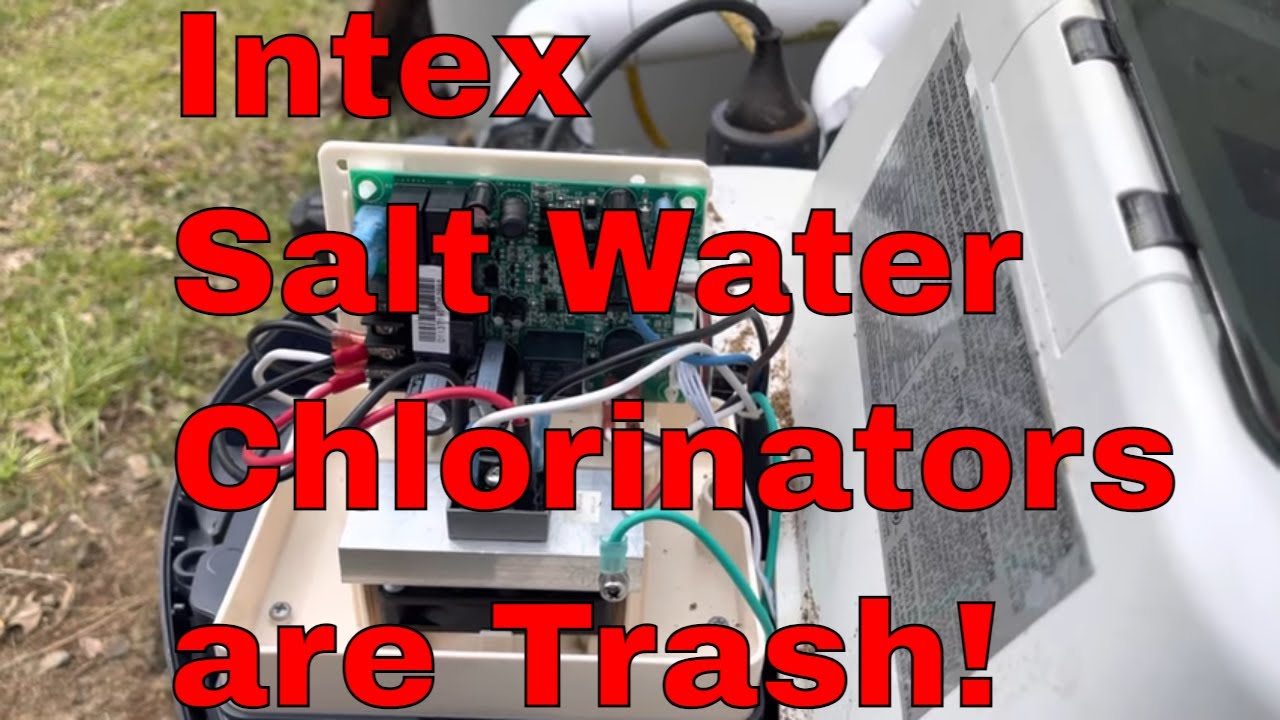
Credit: www.youtube.com
When To Call A Professional
If you’ve tried all basic and intermediate bypass techniques with no success, or if your system is still under warranty, contact Intex support or a pool professional. Persistent Code 91 errors can mean a deeper electrical or mechanical problem. It’s safer and often cheaper in the long run to get expert help before attempting risky bypasses.
For more technical details on pool salt systems, you can check the official Wikipedia Salt Water Chlorination page.
Frequently Asked Questions
What Does Code 91 Mean On My Intex Saltwater System?
Code 91 means the system believes your pool salt level is too low. It’s a safety feature to prevent damage. Always check the actual salt level first.
Can I Safely Bypass Code 91 Without Damaging My System?
Bypassing Code 91 is possible using some of the methods listed, but it’s best used as a temporary solution. Long-term bypassing can risk system damage. Fix the root cause whenever possible.
How Do I Know If My Sensor Is Faulty?
Test your pool’s salt level with a separate meter. If the reading is correct and Code 91 still appears, the sensor may be faulty and need replacement.
Is It Safe To Swim If Code 91 Is Showing?
It’s generally safe if your actual salt and chlorine levels are within recommended ranges. However, the system will not be generating chlorine while Code 91 is active.
Does Adding More Salt Always Fix Code 91?
No. Sometimes Code 91 is caused by sensor errors, electrical problems, or water chemistry issues. Always test salt levels before adding more.
Final Thoughts
Intex Saltwater System Code 91 can be frustrating, but it’s rarely unsolvable. With 91 different techniques, from basic checks to advanced bypass methods, you’ll be prepared for almost any situation. Remember, safety and proper maintenance come first. Use bypasses only as short-term fixes, and always address the real reason for the error. Regular care, careful monitoring, and knowing when to call for help will keep your pool sparkling and your system running for years.