
If you’ve ever walked barefoot on a Pebble Tec pool surface, you know how beautiful and natural it looks—but you might also notice that it can feel rough. While Pebble Tec is famous for its durability and style, some pool owners wish their surface was smoother for comfort and ease of cleaning. Is it possible to make Pebble Tec smooth? The answer is yes, but it takes the right process, tools, and patience.
This guide will walk you through everything you need to know, from why Pebble Tec feels rough, to professional and DIY smoothing methods, safety tips, cost comparisons, and insider advice most beginners miss. If you want your Pebble Tec to be both stunning and smooth underfoot, you’ll find clear, step-by-step help here.
Understanding Pebble Tec And Its Texture
Before you start making changes, it’s important to understand what Pebble Tec is and why it feels rough in the first place.
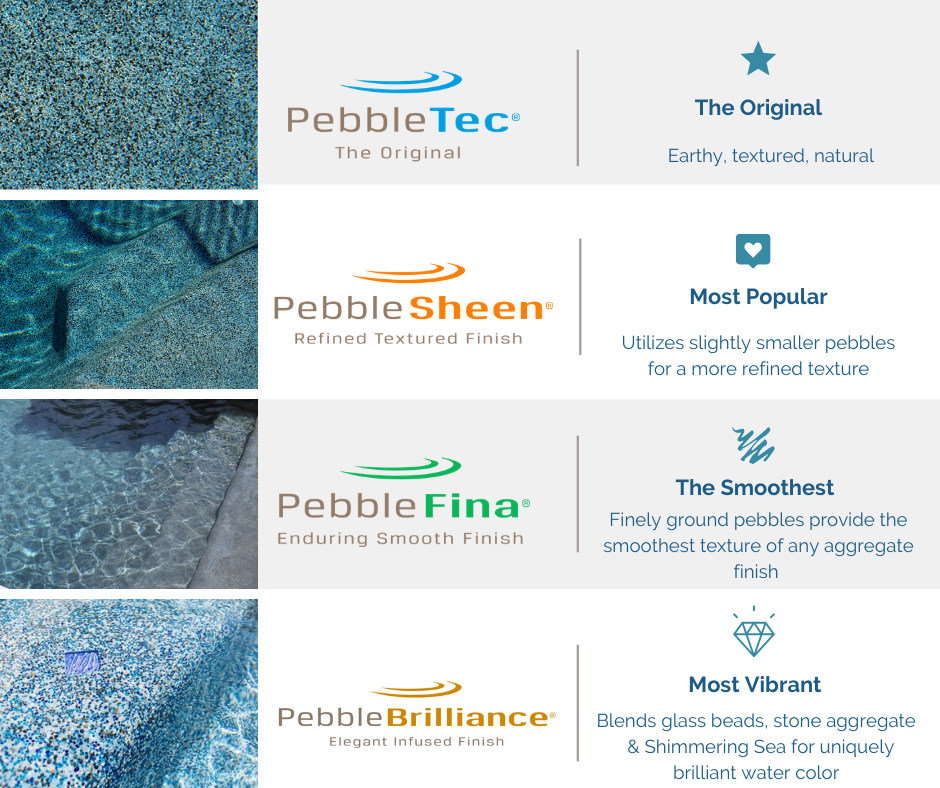
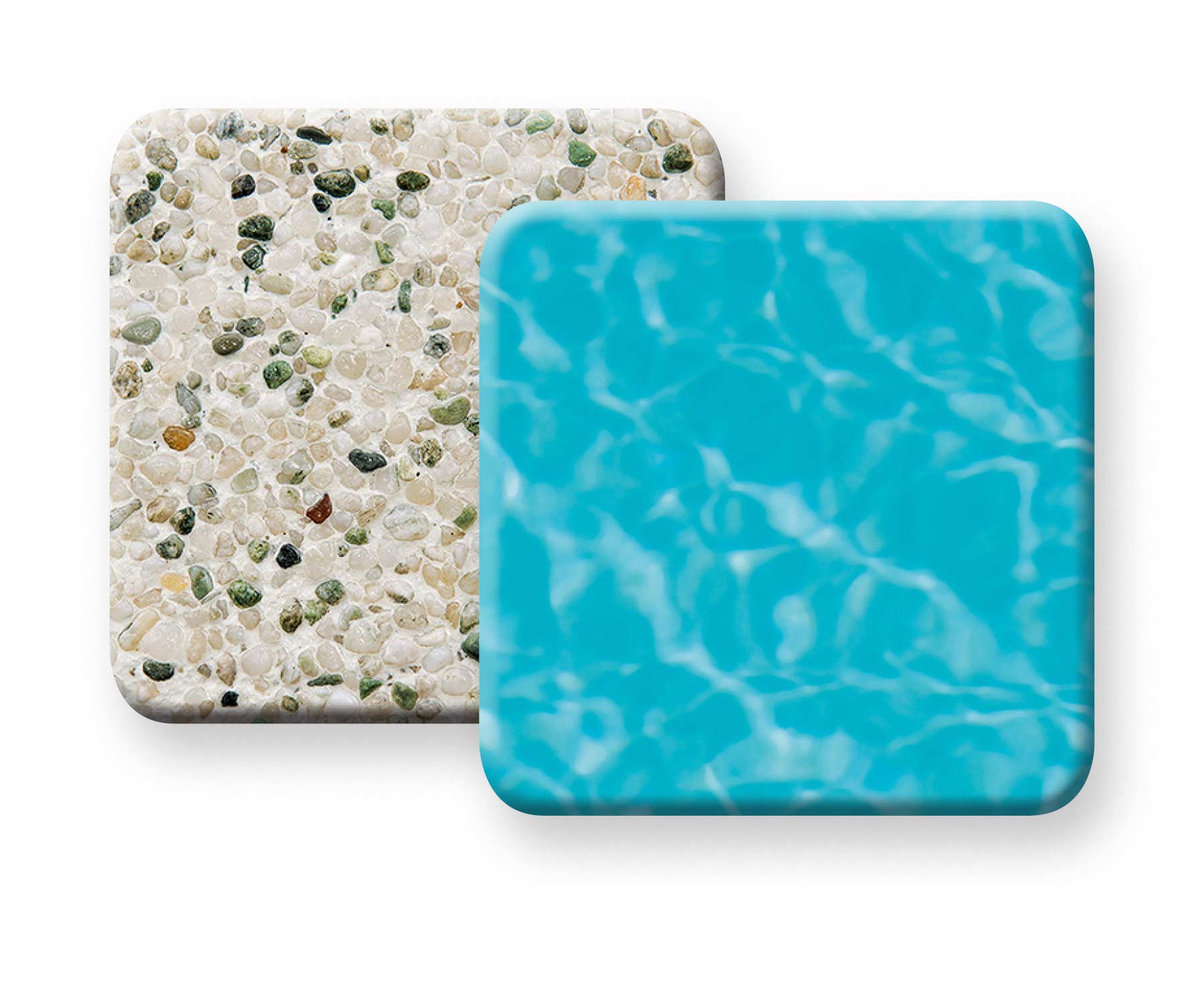
Pebble Tec is a brand of pool finish made from small, rounded pebbles mixed with cement and special additives. This mix is applied to the pool’s surface, giving a natural look and a unique texture that resists stains and lasts for decades. The pebbles are usually 1–3 mm in size, but this can vary based on the specific product.
The rough feel comes from two main factors:
- Pebble Size and Shape: Larger or more irregular pebbles feel bumpier.
- Installation Finish: The method used during installation (like how much the surface was exposed or polished) changes the final texture.
A common misconception is that all Pebble Tec is very rough. In reality, the texture can range from slightly bumpy to quite abrasive. Some pools are smooth enough for sensitive feet, while others feel like sandpaper.
How Does Pebble Tec Compare To Other Pool Surfaces?
Here is a simple comparison:
| Surface Type | Average Texture | Durability | Maintenance |
|---|---|---|---|
| Pebble Tec | Medium to Rough | 15–20 years | Low |
| Plaster | Smooth | 7–10 years | High |
| Quartz Aggregate | Medium | 10–15 years | Medium |
| Vinyl | Very Smooth | 7–12 years | Medium |
Key insight: The smoother the surface, the shorter its lifespan tends to be.
Why Owners Want A Smoother Pebble Tec Surface
The natural look of Pebble Tec is a big selling point, but not everyone loves the rough texture. Here are common reasons pool owners want a smoother finish:
- Comfort: Walking, sitting, or playing in the pool is easier on bare skin.
- Safety: Smooth surfaces reduce scrapes and scratches, especially for children.
- Ease of Cleaning: Dirt and algae are less likely to stick to a polished surface.
- Aesthetics: A polished Pebble Tec can look even more vibrant and colorful.
However, there is a trade-off. Smoothing Pebble Tec too much can remove its non-slip advantage. The challenge is to find the right balance between comfort and safety.
Credit: europebbletec.com
Options For Making Pebble Tec Smooth
There is no single “right” way to make Pebble Tec smooth. The best approach depends on your pool’s condition, your budget, and your skill level. Here are the main options:
1. Professional Polishing
Hiring a pool resurfacing professional is the safest and most effective way to smooth Pebble Tec.
How It Works
A professional will use specialized sanding and polishing equipment. The process usually involves:
- Draining the pool.
- Acid washing the surface to remove stains and open up the pebbles.
- Using diamond polishing pads to grind down the roughest areas.
- Buffing the entire surface for an even finish.
Most professionals use water-fed grinders to reduce dust and overheating. The process takes 1–3 days, depending on pool size.
Pros And Cons
Pros:
- Consistent, even results.
- Less risk of damaging the pool.
- Work is often guaranteed.
Cons:
- Costly (usually $3,000–$6,000 for a standard pool).
- Pool will be out of use for several days.
Practical Example
A family in Arizona had a pool with a very rough finish. After a professional polish, their kids could swim without water shoes, and cleaning took half the time.
2. Diy Smoothing (hand Or Machine)
If you’re handy and want to save money, you can try smoothing the surface yourself. This method works best for small areas or minor roughness.
Tools And Materials Needed
- Wet/Dry diamond polishing pads (usually 100–3000 grit)
- Variable speed angle grinder or orbital sander (water-fed preferred)
- Safety goggles and gloves
- Pool brush
- Bucket and hose
- PH test kit
Step-by-step Process
- Drain the Pool: Remove water down to the lowest step.
- Clean the Surface: Scrub away algae, dirt, and debris.
- Choose Your Grit: Start with a medium grit (200–400) to remove bumps, then move to a fine grit (800–1500) for polishing.
- Polish the Surface: Keep the pad wet to prevent dust and overheating. Work in small circles.
- Rinse Often: Wash away slurry and check your progress.
- Test for Smoothness: Run your hand across the surface. Repeat if needed.
- Refill and Balance Water: Fill the pool and adjust pH as needed.
Pros And Cons
Pros:
- Lower cost (tools and pads: $100–$400).
- Can focus on problem areas.
Cons:
- Time-consuming for large pools.
- Risk of uneven results.
- Physical effort required.
Non-obvious Tip
Do not use regular sandpaper—it breaks down in water and can scratch the pebbles. Only use diamond pads designed for stone or tile.
3. Acid Washing
Acid washing is sometimes used to brighten and slightly smooth Pebble Tec. This process removes a thin layer of cement, exposing more of the pebbles and making high spots less sharp.
Steps Involved
- Drain the pool.
- Mix a solution of muriatic acid and water (usually 1: 4 ratio).
- Apply with a sprayer or brush in small sections.
- Rinse thoroughly to neutralize the acid.
Caution
Acid is dangerous. Always wear gloves and goggles, and never mix acid with chlorine products. Acid washing is best for minor roughness, not for deeply pitted or bumpy areas.
Practical Insight
Acid washing can make a surface look newer, but it won’t make a very rough pool completely smooth. It’s often used before polishing.
4. Re-plastering Or Re-surfacing
If the Pebble Tec is old, damaged, or extremely rough, sometimes the best option is a new surface.
What Happens
A pool contractor will chip away the old Pebble Tec and apply a new layer—either another Pebble Tec, or a smoother finish like polished aggregate.
When To Choose This
- Pebble Tec is more than 20 years old.
- There are cracks, stains, or delamination.
- You want a totally different look or color.
Cost And Timeline
- Most expensive option ($8,000–$15,000).
- Pool is unusable for 1–2 weeks.
Key Mistake To Avoid
Don’t try to smooth heavily damaged Pebble Tec—it’s better to start fresh. Smoothing deep pits or cracks can make them worse.
Step-by-step: How To Make Pebble Tec Smooth Yourself
If you want to try smoothing your Pebble Tec pool yourself, here’s a detailed, practical guide. Read the whole section before starting, and consider your physical ability, pool size, and comfort with tools.
Preparation
- Gather Tools and Materials:
- Diamond polishing pads (at least 3 grits: Medium, fine, extra fine)
- Variable speed grinder (water-fed if possible)
- Garden hose and bucket
- Stiff pool brush
- Safety equipment (goggles, gloves, mask)
- Old towels
- Test in a Small Area:
- Choose a hidden spot (like a pool step).
- Try a medium grit pad, keep it wet, and polish for 1–2 minutes.
- Rinse and check the result.
Insight: Beginners often skip this test and end up with uneven surfaces.
Draining And Cleaning
- Turn off all pool equipment.
- Use a submersible pump to drain water.
- Clean the entire surface with a pool brush and hose.
- Remove leaves, algae, and oils.
Polishing Process
- Start with Medium Grit (200–400):
- Attach the pad to the grinder.
- Wet the area with a hose.
- Move in slow, overlapping circles.
- Do not press too hard—let the tool do the work.
- Check Progress:
- Rinse the area every few minutes.
- Feel for smoothness.
- Repeat if needed.
- Switch to Fine Grit (800–1500):
- Polish again for a glossy, even finish.
- Keep the pad and surface wet at all times.
- Rinse Thoroughly:
- Wash away all slurry and debris.
- Use towels to wipe down steps and corners.
Finishing Up
- Inspect the entire pool for missed spots.
- Re-polish any rough patches.
- When satisfied, refill the pool.
- Check and adjust water pH, alkalinity, and chlorine.
Extra Tip: After smoothing, avoid swimming for 24 hours to let any loose particles settle.
Common Mistakes To Avoid
- Skipping Grits: Don’t jump from rough to fine pads. Step through each grit for even results.
- Polishing Dry: Always keep the area wet to prevent scratches and dust.
- Over-polishing: Too much grinding can expose pebbles or weaken the surface.
Cost, Time, And Tool Comparison
Choosing the right method depends partly on your budget, available time, and the pool’s condition. Here’s a quick comparison:
| Method | DIY Cost | Pro Cost | Time Needed | Best For |
|---|---|---|---|---|
| Hand/Machine Polishing | $100–$400 | $3,000–$6,000 | 1–3 days | Minor roughness |
| Acid Washing | $50–$150 | $500–$1,000 | Half day | Stains, minor smoothing |
| Re-Surfacing | Not practical | $8,000–$15,000 | 1–2 weeks | Severe damage |
Insider tip: Renting a water-fed grinder from a tool supply store can save hundreds versus buying one.
Safety Tips And Environmental Considerations
Working with pool surfaces means dealing with chemicals, dust, and heavy tools. Here’s how to stay safe:
- Always wear gloves, goggles, and a mask when grinding or acid washing.
- Keep children and pets far from the work area.
- Dispose of acid or slurry safely—check local laws for pool chemical disposal.
- Never mix cleaning chemicals, especially chlorine and acid.
Environmental note: Avoid letting acid or slurry run into storm drains. Use old towels or a wet vacuum to collect runoff.
How To Maintain A Smooth Pebble Tec Surface
Making your Pebble Tec smooth is just the first step. Regular maintenance keeps it comfortable and looking good for years.
Weekly Maintenance
- Brush the pool surface with a soft brush to prevent buildup.
- Check water pH and alkalinity (ideal pH: 7.4–7.6).
- Remove leaves and debris quickly.
Monthly And Yearly Care
- Inspect for rough patches or stains.
- Use a pool-safe mild acid wash if needed.
- Schedule a professional inspection every 2–3 years.
Non-obvious tip: Many rough spots are caused by calcium buildup, not just the pebbles. Keeping water chemistry balanced prevents this.
When To Call A Professional
DIY is not always the best choice. Call a pro if:
- The pool is large or has many tight corners.
- There are deep cracks, stains, or missing pebbles.
- You want a guarantee on the results.
Professionals have tools that most homeowners do not, like industrial diamond grinders and heavy-duty vacuums.
Credit: pebbletec.com
The Role Of Pool Chemistry In Surface Smoothness
Believe it or not, pool water chemistry plays a big role in how your Pebble Tec feels.
- High pH or calcium: Can lead to scale, making the surface rough.
- Low pH: Can erode the cement, exposing sharp pebble edges.
Keep pH between 7. 4 and 7. 6, and calcium hardness between 200–400 ppm for the best results. Test your pool water weekly, especially in hot climates.
Key insight: Many rough Pebble Tec complaints are due to water imbalances, not just the surface itself.
Real-life Experiences: What Pool Owners Say
Talking to pool owners who have smoothed their Pebble Tec can help you set expectations.
- Chris, Texas: “We did a DIY polish on our steps and it made a huge difference. The main pool still feels a bit rough, but the kids love the smooth entry.”
- Sandra, Florida: “I hired a pro after trying acid washing myself. The results were night and day—worth every penny.”
- Mike, California: “Our pool was 18 years old and very rough. We resurfaced with a new Pebble Tec, and now it’s both smooth and beautiful.”
Non-obvious lesson: Smoothing the whole pool is not always needed. Many people focus on steps and shallow areas.

Credit: pebbletec.com
How To Choose The Right Grit For Smoothing
Choosing the right diamond pad grit is essential for a good finish. Start with a lower number (coarser) and move to a higher number (finer).
Here’s a quick guide:
| Grit Number | Use | Result |
|---|---|---|
| 100–200 | Heavy roughness, initial pass | Removes bumps, scratches |
| 400–800 | Main smoothing | Blends texture, prepares for polish |
| 1500–3000 | Final polish | Glossy, smooth finish |
Practical tip: For most pools, starting at 400 and finishing at 1500 gives the best balance of smoothness and safety.
How Often Should You Smooth Pebble Tec?
Most pools only need smoothing once every 5–10 years. If you maintain water chemistry and brush regularly, rough spots are less likely to return quickly.
Key insight: Over-polishing can wear out the surface, so don’t do it more often than needed.
The Limits Of Smoothing Pebble Tec
It’s important to have realistic expectations. Smoothing Pebble Tec will make it more comfortable, but it won’t be as soft as plaster or vinyl. The pebbles will always give some texture.
If you want a super-smooth feel, consider a polished aggregate or quartz finish instead.
Should You Use A Sealer After Smoothing?
Some pool owners ask if they should use a stone sealer after polishing. Sealers can add shine and make cleaning easier, but they are not always needed and can make the surface slippery.
If you want to use a sealer:
- Choose a product rated for underwater use.
- Apply only after the pool is dry and smooth.
- Test a small area first.
Non-obvious advice: Sealers can change the color or gloss of your Pebble Tec. Always check with the manufacturer before applying.
Professional Vs. Diy: Which Is Right For You?
Here’s a quick summary to help you decide:
- DIY: Good for small pools, limited roughness, and handy owners.
- Professional: Best for large pools, severe roughness, or if you want perfect results.
Consider your budget, time, and how much you value a flawless finish. For more on pool finishes and surfacing, check out this Wikipedia article on swimming pool finishes.
Frequently Asked Questions
What Causes Pebble Tec To Become Rough Over Time?
Pebble Tec can become rough due to chemical imbalances, calcium buildup, or improper installation. Over time, pool water can erode the cement between the pebbles, making them feel sharper. Regular brushing and balanced pool chemistry help prevent this.
Can I Smooth Pebble Tec Without Draining The Pool?
It’s possible to polish small areas above water, like steps, but for the best results and safety, you should drain the pool. Working underwater is less effective and can damage your tools.
How Long Does Smoothing Pebble Tec Last?
A good polish can last 5–10 years if you keep your water balanced and clean the pool regularly. Harsh chemicals or frequent acid washing can reduce this time.
Will Smoothing Pebble Tec Make It Slippery?
If you over-polish or use certain sealers, the surface can become slippery. Always test a small area and avoid making the surface “mirror-smooth. ” A slight texture is safer.
Can I Use Regular Sandpaper Or A Household Sander?
No. Regular sandpaper will wear out quickly and can scratch the pebbles, making the surface worse. Always use diamond polishing pads designed for stone or tile.
—
Smoothing your Pebble Tec pool is a smart way to boost comfort, safety, and style. Whether you choose a professional or DIY method, take time to plan, use the right tools, and protect your investment with good maintenance. With patience and care, your Pebble Tec can feel as good as it looks for many years to come.