
Owning a pool is both a joy and a responsibility. People love the cool, clean water, but keeping that water safe is not always easy. One key to safe pool water is something called ORP, or Oxidation Reduction Potential. ORP is a science term, but it is important for every pool owner to understand. If your ORP level is too low, your pool water may not stay clean and healthy. Germs and algae can grow, even if you add chlorine. If it is too high, the water can become harsh for skin and eyes. So, how do you raise ORP in your pool? This article will give you a clear, step-by-step guide.
You will learn what ORP really means, why it matters, and what affects it. You will see the most common mistakes people make and how to avoid them. There will be practical advice for both beginners and experienced pool owners.
By the end, you will have the knowledge and confidence to keep your pool water sparkling, safe, and enjoyable for everyone.
What Is Orp And Why Does It Matter?
ORP stands for Oxidation Reduction Potential. It is a measurement of how well your pool water can kill bacteria and break down waste. ORP is measured in millivolts (mV). The higher the number, the stronger the water’s power to clean itself.
Scientists and pool experts use ORP because it gives a quick, accurate idea of water quality. ORP is not the same as chlorine level. You can have a good chlorine number but a low ORP if something is blocking the chlorine from working.
Good ORP means your pool water is safe for swimming, with fewer germs and less risk of illness.
The ideal ORP range for most swimming pools is 650 to 750 mV. Some public pools may aim for 700–800 mV, especially if there are many swimmers. Below 650 mV, your water may not be safe. Above 800 mV, the water may become uncomfortable for skin and eyes.
Factors That Affect Orp In Pool Water
Understanding what changes ORP helps you control it better. Many things can raise or lower your pool’s ORP:
1. Chlorine Or Other Sanitizers
Adding chlorine usually raises ORP because chlorine is a strong oxidizer. But, the type of chlorine (liquid, tablet, saltwater) and how much you use matter a lot.
2. Ph Level
PH measures how acidic or basic your water is. If pH is too high, chlorine becomes less active, and ORP drops. Keeping pH in the right range (7. 2–7. 6) helps ORP stay strong.
3. Cyanuric Acid (stabilizer)
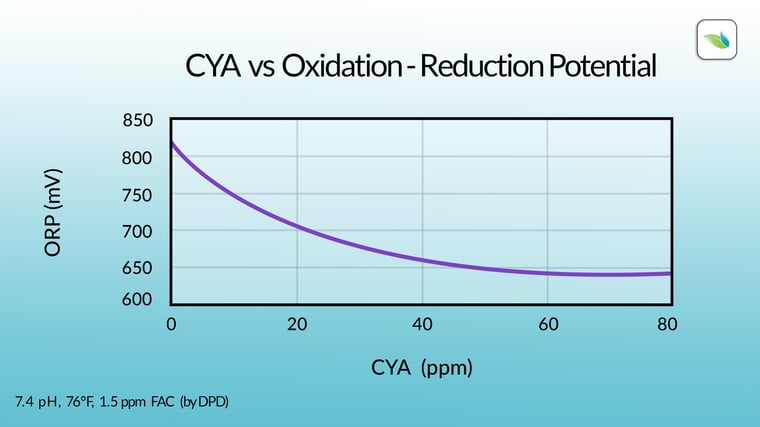
Cyanuric acid protects chlorine from sunlight. But too much can lower ORP, even if your chlorine is high. This is a common problem in outdoor pools.
4. Water Temperature
Warm water speeds up chemical reactions but can also make chlorine less effective. ORP may fall in hot weather if you do not adjust other factors.
5. Contaminants And Bather Load
Sweat, urine, sunscreen, and dirt use up chlorine and lower ORP. More swimmers mean more contaminants.
6. Total Dissolved Solids (tds)
High TDS (lots of minerals, salts, or waste) can lower ORP. Pools with old water or heavy chemical use often see this problem.
7. Sunlight
Sunlight breaks down chlorine and can lower ORP, especially if stabilizer (cyanuric acid) is low.
8. Metals And Algae
Metals like copper or iron, or algae in the water, can use up chlorine and lower ORP.
Credit: atlas-scientific.com
How To Measure Orp In Your Pool
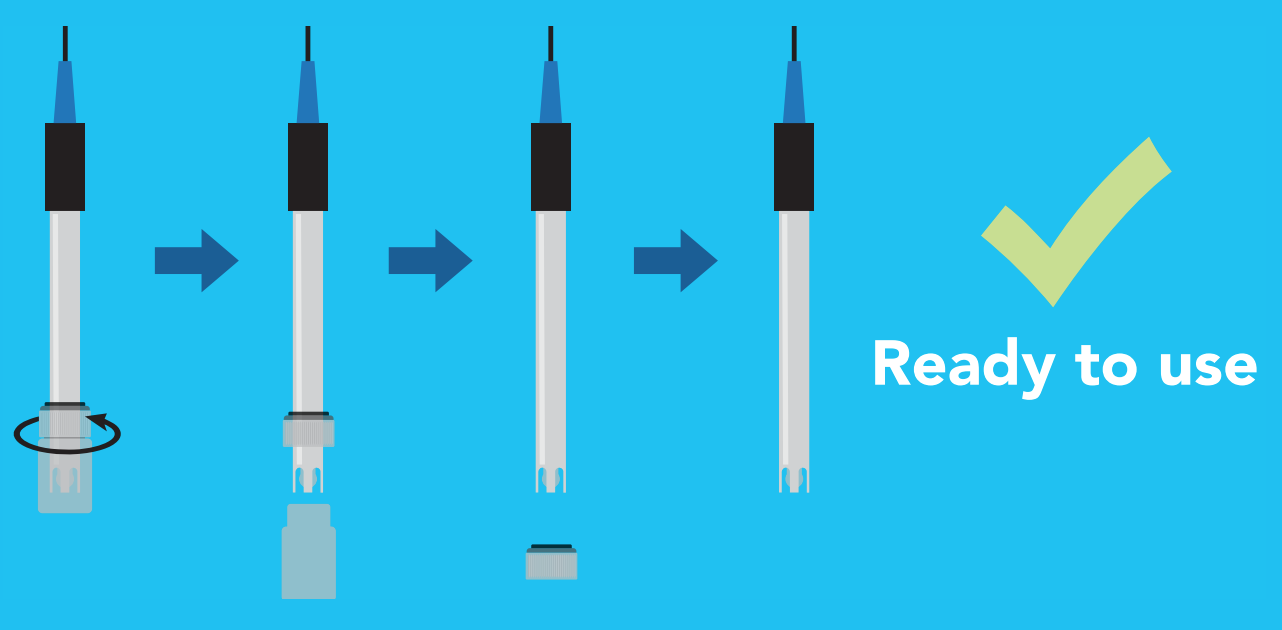
You cannot see or smell ORP. To measure it, you need a special ORP sensor or meter. These meters are often built into automatic pool controllers, but you can also buy hand-held testers.
- Digital ORP Meters: Simple to use. Dip the probe in pool water and read the value.
- Controller Systems: Installed on your pool equipment, these measure and adjust chemicals for you.
To get an accurate reading:
- Take samples away from pool returns or jets.
- Clean the sensor often (once a week is good).
- Calibrate your meter as the maker suggests.
A good practice is to check ORP at the same time each day. This helps you spot changes quickly.
Steps To Raise Orp Level In Your Pool
Raising ORP is not always as simple as adding more chlorine. The pool’s chemistry is like a puzzle, and every piece matters. Here are the most effective steps you can take.
1. Test And Adjust Ph First
Low pH (acidic) or high pH (basic) will affect ORP. High pH makes chlorine less powerful, so ORP drops.
- Ideal range: 7.2 to 7.6
- Use a good pool test kit to check pH.
- If pH is high, add muriatic acid or sodium bisulfate to lower it.
- If pH is low, add soda ash or sodium bicarbonate to raise it.
Keep in mind: Just a small change in pH can make a big difference in ORP. For example, at pH 7.2, chlorine is about 70% active. At pH 8.0, it drops to 20%.
2. Check And Adjust Free Chlorine
Free chlorine is the chlorine available to kill germs. If free chlorine is low, ORP will be low.
- Ideal free chlorine: 1–3 ppm (parts per million)
- Test with a good test kit (not just strips).
- Add chlorine if the level is low. Liquid chlorine, trichlor tablets, or saltwater generators all work.
Remember: Even with good chlorine, ORP can be low if other factors are blocking its action.
3. Lower Cyanuric Acid (cya) If Too High
Cyanuric acid is a stabilizer, but too much can “lock up” chlorine and lower ORP.
- Ideal CYA: 30–50 ppm for outdoor pools
- Above 70 ppm, ORP often drops.
- If CYA is high, the only way to lower it is to partially drain and refill your pool with fresh water.
Many pool owners add too much stabilizer over time. Check your CYA at least every 2 months in summer.
4. Shock The Pool
“Shocking” means adding a large dose of chlorine to remove waste and kill germs.
- Use calcium hypochlorite or liquid chlorine for shocking.
- Follow the instructions—usually 10x the combined chlorine level.
- Run your pump for several hours after shocking.
This will raise ORP quickly. But do not swim until chlorine drops back to safe levels (below 5 ppm).
5. Remove Contaminants And Organic Waste
All the sweat, oils, sunscreen, and dirt from swimmers use up chlorine and lower ORP.
- Brush pool walls and floor every week.
- Vacuum debris.
- Encourage swimmers to shower before using the pool.
- Use enzymatic cleaners if your pool often gets oily or cloudy.
The less “junk” in your pool, the higher the ORP will stay.
6. Control Total Dissolved Solids (tds)
High TDS means your water has too many minerals and waste products. This can block chlorine’s action.
- Test TDS with a meter (ideal is below 1500 ppm above your fill water).
- If TDS is high, partially drain and refill with fresh water.
- Avoid using too many chemicals or salt, as these add to TDS.
TDS is often overlooked. Old pool water usually needs a partial change every year or two.
7. Keep Water Circulating Well
Poor water movement means chemicals do not spread evenly, and ORP can drop in “dead spots. ”
- Run your pool pump at least 8–12 hours per day in summer.
- Make sure all jets and returns are working.
- Clean your filter regularly (backwash or rinse as needed).
Good circulation helps chlorine and other sanitizers reach every part of the pool.
8. Remove Metals And Algae
Metals like copper or iron, and algae, use up chlorine and lower ORP.
- Use a metal sequestrant if you have metal stains or green water.
- Shock the pool and brush walls if you see algae.
- Keep filters clean to remove dead algae.
If you have a well or old pipes, test for metals once a year.
9. Maintain Proper Water Temperature
Very warm water makes chlorine less effective and lowers ORP.
- Ideal pool temperature: 78–82°F (25–28°C) for most pools.
- If your pool gets too warm, run the pump at night or use a pool cover during the day.
If you use a heater, avoid overheating. High heat can cause more chlorine loss.
10. Use The Right Chlorine Type
Not all chlorine is the same. Some types work better for ORP.
- Liquid chlorine (sodium hypochlorite): Fast-acting, raises ORP quickly.
- Trichlor tablets: Slow-release, but add CYA over time.
- Saltwater generators: Produce chlorine, but need good maintenance for steady ORP.
Choose the type that fits your pool size, use, and maintenance style.
11. Minimize Sunlight Loss
Sunlight can break down chlorine, especially in outdoor pools. This lowers ORP fast.
- Use a pool cover when not swimming.
- Keep CYA in the right range to protect chlorine from UV rays.
In sunny climates, check ORP more often.
12. Calibrate And Clean Your Orp Sensor
If you use an automatic ORP controller, the sensor must be clean and calibrated.
- Clean the sensor with a soft brush and rinse with pool water weekly.
- Calibrate with the solution recommended by the maker.
- Replace the sensor every 2–3 years for best accuracy.
A dirty or old sensor can give false readings and cause poor chemical balance.
13. Avoid Overuse Of Algaecides And Clarifiers
Some pool chemicals can interfere with chlorine and lower ORP if used too much.
- Only use algaecides if you have a real algae problem.
- Use clarifiers sparingly.
- Always follow label instructions.
Too many “helper” chemicals can make ORP control harder, not easier.
14. Monitor Combined Chlorine (chloramines)
Chloramines are weak forms of chlorine that do not clean well and lower ORP.
- Test combined chlorine at least once a week.
- Shock the pool if combined chlorine is over 0.5 ppm.
Keeping chloramines low helps ORP stay strong.
15. Educate Swimmers And Family
Many pool problems come from people not knowing how their actions affect water quality.
- Remind swimmers to shower before entering.
- Do not allow pets or glass in the pool.
- Explain why you test and add chemicals.
A little education goes a long way in keeping ORP and water quality high.
Common Mistakes When Trying To Raise Orp
Many pool owners make the same errors when trying to raise ORP. Here are some to watch out for:
- Adding chlorine without checking pH
If pH is high, extra chlorine may not help ORP at all.
- Ignoring CYA levels
Too much stabilizer can “lock” chlorine, making ORP hard to raise.
- Overusing chemicals
More is not always better. Too many additives can lower ORP and make water cloudy.
- Not cleaning the ORP sensor
A dirty or old sensor gives wrong readings. Always clean and calibrate as needed.
- Not checking for hidden problems
Metals, algae, or high TDS can block ORP improvement until solved.
Data Comparison: How Each Pool Factor Impacts Orp
To see how different pool factors affect ORP, look at this side-by-side comparison:
| Factor | Effect on ORP | How to Adjust |
|---|---|---|
| Free Chlorine | Raises ORP | Add chlorine to maintain 1-3 ppm |
| High pH | Lowers ORP | Lower pH to 7.2–7.6 |
| High CYA | Lowers ORP | Drain and refill to lower CYA |
| High TDS | Lowers ORP | Partial water change |
| Algae/Metals | Lowers ORP | Treat algae, remove metals |
| Sunlight | Lowers ORP | Use cover, maintain CYA |
Credit: pooladvisor.com.au
Step-by-step Example: Raising Orp In A Real Pool
Let’s say you test your pool and find these results:
- ORP: 590 mV (too low)
- Free chlorine: 1.2 ppm
- PH: 7.9
- CYA: 80 ppm
- TDS: 1800 ppm
What Should You Do?
- Lower pH: Add acid to bring pH down to 7.4. This will make your chlorine more active.
- Lower CYA: Drain and refill about 25% of your pool to get CYA below 50 ppm.
- Raise free chlorine: Add more chlorine to reach 2 ppm.
- Partial water change: This will also lower TDS.
- Shock the pool: If water is cloudy or smells, shock with liquid chlorine.
- Brush and clean: Remove any debris to help chemicals work better.
After these steps, re-test. ORP should be above 650 mV if all is done right.
Table: Quick Reference Guide For Raising Orp
Here is a handy summary for busy pool owners:
| Action | How It Helps ORP | How Often |
|---|---|---|
| Test and adjust pH | Makes chlorine stronger | 2–3 times per week |
| Add chlorine | Directly raises ORP | As needed |
| Shock the pool | Removes waste/chloramines | Every 1–2 weeks |
| Brush and vacuum | Removes debris that lowers ORP | Weekly |
| Partial drain/refill | Lowers CYA and TDS | As needed |
| Clean ORP sensor | Gives accurate readings | Weekly |
Non-obvious Insights Most Pool Owners Miss
Many pool owners focus only on chlorine and pH, but two often-overlooked factors make a big difference:
- Cyanuric Acid Build-Up: Over months or years, CYA can climb even if you stop adding it, because it does not break down easily. This means your pool can have high chlorine and still a low ORP. Regular partial water changes are needed.
- Sensor Placement: Where you put the ORP sensor matters. If it is too close to where chemicals are added, readings may be too high. Place sensors in well-mixed water, not right after the return jet.
These details can be the difference between a healthy pool and ongoing water problems.
How Orp Control Helps You Save Money And Time
When your pool ORP is in the right range, chemicals work better. You use less chlorine over time, and your water stays clearer with less effort. It also means fewer surprises—like sudden algae outbreaks or cloudy water before a party.
Some advanced pool controllers can adjust chemicals automatically based on ORP readings. This can make pool care even easier, but you must still check and clean sensors to avoid errors.
When To Call A Pool Professional
Most pool owners can control ORP with good testing and care. But if you try all steps and your ORP stays low, it may be time for expert help. A pool pro can check for hidden leaks, chemical imbalances, or equipment problems you might miss.
Real-life Example: Saving A Summer Party
Imagine you have a backyard pool party planned. The day before, you test and find ORP is only 600 mV. What should you do?
- Lower pH to 7.4 if needed.
- Add chlorine and shock the pool.
- Run your pump overnight.
- Brush the pool, remove debris.
- Re-test in the morning.
With these steps, your ORP should rise, making the water safe and inviting for guests.
Where To Learn More
If you want to dive deeper into pool chemistry and ORP, the Centers for Disease Control and Prevention (CDC) offers trusted guidelines for pool operators. Visit their site for more scientific details: CDC: Pool Disinfection and ORP.
Frequently Asked Questions
What Is A Good Orp Level For A Pool?
A good ORP level for a pool is usually 650–750 mV. This range means your water can kill germs and stay clear. Some public or busy pools may aim for 700–800 mV for extra safety.
Does Raising Chlorine Always Raise Orp?
Not always. If your pH is high or your cyanuric acid is too high, adding more chlorine may not raise ORP much. It is important to balance all pool chemicals, not just chlorine.
How Often Should I Test My Pool’s Orp?
Test ORP at least 2–3 times per week during swimming season. If you have an automatic controller, check readings daily and clean the sensor weekly for best results.
Can Saltwater Pools Have Low Orp?
Yes. Saltwater pools can have low ORP if pH or CYA is too high, or if the chlorine generator is not making enough chlorine. All pool types need regular testing.
Is Orp The Same As Chlorine Level?
No. ORP measures the water’s power to kill germs, not just the amount of chlorine. Two pools with the same chlorine can have very different ORP if other chemicals are not balanced.
Keeping your pool’s ORP in the ideal range is the secret to safe, clean, and enjoyable water. With the right knowledge and a little regular care, you can enjoy your pool all season long.
Credit: blog.orendatech.com