
Lower Pool Ph With Vinegar: The Complete Guide
Keeping your swimming pool water safe and comfortable is not just about cleaning and filtering. One important part is pool pH balance. If your pool’s pH is too high, the water can become cloudy, uncomfortable, and can even damage your pool equipment. Many pool owners look for natural ways to lower pool pH, and vinegar is often suggested. But is it safe, effective, and practical? This guide explains everything you need to know if you’re considering using vinegar to lower your pool’s pH.
Understanding Pool Ph
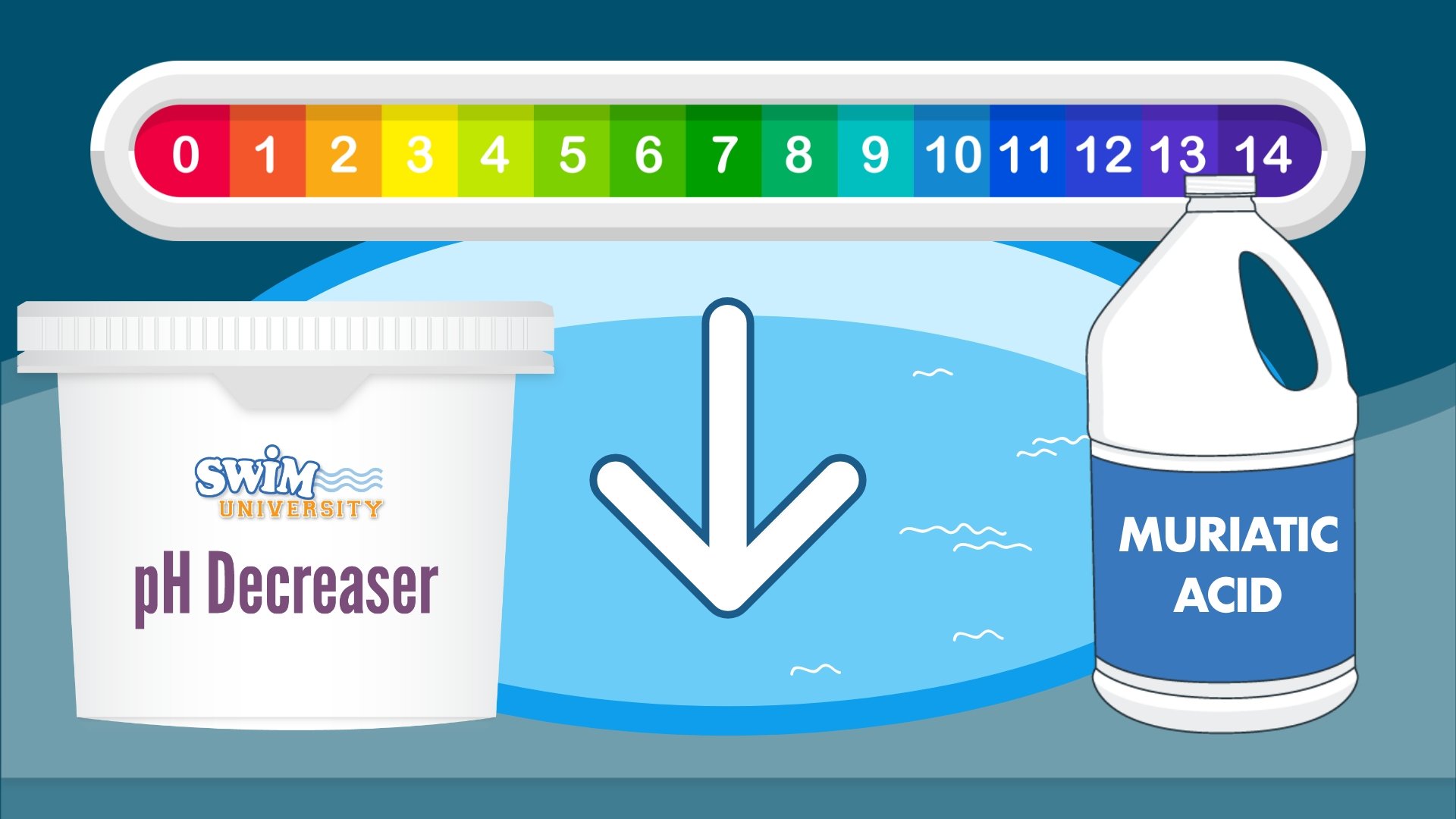
Before you try to change your pool’s pH, it’s important to know what pH is and why it matters. pH is a scale that measures how acidic or basic (alkaline) water is. The scale runs from 0 (very acidic) to 14 (very alkaline), with 7 being neutral.
For swimming pools, the best pH range is between 7.2 and 7.8. If your pool water goes above 7.8, it’s considered too alkaline. Here’s why pH balance is so important:
- Comfort: High pH can cause eye and skin irritation.
- Disinfection: Chlorine works best at the right pH. If pH is too high, chlorine becomes less effective.
- Equipment longevity: Unbalanced pH can damage pool pumps, liners, and heaters.
- Water clarity: High pH can make water cloudy and cause scale buildup.
Why Does Pool Ph Rise?
If you notice your pool pH keeps creeping up, you’re not alone. Several things can cause this:
- Adding new water: Tap water is often alkaline.
- Algae growth: Algae activity can push pH higher.
- High alkalinity: If total alkalinity is high, pH is harder to control.
- Chemical use: Some pool chemicals (like shock treatments) can raise pH.
- Aeration: Splashing, waterfalls, and jets add oxygen, which can increase pH.
Understanding the cause helps you manage the problem better—not just treat the symptoms.
What Is Vinegar And How Does It Work?
Vinegar is a common household acid. The most common type is white distilled vinegar, which contains about 5% acetic acid and 95% water. When added to pool water, acetic acid reacts with the alkaline substances to lower the pH.
However, the effect of vinegar is temporary and not as strong as professional pool chemicals. Vinegar is much weaker than the acids usually used in pool maintenance, such as muriatic acid or sodium bisulfate.
Does Vinegar Really Lower Pool Ph?
Yes, vinegar can lower pool pH because it is acidic. But the effect is mild and short-lived. Vinegar is safe for food, but it’s not designed for large bodies of water like pools. Here’s what happens:
- You pour vinegar into the pool.
- The acetic acid neutralizes some of the alkaline particles.
- PH drops slightly, but the effect fades quickly because vinegar is weak and can be broken down by sunlight and chlorine.
Example Calculation
Imagine your pool has 10,000 gallons (about 38,000 liters) of water. To lower the pH from 8. 0 to 7. 4, you would need a large amount of vinegar—often more than 5 gallons (about 19 liters). This is not practical for most pools.
Credit: www.swimuniversity.com
How Vinegar Compares To Other Ph Reducers
Let’s see how vinegar stacks up against traditional pool acids. Here’s a quick comparison:
| Substance | Common Name | Strength | Amount Needed (per 10,000 gal) | Effectiveness | Cost |
|---|---|---|---|---|---|
| Muriatic Acid | Hydrochloric Acid | Very Strong | ~1 quart (1 L) | High | Low |
| Sodium Bisulfate | Dry Acid | Strong | ~2 lbs (0.9 kg) | High | Medium |
| Vinegar | Acetic Acid | Weak | 5+ gallons (19+ L) | Low | Medium-High |
Step-by-step: Lowering Pool Ph With Vinegar
If you decide to use vinegar, follow these steps to do it as safely and effectively as possible.
1. Test Your Pool Water
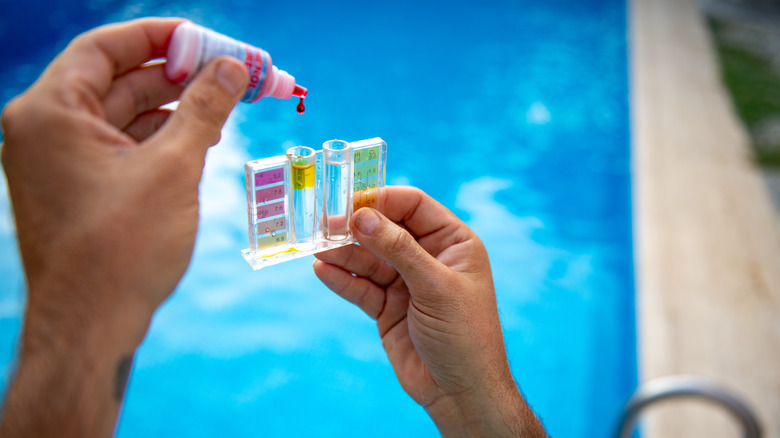
Before adding anything, use a reliable pool test kit to check the current pH and total alkalinity. Write down the results.
2. Calculate How Much Vinegar You Need
Estimate your pool’s volume. Then, use this rough guideline:
- To lower the pH of 10,000 gallons (38,000 liters) by 0.1, you need about 1 gallon (3.8 liters) of vinegar.
This is only a rough estimate. The actual amount can vary depending on your pool’s alkalinity.
3. Add Vinegar Slowly
Never dump all the vinegar in at once. Add vinegar to a bucket of pool water, then walk around the pool pouring the solution in slowly. This prevents concentrated acid from damaging one spot.
4. Run The Pump
Turn on the pool pump to circulate the water for at least 4-6 hours. Good circulation helps mix the vinegar evenly.
5. Retest The Water
After 6 hours, retest the pH. If it’s still too high, repeat the process, but add vinegar in smaller amounts each time.
6. Monitor Total Alkalinity
Adding vinegar can also lower total alkalinity. If alkalinity drops too much (below 80 ppm), the water can become corrosive. Keep checking both pH and alkalinity.
7. Adjust As Needed
Pool chemistry is a balancing act. You may need to add baking soda to raise alkalinity if it drops too low after using vinegar.
Pros And Cons Of Using Vinegar
While vinegar is natural and easy to find, there are clear advantages and disadvantages. Here’s a side-by-side look:
| Pros | Cons |
|---|---|
| Food-safe and non-toxic | Requires large amounts |
| Easy to buy | Weak acid—effect may be minimal |
| No harsh chemical fumes | Can disrupt water balance |
| Safe for skin (in small quantities) | More expensive than pool acid |
| Environmentally friendly | May attract insects or cause odor |
Common Mistakes When Using Vinegar
Many pool owners make simple errors when trying to use vinegar. Avoid these common mistakes:
- Adding too much at once: This can swing the pH too far and lower alkalinity fast.
- Not retesting the water: Always check pH and alkalinity after each dose.
- Ignoring alkalinity: Vinegar lowers both pH and alkalinity, which can make water corrosive.
- Expecting dramatic results: Vinegar is weak. Don’t expect a big change from a small amount.
- Using flavored or colored vinegar: Only use plain white vinegar. Other types can add unwanted chemicals or stains.
Long-term Effects Of Vinegar In Pools
Vinegar is not designed for pool use. If used often, it can cause:
- Increased organic load: Vinegar can feed bacteria and algae if chlorine is not maintained.
- Possible chlorine demand: More vinegar means chlorine works harder to keep water safe.
- Odor issues: Large amounts of vinegar can make your pool smell like a salad.
- Equipment stress: Repeated large doses can stress filters and pumps.
A small amount of vinegar now and then won’t hurt, but using it regularly is not recommended.
When Is Vinegar A Good Choice?
Vinegar might make sense in certain situations:
- Small above-ground pools: For a kiddie pool or small spa, vinegar is less risky and easy to manage.
- No access to pool chemicals: If you run out of standard chemicals and need a quick, gentle fix.
- Sensitive users: For swimmers with allergies to pool acids, vinegar is a gentle alternative (for small pools).
For large, permanent pools, standard pool acids are safer and more reliable.
Natural Alternatives To Vinegar
If you’re interested in natural pool care, here are a few safer and more effective ideas:
- CO2 injection: Some pools use carbon dioxide gas to lower pH. It’s safe and leaves no residue.
- Rainwater: Rain is naturally slightly acidic. Draining and refilling with rainwater can help, but it’s not always practical.
- Ascorbic acid (vitamin C): Occasionally used for stain removal, it can lower pH in small doses.
- Citric acid: Similar to vinegar, but slightly stronger. Used carefully, it can lower pH without strong chemicals.
But always remember, even natural acids can have side effects. Always test the water and make small changes.
Pool Ph Myths And Facts
Many pool owners hear different advice about lowering pH. Let’s separate myth from fact:
- Myth: “Natural products like vinegar are always safer.”
Fact: Large amounts of vinegar can upset pool balance and aren’t necessarily safer.
- Myth: “You only need to worry about pH if the water is cloudy.”
Fact: pH can be high even if water looks clear. Always test to be sure.
- Myth: “Vinegar is cheaper than pool acid.”
Fact: Because you need much more vinegar, it often costs more in the long run.
- Myth: “Once you fix the pH, you don’t need to check it again.”
Fact: pH can change quickly. Test at least once a week.
Real-world Example: Vinegar In A Small Pool
Let’s look at a real situation. Sarah has a 500-gallon (about 1,900 liters) above-ground pool for her kids. She notices the pH is 8. 0. She wants to use vinegar because she doesn’t have pool acid.
- Step 1: She tests the water—pH 8.0, alkalinity 120 ppm.
- Step 2: She adds 2 cups (about 500 mL) of white vinegar, diluted in a bucket of pool water.
- Step 3: She runs the pool filter for 3 hours.
- Step 4: After retesting, pH drops to 7.6.
- Step 5: She checks alkalinity—still safe at 100 ppm.
In this case, vinegar worked well because the pool was small, and she made changes slowly. In a large pool, this would not be practical.
Pool Chemistry: What Beginners Often Miss
Most beginners focus only on pH. But there are two important, less obvious points:
- Total alkalinity acts as a buffer: If your pool’s alkalinity is high, vinegar (or any acid) will have less effect on pH. You might pour in gallons of vinegar and see only a tiny change. Always test and manage both pH and alkalinity.
- Chlorine efficiency drops at high pH: Even if your chlorine level is high, it won’t disinfect well if pH is above 7.8. This means your pool could have bacteria problems even if the water looks clear.
Credit: www.housedigest.com
Safety Tips When Handling Vinegar In Pools
While vinegar is much safer than pool acid, there are still a few safety points to remember:
- Wear gloves to protect your skin if you have sensitive hands.
- Never mix vinegar with chlorine directly. It can create irritating fumes.
- Keep children away when adding any chemicals to the pool, even vinegar.
- Store vinegar in a cool, dry place away from sunlight and pool equipment.
Cost Comparison: Vinegar Vs. Pool Acids
How does the cost of lowering pool pH with vinegar compare to professional pool acids? Let’s look at a rough estimate for a 10,000-gallon pool.
- Muriatic acid: About $7 for 1 gallon (enough for several treatments)
- Sodium bisulfate: About $12 for a 5-lb bag (enough for several treatments)
- White vinegar: About $3 per gallon, but you need 5+ gallons ($15+ per treatment)
So vinegar can cost twice as much or more for the same effect, and you’ll need to buy and carry heavy jugs.

Credit: www.swimuniversity.com
Environmental Impact
Many people prefer vinegar because it is biodegradable and seems greener. But all acids, natural or not, change the chemistry of your pool. Vinegar can create more organic waste in the water, which means you may use more chlorine and have more to filter out.
In the long term, using proper pool chemicals in small amounts is actually more eco-friendly than dumping gallons of vinegar, which can stress your pool’s ecosystem.
When To Call A Pool Professional
Sometimes, lowering pH is not a simple fix. Call a professional if:
- The pH won’t stay stable, no matter what you add.
- You see stains, corrosion, or white scale forming on your pool surfaces.
- You don’t know your pool’s exact volume or chemical history.
- The water smells bad or looks green/cloudy after vinegar use.
A professional can test, diagnose, and recommend the safest solution.
Expert Opinions
Most pool experts agree: Vinegar can lower pH, but it’s not ideal for large pools. The National Swimming Pool Foundation and other organizations recommend using approved pool chemicals, which are designed for safety and effectiveness. Vinegar works in a pinch for small, simple setups.
If you want to read more about pool chemistry and pH management, you can check the Wikipedia guide on pool sanitation.
Frequently Asked Questions
Is Vinegar Safe For All Pool Types?
Vinegar is generally safe for vinyl, fiberglass, and concrete pools in small doses. However, using large amounts can upset water balance and may not be ideal for large, in-ground pools.
How Often Can I Use Vinegar To Lower Ph?
It’s best to use vinegar only as an emergency measure or for small pools. Regular use is not recommended, as it can make maintaining water balance difficult.
Will Vinegar Damage My Pool Equipment?
Small amounts of vinegar are not likely to harm pool equipment. However, repeated large doses can increase the risk of corrosion, especially if they lower alkalinity too much.
Can I Swim Right After Adding Vinegar?
Wait at least 2-4 hours after adding vinegar and running the pump. Always test the water to make sure pH is safe (7.2–7.8) before swimming.
What’s The Best Alternative To Vinegar For Lowering Pool Ph?
Muriatic acid and sodium bisulfate are the best alternatives. They are designed for pools, cost less, and are easier to control. For a natural option, consider CO2 injection if available.
Keeping your pool’s pH balanced is key for swimmer comfort, safety, and clear water. While vinegar can lower pool pH in some cases, it is best used for small pools or as a last resort. For most pool owners, using the right chemicals in the correct amounts is safer, cheaper, and more effective.
Always test your water, make changes slowly, and enjoy your clean, healthy pool all season long.