
Swimming pools are a source of relaxation and fun, but nothing interrupts a perfect pool day like seeing dark stains on the plaster. These dirt stains not only look unattractive, but they also make the pool seem less clean and can hide deeper problems. If you’ve noticed ugly brown, grey, or even black marks on your pool’s plaster, you’re not alone. Many pool owners struggle with this, especially in areas with high debris or mineral content in the water.
Understanding how to remove dirt stains from pool plaster is important for keeping your pool healthy and inviting. This guide will walk you through everything you need to know—from identifying the cause to choosing the safest cleaning method. You’ll learn about the tools, chemicals, and techniques that actually work, as well as some practical tips that most beginners miss.
Whether you’re a new pool owner or have been caring for pools for years, you’ll find something here that makes stain removal easier and more effective.
What Causes Dirt Stains On Pool Plaster?
Before you clean, it helps to know where stains come from. Dirt stains on pool plaster can have several origins:
- Soil and debris: Wind, rain, or pool users track in soil and dust.
- Organic material: Leaves, grass, pollen, and algae can break down into stains.
- Metals: Iron, copper, and manganese in the water can react with chemicals to form marks.
- Improper water chemistry: Unbalanced pH or alkalinity can cause minerals to settle on plaster.
- Pool location: Pools near gardens or under trees collect more debris.
Not all stains are the same. Some are just on the surface, while others have penetrated the plaster. Knowing the difference helps you pick the right cleaning method.
How To Identify Different Types Of Pool Plaster Stains
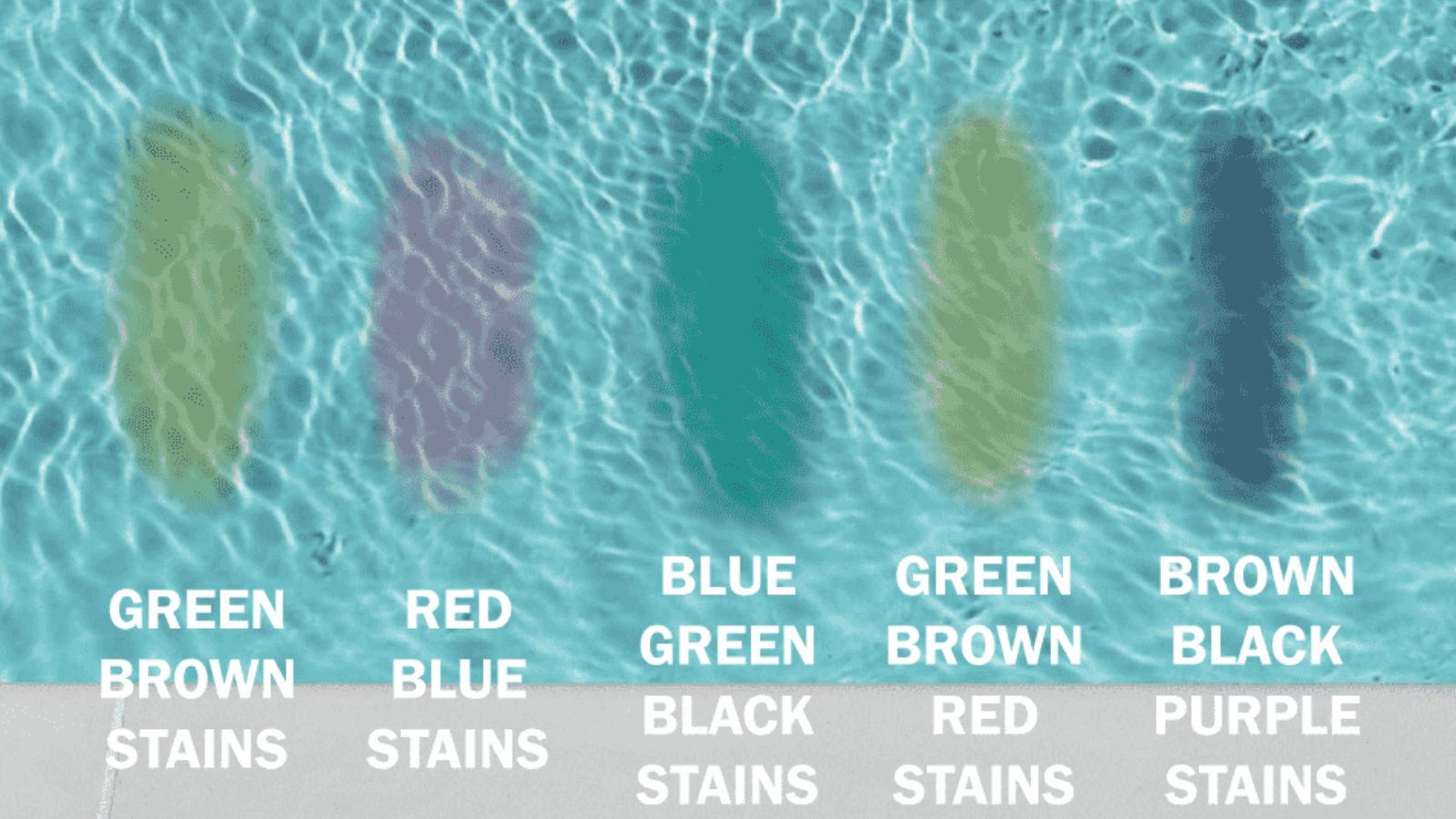
Not every stain is caused by dirt. Sometimes, what looks like a dirt stain could be a metal stain, algae, or even scaling. Here’s how you can tell:
Visual Clues
- Brown or tan stains: Usually organic dirt or soil.
- Green stains: Often algae.
- Reddish-brown stains: Likely iron.
- Black spots: Could be manganese or black algae.
- White or gray patches: Calcium buildup.
The “vitamin C” Test
An easy way to test if a stain is metal-based is to rub a vitamin C tablet on it. If it lightens, it’s probably a metal stain. If not, it’s likely dirt or organic.
Location And Pattern
- Bottom corners: Dirt and organic debris settle here.
- Around returns or under ladders: More likely to be metal stains.
- Random small spots: Could be algae.
Essential Tools And Safety Gear
Before you begin cleaning, gather these items:
- Pool brush: Choose a nylon brush for plaster.
- Manual vacuum: For removing loosened dirt.
- Leaf net or skimmer: To remove debris before it sinks.
- Stain eraser or pumice stone: For spot treatment.
- Protective gloves: Prevents chemical burns.
- Goggles: Protects eyes from splashes.
- Test kit: For checking water chemistry before and after cleaning.
Wearing safety gear is important. Some cleaning agents can irritate skin or eyes, so don’t skip this step.
Step-by-step: How To Remove Dirt Stains From Pool Plaster
Let’s get practical. Here are the main steps, with extra tips for a deep, lasting clean.
1. Remove Loose Debris
Start by skimming the surface and vacuuming the pool floor to remove loose leaves, dirt, or other materials. This prevents extra stains and makes cleaning easier.
2. Brush The Stained Area
Use a pool brush (nylon is best for plaster) to scrub the stained areas. Brush in a circular motion and cover a larger area than just the visible stain. This helps loosen up both surface dirt and any algae mixed in.
3. Test And Adjust Water Chemistry
Always check your pool’s pH, alkalinity, and calcium hardness before using stain removers. Ideal levels are:
- PH: 7.4–7.6
- Alkalinity: 80–120 ppm
- Calcium Hardness: 200–400 ppm
If the water is out of balance, stains are more likely to return.
4. Try Non-chemical Cleaning First
Sometimes, elbow grease is enough. Use a stain eraser or a pumice stone (for tough stains). Rub gently—too much force can scratch the plaster.
5. Use A Pool Stain Remover
If brushing doesn’t work, choose a stain remover made for plaster pools. There are several types:
- Enzyme-based: Good for organic stains.
- Ascorbic acid: Works on some metal stains.
- Chelating agents: Bind to metals, preventing new stains.
Follow the instructions closely. Never mix chemicals.
6. Shock The Pool (if Needed)
If you suspect organic stains or algae, “shocking” the pool can help. Add chlorine shock according to your pool’s size. Wait until chlorine levels return to normal before swimming.
7. Manual Vacuuming
After brushing and treating, vacuum the pool floor. Automatic cleaners sometimes miss heavy dirt. Manual vacuuming ensures you remove all loosened particles.
8. Backwash Or Clean The Filter
Stain removal often releases a lot of debris into the water. Clean or backwash your filter after each session to keep your pool clear.
9. Re-test And Balance Water
Check the water chemistry again when you’re done. Adjust as needed to prevent new stains.
10. Repeat If Necessary
Some stains are stubborn. It can take a few cycles to remove them fully. Be patient but persistent.
Comparing Common Pool Stain Removal Methods
Different stains need different methods. Here’s a comparison of the most popular options:
| Method | Best For | Pros | Cons |
|---|---|---|---|
| Brushing | Surface dirt, algae | Safe, easy, no chemicals | May not remove deep stains |
| Stain Eraser/Pumice | Small, tough spots | Precise, no chemicals | Can scratch plaster if overused |
| Ascorbic Acid | Metal stains | Effective, quick results | May need rebalancing water |
| Enzyme Cleaner | Organic stains | Safe for most users | Slower than chemicals |
| Acid Wash | Deep, set-in stains | Very thorough | Risky, can damage plaster |
When To Use An Acid Wash (and Why It’s Not Always Best)
An acid wash is a last-resort cleaning method. It uses muriatic acid to strip a thin layer of plaster, removing deep stains. However, this method is not for everyone.
Risks Of Acid Washing
- Thins the plaster: Each wash removes some material, shortening pool life.
- Hazardous chemicals: Fumes and splashes are dangerous.
- Not for all stains: Doesn’t work on all dirt stains—best for stubborn, set-in marks.
When To Consider Acid Washing
- Stains cover large areas and won’t respond to brushing or chemicals.
- Pool looks rough or “aged” with wide discoloration.
- You’re planning a plaster resurfacing soon.
If you choose acid washing, hire a professional unless you have experience. Mistakes can be costly.
Common Mistakes Beginners Make
Even experienced pool owners sometimes miss small details. Here are mistakes to avoid:
- Not identifying the stain type: Treating all stains the same way can make things worse.
- Using the wrong brush: Metal brushes can scratch plaster.
- Overusing chemicals: Too much can damage plaster or throw off water balance.
- Skipping filter cleaning: Dirt and debris can recirculate if the filter isn’t cleaned.
- Ignoring water chemistry: Unbalanced water quickly causes new stains.
- Scrubbing too hard: Aggressive cleaning can leave permanent marks.
- Not testing after treatment: Always re-check water chemistry.
Preventing Dirt Stains In The Future
Removing stains is only half the battle. Here’s how to keep your pool plaster clean:
- Regular brushing: At least once a week, especially in corners.
- Vacuuming: Manual or automatic, but don’t rely on robots alone.
- Cover the pool: Use a cover when not in use, especially if near trees or a garden.
- Check water chemistry: Test weekly, adjust as needed.
- Maintain landscaping: Trim plants and minimize soil runoff near the pool.
- Clean filters and skimmers: Monthly or as needed for your pool’s usage.
These simple steps can prevent most stains before they start.
Advanced Tips: Going Beyond Basic Cleaning
Sometimes, basic cleaning isn’t enough. Here are two expert tricks for stubborn stains:
Spot-treat With A Stain Sock
Fill an old sock with ascorbic acid or a stain remover, tie it off, and place it directly on the stain. Let it sit for several hours. This targets stains without spreading chemicals through the whole pool.
Flocculants For Cloudy Water
After heavy brushing and stain removal, your water may turn cloudy. Flocculants bind tiny particles, causing them to sink for easier vacuuming. Use only as directed, as overuse can clog your filter.
How Pool Plaster Type Affects Stain Removal
Not all pool plasters are the same. Your cleaning method should match your surface.
| Plaster Type | Stain Resistance | Best Cleaning Methods | Extra Care Needed? |
|---|---|---|---|
| Traditional White Plaster | Moderate | Brushing, stain remover, light acid wash | Yes, avoid harsh scrubbing |
| Colored Quartz Plaster | High | Brushing, enzyme or ascorbic acid | Yes, to avoid fading |
| Pebble Finish | Very high | Brushing, stain remover | No, but avoid strong acids |
Always check the manufacturer’s recommendations before using chemicals or abrasive tools.
Real-world Example: Removing A Stubborn Dirt Stain
Let’s say you have a brown stain near the deep end. Here’s how you might tackle it:
- Skim and vacuum the area to remove loose debris.
- Brush the stain daily for three days.
- Test water chemistry and adjust if needed.
- Spot-treat with a stain sock filled with ascorbic acid. Leave for 4–6 hours.
- Vacuum again to remove loosened particles.
- Clean the filter thoroughly.
- Re-test and balance water.
If the stain fades but doesn’t disappear, repeat the spot treatment or try a gentle pumice stone. Avoid harsh chemicals unless absolutely needed.
How Long Does It Take To Remove Dirt Stains?
Time depends on stain type and method:
- Surface stains: 1–2 days with brushing and vacuuming.
- Stubborn stains: 3–7 days with treatment cycles.
- Deep stains: May require professional help or resurfacing.
Patience is key—rushing can damage your pool or create new problems.
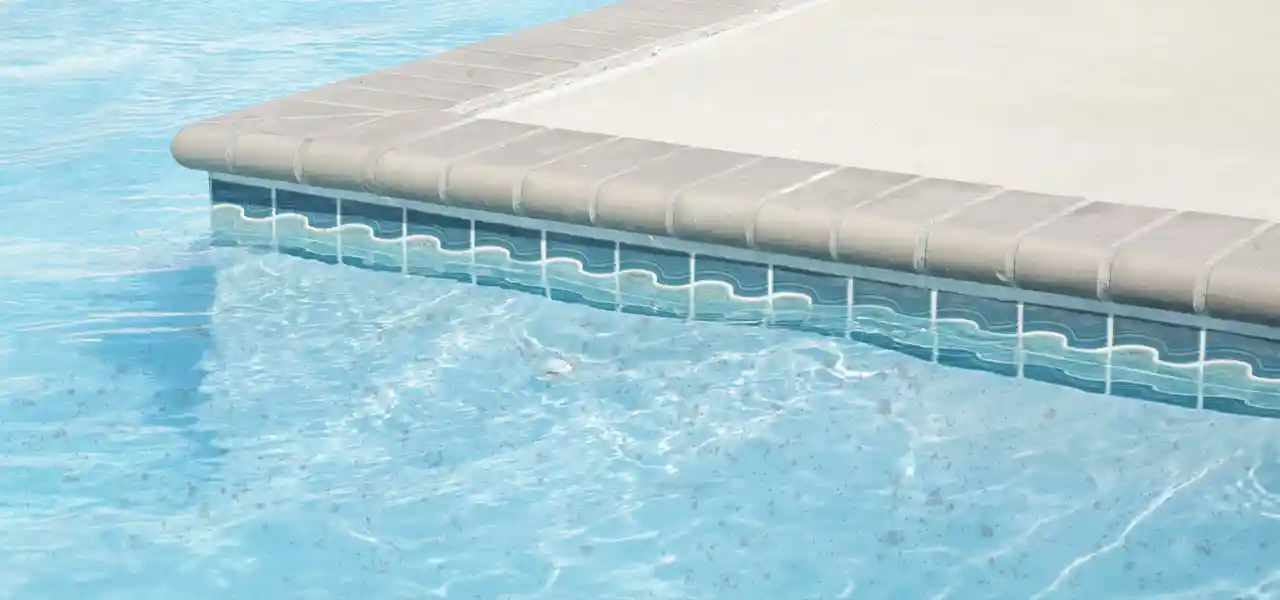
Credit: intheswim.com
The Role Of Water Source And Fill Practices
Your water source can affect how easily your pool stains:
- Well water: Often high in iron and manganese, leading to more stains.
- City water: Usually balanced, but sometimes contains trace metals.
- Rainwater: Dilutes chemicals and can shift balance quickly.
If you use well water, consider a pre-filter or a metal sequestering agent when filling the pool.
Essential Chemicals For Stain Removal
Here are common chemicals used for stain removal and their purpose:
- Ascorbic acid: Lifts metal stains.
- Sodium thiosulfate: Neutralizes chlorine, helpful before stain treatment.
- Chelating agents: Prevent metals from settling.
- Enzyme cleaners: Break down organics.
Always follow label directions and never mix chemicals unless directed by a professional.
Professional Pool Stain Removal: When To Call For Help
Some stains just won’t budge, no matter what you try. Call a pool professional if:
- The stain covers a large area and doesn’t change after repeated treatments.
- The plaster feels rough, etched, or pitted.
- You’re unsure about using strong chemicals.
- You suspect a leak or structural problem.
A pro can test the stain, recommend specialized treatments, or perform an acid wash safely.
Environmental Impact: Responsible Cleaning
Many stain removers are safe, but some can harm the environment if misused. Dispose of used water and chemicals according to local guidelines. Avoid draining large amounts of chemically treated water into the street or storm drains.
For more on safe pool practices, see CDC’s residential pool guidelines.
:max_bytes(150000):strip_icc()/GettyImages-160333509-5ad0c015fa6bcc003664deb1.jpg)
Credit: www.liveabout.com
Pool Stain Removal Vs. Pool Resurfacing
If your pool has many deep stains and rough patches, it may be time to resurface the plaster. Stain removal is for cosmetic or shallow marks, but resurfacing fixes deep damage. This is a major project, often costing thousands of dollars. Try cleaning methods first before considering this step.
Diy Or Hire A Service? Quick Comparison
Here’s a look at when to tackle stains yourself or call a professional:
| Factor | DIY | Professional Service |
|---|---|---|
| Cost | Low (just supplies) | High ($300+ per visit) |
| Time | Several hours to days | Usually 1 day |
| Risk of Damage | Moderate (inexperience) | Low (expert care) |
| Stubborn Stains | May require pro help | Handled efficiently |
| Water Chemistry | Must learn and monitor | Managed by experts |
DIY is usually enough for most dirt stains, but don’t hesitate to call in help for large or persistent problems.
Credit: www.jdesigns.com
Frequently Asked Questions
How Often Should I Clean My Pool Plaster To Prevent Stains?
Clean your pool plaster at least once a week. Regular brushing and vacuuming prevent most stains. Increase frequency during heavy use or when debris levels are high.
Can I Use Household Cleaning Products On Pool Plaster?
No, you should not use regular household cleaners. Many contain chemicals that can damage plaster or unbalance pool water. Always use products designed for pools.
What Is The Safest Stain Remover For Pool Plaster?
Enzyme-based and ascorbic acid products are generally the safest. They are effective on most organic and light metal stains without harming plaster when used correctly.
Will Draining My Pool Help Remove Stains?
Draining is not a cure for stains and can sometimes make things worse. It’s best for acid washing or resurfacing, which should be done by professionals. Most stains can be treated without draining.
What Should I Do If Stains Keep Coming Back?
If stains return, check water chemistry and filtration. Persistent stains may mean a deeper problem like high metal content, poor circulation, or rough plaster. Address the root cause, not just the stain.
Keeping your pool plaster clean is both art and science. With these steps, you’ll have a sparkling pool that stays beautiful for years to come. Remember, regular care beats big repairs every time.