
If your pool heater isn’t working, it can spoil a relaxing day by the water. The Jandy JXi pool heater is known for its reliable performance, but like any machine, it can develop faults. One common issue is the ignition fault. This can leave pool owners frustrated, especially if they don’t understand what’s wrong or how to check it. Knowing the right steps for a Jandy JXi pool heater fault check ignition can save time, money, and stress. This guide gives you everything you need—from understanding the ignition process to step-by-step checks and advanced troubleshooting.
Why Ignition Faults Happen In Pool Heaters
All pool heaters need a safe and reliable way to start. The ignition system lights the gas to make heat. But this process depends on several parts working together. If one part fails, the ignition may not start, or it might shut down quickly.
Here are some common causes of ignition faults in Jandy JXi heaters:
- Low gas pressure or empty gas tank
- Dirty or blocked burners
- Faulty igniter or flame sensor
- Problems with wiring or control board
- Issues with airflow or venting
Many owners think only the igniter can cause a problem, but often, a simple gas supply or airflow issue is the real cause. Also, weather, insects, and even pool chemicals can damage sensitive parts over time.
How The Jandy Jxi Pool Heater Ignition System Works
Before starting any checks, it helps to know how the ignition system works. The JXi uses a modern electronic ignition, which is safer and more efficient than older pilot light designs.
Here’s what happens during ignition:
- The heater checks for safe conditions (like good water flow and correct temperature).
- The control board sends power to the igniter.
- The igniter heats up and lights the gas coming from the burners.
- The flame sensor detects the flame. If the flame is there, heating continues. If not, the system shuts down for safety.
If any part of this sequence fails, the system will show a fault code or warning light.

Credit: www.youtube.com
Safety Precautions Before Troubleshooting
Never rush into troubleshooting a gas heater. Start by turning off power to the unit and closing the gas supply. Wait for a few minutes to let any gas in the area clear away. Use insulated tools and avoid touching electrical parts with wet hands.
If you ever smell strong gas or feel unsure, call a licensed pool professional. Safety always comes first.
Tools And Materials Needed
You don’t need special tools for most checks, but having the right gear can make the job easier and safer.
Basic tools:
- Phillips and flathead screwdrivers
- Multimeter (for checking voltage and resistance)
- Digital camera or phone (for photos of wiring before disconnecting)
- Soft brush or compressed air (for cleaning)
- Flashlight
Optional:
- Small adjustable wrench
- Pipe cleaner (for burner tubes)
- Replacement igniter or flame sensor (if needed)
Step-by-step: Jandy Jxi Pool Heater Fault Check Ignition
Let’s break down the full process into clear steps. Take your time and follow each step carefully. Skipping a step can cause confusion or even damage the heater.
Step 1: Read The Display And Fault Codes
The JXi control panel has a display that shows error codes. These codes are your first clue.
- Turn the heater on and watch for any error code or flashing light.
- Common ignition-related codes include: “IF” (Ignition Failure), “FS” (Flame Sense), “AO” (Airflow Obstruction).
- Write down the code and the exact sequence. Some codes clear quickly, so be ready.
Pro tip: Many owners miss that the code sometimes flashes, then disappears. Wait through a full ignition cycle to see if the code returns.
Step 2: Check Power And Control Board
A weak or missing power supply can cause ignition faults.
- Confirm the heater is plugged in and the breaker is on.
- Use a multimeter to test for 120V or 240V AC (depending on your model) at the terminal block.
- Inspect the control board for signs of burning, corrosion, or loose wires.
Non-obvious insight: Sometimes rodents chew wires inside the cabinet, causing strange intermittent faults. Always check for chewed wires or droppings.
Step 3: Inspect The Gas Supply
The heater needs the right amount of gas to ignite.
- Make sure the gas valve is open.
- If you use propane, confirm the tank isn’t empty.
- Check for kinks or damage in the gas line.
- Smell for gas leaks. If you detect a strong odor, stop and call a professional.
- If possible, use a manometer to check that gas pressure matches the label on your heater.
Note: Low gas pressure can cause delayed or failed ignition. Even if you have hot water elsewhere, the heater might need more pressure.
Step 4: Check Water Flow
Low water flow can cause the heater to lock out ignition for safety.
- Make sure the pool pump is running.
- Clean the filter and pump basket.
- Check for closed valves or obstructions in the plumbing.
- Look for the “LO” (Low Water Flow) code on the display.
If water flow is too low, the heater won’t even try to ignite.
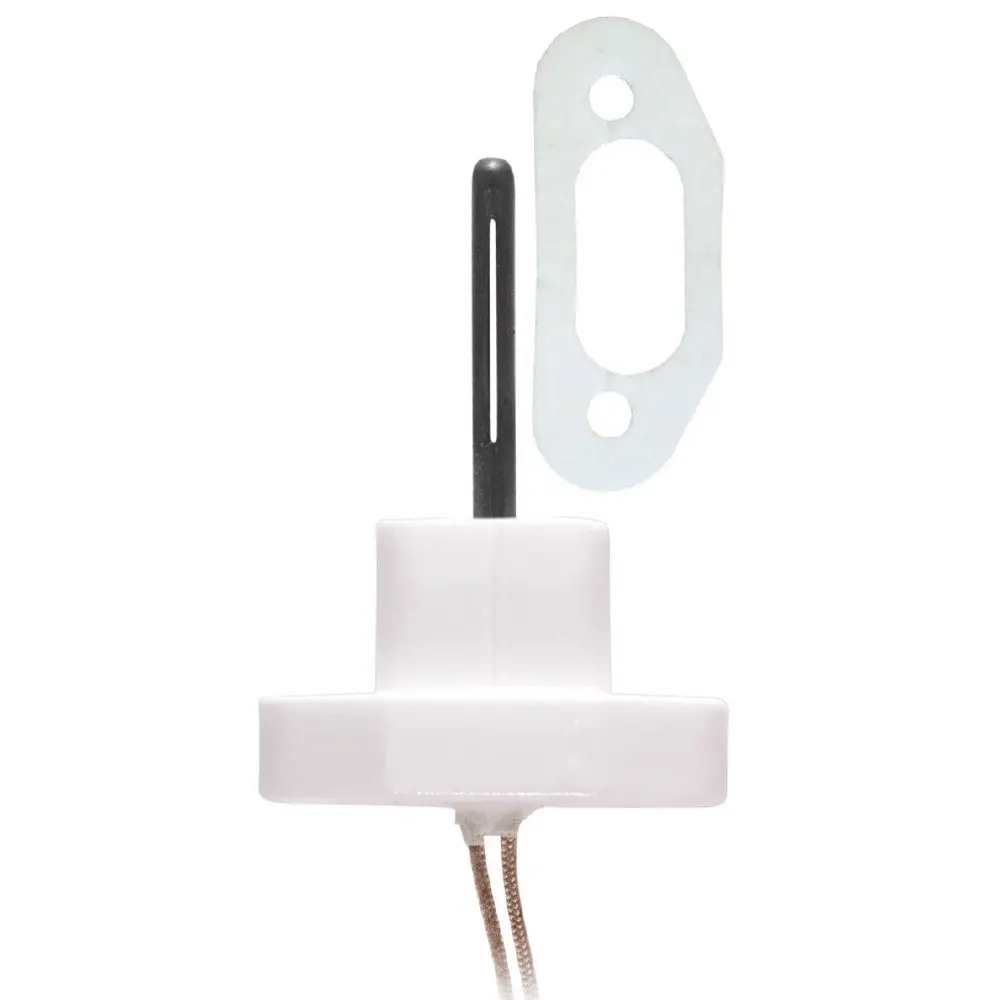
Step 5: Remove And Inspect The Igniter
If the display points to an ignition or flame sense problem, the igniter is the next focus.
- Turn off power and gas.
- Open the heater’s service panel.
- Locate the igniter (see the manual for exact location).
- Carefully unplug and remove the igniter.
- Look for cracks, white spots, or black soot on the igniter.
- Use a multimeter to check resistance (ohms). The manual will list the correct range, usually between 10–100 ohms.
- If the igniter is out of range or damaged, replace it.
Pro tip: Don’t touch the new igniter’s tip with your fingers. Oils can reduce its lifespan.
Step 6: Clean Or Replace The Flame Sensor
The flame sensor is a metal rod that checks if the flame is present.
- Remove the flame sensor.
- Lightly clean it with fine steel wool or emery cloth.
- Reinstall it and test the heater.
- If you still see the “FS” code, replace the flame sensor.
Many owners don’t realize that even a thin layer of carbon or dirt can block the sensor’s signal.
Step 7: Inspect And Clean The Burners
Dirty burners can block gas flow and prevent ignition.
- Remove the burner tray as described in the manual.
- Look for spider webs, dust, or rust.
- Use a soft brush or compressed air to clean the burner holes.
- Check for signs of corrosion or broken parts.
Non-obvious insight: Insects are attracted to the smell of gas. Spiders often build nests in burner tubes, causing blockages that are hard to see without close inspection.
Step 8: Check Airflow And Venting
Blocked vents or fans can cause the heater to shut down for safety.
- Make sure the air intake and exhaust are clear.
- Remove any leaves, sticks, or nests from the vent.
- Check that the fan (if present) spins freely and is not obstructed.
Poor airflow can trigger “AO” or similar codes. Always check vents if your heater is outdoors or in a tight space.
Step 9: Inspect Wiring And Connectors
Loose or corroded wires can interrupt the ignition sequence.
- With power off, gently tug each connector to see if it’s tight.
- Look for green or white corrosion on terminals.
- Take photos before disconnecting anything.
- Clean corroded terminals with electrical contact cleaner and a brush.
A single loose wire can cause fault codes, even if everything else looks perfect.
Step 10: Test Safety Switches
The JXi has multiple safety switches: high-limit, pressure, and roll-out switches.
- Check each switch for continuity with a multimeter.
- If a switch is open when it should be closed, replace it.
- Some switches have a manual reset button—press gently if needed.
These switches protect the heater from dangerous conditions. Never bypass a safety switch.
Step 11: Reset The Heater
After fixing any issues, reset the control board.
- Turn off power for at least 60 seconds.
- Turn power back on and try the heater again.
- Watch for error codes or listen for the sound of ignition.
If the heater starts and runs normally, you’ve solved the problem.
Advanced Troubleshooting: When The Simple Steps Don’t Work
Sometimes, the problem is deeper. Here are advanced steps if you still have ignition faults:
Control Board Diagnostics
The JXi’s control board stores error history and allows advanced checks.
- Enter the diagnostic menu (see the manual).
- Review the error log for repeating codes.
- Some boards allow you to test individual components, like the igniter or relay.
If the control board shows strange or random codes, it may be failing.
Measuring Ignition Sequence Timing
Use a multimeter or small test light to watch for power at the igniter:
- Have a helper start the heater while you measure voltage at the igniter connector.
- You should see voltage appear for a few seconds during ignition.
- If voltage never appears, the board or a relay may be faulty.
Gas Valve Testing
If you suspect a gas valve problem:
- Listen for a “click” sound when the heater tries to ignite.
- Use a manometer to check for gas pressure before and after the valve.
- Never try to open or repair a gas valve yourself—replace it if faulty.
Comparing Fault Symptoms
Different symptoms can point to different causes. Here’s a comparison of common problems:
| Symptom | Likely Cause | What to Check |
|---|---|---|
| No ignition, no codes | Power or control board issue | Breaker, wiring, board |
| Igniter glows, no flame | No gas or blocked burner | Gas valve, gas supply, burners |
| Heater starts, then shuts off | Dirty flame sensor or low gas | Flame sensor, gas pressure |
| “AO” code | Airflow or venting issue | Fan, vent pipe, intake |
Credit: www.troublefreepool.com
Real-world Examples: Troubleshooting Stories
Case 1: The Mysterious “if” Code
A pool owner found their JXi heater would start, click, and shut down with an “IF” code. The igniter was new and gas supply seemed fine. On inspection, a spider web was found deep inside a burner tube. After cleaning with a pipe cleaner, the heater worked perfectly.
Case 2: Intermittent Ignition
Another owner had random ignition failures. Sometimes the heater worked, other times it did not. After hours of checking, they found a loose wire on the flame sensor. Tightening the connector fixed the problem.
Case 3: Outdoor Installation
A heater installed under trees kept showing airflow faults. Leaves had clogged the vent pipe. After clearing the vent and installing a mesh screen, the problem stopped.
Preventing Ignition Faults: Maintenance Tips
Most ignition faults can be prevented with regular care.
- Clean the heater every 2–3 months. Remove dust and debris from burners and vents.
- Check wiring for signs of wear or corrosion.
- Inspect the gas line annually for leaks or damage.
- Test the igniter and flame sensor each season.
- Keep the area around the heater clear. Avoid storing pool chemicals or flammable items nearby.
A simple maintenance schedule can add years to your heater’s life.
When To Call A Professional
Some problems are best left to trained experts.
- If you smell gas or see a visible leak, stop and call for help.
- If you are not comfortable with electrical tests, don’t risk injury.
- If the heater shows repeated or strange error codes, a technician can use factory tools to diagnose the board or sensors.
- Local codes or warranty terms may require professional service.
Trying to repair gas valves or control boards without training can be dangerous and may void your warranty.
Key Parts: Replacement And Cost Comparison
If you need to replace a part, it helps to know the average cost and life expectancy.
| Part | Typical Lifespan | Average Cost (USD) |
|---|---|---|
| Igniter | 3–5 years | $60–$120 |
| Flame Sensor | 3–7 years | $30–$60 |
| Gas Valve | 8–12 years | $130–$250 |
| Control Board | 10+ years | $180–$350 |
Tip: Always use genuine Jandy parts. Off-brand sensors or igniters may fit, but often fail sooner or cause new problems.
Environmental Factors: How Location Affects Ignition
Outdoor heaters face unique challenges. Rain, dust, and insects are common threats. In coastal areas, salty air can corrode wiring and sensors faster. If your heater is near a garden, plants and mulch can attract insects. Consider installing a vent cover and checking the heater after storms or windy days.
Pool chemical fumes can also cause corrosion. Place your heater away from stored chlorine or acid.
Understanding Fault Codes: Jandy Jxi Quick Reference
The control panel can show many codes. Here’s a quick guide to the most common ignition-related faults:
| Code | Meaning | What to Check |
|---|---|---|
| IF | Ignition Failure | Igniter, gas, flame sensor |
| FS | Flame Sense | Flame sensor, burners, wiring |
| AO | Airflow Obstruction | Vent, fan, air intake |
| LO | Low Water Flow | Pump, filter, valves |
Always check the manual for your specific model, as codes may change with software updates.
What Most Pool Owners Miss
- The heater needs clean air as much as clean gas. Blocked vents or dusty air can cause ignition faults just like a bad igniter.
- Little changes in gas pressure can cause faults. Even a half-closed valve or a long gas line can lower pressure enough to prevent ignition.
- Error codes sometimes point to a symptom, not the cause. For example, a flame sense error may be due to bad burners, not just a dirty sensor.
Saving Time And Money: Smart Troubleshooting Strategies
- Start with the simplest checks: Gas supply, power, and water flow.
- Take notes and photos as you work. This helps if you need to call a professional later.
- Don’t replace parts until you test them. Many igniters are replaced when the real problem is gas or wiring.
- Use the error code history to look for patterns.
- Set a maintenance reminder for each spring.

Credit: www.reddit.com
How To Find Official Jandy Resources
For wiring diagrams, part numbers, and updates, visit the official manufacturer’s site. Jandy’s support documents are detailed and up-to-date. Always use the manual for your exact model.
For more detailed resources, check the official Jandy JXi product page.
Frequently Asked Questions
Why Does My Jandy Jxi Pool Heater Keep Showing An Ignition Fault?
Ignition faults can be caused by several issues: low gas pressure, dirty flame sensor, blocked burners, or wiring problems. Start by checking gas and power, then clean the igniter and flame sensor. If the problem continues, inspect burners and wiring for hidden issues.
How Often Should I Clean The Igniter And Flame Sensor?
For best performance, clean the igniter and flame sensor at least once a season. If your pool is used heavily or the heater is outdoors, check these parts every few months.
What Should I Do If I Smell Gas Near My Pool Heater?
Turn off the heater and gas supply immediately. Do not use electrical switches or open flames nearby. Leave the area and call a licensed technician or your gas supplier for help. Never try to repair a gas leak yourself.
Can I Use Universal Replacement Parts For My Jxi Heater?
It is best to use genuine Jandy replacement parts. Universal or off-brand parts might fit but often do not meet the same quality standards. This can lead to more faults or even void your warranty.
How Do I Reset The Jandy Jxi Heater After Fixing A Fault?
Turn off the power to the heater for at least one minute, then turn it back on. The control board will clear most faults automatically. If the error returns, double-check all steps or call a professional.
—
A Jandy JXi pool heater offers comfort and convenience, but ignition faults can stop your enjoyment fast. With clear steps and a basic understanding, most owners can solve common ignition problems themselves. Just remember: safety comes first, and regular maintenance prevents most faults before they start. If in doubt, contact a trained pool professional. Keeping your heater in top shape means more time enjoying your pool, not worrying about repairs.