
A sparkling, clean pool is what every owner hopes for when installing an Intex pool in their backyard. But nothing disrupts that summer fun faster than your Intex pool pump not suctioning the way it should. Suddenly, your clear water turns cloudy, the floor gets dirty, and the fun stops. Many pool owners face this issue at least once, and it can be both confusing and frustrating, especially if you’re not familiar with how pool pumps work.
This article takes you through every possible reason your Intex pool pump isn’t suctioning, how to troubleshoot, and what you can do to fix it. You’ll also learn about prevention, maintenance tips, and when it’s time to call in a professional.
Whether you’re a new pool owner or have been maintaining pools for years, you’ll discover practical insights and solutions that go beyond the basics.
How An Intex Pool Pump Works
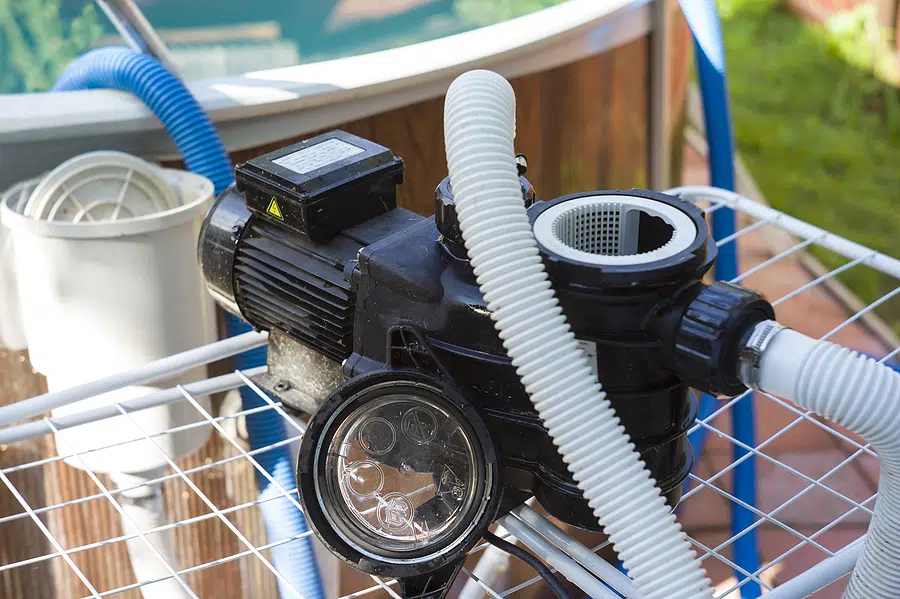
Before fixing the problem, it’s important to understand what your Intex pool pump does. The pump draws water from the pool through the skimmer and main drain, pushes it through a filter, then returns clean water back into the pool. Suction is the force that pulls water out of the pool and into the pump. If there’s a problem with suction, water won’t circulate, and your pool will quickly get dirty.
The pump system relies on a closed loop, meaning all connections must be airtight. If air gets in, or water can’t flow freely, suction drops and the system fails. The most common symptoms of suction problems are low water flow, bubbles coming from the return jet, or the pump losing prime (filling with air).
Common Reasons Your Intex Pool Pump Is Not Suctioning
Let’s break down the main causes and what they mean for your pool.
1. Low Water Level In The Pool
If the water level drops below the skimmer opening, air will enter the pump system. This is one of the most frequent causes and is easy to overlook. When the pump pulls air instead of water, you’ll lose suction almost immediately.
Always make sure your pool water is halfway up the skimmer opening.
2. Clogged Skimmer Or Pump Basket
Leaves, bugs, and other debris often collect in the skimmer basket and pump basket. If these baskets get clogged, water cannot flow into the pump efficiently, reducing suction. Clean these baskets regularly, especially after storms or heavy pool use.
3. Blocked Or Dirty Filter
A dirty cartridge filter or sand filter can block water flow. When the filter is clogged, the pump has to work harder, which reduces suction. You may notice the pressure gauge is higher or lower than normal, depending on the blockage.
4. Air Leaks In The Suction Line
Air leaks happen when there are cracks, loose fittings, or worn-out O-rings in the suction hose or connections. This is a subtle problem because air is pulled into the system, breaking the vacuum needed for proper suction. You might see bubbles in the pump strainer or at the return jet.
5. Clogged Or Kinked Hoses
If the hoses between your pool and pump are bent, twisted, or clogged with debris, water flow will slow or stop. Flexible hoses, especially on above-ground Intex pools, are prone to kinking if not positioned carefully.
6. Pump Lid Not Sealed Properly
The pump lid must have a tight seal, usually with an O-ring or gasket. If the lid isn’t tight, air will enter the pump, and suction will drop. Check for cracks or dirt on the lid and gasket that might prevent a good seal.
7. Faulty Or Worn Out O-rings And Gaskets
O-rings and gaskets are used at all connection points to keep air out. Over time, these rubber parts can dry out, crack, or get pinched. Even a small leak can cause big suction problems.
8. Blocked Pool Inlet Or Outlet
Sometimes, debris blocks the pool’s inlet (where water leaves the pool) or outlet (where water returns). This can happen if toys, hair, or leaves get sucked against the opening. Always check these points if you notice sudden loss of suction.
9. Incorrectly Installed Hoses Or Valves
If hoses or valves are installed backward or not fully attached, water will not flow correctly. Double-check the manual and diagrams to ensure everything is connected properly.
10. Pump Is Not Primed
Priming means filling the pump and suction line with water before turning it on. If you start the pump dry, it cannot create suction. This is a common mistake, especially after cleaning or changing hoses.
11. Pump Impeller Is Clogged
The impeller is the spinning part that moves water through the pump. Small debris can get past the baskets and clog the impeller, reducing or stopping water flow. Accessing the impeller usually requires opening the pump housing.
12. Electrical Issues
If your pump isn’t running at full speed due to low voltage or wiring issues, it may not create enough suction. Check for tripped breakers, loose wires, or faulty extension cords.
13. Wrong Pump Size Or Model
Using a pump that’s too small for your pool size will always cause poor suction. Make sure your pump matches the gallons per hour (GPH) rating needed for your pool.
14. Valve Position Problems
Many Intex pumps have multi-port valves for different modes (filter, backwash, rinse). If a valve is set incorrectly, water flow can be restricted or redirected, causing suction loss.
15. Leaks In The Pool Wall Or Fittings
On rare occasions, a leak in the pool wall or at the fittings where hoses attach can cause air to enter the system and reduce suction.
Step-by-step Troubleshooting Guide
When your Intex pool pump is not suctioning, follow these steps in order. This process will help you find and fix the issue efficiently.
Step 1: Check Water Level
Look at the pool skimmer. The water should reach at least halfway up the opening. If it’s too low, add water to your pool before doing anything else.
Step 2: Turn Off The Pump
Never open baskets, filters, or hoses while the pump is running. Always turn off the pump and unplug it from the outlet.
Step 3: Inspect And Clean Skimmer And Pump Baskets
Remove the skimmer basket and pump basket. Clean out all debris. Even small sticks or clumps of hair can block water flow.
Step 4: Examine Hoses For Kinks And Clogs
Detach hoses and inspect for kinks, blockages, or leaks. Run water through the hoses to clear out any debris.
Step 5: Check All Fittings And Connections
Make sure all hose clamps are tight and O-rings are in good condition. Lubricate O-rings with silicone grease if they look dry.
Step 6: Inspect Pump Lid And Gasket
Remove the pump lid and check for cracks, dirt, or a misaligned gasket. Clean and re-seat the lid carefully.
Step 7: Look For Air Bubbles
After reassembling, turn the pump on and look at the pump basket through the clear lid. If you see a lot of air bubbles or the basket is not filling with water, there’s an air leak.
Step 8: Prime The Pump
If you’ve opened the system or run it dry, fill the pump basket with water before starting. This helps the pump create suction.
Step 9: Backwash Or Clean The Filter
For sand filters, set the valve to “backwash” and run for a few minutes. For cartridge filters, remove and rinse the cartridge with a hose.
Step 10: Check Valve Positions
Make sure all valves are set for normal filtration. An incorrect setting can stop suction.
Step 11: Inspect The Impeller
If everything else seems fine, turn off and unplug the pump. Remove the pump housing and check if the impeller is spinning freely and not blocked by debris.
Step 12: Test Power Supply
Check that your outlet provides enough power. Avoid using long or thin extension cords that can cause voltage drops.
Step 13: Re-assess Pump Size
If suction is always weak, check the pump’s GPH rating against your pool volume. Replace with a larger pump if needed.
In-depth: Diagnosing Air Leaks
Air leaks are often the most confusing part of pool pump troubleshooting. Here’s how to find and fix them.
Signs Of An Air Leak
- Bubbles in the pump basket or return jet
- Pump loses prime and won’t fill with water
- Water pressure is lower than normal
Common Leak Points
- Suction hose connections
- Around the pump lid
- Cracked hose fittings
- Worn pump O-rings
Finding The Leak
A simple trick: smear soapy water on the suspected area while the pump is running. If you see bubbles forming, that’s where air is entering. Another method is to listen closely for a whistling sound, which often indicates a small leak.
Fixing The Leak
- Tighten hose clamps gently; don’t overtighten or you’ll damage the hose
- Replace dry or cracked O-rings
- Use Teflon tape on threaded connections
- Replace any cracked hoses or fittings
How To Clean The Intex Pump Impeller
A blocked impeller is less common but can cause a dramatic loss of suction. Here’s how to safely clean it:
- Turn off and unplug the pump.
- Remove the pump lid and basket.
- Locate the impeller (it looks like a small fan or propeller inside the pump).
- Use a bent wire or needle-nose pliers to remove debris.
- Spin the impeller by hand; it should move freely.
Be gentle—don’t force the impeller or you could break it.
Comparing Common Suction Problems
Below is a quick comparison of symptoms, causes, and solutions for common suction issues:
| Symptom | Likely Cause | Quick Solution |
|---|---|---|
| Pump not filling with water | Air leak, low water, dry pump | Check water level, prime pump |
| Bubbles in return jet | Air leak in suction line | Tighten connections, replace O-rings |
| Weak water flow | Clogged filter, basket, or impeller | Clean filter, baskets, and impeller |
| Pump shuts off or hums | Clogged impeller, electrical issue | Clean impeller, check power supply |
Credit: inspect360.com
Preventing Suction Problems
A little maintenance goes a long way. Here are proven ways to avoid suction issues:
- Keep water above skimmer level — Check and top up water weekly.
- Clean baskets and filters regularly — At least once a week, more often after storms or heavy use.
- Inspect hoses and connections every month for leaks or wear.
- Backwash sand filters or clean cartridges at least once a month.
- Store hoses out of sun when not in use to prevent cracks and kinks.
- Replace O-rings every season or at the first sign of wear.
- Prime the pump after any maintenance.
When To Replace Parts
Some problems require new parts, not just cleaning or adjustment. Here’s when to consider replacements:
- Hoses: If you see cracks, holes, or permanent kinks.
- O-rings: When they are dry, cracked, or flattened.
- Pump lid: If it’s cracked or won’t seal after cleaning.
- Basket: If it’s broken or missing sections.
- Impeller: If it’s damaged or worn out.
Genuine Intex parts are usually best, but some compatible third-party parts also work. Always check the size and model before buying.
Real-world Example: Diagnosing A Stubborn Suction Problem
Let’s look at a real example. Jenny set up her Intex pool for the summer. After a week, she noticed the pump wasn’t sucking water, and bubbles came out of the return jet. She cleaned the baskets and filter, but the problem returned.
Jenny checked her hoses and found a tiny crack near one end. It wasn’t leaking water, but when she ran the pump, air was being sucked in. She replaced the hose, and the pump worked perfectly again.
This example shows that even small, hard-to-see problems can cause big issues. Patience and a step-by-step approach are key.
Comparing Intex Pump Sizes And Pool Volumes
Using the right pump size is crucial for good suction. Here’s a comparison of common Intex pump sizes and the pools they fit:
| Pump Model | Flow Rate (GPH) | Recommended Pool Size (Gallons) |
|---|---|---|
| Intex 28601EG | 330 | Up to 2,200 |
| Intex 28635EG | 1,500 | Up to 8,000 |
| Intex 28633EG | 2,500 | Up to 15,000 |
If your pool is near the upper limit, consider upgrading to the next pump size for better flow.
Common Mistakes Pool Owners Make
Avoid these errors to keep your pump running strong:
- Running the pump with too little water in the pool
- Forgetting to prime the pump after draining or cleaning
- Using low-quality hoses or fittings
- Ignoring small air bubbles or leaks
- Neglecting regular cleaning of baskets and filters
Advanced Troubleshooting Tips
If you’ve tried all the basic steps and still have suction problems, consider these advanced checks:
Check For Hidden Leaks
Sometimes, leaks occur underground or inside the pool wall fittings. Look for wet spots near the pump or filter area, or a slow drop in water level.
Test Pump Performance
With everything connected, test the suction by placing your hand over the skimmer or inlet. You should feel strong pull. Weak pull indicates a problem upstream.
Inspect The Motor
Listen for strange noises or humming. This may indicate electrical or mechanical failure inside the pump.
Monitor Filter Pressure
Install a pressure gauge on your filter if possible. Sudden drops or spikes in pressure can provide clues about blockages or leaks.
How To Upgrade Your Suction System
If you frequently face suction issues, upgrading your system can help:
- Install rigid PVC pipes instead of flexible hoses for fewer leaks
- Add a second skimmer for large pools to improve water intake
- Use a variable-speed pump for better control of water flow
- Upgrade to a larger filter if you have heavy debris or algae problems
Safety Tips When Working On Your Pool Pump
- Always unplug the pump before opening or disconnecting anything.
- Don’t run the pump dry for more than a minute.
- Wear gloves when reaching into baskets or the impeller area.
- Keep children and pets away during maintenance.
Essential Tools For Maintenance
Having the right tools makes troubleshooting easier:
- Screwdrivers (flat and Phillips)
- Pliers (for hose clamps and impeller access)
- Silicone lubricant for O-rings
- Garden hose for cleaning filters
- Soapy water in a spray bottle for leak detection
Where To Find Help
If you can’t solve the problem, contact Intex support or a local pool technician. Many pool stores offer free advice or repair services. You can also find helpful guides and community advice on the official Intex Support Site.

Credit: www.ebay.com
Maintenance Schedule For Trouble-free Suction
Here’s a sample maintenance schedule for your Intex pool:
| Task | Frequency |
|---|---|
| Check water level | Every week |
| Clean skimmer and pump basket | Every week |
| Inspect hoses and O-rings | Every month |
| Clean or backwash filter | Every month |
| Replace O-rings | Every season |
Frequently Asked Questions
Why Is My Intex Pool Pump Losing Suction After Cleaning?
Often, suction loss after cleaning is caused by air entering the system when you remove the pump lid or hoses. Make sure you prime the pump by filling the basket with water before restarting. Also, check that all connections are tight and O-rings are seated properly.
How Do I Know If My Pump Impeller Is Clogged?
If you’ve cleaned the baskets and filter but still have weak flow or hear the pump humming, the impeller may be clogged. You’ll need to open the pump housing and inspect it directly. Remove debris with a small tool and make sure the impeller spins freely.
Can Low Voltage Cause Poor Suction In My Pump?
Yes, low voltage can make the pump run slower, resulting in poor suction. Always plug your pump directly into a grounded outlet and avoid long or thin extension cords. If in doubt, test the outlet with another device or use a voltage tester.
Is It Normal To See Small Bubbles In The Pool Return?
A few tiny bubbles are normal right after starting the pump, but they should disappear within a few minutes. If you see constant bubbles, there is likely an air leak in the suction line or at a fitting.
When Should I Replace My Intex Pool Pump?
Replace your pump if it no longer creates suction after all troubleshooting, if it makes loud noises, or if it frequently shuts off. Also, upgrade if your pool size has increased or if your current pump is undersized for your needs.
A well-suctioning pool pump is essential for clean, healthy water and a fun swimming season. By understanding how your Intex pool pump works, staying alert for the signs of trouble, and following a regular maintenance routine, you can avoid most suction problems. If issues do arise, use the troubleshooting tips here, and don’t hesitate to reach out for expert help if needed. With care and attention, you’ll keep your pool crystal clear all summer long.
Credit: www.youtube.com